
Explore interior trends, AI design insights, styling guides and real transformations
Stylish blinds for European interiors: choosing, styling and practical guidance for every room
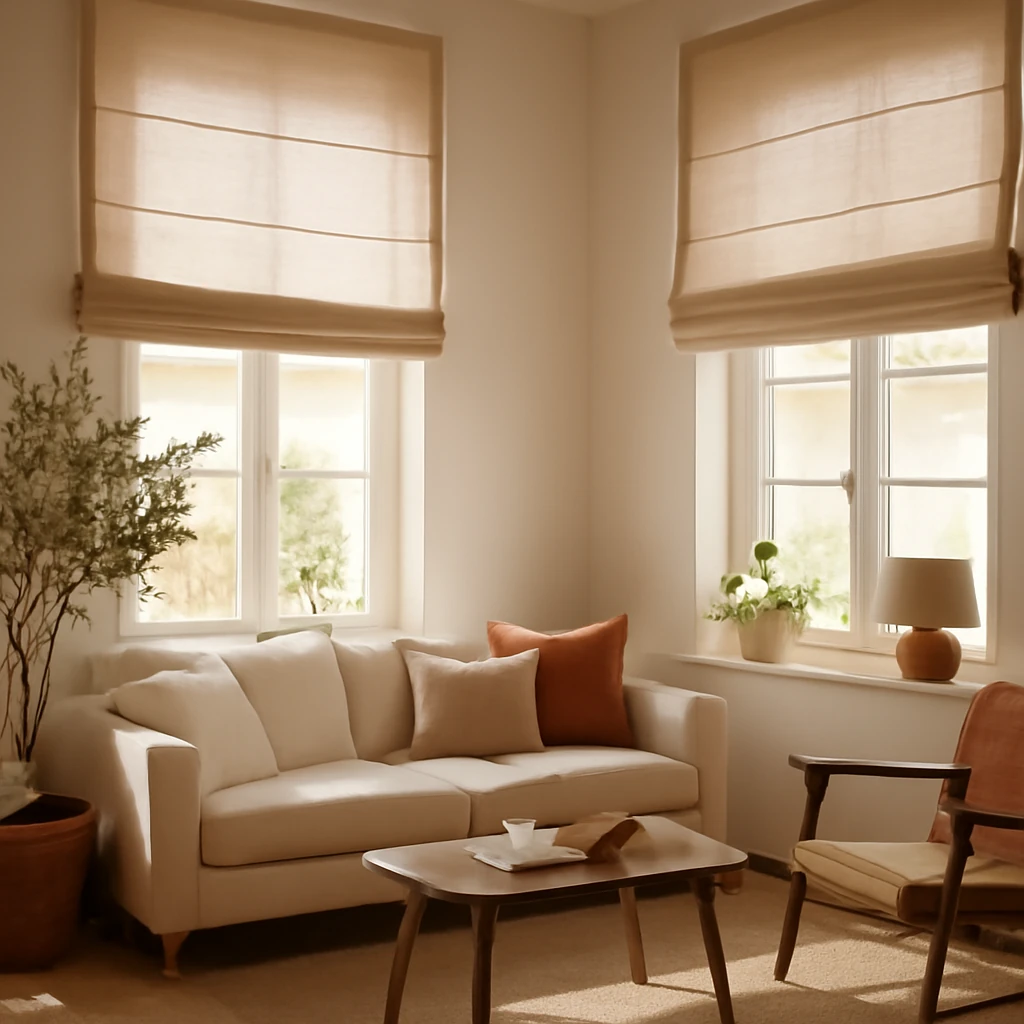
Introduction
In European homes, windows are a design feature as much as a source of light. Sometimes a refreshed interior can be achieved with a new window treatment that controls daylight, enhances warmth, and subtly shifts the atmosphere of a space. Blinds offer one coherent solution for both function and aesthetics. With a broad spectrum of styles, materials and mechanisms, blinds can be customised to suit compact city flats, airy lofts, or family homes across the continent. They provide precise light regulation, maintain privacy, and are comparatively easy to maintain, making them a practical upgrade for busy households and discerning design-conscious clients alike.
Why blinds are a smart upgrade for European homes
- Precise light control and glare reduction, essential for workspaces, living rooms and bedrooms.
- Thermal performance: well-chosen blinds can reduce heat gain in summer and heat loss in winter.
- Privacy with the option to see out without being seen in, a common requirement in dense urban living.
- Low maintenance compared with fabric drapes, with durable coatings that resist dust and fading in European sunlight.
- Space-saving and versatile, blends seamlessly with contemporary and traditional interiors alike.
- Safe operation for households with children or pets, including cordless and mechanism-free options that comply with safety standards across the EU.
Horizontal blinds
Horizontal blinds consist of slender slats arranged in a stacked formation. The slats interlock through cords or tapes that traverse the length of the headrail, enabling the blades to tilt and stack in a controlled fashion. The rotation is typically adjusted by a chain or tilt wand, which allows light to filter through at various angles or to close completely for darkness. Horizontal blinds are a classic choice for traditional interiors, yet their clean lines also complement minimalist schemes. They are particularly well-suited to narrow windows or long, uninterrupted window walls where a crisp, organised look is desired.
In interiors with high ceilings or elongated windows, horizontal blinds can visually expand or contract the sense of scale. Lightly tinted or white slats soften the daylight while keeping a sense of airiness. For spaces that require frequent blackout, such as bedrooms or media rooms, a denser fabric or integrated blackout lining can be added to ensure the room remains undisturbed when darkness is needed.
Vertical blinds
Vertical blinds operate via individual lamellae that slide along a track or rail. They can rotate to adjust the amount of light entering a room and can slide from side to centre to reveal or obscure the view. Vertical blinds are particularly effective for larger windows, sliding doors, or expansive glass facades often found in contemporary European homes. They offer a modern and streamlined aesthetic that aligns well with urban living, hi-tech design, and minimalistic interiors.
because each lamella can be angled independently, vertical blinds provide nuanced control over shade and glare during different times of day. They are also practical for rooms with floor-to-ceiling glazing, where the option to fully open the panel and access the view is beneficial. For kitchen and bathroom environments, moisture-resistant profiles such as vinyl or coated fabrics are recommended to ensure longevity and easy cleaning.
Cassette blinds
Cassette blinds are designed to sit discreetly within a fabric or metal housing that conceals the rolled fabric or slats when raised. Traditional cassette blinds are often horizontal, with a smooth, compact headrail forming a neat, architectural silhouette. Aesthetically, they blend into contemporary interiors by sitting flush against the window frame and surrounding walls, keeping the view clear when raised and maintaining a tidy look when lowered.
This style is particularly valued when windows are frequently opened or when the design requires minimal visual interruption around the glass. The cassette conceals the operating mechanism, giving spaces an uncluttered, engineered feel. The fabric or slat is tensioned to avoid sagging, which is essential for longevity and appearance in European climates with varying humidity levels.
Roller blinds
Roller blinds feature a fabric or synthetic screen wound around a metal tube and raised or lowered by a cord or chain. They are efficient at delivering a clean, unobtrusive line across the top of the window, making them ideal for contemporary interiors and spaces with strong architectural language. Rollers can be used to soften strong daylight or to create a uniform, glare-free background suitable for screens and projectors in home offices or living rooms.
Fabric rollers come in a wide range of textures, opacities and colours - from sheer to blackout. Lighter, translucent fabrics diffuse daylight and preserve views, while blackout fabrics provide full shade for late sleepers or media rooms. Rollers are easy to operate, and when designed with a continuous cord loop or motorised option, they offer convenient adjustments for daily living and smart home compatibility.
Materials
Plastic
Plastic blinds are among the most economical options and remain popular for offices, rental housing and spaces where price or easy upkeep is a priority. They are lightweight, durable and resistant to humidity, making them suitable for kitchens and bathrooms where moisture can be a concern. Plastic blinds are available in a broad colour palette, from crisp white to soft pastels and bold, saturated tones that can anchor or harmonise a room’s colour scheme.
Despite their affordability, attention should be given to the tone and finish. White or light-coloured plastics tend to show yellowing with prolonged sun exposure, while darker finishes can hide dust but may show fingerprints more readily. Opt for coatings with anti-static and UV-protective properties to extend the life and appearance of the blinds.
Aluminium
Aluminium blinds are the workhorse of modern interiors - robust, moisture-resistant and energy-efficient. They perform particularly well in kitchens, bathrooms and spaces with higher humidity, where wooden slats would be prone to warping. Aluminium slats are easy to clean with a damp cloth and can be powder-coated in a wide range of colours or metallic tones to suit contemporary palettes. They maintain a crisp, architectural look that pairs well with both industrial and minimalist aesthetics.
In terms of performance, aluminium blinds offer excellent light control and durable longevity. They are less prone to bending or warping than wooden options and can be treated with coatings that resist staining or fingerprints. Integrated or motorised controls complement smart home setups and can be programmed to adapt to daily routines and seasonal daylight shifts.
Wood
Wooden blinds convey a sense of warmth, tactility and natural beauty that suits traditional, Scandinavian-inspired, or rustic European interiors. Depending on the species - such as poplar, oak, or cedar - wood blinds can range from pale, honeyed tones to rich, dark stains. They offer substantial light control and contribute a natural texture that enhances the ambience of living rooms, studies and master bedrooms.
Care must be taken in spaces with high humidity or direct heat sources. Wood can warp or fade under excessive exposure to moisture or heat. Use in rooms where climate is well-regulated, and consider lighter finishes in kitchens or bathrooms, which are more prone to humidity. Regular dusting and occasional polishing can keep wood blinds looking refined for years, and a professional service can restore luster if the finish begins to wear.
Fabric
Fabric blinds are among the most versatile and appealing options, offering a soft, textile look that closely resembles traditional drapery while maintaining a streamlined profile. They come in a vast array of colours, patterns and textures, from understated neutrals to bold statement fabrics. Fabrics can be treated for moisture resistance, anti-bacterial properties or stain resistance, making them suitable for living rooms, bedrooms and home offices.
Care for fabric blinds requires a gentler approach. Regular gentle dusting with a microfiber cloth or vacuuming with a soft brush attachment helps keep the fabric looking fresh. When deeper cleaning is needed, professional dry cleaning is often recommended to preserve the fabric’s integrity. The benefits of fabric blinds include their ability to softly filter light, creating a warm atmosphere and reducing glare without sacrificing the view entirely.
Best ideas for your interior
The beauty of blinds lies in their adaptability across European interiors. For a contemporary home, choose slim-profile plastics or aluminium in light colours to achieve a crisp, airy feel that emphasises architectural lines and furniture silhouettes. In spaces designed around minimalism, opt for roller blinds with clean, uninterrupted surfaces and neutral tones that harmonise with the surrounding materials.
In warm, traditional interiors, wooden blinds in medium to dark tones can add depth and tactile richness, bridging the gap between antique furnishings and modern sensibilities. For rooms with strong colour schemes, a fabric blind in a matching or complementary shade can unify the palette while providing practical light control. Consider using layered treatments - blinds paired with a lightweight curtain or a simple board of interlined fabric - to combine flexibility with soft texture and acoustic comfort.
When designing a home, think about the interplay between blinds and light. In bright rooms, lighter surfaces and translucent fabrics can diffuse daylight gently, creating a comfortable glow. In darker spaces, deeper colours and denser fabrics can help anchor the room and improve perceived warmth. For homes that feature large glass facades or south-facing windows, automated or motorised blinds offer convenience for managing intense sunlight during the day and striking silhouettes at night.
Practical guidance: shapes, patterns and combinations
Blinds are not merely functional, they are a design element that can reinforce a scheme or provide a counterpoint. Horizontal blinds in a pale, matte finish can reinforce a contemporary palette, while vertical blinds in a subtly textured fabric can add depth to a minimalist room. Cassette blinds offer a discreet look that suits spaces where the architecture speaks through clean lines and restrained colour. For a look that blends soft textures with modern hardware, layer blinds with light curtains or use hidden track systems that align with the window edge for an almost seamless appearance.
Colour choices matter. Neutrals - white, ivory, grey, taupe - are timeless and versatile across varying European lighting conditions. Rich woods or deep charcoals act as anchors in larger rooms, while pastels can inject a quiet, sophisticated energy into smaller spaces. If you favour pattern, opt for fabrics with subtle textures or geometric motifs that echo or complement other textiles in the room, rather than competing with them.
Care, maintenance and longevity
Maintenance practices vary by material. Plastic and aluminium blinds are forgiving and easy to wipe down with a damp cloth, for tougher stains, a mild detergent solution can be used, followed by thorough drying to prevent water marks. Wooden slats benefit from regular dusting and occasional polishing with a product suitable for wood finishes, ensuring the grain remains rich and intact. Fabric blinds should be vacuumed gently to avoid lifting the fabric, and care should be taken to avoid soaking fabrics with cleaning liquids that could cause staining or colour bleeding.
When selecting blinds for spaces with high humidity, such as kitchens and bathrooms, consider moisture-resistant materials and finishes designed to withstand damp air. For households with children or pets, cordless options or motorised systems reduce the risk of entanglement and meet safety standards that are increasingly adopted across the EU. Regular inspection of cords, chains and operating mechanisms is advisable to maintain performance and safety over time.
Room-by-room ideas for European homes
- Living rooms: favour light, filtering fabrics or pale aluminium for a bright, refined backdrop. If the room features a strong focal point, use blinds to soften daylight without obscuring the view.
- Bedrooms: blackout or high-opacity fabrics ensure undisturbed sleep. Consider combining with light, breathable curtains for a layered, cosy ambience.
- Home offices: choose minimal, glare-free blinds to protect screens while preserving a sense of openness. Motorised options enable easy adjustment during video calls.
- Kitchen and dining areas: moisture-resistant options like aluminium or vinyl-blend fabrics simplify cleaning and maintain a fresh appearance.
- Bathrooms: moisture-resistant rollers or vinyl-coated slats help withstand humidity and cleaning agents while keeping moisture out of adjoining spaces.
- Living adjacent to outdoor spaces: motorised blinds provide convenience for adjusting shade in sunrooms or balconies, while maintaining the connection to the outdoors.
Integrating blinds with other window treatments
Blinds can stand alone or work in harmony with other window coverings. For a refined, layered look, pair blinds with lightweight curtains. This combination softens light diffusion and adds depth to the room’s texture. If you prefer a clean, almost seamless appearance, modern interframe systems can cover only the glass panes, leaving the frames and walls visually uninterrupted. In traditional settings, decorative cords, tassels or contrasting trim on curtains can provide a tactile counterpoint to the straight lines of blinds, creating a balanced, curated aesthetic.
Durability and sustainability
European interiors increasingly value materials with low environmental impact and longevity. Where possible, select blinds manufactured from recycled or responsibly sourced materials, with coatings that extend life while minimising maintenance. Durable finishes, UV-resistant colours and moulded slats can reduce the need for replacement and support a longer product life cycle. For developers and designers, specifying widely available sizes and components also simplifies installation, maintenance and future upgrades across different properties and climates.
Final thoughts
Choosing the right blinds is about balancing function, aesthetics and practicality. By understanding the differences between horizontal, vertical, cassette and roller systems - and by considering materials such as plastic, aluminium, wood and fabric - you can tailor a solution that suits every room, climate and lifestyle in a European home. The best result comes from a thoughtful combination of light control, material texture and the architectural language of the space, enabling you to shape daylight, privacy and atmosphere with precision.
You may also like these articles
 Kitchen Design
Ergonomic kitchen heights: tailoring countertops to you
Practical guidance for matching kitchen countertop heights to your comfort.
Tips & How-To
European Home Staging: A practical guide to selling or renting faster with style
How staging and pre sale tweaks can accelerate European property sales and lets
Living room
Gypsum Board Ceilings for European Living Rooms: Design Ideas
Elevate European living rooms with versatile gypsum board ceilings