
Explore interior trends, AI design insights, styling guides and real transformations
Ten dangerous houseplants and how to keep your home safe
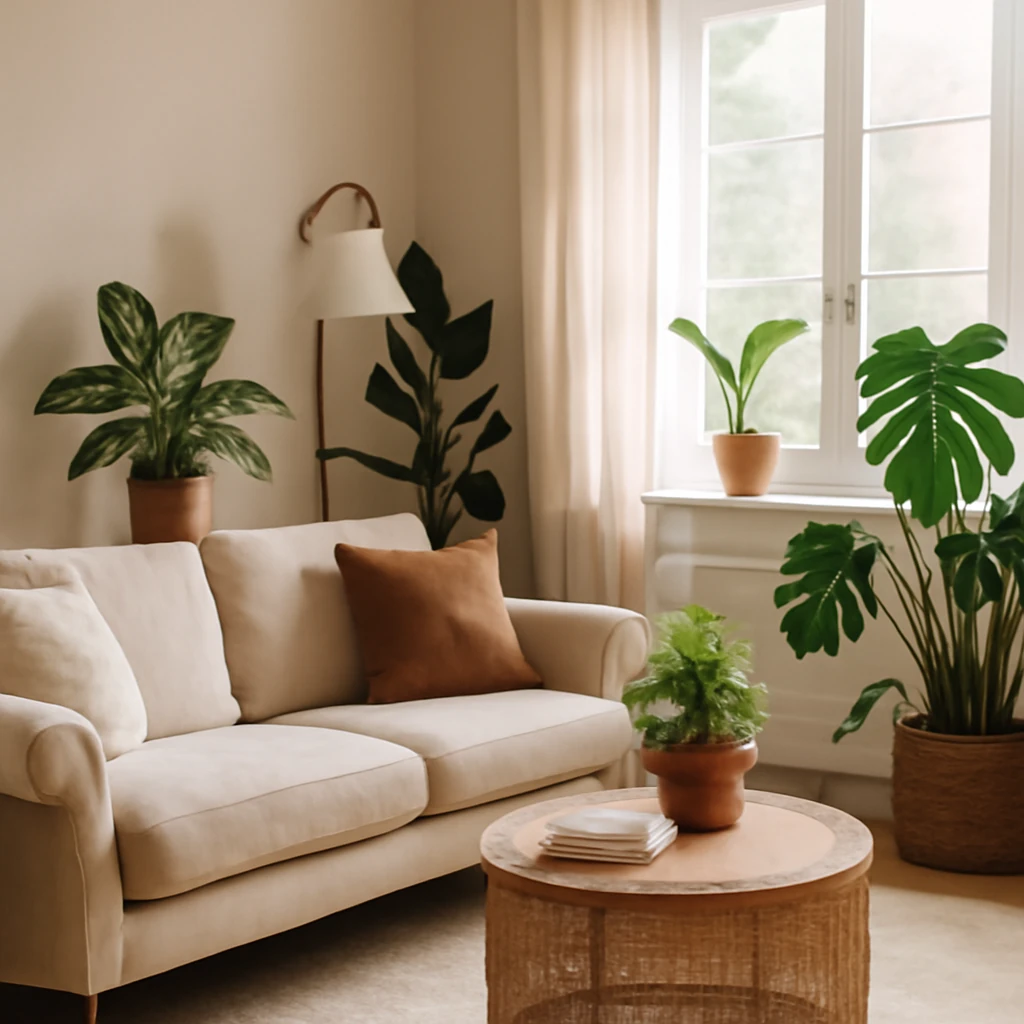
Introduction: why some popular houseplants require caution
In European homes today, lush greenery is a hallmark of modern interiors. Plants soften architectural lines, improve air quality, and bring colour and texture to living spaces. Yet several familiar indoor species carry sap, alkaloids, or other compounds that can irritate the skin, trigger allergies, or cause adverse effects if ingested. For households with children, teenagers, or pets, a disciplined approach to plant placement and handling is essential. This feature presents ten common indoor plants that deserve careful consideration, with practical safety guidance and thoughtful design alternatives for homes across Europe.
Ten indoor plants to approach with caution
1. Jade plant (Crassula ovata) – the popular succulent
The jade plant is a beloved, hardy succulent known for its glossy, coin-like leaves and compact growth. It is generally safe to touch, and many people appreciate its low-maintenance nature. However, the leaves and sap contain compounds that can irritate the mucous membranes if swallowed. In households with small children or curious pets, this makes placement important: avoid low shelves or accessible windowsills, and consider positioning the plant high up or behind protective barriers.
- Why the plant requires caution: ingestion can cause stomach upset, skin contact may irritate sensitive individuals.
- Handling tips: wear gloves when pruning or repotting, wash hands after contact, keep the plant out of reach of curious mouths.
- Safer design options: choose non-toxic succulents and place the jade plant in a secure, elevated location.
2. Oleander (Nerium oleander) – dramatic beauty with significant risk
Oleander is prized for its elegant blooms and long flowering period, yet every part of the plant contains potent toxins. The milky sap can irritate skin, and ingestion of any part of the plant can be life‑threatening in large quantities. The strong fragrance of its flowers can also affect respiratory comfort in sensitive individuals, particularly in poorly ventilated spaces. For homes with young children or pets, oleander should be avoided or kept well away from living areas and access ways.
- Why the plant requires caution: all parts are highly toxic if ingested, sap can irritate the skin.
- Handling tips: do not prune indoors, wear gloves if removal is necessary, ensure good ventilation when growing outdoors near living spaces.
- Safer design options: select non-toxic flowering shrubs or ornamental plants known for indoor safety and low allergen impact.
3. Boston fern (Nephrolepis exaltata) – beautiful but not without caveats
Ferns are a staple of plant collections, offering soft textures and lush greenery. They are not typically toxic to people, but they can trigger allergic reactions in sensitive individuals through spores and mould in humid environments. Ferns also demand regular moisture and good air circulation, in poorly ventilated rooms they can contribute to damp conditions that encourage mould growth, which is a common allergen trigger.
- Why the plant requires caution: not poisonous to humans in most cases, but spores/mould may provoke allergies, requires appropriate humidity control.
- Handling tips: ensure adequate room ventilation, avoid overwatering and ensure good drainage, keep away from sleeping areas if household allergy risk is high.
- Safer design options: choose robust, low-allergen foliage such as pothos varieties or spider plants, and monitor humidity levels.
4. Azalea (Rhododendron simsii) – striking blooms with potent toxins
Azaleas offer striking colour and a compact habit, making them a popular choice for European interiors. However, azalea contains grayanotoxins, and ingestion can cause nausea, vomiting, weakness, and heart rhythm disturbances. The scent of azaleas can be strong, and in poorly ventilated rooms a congested breath or headache may occur for sensitive individuals. For households with children or pets, azaleas should be placed out of reach or replaced with non-toxic alternatives.
- Why the plant requires caution: ingestion can be dangerous, high fragrance may irritate during sensitive conditions.
- Handling tips: wear gloves when handling, avoid cutting or sap contact with skin, ensure good room ventilation when displaying.
- Safer design options: select flowering plants with low toxin risk and pleasant scent, and position them in high shelves behind glass guards if necessary.
5. Poinsettia (Euphorbia pulcherrima) – festive but with latex sap
Poinsettias are often associated with Christmas and bring a bright punch of colour during the colder months. The plant contains a milky latex sap that can irritate the skin or eyes and may cause gastrointestinal discomfort if ingested in significant amounts. While a severe reaction is rare, it is wise to keep poinsettias away from small children and pets and to wash hands after handling. A well-ventilated space helps mitigate any strong resinous odours during flowering.
- Why the plant requires caution: latex sap can irritate skin and mucous membranes, ingestion may cause mild GI symptoms.
- Handling tips: wear gloves when pruning, wash hands afterwards, keep the plant away from eating areas.
- Safer design options: consider non-toxic seasonal plants or synthetic decorations for festive colour without risk.
6. Monstera deliciosa – dramatic leaves, guarded with caution
Monstera deliciosa is a modern favourite for its architectural leaves and bold silhouette. It does not contain a highly dangerous sap, but the plant does possess calcium oxalate crystals that can irritate the mouth and throat if ingested. This makes it unsuitable as a chew for curious children or pets. Work with it thoughtfully: place the plant on tall stands or shelves where it cannot be reached by small hands or paws.
- Why the plant requires caution: ingestion can cause mouth and throat irritation due to calcium oxalate crystals.
- Handling tips: use gloves when potting or pruning, keep away from areas where children or animals roam at floor level.
- Safer design options: choose non-toxic, easy-care specimens such as certain peaceable foliage plants for low-risk zones.
7. Dieffenbachia (Dumb Cane) – striking foliage with clear warnings
Dieffenbachia is a popular feature in contemporary interiors for its variegated leaves and bold presence. The plant contains calcium oxalate crystals in its sap, and contact or ingestion can trigger painful mouth swelling, throat irritation, and difficulty swallowing. It is wise to keep this plant out of reach of children and pets, and to handle with care during repotting or pruning.
- Why the plant requires caution: potential for significant irritation if sap contacts skin or mucous membranes or if ingested.
- Handling tips: wear gloves, rinse any sap from skin immediately, wash tools after use.
- Safer design options: prefer non-toxic foliage plants for households with young children or animals.
8. Euphorbia species (the spurge family) – milky sap can be caustic
Many Euphorbia houseplants share a distinctive, milky sap that is caustic and can irritate the skin and eyes. Some species are close to non-toxic if touched, but even a small amount of sap on the skin or eyes can cause irritation. If sap contacts the skin, rinse thoroughly with water, avoid rubbing the eyes, and ensure the plant is displayed in a well-lit area away from high-traffic zones where accidents are more likely.
- Why the plant requires caution: caustic sap, risk increases with skin contact and eye exposure.
- Handling tips: wear gloves when pruning, avoid breaking stems, wash hands thoroughly after handling.
- Safer design options: choose Euphorbia-free zones or use ornamental greens with low risk for households with children/pets.
9. Clivia (Clivia miniata) – bright blooms, careful handling
Clivia is valued for its vibrant orange or yellow flowers and substantial evergreen leaves. It contains alkaloids in its tissues, ingestion can cause vomiting, abdominal discomfort and general malaise. While not typically deadly, the plant should be kept out of reach of young children and animals and handled with care during cultivation.
- Why the plant requires caution: alkaloids may irritate digestive and nervous systems if swallowed.
- Handling tips: wear gloves when repotting, avoid chewing or tasting plant material, place on high shelves or behind protective barriers.
- Safer design options: choose ornamental plants with low toxicity for family spaces.
10. Pachypodium lamerei (Madagascar palm) – arresting form with sap hazards
Pachypodium lamerei is admired for its vertical silhouette and palm-like appearance. However, its thick trunk contains a milky sap that can irritate skin and mucous membranes, spines on the stems also require caution when handling. For households with children or pets, this plant is best placed high and away from reach, or avoided altogether in favour of safer architectural greenery.
- Why the plant requires caution: caustic sap and spines present a handling hazard, ingestion can cause discomfort and potential irritation.
- Handling tips: use gloves, avoid bruising the trunk, position away from accessible zones.
- Safer design options: opt for tall, safe architectural greenery without toxic sap for spaces used by families.
What to do if exposure occurs or a plant causes concern
Reacting promptly to a plant-related incident reduces risk. If sap contacts the skin or eyes, rinse immediately with plenty of clean water for several minutes. If irritation persists or sap enters the eye, seek medical attention. In case of ingestion, especially by a child or pet, contact your local poison information centre or a healthcare professional for guidance. Do not induce vomiting unless instructed by a medical professional. When bringing any new plant into a home, inform household members of its potential risks and establish clear boundaries for children and animals.
Practical safety guidelines for European homes
- Placement matters: position high, out of reach of little hands and curious paws. Use tall plant stands or wall-mounted planters to create vertical layers that are both aesthetic and safer.
- Access and visibility: keep potentially hazardous plants away from kitchens and dining spaces where ingestion is more likely, ensure that any plants kept in living zones are clearly separated from play areas.
- Handling protocols: wear gloves when pruning or repotting, wash hands afterwards, keep tools clean and away from children’s reach.
- Ventilation: maintain good air circulation to minimise irritant vapours from sap-rich species and to reduce damp that can encourage mould spores.
- Label and educate: label potentially risky plants and discuss safety with household members, especially guests who may not expect a toxic plant in a shared space.
- Maintenance routine: inspect plants regularly for signs of damage, prompt removal of damaged leaves can reduce exposure to sap. Consider replacing high-risk plants with non-toxic options if needed.
- Pet and child-proofing: think about pet-proof containers, barriers, and caddies that prevent chewing or scratching, and create zones where plants are inaccessible.
Design ideas: integrating safety without compromising style
European interiors often embrace bold leathers, warm woods, and restrained palettes. When safety becomes a design criterion, you can still achieve a sophisticated, green ambience. Here are practical ideas to integrate safe greenery into your schemes:
- Vertical greenery: install living walls or tall, multi-tiered planters that place plants well above ground level, reducing the risk of curious hands coming into contact with sap or leaves.
- Hidden-in-plain-sight displays: use flush-mounted shelves and high-level cabinets to display non-toxic specimens behind glass doors for a clean, safe aesthetic.
- Textural variety: mix architectural plants with broad-leaf foliage and soft textures in neutral pots. Pair light-coloured planters with dark woods to balance the room.
- Materials and finish: choose planters in ceramic, stone, or powder-coated metal with smooth finishes that are easy to clean and maintain, especially in spaces used by children and pets.
- Lighting strategy: incorporate soft, well-diffused light to showcase foliage without creating harsh glare that could mask hazardous sap on leaves or stems.
Recommended approach for European homes
Adopting a safety-first mindset does not mean compromising on the joy of greenery. Start with a risk assessment of each space - consider who shares the room, how often the area is used for meals or play, and the likelihood of small children or animals reaching planters. Use architectural elements, such as shelving heights, built‑in niches, and wide window sills with protective barriers to keep dangerous plants out of harm’s way. For interiors that crave bold, sculptural greenery, select species with low toxin profiles and tactile, resilient foliage that can be enjoyed without frequent risk of exposure.
Conclusion: thoughtful greenery for safe, stylish European homes
Indoor plants enrich living interiors when chosen and positioned with care. The ten species discussed here are among the most common in European homes and require careful handling to prevent accidental exposure. By combining mindful placement, practical handling protocols, and design-forward alternatives, you can maintain a vibrant, healthy, and stylish indoor environment. A well-planned approach to indoor greenery supports both aesthetic ambition and family safety, allowing you to enjoy the benefits of plants without compromise.
Notes for designers and homeowners
Design professionals can support clients by providing a clear plant-height plan, a safety checklist for homes with children and pets, and a curated selection of low-risk greenery in line with the client’s decor language. When developing scheme concepts, consider the following: a balanced palette of greens and neutrals, varied leaf shapes to convey depth, and a hierarchy of plant placements that keeps potential hazards at a distance from high-traffic zones. This approach ensures longevity of both the interior design and the wellbeing of every inhabitant.
You may also like these articles
 Kitchen Design
Kitchen design for timber-built homes: warmth, zoning and sustainable finishes across Europe
Timber homes deserve warm, efficient kitchens with thoughtful zoning.
Kitchen Design
The Timeless Allure of Provencal Kitchens: A European Guide to Rustic Elegance
Sunlit Provencal kitchen design for European homes: rustic charm meets modern living.
Tips & How-To
Smart Power: How to plan kitchen outlets for a safe, efficient European kitchen
Practical guide to planning kitchen outlets across three levels.