
Explore interior trends, AI design insights, styling guides and real transformations
Dopamine Interiors: Designing Joyful, Colourful European Homes
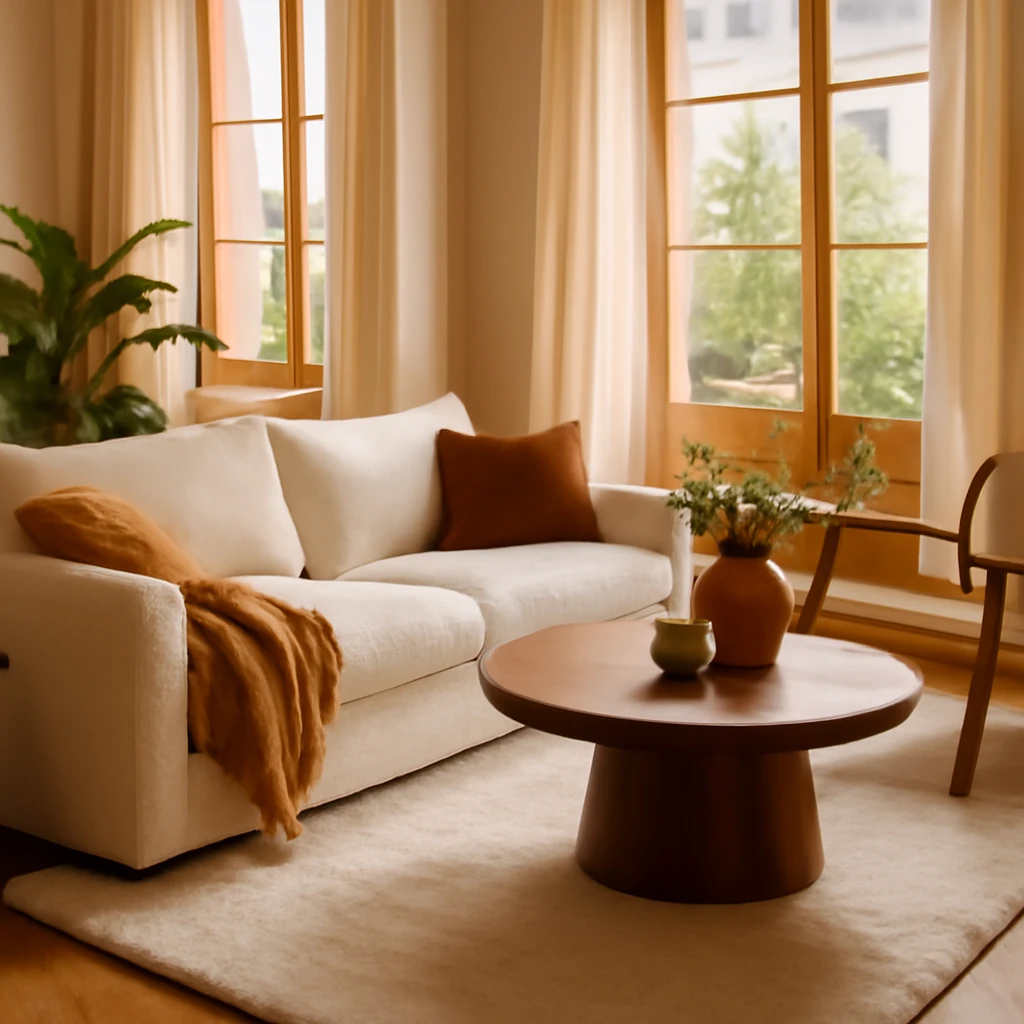
What is dopamine interior design
In a time when stability feels like a luxury and the world shifts with astonishing speed, the home becomes a trusted stronghold. Dopamine interior design is a contemporary approach that seeks to spark delight in daily life. It is not about excess for its own sake, but about creating spaces that lift mood, sharpen the senses and invite a smile. By foregrounding colour, form and playful details, this trend aims to trigger dopamine, the brain’s happiness hormone, turning interiors into sources of daily buoyancy. For European homes - from compact city flats to more generous urban apartments - the dopamine approach offers a framework for joyful living that remains practical, adaptable and timeless.
In the context of European living, where cities are dense and residences come in a wide range of sizes, dopamine interiors prioritise scale, proportion and light. The goal is to craft environments that feel energising during the day and soothing at night, while remaining easy to live with, easy to maintain and easy to reprogramme as tastes or needs evolve.
Note: this discussion focuses on interior design principles, without tying them to particular brands or collections. The emphasis is on how to work with colour, material, shape and light to create spaces that feel uplifting, expressive and resilient.
The secret of dopamine interiors
Psychology recognises that during periods of uncertainty, people seek a sense of control and comfort. Colour, form and playful details become tools to counter stress by providing visual anchors and sources of positive distraction. Dopamine interiors harness this instinct by combining two core drivers: colour that energises and shapes that surprise. The result is an interior language that feels optimistic, energetic and human.
Within a European context, the dopamine approach translates into curated yet approachable schemes. A well-considered palette, tactile textures and artful furniture forms work together to create an ecosystem that invites touch, exploration and laughter. The design becomes not merely decorative, but a cognitive nudge toward feelings of safety, curiosity and joy.
Key colour and shape signals
Two pillars form the backbone of dopamine interiors: saturated colour and sculptural form. A palette might blend saturated greens or olives with rich burgundy, honey, terracotta or sapphire, tempered by neutral bases in stone, warm grey or ivory. On the form side, the eye is drawn to furniture and objects that defy routine: curved sofas, asymmetrical tables on organic bases, and mirrors with fluid, liquid-metal edges. The mix signals a break from rigidity and invites playful engagement with the space.
Equally important is the way these elements are balanced. Dopamine design favours maximalism with intention rather than chaos. It is possible to layer bold pieces with quieter ones, provided there is a clear sense of rhythm, proportion and breathing room. The outcome is a space that feels alive without becoming overwhelming.
Features of dopamine style
The distinctive characteristics of dopamine interiors can be organised into four practical areas:
- Colour that invites a smile - saturated, unexpected pairings and accents that energise a room rather than overwhelm it.
- Unconventional forms - furniture and decor with sculptural or whimsical shapes that become focal points.
- Controlled maximalism - a curated abundance of textures, patterns and objects that feels deliberate and hospitable rather than cluttered.
- Playful references and surreal touches - elements that spark conversation and light-hearted mood, such as a quirky sculptural lamp or a boldly curved console.
In Europe, where many homes blend heritage with modern living, dopamine style respects the past while embracing the future. Natural materials, craftsmanship and sustainable finishes can anchor exuberant colour and form, ensuring the result remains timeless rather than fleeting.
How to create a dopamine interior
1. Introduce colour with intent
Colour should tell a story rather than simply fill space. Start with a neutral base that allows bold accents to breathe. Consider a dominant shade for one room and introduce supporting hues through soft furnishings, artwork, upholstery and decorative objects. In smaller spaces, choose a single vibrant colour as the lead and temper it with lighter neutrals to avoid visual fatigue. In living rooms or open-plan areas, consider a colour continuum that moves from walls to furniture to textiles, ensuring harmony while still delivering moments of surprise.
2. Embrace form and sculpture
Shapes matter as much as colours. Incorporate furniture with sculptural features - a sofa with a gentle arc, a coffee table with a curved, sculpted base, or a console that mimics a fluid line. Accessories can echo this language: a mirror with a distorted, almost liquid silhouette or a decorative piece that morphs between art and object. The key is to balance organics with geometry so that the space feels both dynamic and grounded.
When selecting pieces, consider scale in relation to the room’s proportions. A compact city apartment may benefit from a standout, well-proportioned statement piece, while a larger drawing room can accommodate multiple sculptural forms arranged to create intimate zones within a broader plan.
3. Mix elements without fear
Eclecticism is a core strategy. Blend vintage finds, contemporary pieces and a dash of futurist glamour. The mix should tell a cohesive story rather than celebrate random novelty. Start with a consistent material language - wood, metal, glass, fabric - or a shared texture to knit disparate pieces together. The goal is a curated, not chaotic, wardrobe of furnishings and accessories that invites exploration.
4. Inject humour and whimsy
Humour in design is not frivolous, it is a pragmatic mood-boost. Introduce thematic accents or playful details that prompt a smile - a lamp shaped like a mushroom, a chair with cartoonish legs, or a wall detail that reads as abstract art. Whimsy should feel intentional, not accidental, so that it contributes to the character of the space rather than distracting from it.
5. Let light and life in
Light is a critical vehicle for dopamine. Layer lighting with ambient, task and accent sources to sculpt mood and highlight colour and form. Large windows, light-coloured floors and reflective surfaces help bounce daylight and create a sense of openness. In late afternoons or long European evenings, the interplay of shadows and glow from decorative lighting can transform a room’s emotional tone, turning it into a theatre of everyday delight.
Incorporate mirrors and glass cautiously to avoid glare, while ensuring there are opportunities for both bright focal points and soft, cocooning corners. The objective is a space that reads as lively during the day and comforting at night.
Applying dopamine design in European homes
European interiors vary from canal-side townhouses to contemporary lofts, but the dopamine approach translates well across contexts. For compact city flats, the emphasis is on flexibility and function: modular seating that can reconfigure for social gatherings, clever storage disguised within sculptural forms, and zone-defining pieces that maintain flow without sacrificing warmth. In larger apartments, there is room for more expansive colour statements and a broader palette, while maintaining coherence through material continuity and repeat motifs.
Windows play a crucial role in Europe, where daylight and view contribute to mood. Treat windows as design features - choose lightweight, breathable window treatments that soften the light, align upholstery and soft furnishings with the room’s sun exposure to keep hues vibrant yet balanced. Natural materials such as timber, stone and linen work beautifully with saturated colours, grounding the space in tactility and authenticity.
Storage strategy is essential to dopamine interiors. In many European homes, built-in storage, engineered wardrobes and concealed shelving keep the surface clutter-free, letting the colour and form take centre stage. The aim is to create spaces that feel generous and breathable, even when packed with personality. A well-planned layout includes dedicated zones for work, play and rest, each with its own mood, yet connected by a unifying colour or material language.
Materials, textures and palette
Texture matters as much as hue. Combine soft textiles with hard surfaces to create a tactile narrative that invites touch and exploration. Velvet upholstery, boucle textiles, wool throws or linen drapes add warmth and richness, while polished metal, glass or high-gloss surfaces deliver a contemporary edge. A balance of matte and shine helps to prevent colour from feeling overpowering and supports a sense of depth in the room.
Palette guidance for European homes often starts with a confident base - an earthy neutral or pale stone - that reads calm and timeless. From there, introduce two or three accent colours drawn from nature or artful pigment stories. For example, olive-green, burgundy or terracotta can provide depth and warmth, while honey or teal can offer brightness without harsh contrast. The palette should feel coherent with the building’s character and the surrounding surroundings, ensuring the interior resonates with its context rather than standing apart from it.
Material choices can reinforce the dopamine message. Opt for natural wood with visible grain, stone or ceramic tiles with subtle variation, and fabrics that improve acoustics and comfort. Reclaimed or responsibly produced materials can contribute to a responsible luxury that aligns with European design values - quality, durability and longevity over fast fashion.
Lighting as a driver of mood
Lighting is a central instrument in dopamine interiors. A layered lighting plan uses a mix of ambient, task and accent lighting to sculpt space and mood. In practice, this means ceiling luminaires that distribute even illumination, floor and table lamps that create pockets of warmth, and decorative lighting that acts as sculpture. Dimmable controls enable a fluid transition from bright daytime activity to soft, intimate evening ambience. Colour temperature matters too: warmer tones (around 2700K to 3000K) foster cosiness in living areas, while cooler whites (around 3500K to 4000K) can sharpen concentration in home offices or kitchens.
Beyond function, lighting designs become expressive elements. A sculptural pendant, a lamp with a playful silhouette or a backlit mirror can be the anchor for a dopamine moment, drawing the eye and uplifting the mood as the day unwinds.
Practical considerations for European homes
Implementing dopamine design requires sensitivity to budgets, maintenance and longevity. Start with a clear plan: identify the rooms where mood matters most, such as living areas, bedrooms or workspaces, and define a guiding colour language and a few sculptural features to anchor the space. Allocate a larger portion of budget to key statement pieces and reliable lighting, then use more affordable textiles and accessories to layer personality over time. This approach supports gradual evolution - perfect for European homes that adapt to changing family needs or shifts in lifestyle.
Careful attention to proportion and circulation is essential in smaller urban flats. Ensure there is clear pathways and seating arrangements that accommodate daily life as well as occasional gatherings. Storage solutions should be aesthetically pleasing and integrated, so surfaces remain uncluttered, enabling the space to breathe and the colour and form to take centre stage.
When it comes to sustainability, choose pieces that can be repurposed or reupholstered rather than discarded. European design increasingly values materials with a lower environmental footprint and components that can be repaired or refreshed. This aligns well with the dopamine philosophy: an interior that is not only emotionally uplifting but also responsible and adaptable over time.
A practical blueprint to start
- Define a mood board that reflects the room’s function plus a colour direction for the entire home. Include swatches, textile samples and a few sculptural pieces that will anchor the scheme.
- Choose one dramatic focal piece per room, such as a curvaceous sofa or an artful light. Use other furniture to support the focal piece without competing with it.
- Layer texture through textiles, rugs and curtains. Vary scale to create tactile depth and interest.
- Introduce colour accents in small-scale items first - bedsides, cushions, throws - before increasing coverage in larger surfaces.
- Incorporate playful details that still respect the room’s rhythm: a quirky lamp, a sculpture or a piece of art with an unexpected shape.
- Plan lighting in layers and ensure dimmable options for different times of day and activities.
- Utilise reflective materials and glass to amplify light and create dynamic reflections that animate the space.
- Keep storage clever and visible surfaces free from clutter to maintain a calm yet vibrant atmosphere.
What to consider before you start
Before committing to a dopamine renovation, assess the home’s architectural character and daylight exposure. A room with generous daylight responds differently to saturated colours than a darker space that relies more on artificial lighting. In older European buildings with tall windows and high ceilings, colour can be grand and celebratory, while in a compact new-build, it may benefit from a more restrained approach punctuated by a few bold statements. Consider the rhythm of life in the home: where children play, where guests gather, where quiet work occurs. The dopamine approach should serve these activities, not complicate them.
Another important factor is maintenance. Highly reflective surfaces and bright pigments require routine care to keep them looking fresh. Choose finishes that suit the daily life of the household and the care available, ensuring that the end result remains as joyful in year five as it was on day one.
The impact of dopamine design in practice
When done well, dopamine interiors turn everyday spaces into environments that both comfort and excite. They invite you to sit a little longer, notice the details, and engage with your surroundings more fully. The design becomes a companion in daily life, supporting well-being while offering moments of delight and surprise. It is not a trend that demands constant reinvention but a language that grows with you, evolving through a sequence of purposeful updates rather than a single, rapid makeover.
In European homes, the approach often correlates with a broader cultural appreciation for craftsmanship, natural materials and sustainable design. The most successful dopamine interiors balance exuberant colour and form with restraint and respect for a room’s history and footprint. The result is a home that feels generous, alive and secure - an interior that truly supports a modern European lifestyle.
Conclusion
Dopamine interior design is a thoughtful response to contemporary life, offering a practical path to spaces that feel both energising and safe. By weaving saturated colour, sculptural forms, playful details and layered lighting into coherent plans, European homes can achieve interiors that are emotionally engaging without compromising comfort or function. The approach honours regional architectural variety while giving designers and homeowners a flexible toolkit for creating personal havens that adapt to changing needs. In short, dopamine design is not about shouting colours for the sake of spectacle, it is about building environments that encourage better living, one joyful moment at a time.
You may also like these articles
 Tips & How-To
40 Smart Cleaning Hacks to Keep European Homes Pristine and Efficient
Forty practical cleaning tricks tailored for European homes and interiors.
Colour & Materials
Blue for Bright Minds: Designing Timeless Children's Rooms in Europe
Timeless blue palettes and practical tips for European children's rooms.
Living room
Living rooms reimagined: planning private European homes
Expert guidance for designing and styling spacious European living rooms