
Explore interior trends, AI design insights, styling guides and real transformations
Pantograph Sofas: A Practical Guide to Daily-Use Transforming Comfort
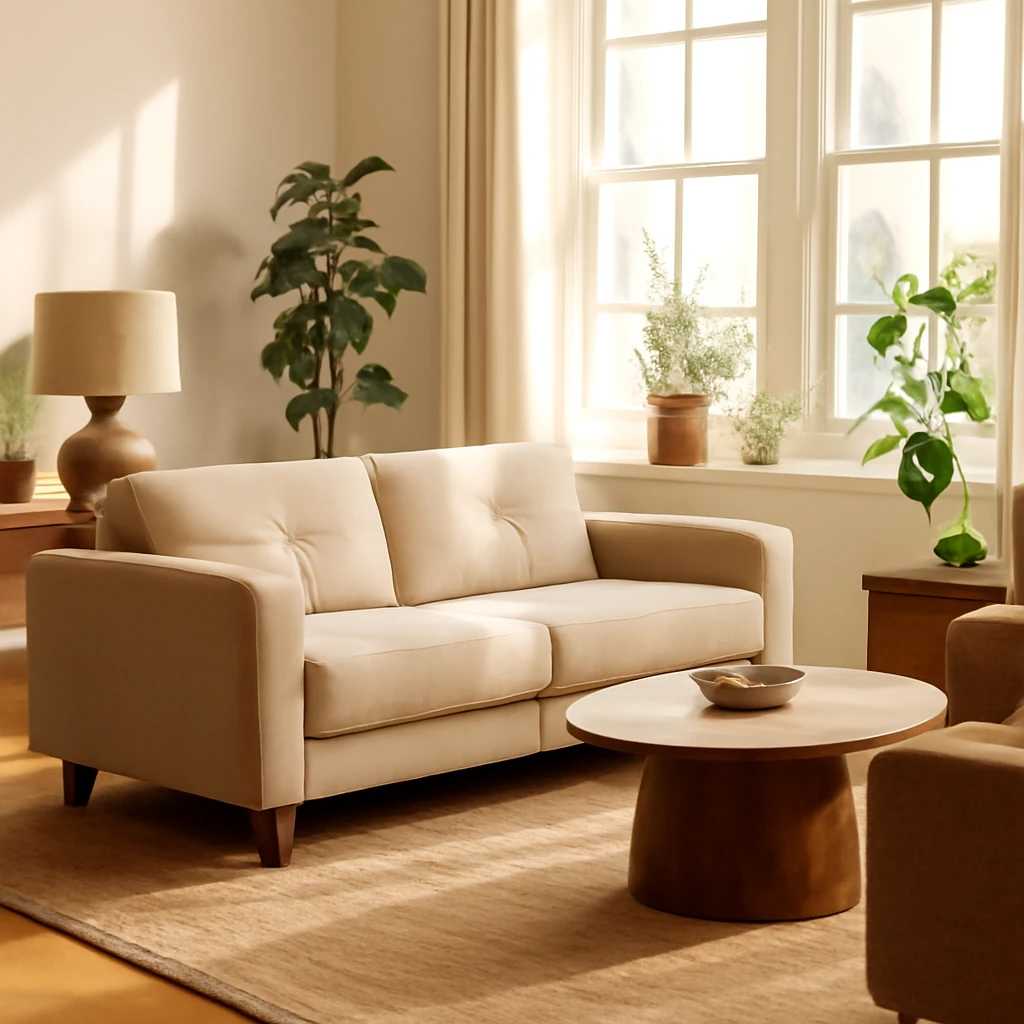
Introducing the pantograph sofa: daily use in European living spaces
When choosing a sofa that transforms, home designers often distinguish between two broad families: models intended for occasional use and those engineered for daily sleep. For compact and well-planned European living rooms, a sofa with a pantograph mechanism offers a compelling blend of comfort, versatility and space efficiency. It is not simply a bed that folds away, it is a carefully engineered furniture system that pairs a generous seating experience with a generous sleeping area, while preserving easy operation and a clean aesthetic.
This guide explains what a pantograph mechanism is, how it functions in practice, and how to choose, use and care for a pantograph sofa in a modern European home. It draws on contemporary European design practices and standard dimensions, with a focus on durability, floor compatibility and long-term comfort.
How the pantograph mechanism works
The pantograph mechanism, sometimes referred to in English as a stepping or walking system, is an advanced evolution of the popular pull-out bed and hinged sofa concepts. Unlike sofa designs that rely solely on rollers or simple pull-outs, the pantograph employs a coordinated set of hinges and a synchronising bar that move in a curved, linked motion. One end of the mechanism attaches to a fixed frame, while the opposite end connects to the movable seating unit. As the front of the sofa is raised and drawn forward, the seating surface slides out along a guided arc and the backrest lowers to form a flat sleeping surface.
This motion is often described as a "walking" or "stepping" action because the transformation unfolds in a sequence that resembles a measured stride. The synchronised movement ensures that neither the seat nor the backrest tucks in unevenly, preserving a level sleeping plane and reducing the likelihood of creasing or misalignment. A well-made pantograph system minimises noise, resists wobble and stays stable under regular daily use.
Key components and how they interact
- Frame and seating base: A rigid, durable frame - typically timber with reinforced elements and sometimes composite panels - provides a solid foundation for the mechanism and the cushions above.
- Metal pantograph arms and synchronising bar: The metal components form the core of the system, guiding the seat as it moves forward and ensuring the two mobile parts remain in proper alignment during transformation.
- Under-seat storage and lift mechanism: In many designs, the front section slides away to reveal a storage compartment or a bed anchor support, which helps stabilise the sleeping surface.
- Upholstery and cushions: The padding layers are crafted to compress evenly and maintain comfort in both configurations. A consistent seat depth and back height help ensure a comfortable transition from seating to sleeping.
How to operate a pantograph sofa safely
Operation should feel intuitive, but it is worth practising the sequence to gain smoothness and confidence. The steps below reflect typical contemporary models designed for daily use, with attention to floor protection and long-term durability.
- Clear the surface: remove cushions, throws and personal items to provide an unobstructed access path.
- Grip the front edge or dedicated handles of the seating unit and gently begin to tilt or lift as the mechanism begins to engage.
- Guide the seating module forward along its arc. As it moves, the rest of the sofa should automatically extend, with the seat sliding out and the backrest lowering to create a flat surface.
- If the legs or feet are designed to extend automatically, allow them to deploy fully and settle before lying down.
- In the sleeping position, ensure the backrest remains fully lowered and that any storage lid or base is secure and level.
When returning to the upright seating configuration, reverse the sequence with the same care: lift the backrest in stages, push the seating unit back into place, and ensure the sofa sits evenly against the frame and wall.
Daily life with a pantograph sofa: what to expect
A well-designed pantograph sofa delivers a spacious, flat sleep surface that can be used every night. The front edge remains accessible for bedtime routines, while the seating area preserves a generous depth for lounging. A practical advantage is the ability to tuck the sofa close to a wall without compromising the bed’s extension. The mechanism’s compact footprint - particularly in straight or small-corner configurations - helps maximise living-room layout flexibility, which is essential in many European homes where space is at a premium.
Pros and cons of the pantograph system
Like any sofa mechanism, pantograph designs bring specific strengths and some limitations. Understanding these helps ensure you select a model that fits both lifestyle and space.
Pros
- Easy day-to-bed transition: The pantograph system enables a relatively light, one-handed transformation on many models, making it convenient for daily use.
- Wall proximity: Because the mechanism moves forward while the backrest lowers, many configurations can sit closer to a wall than traditional pull-out beds.
- Robust sleep surface: A wide, flat sleeping area supports comfortable overnight rest, often enhanced by independent spring systems or high-grade foam layers.
- Storage opportunity: A number of pantograph designs incorporate a spacious under-seat or integrated chaise storage, boosting storage options in compact homes.
- Floor-friendly operation: The lifting and sliding action typically minimises marks on carpet, laminate and most hard floors, provided feet and glides are well chosen for the surface.
Cons
- Price range: Pantograph mechanisms are often positioned in the mid to upper price brackets due to the precision hardware and build quality required.
- Depth when folded: When closed, some models have a relatively wide seating area, which may feel bulky in very compact rooms or small apartments.
- Mattress compatibility: For regular daily sleep, a firmer, well-supported mattress top or a dedicated bed topper may be preferable to achieve lasting comfort.
- Maintenance: The mechanical components require occasional inspection and gentle lubrication to preserve smooth operation over many years.
For European households that value adaptability, the advantages of pantograph designs frequently outweigh the drawbacks, especially when paired with careful space planning and appropriate fabric choices.
Variants: straight, corner and corner-with-module layouts
Pantograph mechanisms come in several geometries to fit different floor plans. The most common formats are straight models, corner configurations and P-shaped or U-shaped layouts with two turning points. Each configuration offers distinct spatial dynamics and sleeping area advantages.
Straight pantograph sofas
These are the simplest and most versatile. A straight pantograph sofa usually features one or two folding blocks that extend from a compact frame. The design emphasises a clean profile, making it a popular choice for modern living rooms with a strong architectural language. A straight model is particularly well suited to rooms with a clear sightline or a dining area that shares the space, as it can be tucked neatly against a wall when closed and expanded into a generous bed when required.
Corner pantograph sofas
Corner configurations deliver extended sleeping surfaces and additional seating by incorporating a stationary side module alongside a fold-out section. The corner geometry maximises corner-to-wall utilisation and creates a generous, contiguous sleep zone. For larger European living rooms, a corner pantograph sofa can serve as a primary seating hub without compromising guest accommodation, while maintaining clear pathways around the furniture group.
P- or U-shaped pantograph sofas
In more expansive spaces, P- and U-shaped arrangements multiply the usable surface area. The modular approach typically incorporates multiple movable blocks, some of which may be permanently fixed while others are designed to transform. The result is a flexible, social seating arrangement that can be configured for group lounging, multimedia viewing or sleeping for two people. These larger layouts are particularly well suited to open-plan living spaces common in many European homes, where the sofa acts as a central feature within a wider living zone.
Materials: frame, mechanism and cushions
Frame and structure
The longevity of a pantograph sofa relies on a well-crafted frame. In European manufacturing practice, the frame often combines solid timber with engineered plywood or multi-ply panels. The frame must withstand routine folding and unfolding without developing play in joints. Side panels and arms are reinforced to resist lateral stress during transformation, ensuring a stable seating and sleeping surface over time.
Mechanism: metal components and finishes
The pantograph mechanism is typically manufactured from high-strength steel or alloy, with corrosion-resistant finishes suitable for frequent use. The synchronising bar and hinges are engineered for smooth movement, quiet operation and consistent performance across thousands of cycles. Quality models include soft-close features or dampers on certain movement points to reduce wear and sound during transformation.
Fillings: comfort layered for daily sleep
The cushions and underlying support vary by model and budget, but the aim is a durable, comfortable surface that supports daily sleeping without excessive sink or sag. Common approaches include a base of high-density polyurethane foam with a zone-structured pocket spring system for responsive support. Some designs employ memory foam or latex-layered cores for pressure relief and long-term resilience. The choice of filling interacts with the upholstery and the frame to influence overall comfort, weight, and ease of maintenance.
Care and maintenance: keeping your pantograph sofa in peak condition
Routine care helps preserve both the appearance and the functionality of the pantograph mechanism. Follow the manufacturer’s recommendations for lubrication, cleaning frequency and any warranty constraints. General guidelines include:
- Keep the mechanism free of dust and debris, wipe metal components with a dry cloth and avoid aggressive solvents that could degrade finishes.
- Test the transformation sequence periodically to ensure smooth operation, if stiffness appears, contact a professional technician rather than forcing the motion.
- Protect upholstery from direct sunlight to minimise colour fading and fabric wear. Use drapes or blinds where possible in bright rooms.
- Use appropriate cleaning methods for the fabric type. For most textiles, a mild detergent solution or professional fabric cleaner is advisable, avoid soaking the cushions excessively.
- Inspect under-seat storage access (if present) to ensure hinges and lids operate freely and do not bind with the frame.
- Rotate cushions periodically to distribute wear and maintain even comfort across seating surfaces.
Choosing a pantograph sofa: a practical checklist
- Measure space accurately: Assess wall clearance, doorway width and the room’s overall layout to determine whether a straight, corner or modular pantograph sofa best suits your plan.
- Assess ease of transformation: In a showroom or showroom-like setting, request a demonstration to experience the forward motion, the seat extension and the backrest lowering. Check for any resistance, noise or wobble.
- Evaluate seating depth and back support: Ensure the seat depth and back height are comfortable for daily lounging and for sleeping. A consistent seat and back thickness reduces the risk of discomfort in both configurations.
- Inspect the filling system: For daily sleep, a combination of firm base layers and softer upper layers is often preferable. Ask about the presence of pocket springs and how they interact with foam or latex cushions.
- Check the mechanism for synchronisation quality: Look for a visible synchronising bar and ask about maintenance intervals. A robust mechanism should feel sturdy with minimal lateral play.
- Consider wall proximity and floor protection: If you have delicate flooring or a light carpet, verify that the sofa’s feet or glides are suitable and that the movement won’t leave tracks or indentation.
- Choose upholstery thoughtfully: In Europe, a wide range of fabrics and leathers is available. Consider scuff resistance, stain treatment, and ease of cleaning for a busy household. A darker, textured weave can offer forgiving performance in living rooms near corridors or high-traffic areas.
- Think about colour and scale in the room: A pantograph sofa should harmonise with the room’s palette and architectural language. If the space features strong colour accents or bold textures, a subtler sofa can balance the composition.
Practical design notes for European homes
European living spaces often blend open-plan layouts with defined seating zones. A pantograph sofa can act as a flexible anchor for a living area while offering a guest-ready bed without occupying an extra room. When planning, consider the following design considerations:
- Wall alignment: Choose configurations that allow you to sit comfortably with a view of a focal point such as a media wall or fireplace, yet still provide a clear path to the bed area when extended.
- Traffic flow: Ensure there is enough clearance around the sofa for easy movement, particularly when the bed is deployed and users may cross the room at night.
- Storage strategy: If storage is a priority, look for pantograph models with built‑in drawers or a sizeable ottoman‑style storage under the seating. This helps reduce clutter without sacrificing sleeping area.
- Climate considerations: In regions with high humidity or temperature variation, select upholstery and cushion fillings that maintain shape and comfort over time. Removable, washable covers can simplify cleaning in busy homes.
- Durability in daily use: A pantograph sofa is a long‑term investment, check warranty terms, service availability and the ease of replacement parts for the mechanism and cushions.
From concept to living room: integrating a pantograph sofa into your interior
When integrating a pantograph sofa into a European interior, think of it as a modular element that can be arranged to support daily life and occasional hosting. Its strength lies in the ability to adapt, the right model can serve as a generous lounging corner by day and a comfortable bed by night, without compromising the room’s architectural integrity.
To maximise the impact, coordinate material palettes with other furniture pieces. If your living room features timber flooring, a sofa with a dark wood veneer frame or metal accents can create a grounded, contemporary look. Alternatively, a lighter frame paired with a tactile fabric or leather upholstery can establish a calm, restorative atmosphere suitable for open-plan living spaces.
Maintenance overview: what to expect over time
Like any mechanical system, a pantograph sofa benefits from regular check‑ins and careful usage. A well-kept mechanism remains quiet, moves with assurance and preserves the long seat height and backrest angle that contribute to enduring comfort. In typical European homes, a professional service every few years can help protect the integrity of the joints, lubricate moving elements and refresh upholstery where needed. With proper maintenance, pantograph sofas can retain their elegance and function for a decade or more.
Is a pantograph sofa right for you?
If you value a high‑quality sleeping surface, a compact footprint when closed, and the flexibility to host guests without a separate guest bed, a pantograph sofa is worth considering. It suits urban apartments, family homes with multipurpose spaces and contemporary interiors where the sofa is central to daily life. The decision often hinges on how comfortable you are with a slightly more intricate mechanism and whether the proposal aligns with your budget and space planning goals.
Final considerations: tailoring to your space
Before making a purchase, it is useful to consider several practical questions. How often will the bed be used? What level of daily comfort do you require for sitting and sleeping? Do you have wall space and floor covering that complement a specific configuration? Are you prepared to invest in a model with a durable metal mechanism and a high-quality cushion system? Answering these questions helps translate design intent into a sofa that will function beautifully for years in a European home.
Conclusion: the pantograph advantage in contemporary interiors
For design-minded European households, pantograph sofas offer a refined combination of practicality, comfort and architectural clarity. The mechanism’s stepping motion, when expertly engineered, delivers a serene and stable sleeping surface while keeping the seating experience inviting and generous. By understanding how it works, testing the transform at point of purchase and selecting materials and configurations tailored to your space, you can have a sofa that truly adapts to daily life and occasional hosting alike. In the end, the pantograph sofa is not merely a clever piece of hardware, it is a modular living solution that honours European design principles of functionality, craftsmanship and lasting beauty.
You may also like these articles
 Furniture
Dolphin mechanism sofas: space-saving comfort for European living spaces
Discover the dolphin sofa mechanism: easy unfolding, robust build, and compact design for modern European interiors.
Living room
Gypsum Board Ceilings for European Living Rooms: Design Ideas
Elevate European living rooms with versatile gypsum board ceilings
Colour & Materials
Laminate vs Parquet: A Practical European Flooring Guide
Laminate or parquet? A practical guide to European flooring choices.