
Explore interior trends, AI design insights, styling guides and real transformations
Eco Style Interiors: Natural Materials and Calm, Biophilic Homes Across Europe
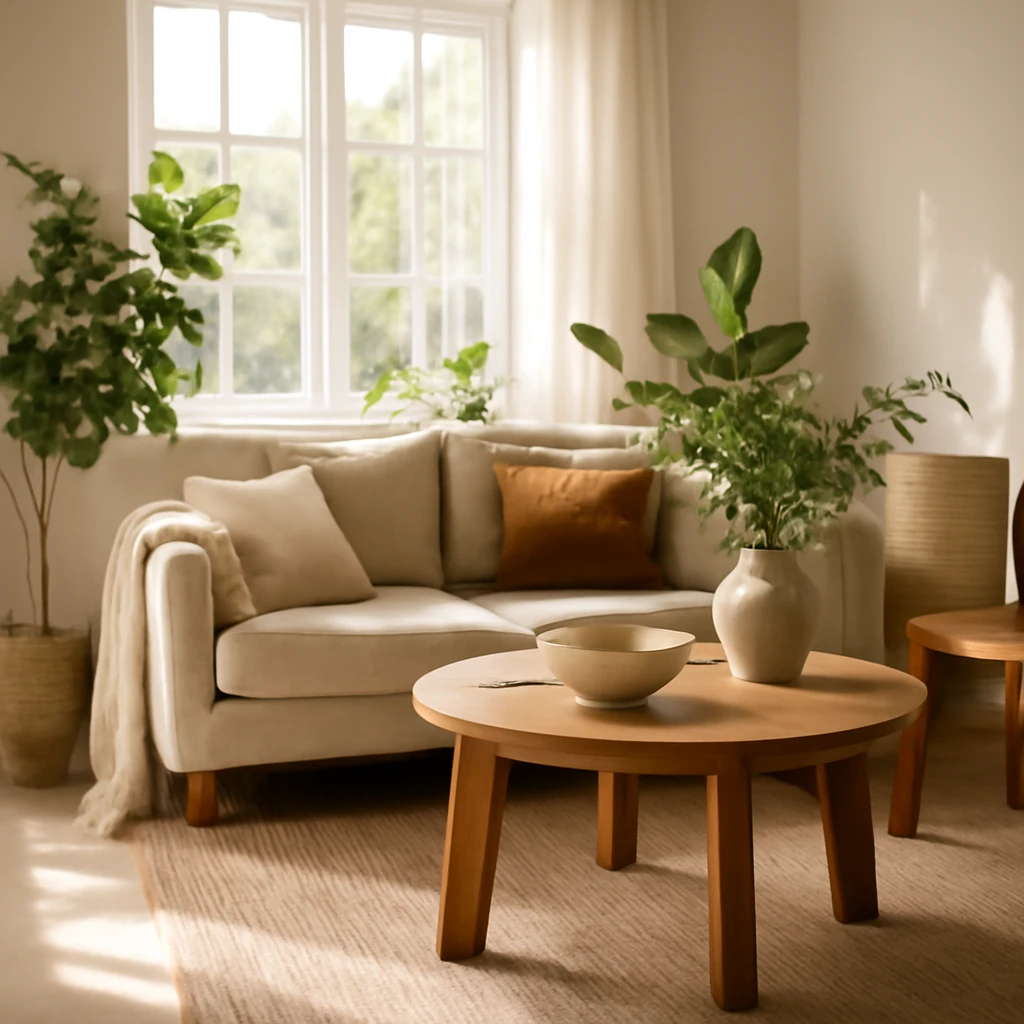
Characteristic features of Eco Style
Eco style in interior design embodies a close connection with nature and a philosophy of mindful consumption translated into living spaces. When applied with care, this approach creates environments that feel harmonious, balanced and healthy. The characteristic features can be distilled into four guiding principles:
- Total integration with nature - finishes rely on natural hues and materials such as timber and stone, with an emphasis on tactile authenticity.
- Enhanced ergonomics - layouts are conceived to maximise usability with a restrained furniture palette, preserving spaciousness and intuitive flow.
- Heightened tactility - interiors pair minimalist forms with honest textures, avoiding overly ornate details to let material character speak for itself.
- Living greenery - biophilic elements link occupants with the natural environment, from large potted plants to ceiling planter installations and green walls.
At the core, eco interiors lean toward minimalism: only what is truly necessary stays. The result is a space that feels airy, bright and expansive, even in modest footprints.
Who is Eco Style for?
Projects in eco style attract homeowners who seek closeness to nature, a sense of harmony with the wider environment, and a retreat from urban bustle. While the look is frequently realised in contemporary houses, it is equally valuable in city apartments as a refined analogue to a country residence - where indoor and outdoor boundaries blur and the space transitions seamlessly to the exterior.
Popular mood possibilities include:
- Mediterranean mood - sunlit, sand-and-sea inspired palettes with coastal accents such as shells, pebbles and driftwood, offering a light, breathable backdrop.
- Rocky landscapes - earth-toned palettes built on stone-inspired textures, with terracotta and graphite accents to convey rugged sophistication.
- Jungle ambience - an abundance of greenery, which may cover walls or ceiling installations, complemented by natural fibres and woven textures.
- Strategic lighting and woven shades - soft, ambient lighting enhanced by pendant lights with woven or rattan elements.
- Tropical colour stories - breezy, relaxed-cottage styles featuring linen, cane blinds and light, airy textiles.
Pros and cons of Eco Style
Eco interiors offer a number of compelling advantages:
- Environmentally conscious - use of natural, recycled and responsibly sourced materials.
- Natural calm - interiors inspired by nature create a tranquil, restorative atmosphere.
- Healthy microclimate - minimising synthetic materials helps improve indoor air quality and comfort.
There are, however, challenges to consider:
- Cost - authentic natural materials can carry a premium compared with synthetic alternatives.
- Maintenance - natural surfaces often require more care to sustain appearance and durability.
- Availability - sourcing sustainable materials and artisan-made items may require longer lead times and broader supplier search.
In any case, the payoff is a healthier, more beautiful home with a distinctive, timeless quality that grows more appealing with age.
Elements of Eco Interior
Open, spacious layouts
A defining aspect of eco interiors is a sense of space and air. Practically this translates to open-plan living with a restrained furniture ensemble and abundant natural light. When an interior is large or compact, designers create subtle divisions without heavy walls, using clever elements rather than partitions to maintain an uncluttered feel.
Ways to maintain openness include:
- Furniture zoning - pieces define living areas (sofa zone, work corner, reading nook) while preserving flow.
- Light-weight accessories - floor lamps, table lamps and woven rugs serve as soft dividers without visual heaviness.
- Light screens and panels - wooden slats or perforated panels offer zoning with architectural interest, options can be fixed or movable and may include integrated LED accents and climbing plants.
- Raised platforms - shallow podiums delineate zones and can provide storage underfoot, contributing to a calm, organised space.
Colours of nature
The eco palette draws from natural environments: sands and earths, stone tones, fresh greens, and the blues of sky and sea. Bright, acidic or synthetic colours are deliberately avoided. The base is typically a light, neutral background - cream, beige or ecru - with warmer or cooler accents chosen to suit window orientation: warm tones for north-facing rooms, cooler tones for rooms with southern light.
To achieve a refined eco look, the scheme should feature a minimum of seven tones within the chosen palette and a couple of carefully chosen accent colours.
Natural-colour accents and textiles
Textiles in natural hues - linen, wool, cotton, hessian - are used for cushions, throws, curtains and upholstery. Texture takes centre stage: the subtle pattern of a linen weave or the tactile depth of a wool boucle adds warmth and depth without relying on colour.
Finishes and materials
Natural materials are the cornerstone of eco interiors. The following finishes form a coherent, durable palette:
Walls - natural finishes
Options include:
- Paper or fabric-backed wallpapers with botanical motifs
- Wooden panels in various formats, from traditional cladding to cross-cut veneers
- Textured plaster or lime plaster to evoke rugged, hut-like charm
- Natural stone laid in a brick-bond or ashlar pattern, such as limestone or pebble aggregates
- Porcelain or ceramic tiles that mimic marble or stone for practicality
Ceiling - white or light-toned
The ceiling is typically finished in white, using plaster or a paint with a soft, living finish. A satin or matte PVC or vinyl ceiling can work well where lighting integration is essential. A bold architectural move - where the floor and wall transition into the ceiling - can reframe a space and create a sculptural effect.
Floor - timber or stone
Timber floors, such as engineered wood or solid parquet, provide warmth and authenticity. Narrow boards with a bevel or brushed finishes convey a laid-back, rustic charm. In damp or high-traffic areas (kitchens, bathrooms, entryways), natural stone or porcelain tiles that imitate wood or stone offer durability and ease of maintenance. Recycling or upcycling old boards, beams or pallets can also lend character and sustainability to a project.
Doors - minimalist
- Louvered doors - light and economical, though with limited sound insulation
- Sliding doors - substantial and tactile, crafted from solid timber with untrimmed edges for a natural look
- Hinged, single-panel doors - slim, unobtrusive hardware and veneered surfaces indistinguishable from solid wood
Lighting in Eco Style
Maximising daylight is a core principle of eco design. Large windows dressed sparingly with light curtains or blinds, combined with thoughtfully planned artificial lighting, makes spaces feel brighter and more expansive.
Warm LED illumination is used to highlight architectural features, timber furniture and decorative details. Linear LED profiles mounted in walls or ceilings provide a clean, modern glow without overpowering the space.
Spotlights are placed along the room’s perimeter and in functional zones (kitchens, desks) to ensure well-balanced illumination.
Accent pendants and wall fittings drawn from natural materials - woven rattan, wood, shells or glass with a tactile finish - help shape the room’s atmosphere while contributing to the organic aesthetic.
Lighting ideas for eco spaces
Aim for warm white (approximately 2700–3000K) to maintain a cosy, inviting mood. Consider fixtures with natural textures and soft diffusion to preserve the interior’s breathable feel.
Decor in Eco Style
Textiles in neutral colours
Fabrics in the eco palette should emphasise texture: linen, ramie, cotton, wool. Use these for cushions, poufs, curtains and upholstery to build tactility and warmth.
Natural weavings and rattan
Poufs, mats, screens and baskets crafted from rattan, seagrass, jute or wicker introduce light, tropical cues without overpowering the space.
Cozy throws
Chunky knits and gradient-toned throws add tactile depth and comfort, inviting occupants to linger and relax.
Decor and textiles in eco style
Decorative elements are kept deliberately simple and often handmade from natural materials to reinforce the craft ethos of eco living.
Woven accessories
Wall panels, screens, poufs, lampshades and baskets in jute, bamboo, raffia, rattan or sisal reinforce the natural frame of the design while offering practical storage and display opportunities.
Natural materials for decorative objects
Shells, sea pebbles, driftwood, roots and other organic fragments can be assembled into installations, art pieces, or embedded as decorative inlays to add a tactile focal point in a room.
Living plants
In eco interiors, large plants such as fig, palm or monstera make bold statements. Plant modules and plant boxes in varying scales help create lush vignettes, and ceiling installations can hold planters with roots in view. A green wall - either living or preserved moss - offers a dramatic, space-defining feature if the room’s light and climate permit.
The goal is to make the interior feel alive, evolving and intimately connected to nature.
Interior in Eco Style by room
Eco style suits most spaces, the key is to articulate a concept and curate a compatible set of furniture, lighting and accessories that fit the available footprint and climate conditions.
Kitchen
A kitchen in eco style is technologically refined, with clean, uninterrupted lines and a restrained finish. Appliances are concealed behind integrated cabinetry with concealed hardware. A focal point can be a substantial island or worktable in solid timber or stone, designed to stand out through colour or material contrast. Bar stools or pendant lights in natural fibres reinforce the space’s natural character.
Living room
The living room should feel warm and inviting. A large modular sofa in a neutral fabric, a textured wool rug, and a pair of lamps with square white or off-white shades establish a cosy base. A green wall or curated plant display introduces vitality and the sensation of stepping into a garden room.
Bedroom
Eco-inspired bedrooms favour soft, creamy walls and a wooden bed as a focal point. A hand-woven wool rug, flowing linen curtains and a headboard featuring natural timber elements create a tranquil, restorative sanctuary.
Bathroom
Bathrooms in eco style embrace durable, natural-looking surfaces: wood-look porcelain, natural stone or ceramic tiles, and water-resistant paints in bright white or soft neutrals. A stone basin or pedestal unit and fixtures in matte black or brushed chrome can provide a modern, tactile counterpoint to the natural materials.
Toilet
Toilets in eco schemes use pale marble-inspired tiling, light-coloured surfaces, and fittings in either matte chrome or black, keeping lines clean and understated.
Entrance hall and corridor
The entry is a light, robust zone with minimal wooden furniture and durable flooring (porcelain, quartz-veneer or plank tiles). Reeding or 3D paneling can add depth and a sense of arrival without clutter.
Entrance hall furniture
- Wardrobe systems with closed storage
- Low benches or stools in natural wood
- Shoe storage units and slim coats racks
Children’s room
A child-friendly eco space uses light timber floors, gentle neutrals and pastel accents. Open shelving and simple storage keep surfaces uncluttered. Walls can be painted or wallpapered with subtle patterns, blinds or roman shades offer light control without heavy drapery.
Children’s furniture
- Low beds or napping mats in natural finishes
- Desks and chests in pale woods
- Coordinated storage chests and toy hampers
Home office
For a calm, productive eco desk, choose a solid timber top paired with clean storage and open, airy shelving. A comfortable, supportive chair and an environment with plenty of daylight support well-being and focus. Materials should be honest and durable, with minimal synthetic finishes.
Balcony and terrace
Outdoor spaces in eco style use timber cladding - light or dark - laid horizontally or vertically, complemented by linen cushions and robust greenery. A hammock or woven chairs can transform a balcony into a relaxing green refuge that extends the home outdoors.
Final thoughts
- Eco style is an excellent choice for those who value nature, comfort and a sustainable approach to living.
- Nature-led materials and biophilic elements offer broad possibilities for personal expression while maintaining a cohesive, timeless aesthetic.
- Implementation may require careful sourcing and budgeting, but the resulting healthy climate and enduring beauty often justify the investment.
You may also like these articles
 Tips & How-To
Gas springs for furniture: how they work, how to choose the right size and how to care for them
A practical guide to European furniture gas springs for homes and offices.
Tips & How-To
How to Create a Full Design Project Yourself: A Practical Guide for European Homes
From first measurements to final drawings: a complete DIY design roadmap.
Small Spaces
How to merge living room and bedroom in a single space: tips
Smart zoning, multifunctional furniture and lighting ideas for compact European living spaces.