
Explore interior trends, AI design insights, styling guides and real transformations
Scandi Kitchens: Light, Function and Nordic Calm Across Europe
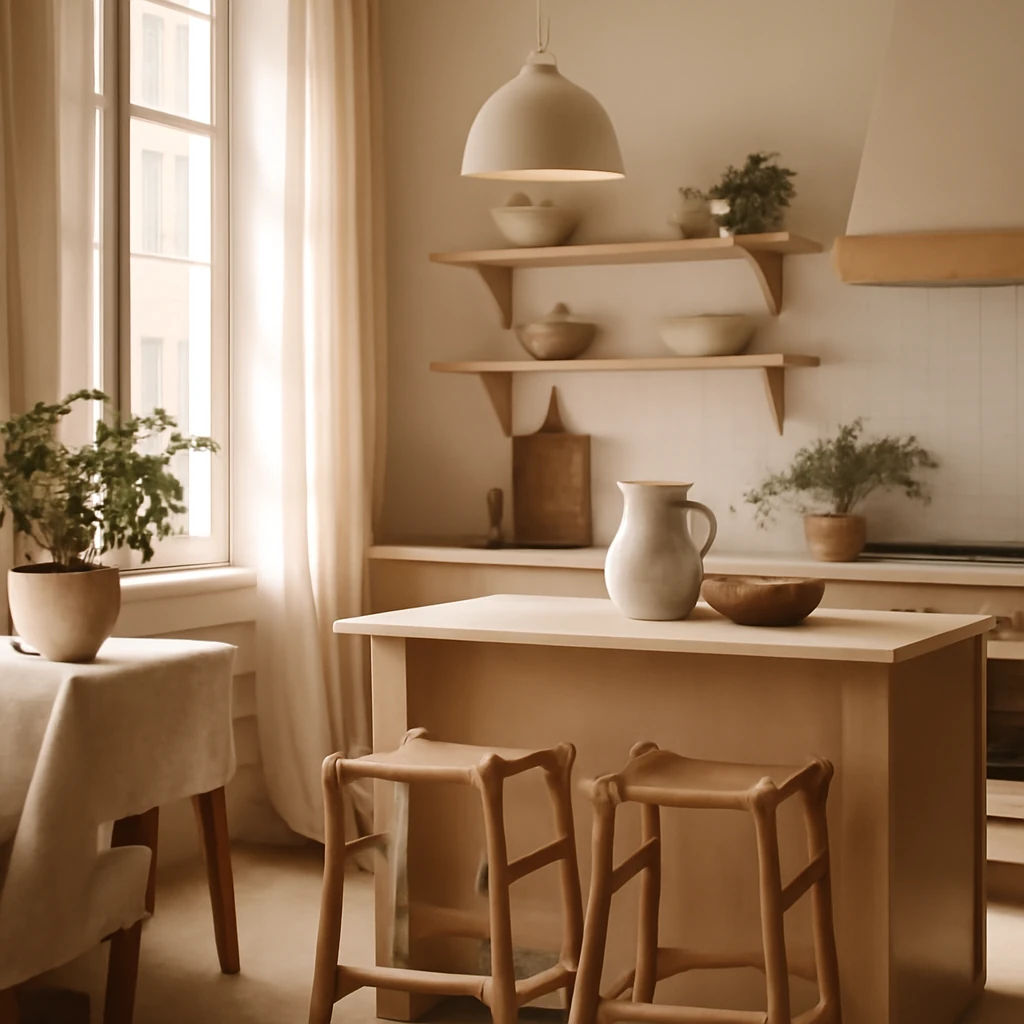
Introduction: The enduring allure of Scandi kitchens across Europe
Across Europe, the Scandinavian-inspired kitchen remains a benchmark for light, practical beauty. Its appeal lies not in fleeting trends but in a philosophy: spaces that welcome people, prioritise everyday ease, and rely on clean lines, natural materials and a calm colour language. A Scandi kitchen is not merely a place to cook, it is a centre for gathering, conversation and everyday rituals. In compact city flats and generous family homes alike, the aim is to create a bright, uncluttered heart of the home where cooking, dining and socialising happen with equal ease.
In this article we translate Scandinavian principles into a European context, offering practical guidance for designing kitchens that are timeless, functional and wonderfully comfortable to live in. We address layouts, finishes, lighting, storage and the nuanced ways colour and texture contribute to a warm, welcoming atmosphere.
Key traits of the Scandinavian kitchen
Bright light and a sense of air
Northern light is a guiding force in Scandinavian design. In many European climates, homes prioritise large windows, pale walls and a generous feel of airiness. The palette tends toward whites, pale greys and soft pastels, but it is never sterile. A truly Nordic kitchen embraces layered illumination: ambient lighting for mood, task lighting for preparation, and accents that highlight architectural details or focal points. In practice, this means a combination of ceiling fixtures, under-cabinet LEDs and pendant lamps over the dining area, all calibrated to a warm colour temperature so the space feels inviting rather than clinical.
In contemporary European kitchens, you will often find large window openings and minimally dressed fenestration to maximise daylight. This approach not only enhances visual comfort but also reduces the perceived size of the room, making even compact spaces feel more generous.
Air, order and functional organisation
Conceptually, Scandi interiors celebrate restraint. In the kitchen, this translates to smart storage and deliberately simple surfaces. The goal is to keep visible clutter to a minimum while ensuring every essential has a home. Storage typically relies on deep drawers, tall pantries and modular systems that extend up to the ceiling, sometimes complemented by open shelving that doubles as a display area for careful objects. The result is a kitchen that feels light because there is nothing extraneous in sight, yet remains highly practical for daily use.
Furnishings with slim, conical or tapered legs and minimalist forms contribute to the sense of lightness. Materials are honest and tactile, chosen for their longevity and ease of maintenance rather than decorative bravura.
Natural materials and tactile honesty
Natural timber is a cornerstone. Light oak, beech or ash veneers, in combination with clear Nordic finishes, create warmth without heaviness. In more rustic European settings, beech and ash can be complemented with stone or composite worktops to add durability and a touch of contrast. The grain of wood becomes a visual heartbeat of the kitchen, tying together cabinetry, seating and table surfaces with a cohesive, tactile rhythm.
The palette for timber is broad but restrained. The base is often pale, letting the natural warmth of the wood show through. Paired with stone or porcelain worktops and muted wall colours, it reads as timeless rather than trend-led.
The white base and its variations
A pale base is a practical choice in European homes, where interiors must adapt to changing light across the seasons. The classic Scandinavian kitchen leans on a white base, but not a flat, flat white. A stock of white with cool and warm undertones can be layered with greige, cream and soft pearl greys. In European homes, this approach remains versatile: it harmonises with natural materials, complements coloured accents and supports a wide range of decors from modern to country-inspired.
In practice, you may encounter a white base described as a Stockholm-white or a soft, warm white. The key is to maintain a subtle, not-blinding brightness and to allow texture - through timber, tile, or fabric - to lend character and depth.
Muted colour accents
To prevent a space from feeling clinical, Scandinavian interiors incorporate muted accents rather than bold, saturated tones. Think restrained reds, blues and greens, introduced through textiles, upholstery or cabinetry details. The effect is a calm, sophisticated palette that remains ever-fresh. In European projects, designers often use accent colours to delineate zones - an island, a pantry wall, or a dining nook - while keeping surrounding cabinetry quiet and cohesive.
Muted accents are not a single shade but a family of tones. A quiet blue-grey for the cabinet doors, a dusty olive for open shelving, or a warm terracotta for a small tile detail can provide personality without overpowering the space.
Timber and seating ethos
Even if the kitchen is kept monochrome, the presence of wood and light furnishings ensures warmth. Chairs with slender legs, a dining bench, or stools along an island contribute to the airy feel. The furniture language remains simple - fewer, better pieces that are comfortable to use and easy to care for - so the kitchen remains an inviting hub rather than a showroom.
Layout and zoning: the table as a social anchor
In many European contexts, the kitchen is merged with the living or dining area to create a social hub. A sturdy dining table or a compact island often acts as the primary zoning device, physically separating cooking activities from dining without interrupting the sense of openness. If space allows, a modest island with integrated storage can become a visual anchor and a practical collection point for containers, utensils and small appliances.
Where kitchens are linear or galley-style, tall cabinetry may reach the ceiling, but the upper run should feel light - either by leaving a slender gap beneath the ceiling or by using slim, open shelving in place of heavy wall cabinets. Such details reinforce airiness while maintaining capacity and practicality.
Configurations: linear, L-shape and open-plan hybrids
European homes vary greatly in plan, from long rows of apartments to compact open-plan living areas. The Scandi approach adapts well: a linear kitchen along one wall in a compact apartment, an L-shape for better corner use, or a more expansive plan where the kitchen blends seamlessly with the living room. The decisive factor is proportion: ensure there is an unobstructed walk zone, comfortable worktop depths, and enough room around the dining area to circulate and socialise.
Ceiling-height and top storage
Where ceilings permit, cabinets that run to the ceiling are common. This reduces visual clutter and increases storage capacity, while a lighter wall colour keeps the upper units from appearing oppressive. If full-height cabinetry feels too heavy for a particular space, consider alternating with open shelves or glass-fronted doors that reflect light and maintain openness.
Design rules for Scandinavian-style kitchens in Europe
Walls: light-reflecting finishes
On walls, light paint or wallpaper with a subtle pattern helps to illuminate the room. Plant motifs, delicate geometric patterns or faint marble textures work well if you want a little personality without overpowering the space. A rule of thumb is to keep walls light and let texture come from materials rather than ornate surface decoration.
- In smaller European kitchens, a pale base with a barely-there pattern can enlarge the feeling of space
- Avoid heavy, saturated colours on large wall surfaces, use them sparingly for zones or accents
Flooring: wood, wood-look or durable ceramic
Flooring choices in Scandi kitchens lean toward warmth underfoot and practicality. Engineered timber boards or wood-look porcelain provide resilience in busy households. The classic option remains a timber floor, however, the appearance is versatile enough to pair with tile, stone or concrete in European contexts. Large-format tiles in a neutral hue can mimic the calm of wood while offering durability in high-traffic zones.
- Wood-look floors in pale oak or ash create an airy foundation for light cabinetry
- Consider durable options with a subtle grain that masks footprints and smudges
White as a constant but not a cage
Although white remains a staple, modern European Scandi kitchens embrace soft colour in cabinetry bodies or integrated panels. The key is to keep furniture and surfaces clean and tactile - gloss is pared back, matt finishes preferred for a more forgiving, warm impression. The white base serves as a reliable backdrop for natural textures and coloured accents.
- Fasades with smooth, handleless edges or push-to-open systems contribute to a refined, uninterrupted surface
- Curated touches of colour - through textiles or a single-colour island - bring personality without overpowering the space
Countertops: timber warmth or stone clarity
Countertops in Scandinavian kitchens are typically timber or stone. Timber countertops celebrate the grain and warmth of natural material, while stone or solid-surface options such as quartz offer durability, stain resistance and a cool counterpoint to wooden textures. The choice often hinges on maintenance, budget and how the kitchen will be used. If timber is chosen, issues of moisture resistance and care should be considered, especially in European humid climates. When stone is used, selecting a tone that harmonises with cabinetry and the floor helps to knit the room together.
- The natural warmth of timber can be the defining feature of the work zone
- Stone surfaces provide durability and a crisp, contemporary edge
Backsplash: tiled or pared-back
Backsplashes remain a staple of European Scandi kitchens. Unlike some contemporary ultra-minimalist trends that forgo the splash altogether, tile remains a practical and expressive choice here. Options range from classic square tiles in white or pale greys to more decorative or textured patterns in subtle hues. The tile forms can be traditional or contemporary - honeycomb, herringbone, arabesque or rectangular runs - always chosen to complement the overall palette and the pattern of cabinetry.
- A tiled splash adds texture and visual interest without compromising the room’s light feel
- Keep grout tones pale to maintain a seamless, airy look
Lighting: layered, warm and adaptable
Lighting is a core instrument in the Scandi kitchen. A layered scheme includes a central ceiling fixture for general illumination, task lighting along work surfaces, and ambient or decorative lighting to sculpt mood. European homes benefit from warm-colour temperature lighting - roughly 2700–3000 Kelvin - to evoke a soft, candle-like glow. Dimmer controls are essential, allowing the light to adapt from bright cooking sessions to intimate dining moments.
- Uniform, warm lighting helps the timber textures read as intended
- Well-positioned task lights prevent eye strain during prep work
Appliances: integrated, efficient and unobtrusive
In Scandinavian kitchens, appliances are chosen for reliability and aesthetics as much as for function. Integrated units with clean fronts and a cohesive colour or metallic finish help maintain the calm, uninterrupted surface of the cabinetry. When visible, the range hood can be treated as a design feature that complements the overall palette rather than dominating the wall. In European homes with limited space, column refrigerators or compact dishwashers optimise the footprint without compromising performance.
- Choose a unified metal or colour finish for appliances to maintain a coherent look
- Hidden or concealed storage around the cooking zone keeps the area neat and efficient
Storage: hidden first, visible second
Storage strategy is fundamental to achieving a restrained, clutter-free kitchen. The preferred approach is hidden storage - deep drawers, pull-out organisers, and cabinets that extend to the ceiling - paired with selective open shelving for a few well-chosen items. The aim is to strike a balance: practical access for day-to-day items and display for chosen objects that contribute to the room’s character.
- Open shelving can be a visual counterpoint to closed cabinetry when used thoughtfully
- Keep rarely used items behind doors to sustain the clean, calm surface
Decor: restrained and tasteful
In Scandinavian kitchens, decor should amplify warmth and tactility rather than shout for attention. Natural textures, a few well-placed plants, and carefully selected textiles can elevate the space without clutter. Avoid over-decorating, the goal is a coherent, lived-in space where every element serves a purpose and contributes to comfort.
- A single colour accent in textiles or seating anchors the palette
- Plants or dried botanical elements bring life while remaining low-maintenance
European realities: applying Scandi principles to diverse homes
European dwellings vary from compact city apartments to generous family homes. The Scandi kitchen adapts with grace, offering a timeless toolkit rather than a rigid blueprint. In smaller flats, the emphasis is on light, storage density and seamless transitions between cooking and living spaces. In larger homes, the kitchen can act as a social hub with an expansive dining zone and an island that doubles as a rehearsal space for family life or entertaining guests.
When planning, consider the interplay of space, light and texture. The right floor plan can transform a cramped kitchen into a welcoming centre of activity. Subtle architectural details - a tall, light-reflecting cabinet run, a narrow strip of wall tiling, or a wood-toned island - can pull the room together while preserving the generous, uncluttered mood that defines Scandi design.
Practical strategies for European clients
- Start with light: choose wall and cabinet finishes that reflect daylight and resist looking tired as seasons change. A pale base with subtle warmth will stay fresh across years.
- Choose timber thoughtfully: a timber countertop or warm cabinetry can be the room’s backbone. If you opt for timber, select a finish that is robust and easy to maintain in a European climate.
- Mix closed storage with a touch of openness: hide everyday clutter behind doors and use shelves sparingly for curated objects that enhance the space rather than crowd it.
- Plan for flexible dining: a sturdy table at the heart of the kitchen area invites meals and conversations, making the space a true social hub.
- Layer lighting to suit every moment: ambient, task and accent lighting with dimmers lets the kitchen adapt from morning coffee to after-dinner ambience.
- Embrace colour strategically: let white be the base, but introduce muted colour accents in textiles, seating or cabinet details to add personality without overpowering the calm.
- Respect scale and proportion: in smaller rooms, prefer open shelving and ceiling-height cabinetry with minimal bulk to maintain airiness.
- Prioritise durability: European kitchens endure daily use, choose materials and finishes with longevity in mind to minimise upkeep and maximise satisfaction.
Practically speaking, a European Scandi kitchen is not about replicating a single look but about adopting a philosophy: clarity, warmth, and user-friendly design. It should feel light, but not clinical, contemporary, but comfortable, and most importantly, prepared to adapt to the rhythms of daily life in diverse European homes.
Conclusion: a timeless recipe for European homes
In the European context, the Scandinavian kitchen remains a universal template for success. It offers a principled approach to colour and materials, a disciplined yet organic layout, and a lighting strategy that makes every moment in the kitchen a pleasure. Whether you are renovating a city apartment or planning a new kitchen for a family home, the Scandi ethos - light, function, natural textures and restrained detail - provides a reassuring route to a space that is both beautiful and profoundly usable. By embracing these elements and adapting them to local climate, space and lifestyle, you can craft a kitchen that continues to feel fresh and relevant, long after the latest trends have passed.
You may also like these articles
 Tips & How-To
Ten bathroom plants for a lush tropical vibe across Europe
Revitalise small bathrooms with robust, low-light tropical plants.
Small Spaces
30 m², Made Brilliant: Design Strategies for Compact European Homes
Smart storage, zoning, and lighting ideas that transform 30 m² into comfortable, stylish living.
Tips & How-To
Mastering the European formal table setting: etiquette, arrangement and refined decor
A practical guide to European-style formal dining for stylish, comfortable tables.