
Explore interior trends, AI design insights, styling guides and real transformations
Timeless Comfort in the European Living Room: Smart Investments for 2026
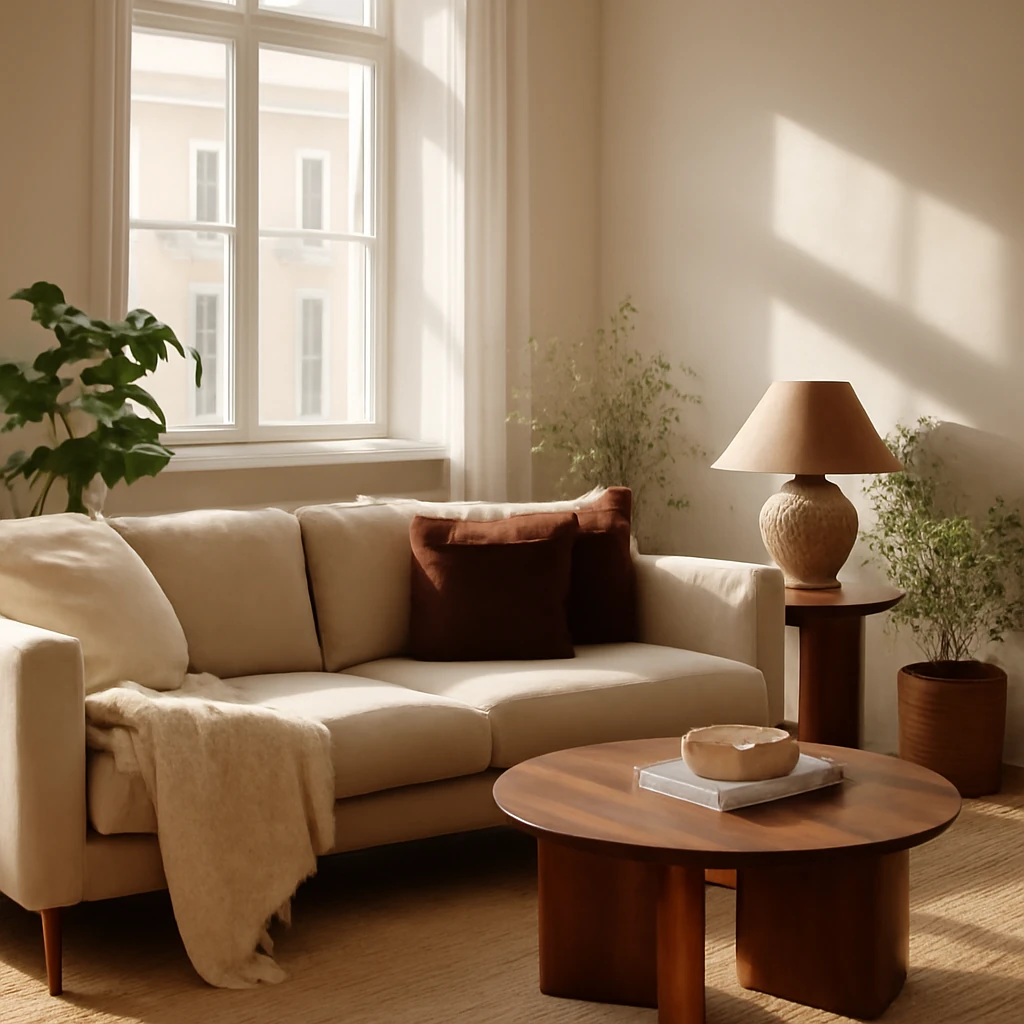
Introduction: the living room as a long-term investment
Across European homes, the living room remains more than a formal reception area, it is the daily theatre for family life, work, rest, and social connection. As we move through 2026, design practitioners emphasise that lasting comfort emerges from a deliberate union of artisan craft, intelligent technology, and a narrative that ages with grace. The most prudent investments are not merely decorative but fundamentally functional: spaces that support daily rituals with ease, where materials gain character with use, and where light, texture, and acoustics cooperate to promote focus, relaxation, and sociable moments. This article distills insights from seasoned European design professionals who prioritise quality, longevity, and a thoughtful balance between budget, climate, and lifestyle within different living contexts - from compact city flats to generous period rooms. The guiding principle is clear: invest in the elements that define everyday comfort, and treat the living room as a living system rather than a collection of fleeting fashions.
In practice, the European living room often negotiates a blend of old and new. Designers champion a measured approach to procurement: high-impact pieces that endure, paired with durable fabrics, repairable hardware, and behind-the-scenes technologies that remain discreet. Texture, colour, and light are not afterthoughts but core strategies that determine how long a space feels inviting and useful. This article explores five expert perspectives that illuminate how to allocate resources wisely, how to align design with climate and energy regulations, and how to cultivate interiors that feel both contemporary and timeless.
Although tastes vary from the sheltered courtyards of southern cities to the open plans of northern towns, the shared aim is universal: a living room that performs well in daily life, respects the environment, and remains relevant for years to come. The ideas presented here are formulated to be adaptable across European contexts, acknowledging different building typologies, energy standards, and cultural preferences without relying on specific brands or regional quirks. The result is a practical, human-centred framework for investing in a living room that can be remodelled, refreshed, or enlarged as family life evolves.
Craft and craft-led timelessness: the value of handmade pieces and vintage assets
Quality craft stands as one of the most durable investments in any living room. Handcrafted elements - whether an intricately carved console, a hand-stitched sofa, or a bespoke joinery detail - bring warmth, tactility, and a sense of continuity that mass-produced items struggle to emulate. In the European design milieu, there is a strong preference for blending vintage or antique pieces with contemporary systems. This approach creates a layered interior that carries the energy of the past while accommodating the needs of modern life, such as concealed technology, adaptable lighting, and efficient climate control.
Craft-based investment is not solely about aesthetics, it is about longevity and repairability. Bespoke joinery with sturdy frames, natural finishes, and durable upholstery can be refurbished, reupholstered, or reconfigured for new uses over time, preserving value and reducing the need for frequent replacement. When selecting artisanal pieces, designers prioritise materials with honest textures - solid wood, brass, natural stone, and hand-woven textiles - and seek sources with transparent manufacturing processes and traceable provenance. The most successful European living rooms feature one or two standout handmade items that act as anchors for the room’s narrative, complemented by other pieces chosen for their durability and ease of maintenance.
Beyond individual objects, craft informs a broader philosophy: the integration of traditional know-how with modern efficiency. For example, carefully designed timber elements can bridge old-world charm with contemporary living through joinery that hides technology inside. The outcome is a space where the past is legible but not overpowering, where luxury feels earned rather than ostentatious. This balanced approach supports not only the room’s aesthetics but also its resilience, repairability, and ability to adapt to changing needs without significant reworking of the core architecture.
In practical terms, a wise craft-led investment plan often allocates a meaningful portion of the budget to one or two signature handmade pieces, while ensuring the rest of the space relies on high-performing materials and modular systems. The goal is to cultivate a sense of depth - the feeling that the room has grown with its inhabitants - rather than a collection of transient objects that quickly look dated.
Soft seating as the heart of the room: comfort, conversation and modular adaptability
The soft group - the sofa, complemented by armchairs, poufs, and a cohesive coffee-table ensemble - occupies a central place in the living room. In European practice, the soft seating configuration is treated as the room’s emotional core, anchoring conversations, family rituals, and moments of quiet retreat. When space allows, designers advocate a generous sofa paired with additional seating that accommodates different social scenarios: intimate chats, group gatherings, or sprawling movie evenings. The orientation and geometry of the seating should encourage eye contact for conversation, while also ensuring that the television or panoramic vista remains within view without creating a cluttered or forced layout.
Quality seating is defined by more than comfort. Look for seating with solid frames, springs that retain support, and fabrics or leathers that resist wear and staining. Durability matters, but so does comfort: seat depth, back support, and seat height contribute to long-term satisfaction. Modular options offer flexibility in smaller homes or evolving families, allowing components to be rearranged as needs change or spaces redefined for work, play, or socializing. Thoughtful layout should consider traffic flow, access to natural light, and the ability to reposition furniture for different events - from a cosy movie night to a dinner party.
Complementary pieces - armchairs, ottomans, and coffee tables - should be scaled to the sofa and to the room’s proportions. A small collection of well-chosen tables can be positioned to serve multiple functions: a place for tea, a slim desk for a laptop, a display surface for books, or a holder for warm lighting. The arrangement should facilitate conversation and also support moments of rest, with the sofa angled or oriented to face the most meaningful focal point - whether that is a view, a screen, or a feature wall with texture and colour. Acoustics play a role here: soft textures such as wool, velvet, or boucle help absorb sound, creating a more intimate environment that feels calm rather than echoey.
Lighting strategy is integral to the seating zone. A layered approach - ambient light that bathes the room, task lighting for reading, and decorative accents that sculpt the space - allows residents to modulate mood and function. Dimmable controls and compatible smart systems enable precise adjustments as daylight shifts throughout the day. The result is a living room that remains comfortable and sociable regardless of the hour, weather, or the number of guests in attendance.
Ultimately, soft seating is the room’s conscience: an inviting invitation to slow down or to gather, executed with materials, proportions, and textures that endure. The investment in the right sofa and companions yields returns well beyond the initial outlay: daily comfort, flexible usage, and a sense of generosity that anchors a home for years to come.
Views, windows and the architecture of the frame: investing in the panorama
In many European contexts, the view from the living room is a decisive design determinant. Large, well-proportioned windows not only flood the space with daylight but also establish a dialogue between interior and exterior - a relationship that shapes furniture placement, wall colour, rugs, and even ceiling treatments. When contemplating a significant investment, designers emphasise prioritising the panorama and the performance of the window system. A broad, uninterrupted sightline can transform how a room feels, guiding decisions about scale, orientation, and material choices for surrounding finishes.
From an architectural standpoint, the emphasis is on window profiles, glazing quality, and the ability to control glare and heat gain. In energy-conscious markets, triple glazing with low-emissivity coatings, well-insulated frames, and robust seals contribute to both comfort and running costs. Profiles should be slim enough to preserve sightlines while providing the necessary structural integrity. The interior strategies should also consider the zoning of shading - external blinds, internal screens, or intelligent glazing that modulates transparency with time of day and occupant needs. A window that merges seamlessly with the floor and surrounds can become a stage for daylight, turning the room into a theatre of natural light and changing colours as the sun moves across the sky.
Beyond material choices, the panorama informs practical layout decisions. Furniture should be arranged to frame the view, not obstruct it. A sofa aligned to highlight a distant skyline or an apartment courtyard can become the room’s focal point, while the rest of the furniture is positioned to support conversation and restful viewing. In urban settings, where noise can intrude, acoustic strategies - such as dense textiles, bespoke wall panels, and carefully placed soft furnishings - help preserve a sense of calm that complements the external scenery. Additionally, heating strategy in the window zone deserves attention: underfloor heating aligned with the floor finish can read as a continuous surface, contributing to the room’s architectural language instead of feeling like an add-on. Ventilation and climate-control systems should be discreetly integrated to maintain air quality without interrupting sightlines or interior geometry.
A well-considered view is not purely about the outside, it also shapes the interior’s atmosphere. The use of colour, texture, and light can be tuned to harmonise with the external landscape, whether the vista is a harbour, a park, or a cityscape. In this way, the investment in the panorama becomes a holistic design decision that feeds the room’s mood, perception of space, and overall sense of wellbeing.
Intelligent lighting and light scenography: the architecture of atmosphere
Lighting in premium European interiors functions as architecture in its own right. Rather than a single afterthought, lighting is integrated into the building’s fabric: layers of light create depth, texture, and flexibility. The three foundational layers - ambient, task, and accent lighting - work together to define space, guide activities, and reveal material beauty. As technology has evolved, networks of intelligent lighting controls enable scenes that respond to time of day, activity, and mood, delivering a sense of seamless orchestration rather than mechanical automation.
The most sophisticated schemes are not merely about convenience, they shape perception. Subtle, warm ambient light can soften a room’s scale, while crisp, cool task lighting supports reading and work. Accent lighting highlights architectural features, art, and texture, turning walls and surfaces into living canvases. Professionals emphasise the importance of colour temperature management across zones to maintain visual harmony, daylight-mimicking LEDs and tunable white lighting help preserve circadian rhythm and comfort, especially in homes with long evenings or limited natural light.
Dynamic shading and glass technologies are increasingly integrated with lighting. Electrochromic glazing, automated blinds, and motorised curtains enable a controlled daylight experience, reducing glare while preserving the view. In practice, lighting controls are designed to be intuitive, with scenes that resemble natural light progression - sunrise, daylight, golden hour, and evening glow - so that residents can switch moods with a tap or a voice command. Importantly, the best installations feel human-first: the technology is there to serve wellbeing, not to dominate the room’s personality.
Alongside technological sophistication, the true artistry of lighting lies in its ability to reveal and sculpt textures. A well-lit velvet armchair, a stone hearth, or a timber grain can be read anew as light shifts. The goal is to achieve consistent brightness across zones while preserving a sense of intimacy as daylight fades. When executed with care, lighting becomes the room’s conductor, orchestrating comfort, focus, and sociability across the day and into the night.
Natural materials, stone, timber and plaster, art as an investment
Material authenticity is a cornerstone of enduring European design. Natural stone, substantial timber floors, lime plaster walls, and breathable surfaces create tactile luxury that remains relevant as trends change. The sensory experience - the coolness of stone, the warmth of timber, the subtle texture of plaster - contributes to perceived value and to daily contentment. These materials age gracefully, developing a patina that tells the room’s story and reinforces a sense of heritage. When used thoughtfully, natural materials elevate the entire interior, marking it as a space of quality that can be maintained and repaired rather than discarded when fashions shift.
In addition to material choice, art and sculpture play a pivotal role in enriching the living room. Paintings, tapestries, handcrafted textiles, and well-chosen rugs anchor spaces with cultural resonance and narrative depth. Art should be selected with long-term consideration: it should reflect the client’s personal story while offering lasting presence and provenance. In European contexts, this often means prioritising timeless pieces, supporting artists with distinctive voices, and ensuring display and lighting conditions preserve integrity and viewing comfort. A well-chosen artwork does more than decorate: it communicates identity, values, and an ongoing conversation with history.
To maximise value, interiors should balance scale, proportion and material continuity. The best rooms marry stone, timber, and plaster with carefully crafted details - concealed hardware, hand-finished edges, and joinery that can be easily repaired or refreshed. Textiles - rug fibres, upholstery fabrics, and window coverings - should be selected for durability, washability and a tactile harmony with other surfaces. The result is a space that feels curated, yet lived-in, luxurious, but not precious, bold in character, yet quiet enough for daily rituals to unfold without fatigue.
Art and materials together are a compelling investment strategy because they retain value, adapt to use over time, and contribute to a sense of cultural richness that resonates across generations. This is why many European designers advocate for a deliberate, thoughtful approach to art purchases and to material palettes: prioritise quality, provenance, and the potential for maintenance and restoration, rather than chasing trend-led novelty alone.
Bringing together the threads: a holistic European approach
Across Europe, the most successful living-room projects weave together craft, comfort, light, and panorama into a cohesive system. Rather than chasing short-term fashions, contemporary design recognises that a living room must support daily rituals, family life, and meaningful social exchanges. The consensus among experts is clear: a well-structured budget that prioritises a few high-impact elements, paired with durable materials and smart technologies, yields the strongest long-term value.
Key principles include staged investment, sustainable practices, and adaptability. A living room should evolve with its inhabitants: a modular sofa today can accommodate a growing family, a bespoke media cabinet might be reconfigured for new equipment, lighting scenes can be reprogrammed to suit seasons or events. Above all, focus on comfort, health, and quiet luxury: a modern European living room that remains welcoming, functional and stylish for decades rather than seasons. This approach respects regional differences in housing stock - from compact city flats to restored townhouses - while maintaining a universal commitment to quality and timelessness.
Practical guidance: implementing in European homes in 2026
To translate these principles into concrete projects, designers recommend a structured, staged process that balances aspiration with feasibility. Begin with a realistic assessment of the living room’s assets and constraints: room proportions, window placement, acoustic qualities, and daily usage. From there, allocate the budget across core pillars: seating comfort and fabric performance, the quality of the view and window infrastructure, architectural detailing, lighting and acoustics, and art and natural materials. The following extended guidelines provide a practical framework for applying these ideas in diverse European contexts:
- Prioritise seating comfort and durability: invest in a high-quality sofa with a solid frame, robust upholstery, and generous seat depth. Consider modular configurations to adapt to evolving needs and pair with a curated selection of armchairs and a coherent coffee-table group that supports flexible conversation.
- Maximise the value of the view: select windows with strong thermal performance, slim sightlines, and appropriate shading solutions. Plan the layout so furniture frames the external panorama and enhances daylight without glare. Where possible, integrate underfloor heating to maintain a seamless floor finish and to avoid radiator clutter near windows.
- optimise ventilation and air quality: install a balanced, concealed ventilation system with efficient filtration and quiet operation. Prefer ducted solutions that minimise visible hardware while delivering even air distribution and maintaining indoor comfort all year round.
- Design lighting as architecture: layer ambient, task, and decorative lighting. Programme scenes that respond to time of day and activity, and ensure consistent dimming and colour-temperature control across zones to preserve visual harmony as the room transitions from day to night.
- Invest in materials with enduring value: choose natural stone, timber, lime plaster, and other authentic finishes that age gracefully and withstand maintenance. Pair these with hand-crafted surfaces and high-quality textiles to build a sense of sophistication and tactility throughout the space.
- Incorporate art thoughtfully: curate artworks, textiles, and artefacts that reflect the client’s story and offer lasting resonance. Ensure proper display lighting, framing, and preservation considerations so that pieces can be enjoyed for generations.
- Plan for flexibility and growth: build a design that can adapt to changing needs - children’s growth, a home office element, or different entertaining formats. Keep electrical and data provisions adaptable, with concealed channels and modular solutions that can be reconfigured without compromising aesthetics.
- Account for sustainability and maintenance: select finishes and materials with low environmental impact, implement durable coatings and easy-to-clean surfaces, and design for repair rather than replacement. This approach supports lower life-cycle costs and aligns with broader European sustainability goals.
- Foster a cohesive palette: unify materials, textures, and colours across furniture, architectural details, and textiles so that changes over time feel intentional rather than abrupt. A thoughtful palette helps the space breathe and age with confidence.
- Engage professional oversight: involve experienced designers early in the process to harmonise structural, mechanical, and aesthetic decisions. A coordinated team can translate ambitious visions into practical, cost-controlled outcomes that respect local building codes and energy standards.
By implementing these strategies in a phased manner, European living rooms can maintain relevance and comfort for years to come, while accommodating personal interpretation and regional influences. The result is a home that feels curated, coherent, and genuinely welcoming - a space that remains attractive to inhabitants and adaptable to changing circumstances.
You may also like these articles
 Trends
Minimalism in European Interiors: A Timeless Guide to Calm, Textured Spaces
A practical guide to minimalist interiors across Europe.
 Interior Design
Scandinavian Interiors for European Homes: Light, Texture and Practicality
A practical, light-filled guide to Nordic-inspired interiors across Europe.
Tips & How-To
10 Smart Ergonomic Wardrobe Strategies for European Homes
Master an organised wardrobe with 10 practical, space-saving strategies.