
Explore interior trends, AI design insights, styling guides and real transformations
Creating a Calm yet Dynamic Teenage Boy’s Room: Zoning, Colour and Flexible Furniture Across Europe
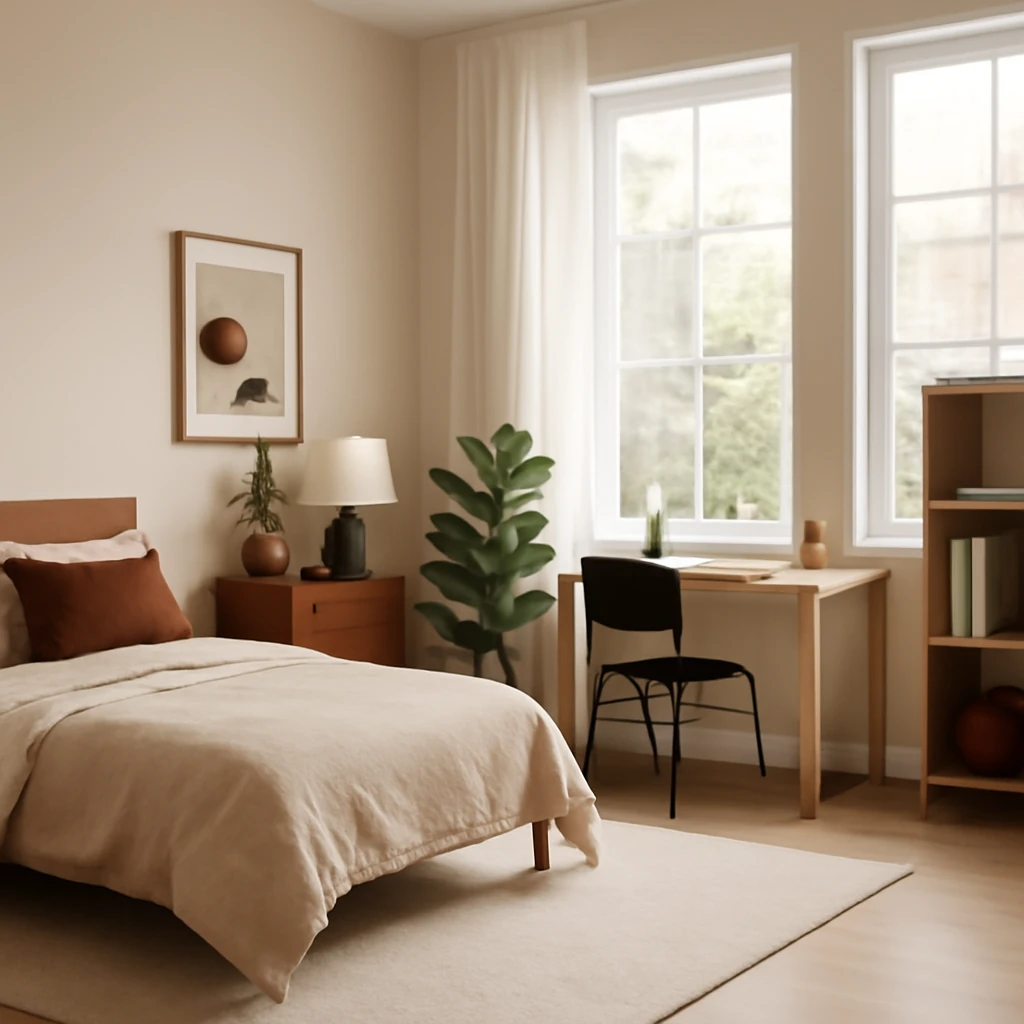
Introduction: a teenage room as a personal laboratory
Designing a room for a teenage boy is a delicate balance between practicality and personality. The space must support study, rest, and recreation, while reflecting the young person’s evolving tastes. Across Europe, families increasingly seek rooms that adapt as today’s teen grows into tomorrow’s young adult. The aim is a calm, cohesive environment that can be reconfigured with minimal effort and cost - without compromising on comfort, durability or style.
In this guide we explore zoning, furniture that grows with the occupant, colour strategies, and decor choices that celebrate hobbies and individuality. We’ll present universal principles suitable for a wide range of flats and homes - from compact city apartments to generous family residences - while avoiding overly prescriptive trends. The goal is a timeless, flexible scheme that feels right for a European home.
Zoning the room: carving out dedicated zones for work, sleep, play and storage
Effective zoning begins with clear functional areas. A well-planned floor plan helps a teen stay focused, facilitates organisation and preserves room for social life with friends. In small rooms you can separate zones by furniture orientation rather than by walls: place a desk near a window for natural light, tuck a bed into a quiet corner, and create a distinct leisure area with a comfortable chair or modular seating.
If siblings share a room, consider vertical or functional separation. A compact double bed with an integrated wardrobe or a raised bed with storage beneath can create personal zones without crowding the room. In larger spaces, think of two distinct zones within one room: a sleeping/working area and a dedicated play or relaxation corner, connected by consistent materials and colour so the whole space reads as one cohesive design.
The study zone: a focused, book-friendly workspace
Today’s teenage studying requires organisation for papers, gadgets and power. Allocate a sturdy desk with a generous work surface and a comfortable chair that supports good posture. Consider built-in or modular arrangements that can adapt to changes in study habits - e.g., a desk that can couple with a window seat, or a wall-mounted workspace that keeps floor space free for other activities.
Key considerations:
- Electrical access: ensure multiple outlets within reach of the desk, plus charging points for devices.
- Lighting: a combination of natural daylight, a task lamp, and a secondary ambient light to reduce eye strain.
- Storage: back-of-desk drawers or a small filing system for worksheets, notebooks, and tech accessories.
- Flexibility: a freestanding desk that can be moved or rotated to suit different layouts, or a compact integrated solution that blends with architectural features such as a window sill or alcove.
Desk options that grow with the user
Choose desks with adjustable heights or a modestly adjustable ergonomic ratcheting chair. For larger rooms, a two-part approach can work: a primary, ergonomic desk paired with a secondary, smaller surface for quick tasks or for gaming and creative work. In European homes, built-in solutions around a window seat or under a bay window are popular for saving space and adding a cosy corner for reading between study sessions.
The sleeping zone: a bed that embraces growth
As teens grow, their sleep needs change. A bed that serves well through the early teen years may feel undersized later, so opt for a full or near-full size rather than a junior bed. A 90x200 cm bed is a practical standard that accommodates a tall teen, with a mattress offering adequate support. Consider under-bed storage drawers or a platform with built-in drawers to maximise room for clothes, linens and seasonal gear.
Hidden storage and multi-function furniture
In European flats, floor space is precious. Sleep solutions with integrated storage help maintain order while conserving visual calm. For example, a bed frame with drawers underneath or a storage headboard can reclaim essential space for outfits, shoes and bedding. If the ceiling height allows it, a raised bed or a mezzanine design can be a smart solution in larger rooms, creating a dedicated rest area and a separate study zone below.
The leisure zone: space for hobbies, sport and digital life
A teenage room often doubles as a sanctuary for passions. You might carve out a corner for sport, music or gaming, or create a flexible zone that can host a range of activities. The key is to choose furniture and layout that are adaptable, robust, and easy to clean.
Ideas for this zone include:
- A sturdy wall-mounted guitar or instrument case display for a musician.
- A compact gym area with a punch bag, a foldable treadmill, or a pull-up bar, paired with a protected floor surface.
- A large screen or projector setup with a comfortable seating option, such as a modular sofa or a couple of floor cushions that can be rearranged for friends’ gatherings.
Seating and soft furnishings
A light, easy-to-clean chair or a low-sofa with wipeable coverings is practical for long study sessions or relaxed gaming. Avoid bulky seating that dominates the room, instead, opt for modular pieces that can be rearranged to suit the activity. Lightweight stools or poufs without arms can be moved easily and provide additional surface on demand.
The storage zone: keeping the room organised without stifling personality
Organisation is essential for teenage spaces. Plan storage that can accommodate clothing, books, games, equipment and personal memorabilia. A combination of closed wardrobes for clothes, open shelves for displays and a few wheeled drawers for quick access to odds and ends helps reduce clutter and keeps surfaces clear for study or creative work.
Practical tips:
- Use shallow open shelving for frequently used items and deeper drawers for folded clothes or bulkier items.
- Group storage by function: one zone for clothing, another for media, another for technical peripherals.
- Keep parts of the room visually calm with uniform storage finishes, consider a neutral base and decorative accents in textiles or posters.
Colour and materials: calm bases with expressive accents
Colour choices influence mood and focus. For teenagers, a calm base palette of whites, greys, beiges and warm woods provides a sophisticated backdrop that is easy to live with and easy to refresh. Intense or overly saturated hues can be fatiguing over time, especially in a room used for long study sessions. Instead, use colour strategically through textiles, wall art, soft furnishings and small decorative elements.
Across Europe, a restrained base allows the teen to experiment with accent colours that can be updated seasonally. Consider the following:
- Walls: soft matt whites or pale greys create a luminous, distraction-free canvas.
- Furniture: choose durable woods or wood-finish laminates with soft corners for safety and a welcoming look.
- Textiles: introduce colour with a rug, cushions, curtains or a statement throw, this makes it easy to re‑brand the room without reworking major elements.
- Textures: mix natural materials such as wool, cotton and linen with metal or resin accents to add depth and tactility.
Adapting palettes to space and light
In northern and central European flats with limited natural daylight, lighter walls paired with warm wood tones can brighten the space and keep it feeling open. In sunlit southern homes, deeper accents can create a grounded, sophisticated mood without overwhelming the senses. Always test paint and fabric swatches in natural light and with different artificial lights to ensure the palette remains balanced throughout the day.
Room styles that fit teenage boys: from modern to loft and beyond
Modern/contemporary: functional and understated
Modern teenage rooms emphasise clean lines, concealed storage and ergonomic furniture. The aesthetic remains comfortable and practical, with soft curves and gentle textures to create a welcoming atmosphere. The emphasis is on quality, longevity and ease of maintenance rather than ornament.
Scandinavian: light, airy and natural
Scandinavian design remains popular for adolescent spaces due to its light, breathable feel and focus on natural materials. Pale timber, white walls and restrained colour accents create a calm environment that supports concentration and creativity. Plants, tactile textiles and handmade objects are ideal for adding warmth and personality.
Loft/inustrial: urban edge with warmth
For teens seeking a bolder, more expressive environment, the loft aesthetic offers texture and character through exposed brick, metal finishes and raw timber. Balance the harder elements with soft textiles and a cohesive colour plan to prevent the room from feeling cold or clinical.
Minimalist: simplicity with personalised detail
Minimalism can work well for teens who value order and focus. The approach relies on a restrained palette, concealed storage and a few well-chosen statement pieces that reflect the teen’s interests. The key is to maintain warmth and personality through materials, textures and light rather than visual noise.
Other contemporary options
Beyond these, many European homes explore eco-friendly, biophilic or neoclassical-inspired approaches to teenage spaces. A neutral frame with a generous amount of natural light, layered textiles and a few distinctive accents - such as a wall mural, a map or a curated collection - can create a space that ages gracefully with the occupant.
Furnishings that support growth and responsibility
The essential furniture for a teenage room should be robust, growth-ready and easy to maintain. Prioritise quality over quantity and choose pieces that can be reconfigured without major renovations.
Beds with integrated storage or under-bed drawers
A bed with built-in drawers or a headboard with shelving saves space and supports tidy daily routines. If space allows, consider a platform bed with a shallow headboard for a sleeker look or a storage-friendly bed that can accommodate seasonal clothing and bedding without cluttering the room.
Desk with adjustable height and ergonomic seating
Choose a desk that can be height-adjusted to match the teen’s growth, paired with a chair that supports healthy posture. A desk width of about 120–140 cm provides ample space for a computer, notebooks and reference materials, while maintaining comfortable legroom. An armless chair or one with a minimal profile helps prevent crowding the workspace.
Wardrobes and storage systems that adapt
For growing wardrobes, opt for modular systems with adjustable hanging heights and flexible drawer configurations. Include a dedicated space for shoes, accessories and sports gear. If possible, use modular components that can be reconfigured as needs evolve, rather than investing in a full replacement later.
Desks, seating and occasional furniture
In addition to the main desk, include a secondary surface for quick tasks or leisure. Lightweight seating, such as a compact armchair or a pouf, can be scaled up for social time yet be tucked away when not required. For reading corners, choose a comfortable chair with a durable upholstery that cleans easily.
Lighting and electrical planning
Layered lighting is essential. Combine ambient ceiling lights with task lighting at the desk and a floor or table lamp in the leisure zone. Plan ample sockets for charging devices, gaming consoles and audio equipment, with concealed cable management to keep surfaces tidy and safe.
Thematic decor and personalisation: reflecting hobbies without clutter
A teen’s room should be a stage for personal expression without becoming a shrine to a single passion. The decor can be themed around music, sport, travel, or science, but maintain a cohesive base to avoid visual chaos. Photos, posters and memorabilia should be curated and rotated periodically to keep the space fresh and relevant to the teen’s current interests.
Display ideas that stay organised
Use dedicated display zones for medals, trophies, plaques or laminates. Open shelves are great for items the teen wants to showcase, while keeping a tidy look requires limiting the number of visible objects and pairing them with neutral backgrounds. A world map or a large poster with a map theme can function as both decor and a learning tool, making the room feel pragmatic and inspiring.
Seasonal refresh without a full redo
Instead of reconfiguring the entire room each year, refresh through textiles, soft furnishings and wall art. A new throw or rug, a different cushion palette, or a refreshed poster collection can transform the space while preserving the core layout and investment in furniture.
Age-specific considerations: adapting the room as interests evolve
Design for a teen aged around 15 and older
By about 15, many young people crave greater control over their environment. Involve them in the decision-making process - from colour selections to furniture arrangements. A mature approach to decor can help them express identity while maintaining a calm, functional space conducive to study and social life. Propose a few layout options and let them choose, ensuring the final scheme remains cohesive with the room’s overall proportions and light levels.
Design for younger teens, 12–14 years
Interests in this age group can shift quickly. A neutral backdrop with flexible, modular pieces enables easy updates. For walls, a light foundation with geometric wall art or a three‑dimensional feature panel can add depth without committing to a single theme. Textiles and removable decals offer a simple path to change as tastes evolve.
Practical design tips: guidance from industry professionals
- Engage the teen in the planning process. A space that reflects their preferences fosters responsibility and comfort.
- Balance bold colour with a calm base. Use saturated accents sparingly on textiles and decorative items to avoid overstimulation during study time.
- Prioritise durability and ease of maintenance. Durable finishes, wipeable fabrics and robust hardware withstand active teenage life.
- Plan for clutter control from day one. A well-thought storage system reduces daily friction and helps sustain a tidy environment.
- Think adaptably. Choose furniture and layouts that can be reconfigured as the teen grows or as hobbies change.
For inspiration, seek examples of European interiors that balance practicality with personality. A well-considered teenage room is not only a place to sleep and study, it’s a retreat that supports independent living and personal growth.
You may also like these articles
 Colour & Materials
Sonoma Oak in Interiors: How to Use and Pair It Across European Homes
A practical guide to using Sonoma Oak in European interiors.
Tips & How-To
Ten dangerous houseplants and how to keep your home safe
Dangerous houseplants: safety-first guide for European homes
Interior Design
Italian Style Interiors: Warm Mediterranean Elegance for European Homes
Italian-inspired interiors blend warmth with timeless elegance across Europe.