
Explore interior trends, AI design insights, styling guides and real transformations
Japandi Interiors: Calm, Functional Minimalism for European Homes
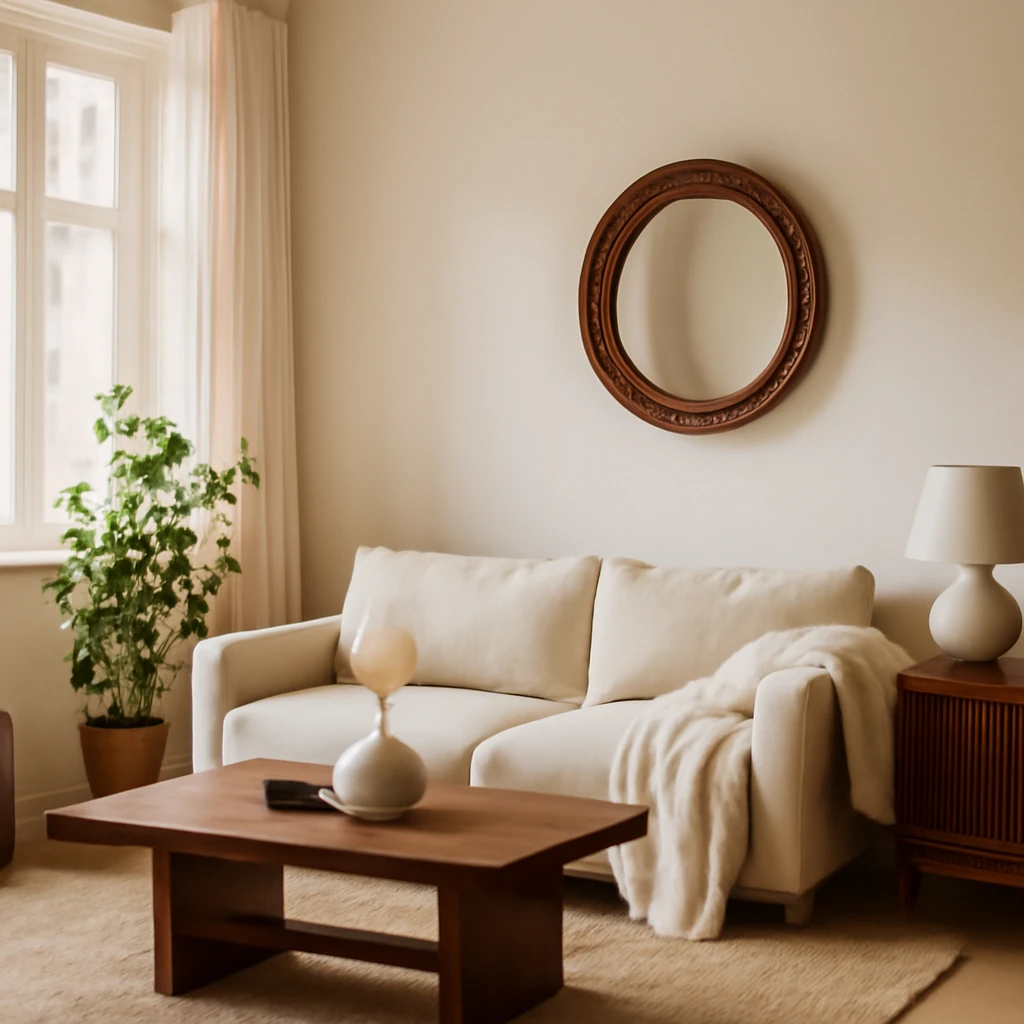
Japandi in European Homes: The Quiet Revolution in Interiors
Japandi has emerged as one of the most enduring interior trends across Europe. A refined fusion of Japanese restraint and Nordic warmth, it offers a serene palette, purposeful layouts and materials that age gracefully. While it began as a cross-cultural idea, in practice Japandi has been adapted to diverse European contexts - from compact city flats to renovated lofts and contemporary houses across the continent. The result is a design language that feels calm, timeless and surprisingly adaptable to a wide range of architectural styles and climates.
In this article we explore how Japandi translates to European homes, what makes it work in everyday living, and how to approach it with a practical mindset. We will look at the core principles, the materials and finishes that age well, room-by-room considerations, and concrete steps for achieving a balanced, serene home without sacrificing comfort or practicality.
What makes Japandi distinctive
At its heart, Japandi is not a collection of borrowed accents but a cohesive philosophy: simplicity with warmth. It blends the crisp restraint of Japanese design with the humanism of Nordic living. Think pared-back silhouettes, natural textures, and a generous amount of daylight bathed in a soft, earthy palette. The resulting spaces feel uncluttered yet welcoming, functional yet beautiful, and above all, serene enough to serve as a retreat from the bustle of urban life.
In European contexts, Japandi is less about recreating a style in a literal sense and more about adopting a mindset: design that supports daily life, with materials and construction that stand up to wear and change. It is equally at home in a newly built apartment, a renovated maisonette, or a rural villa that embraces minimalism without sacrificing warmth.
Core principles: form, function and fluency
Function first, aesthetics second
In Japandi interiors, every object has a purpose and its place. If a screen partitions a space or a low cabinet hides away essentials, these elements are chosen for practical reasons as much as for their aesthetic presence. The result is a space that reads calm and coherent, where decorative touches do not overwhelm but reinforce the layout and usability of the home.
The practical mindset suits European living particularly well. In dense urban settings, rooms are frequently multifunctional. A living area doubles as a workspace, a dining area doubles as a study corner. Japandi supports these needs by prioritising efficient layouts, built-in storage and adaptable furniture that remains comfortable and stylish as life changes.
Ergonomics and comfort
Low-profile furniture is a hallmark, but comfort is never sacrificed for the sake of minimalism. The aim is to choose pieces that match the inhabitants’ height and posture, with generous seat depths, supportive backs and seating that invites relaxation. In many European homes, this means platforms or low-profile sofas with natural upholstery such as linen or leather, paired with cushions that add tactility without visual clutter.
The result is a space that feels grounded and easy to inhabit. It is not merely a display of restraint but a living environment that supports daily routines and long evenings spent at home with family or friends.
Durability and longevity
Durability is a practical virtue in European interiors. Japandi favours materials that age gracefully and can be repaired or refreshed with ease. A well-made wooden sofa frame, a durable leather or natural fabric upholstery, and solid timber furniture with simple joins can last for decades. Scratches and patina are seen as part of a furniture’s story, not as flaws to be hidden. This approach aligns with a growing appreciation for sustainable design and responsible consumption across Europe.
Where possible, designers prioritise repairability: replaceable legs, modular storage, and finishes that can be refreshed without complete replacement. In practice, this translates to simpler joinery, clearances for air movement, and surfaces that tolerate small marks and fingerprints without appearing worn.
Natural textures and materials
Naturality is non-negotiable in Japandi. A European interpretation embraces a spectrum of textures drawn from wood, stone, clay, linen, wool and cotton. The palette remains restrained: warm whites, soft greys, stone hues and pale organic tones that echo natural light throughout the day. The mix of materials is deliberate, balancing the coolness of concrete or metal with the warmth of timber and textiles, so the room feels both contemporary and inviting.
Wood species common in European interiors - oiled oak, ash, beech and pine - work beautifully in Japandi schemes. Wood can be left in its natural tone or treated with a clear, matte finish to preserve its tactile character. Stone elements, such as salvaged or gently veined stone surfaces, add weight and texture without dominating the space. Painted walls may use limewash or porous plaster to contribute a tactile, imperfect finish that softens the room and enhances depth via shadows and light play.
Textiles in natural fibres provide warmth and comfort: linen drapes, cotton or wool throws, and hides or leather accents. The goal is a harmonious blend of surfaces that rewards close inspection with subtle variations in texture rather than explicit decoration.
Colour and light: a European neutral with scope for nuance
The Japandi palette is intentionally restrained. Expect generous use of off-whites, warm greys, stone tones and gentle beiges. These hues act as a backdrop that reflects daylight and creates a calm canvas for daily life. Accent colours, when used, are deliberate and modest - a characterised black edge on a chair, a deep navy or an earthy olive in a cushion, or a muted terracotta in a throw. The emphasis is on harmony rather than contrast, ensuring the space remains soothing rather than stimulating.
Lighting is central to Japandi's effect. Layered lighting - a combination of ceiling, floor and table lamps with softly filtered light - helps mould the room as the day progresses. In Europe, where daylight varies with seasons, lighting plans must adapt to long winter evenings as well as bright summer days. A mix of warm-colour temperature bulbs (roughly 2700–3000K) and dimmable options supports a transition from work to relaxation, maintaining the space’s serene mood.
Natural geometry and restrained detailing
Japandi favours clean, natural shapes. Furniture tends toward rectangular and square profiles with gentle, unobtrusive edges. Intricate mouldings are intentionally avoided in favour of flat panelling, hidden handles and light-stepped joins. This creates an organised rhythm across rooms while keeping a sense of air and space. In practice, this means a bed on a low platform, a simple sofa with straight lines, a mid-height storage unit with push-to-open drawers, and a coffee table with minimal ornamentation.
Decor tends to be subtle and functional rather than ornate. Plants are a favourite, offering life and colour without dominating the scene. Small accessories should be limited and carefully chosen to complement the overall palette and texture, reinforcing the sense of quiet order rather than visual noise.
Storage and organisation: keeping spaces calm
A defining feature of Japandi is the mastery of storage. In European homes, where open shelving can quickly become cluttered, built-in wardrobes, floor-to-ceiling cabinets and concealed storage play a crucial role. The goal is to hide the bulk of belongings while making access effortless. Think push-to-open cabinetry, streamer cables hidden behind furniture, and modular systems that adapt to changing needs, from seasonal clothing to hobby gear.
Effective storage is not about cramming things away, it is about designing the right places so every item has a home. Customisable elements - such as adjustable shelves, modular drawers and concealed compartments - support daily life while maintaining a calm, uncluttered look. When storage is well integrated, even small flats feel more generous because the eye perceives order and rhythm rather than a scatter of disparate items.
Suitability: who benefits from Japandi
Japandi is a versatile approach that suits a wide range of European living situations. It is particularly appealing to those who value calm, order and longevity. If you enjoy a minimalist aesthetic but crave warmth and tactility, Japandi offers the best of both worlds. It is well matched to:
- Minimalists seeking a serene backdrop for daily life and work.
- Owners of compact flats looking to maximise perceived space through thoughtful layout and restrained decor.
- People who value durable materials and easy maintenance, with an eye toward sustainable consumption.
- Urban dwellers who want a timeless style that remains relevant as trends evolve.
In multi-generational European homes, Japandi can provide a calm, inclusive atmosphere that remains practical for children and adults alike. In rural or coastal settings, the palette can harmonise with natural surroundings while preserving modern comfort and accessibility.
Practical steps to achieve Japandi in your home
- Define a muted base: select a cohesive palette of warm whites, stone greys and beige tones. This becomes the canvas for textures and natural materials.
- Choose furniture with quiet profiles: low sofas, platform beds, and clean-lined storage units. Prioritise solid timber frames and natural upholstery that wear gracefully over time.
- Incorporate texture through textiles and surfaces: linen drapes, wool throws, leather accents, and subtly textured wall finishes such as limewash or plaster.
- Integrate concealed storage: build in wardrobes, hidden cabinets, and modular systems to maintain a clutter-free environment.
- Plan for daylight: position seating to capture natural light, use sheer fabrics to soften brightness, and layer lighting for evening ambience.
- Introduce a controlled amount of decor: a handful of plants, a few sculptural items, and one or two meaningful accessories rather than a collection of trinkets.
- Mind the scale: in smaller rooms, keep furniture compact and arranged to maximise floor area and movement.
- Test and refine: live with the space for a few weeks, note how it feels at different times of day, and adjust lighting, textiles and storage accordingly.
Small spaces and European city living
European cities offer a spectrum of housing types, from compact one-bedroom apartments to larger urban lofts. Japandi adapts gracefully to these environments by emphasising proportion, light and function. In smaller dwellings, the strategy is to reduce visual clutter, prioritise vertical storage, and choose furniture with dual functions. For example, a coffee table with integrated storage, a sofa bed for occasional guests, or a wall-mounted desk that folds away when not in use. The philosophy is to create rooms that feel spacious due to the absence of superfluous objects rather than due to oversized dimensions.
In larger spaces, Japandi allows zones to breathe. You can define living, dining and work areas with subtle shifts in materials and lighting, while preserving an overarching unity. The unifying thread across scales is the same: honest materials, quiet silhouettes and a restrained palette that makes every design choice feel deliberate rather than decorative.
Furniture selection: scale, material and finish
When selecting furniture for Japandi, consider three guiding criteria: scale, material and finish. Scale ensures that pieces fit the room and leave enough space for movement, material selection should reinforce the natural, tactile ethos of the style, finishes should be low lustre and durable, with simple, honest joins and joinery. Common European choices include:
- Low-profile sofas with natural linen or leather upholstery
- Platform or simple box beds with no ornate headboard
- Modular storage systems that can adapt to changing needs
- Sideboards and credenzas in light oak, ash or beech with matte finishes
- Tables and chairs with clean lines and subtle textures
Accessories should be used sparingly. A handful of plants, a ceramic or stone vessel, and a single textile with a tactile finish can elevate the space without overwhelming it. The aim is to create a cohesive look where every object earns its place.
Decor, plants and the seasonal rhythm
Live plants play a central role in Japandi interiors, bringing colour, growth and a sense of renewal without complicating the palette. Choose plants with architectural forms such as tall grasses, sculptural palms, or compact indoor trees that tolerate indoor conditions. Pair greenery with natural textures - a linen rug, a wool throw, a ceramic vase - to accentuate the tactile variety of the space.
Seasonality is embraced through textiles and lighting. In winter, thicker fabrics and layered lighting create warmth, in summer, lighter curtains and open sightlines preserve the airy feel. This seasonal rhythm helps maintain the sense of calm that Japandi seeks to cultivate year-round.
Expert insights: a European designer’s perspective
“Beauty in simplicity is not about removing personality but about selecting the right moments that speak across seasons and trends. Japandi thrives where daily life demands calm, order and durable comfort. In practice, it means choosing materials that age well, ensuring every square metre earns its keep, and keeping the palette restrained so daylight and texture can take centre stage.”
- an experienced European interior designer with projects across several countries
What to avoid: missteps that disrupt the calm
To preserve the integrity of Japandi, steer clear of over-accessorising or heavy, ornate furniture. Avoid bright, saturated colours that shout rather than whisper. A cluttered room undermines the philosophy of quiet efficiency. Finally, ensure that the space feels cohesive rather than staged, live with it, observe how surfaces interact with light, and let the room evolve naturally rather than forcing a rigid look.
In practice: a quick checklist
- Set a calm base: two or three harmonious neutrals that work across living spaces.
- Invest in durable, timeless furniture with simple geometry.
- Incorporate natural textures that age gracefully and invite touch.
- Plan for storage that disappears, hidden systems are your ally.
- Use plants to bring life without adding clutter.
- Layer lighting to support both task work and evening relaxation.
- Keep decor minimal but meaningful, select a few items with personal resonance.
Conclusion: Japandi as a flexible European language of home
Japandi is not a rigid set of rules but a flexible approach that suits Europe’s varied architectural styles and lifestyles. Its strengths lie in restraint, honesty of materials and a design logic that keeps daily life comfortable and visually calm. For European homeowners navigating compact city apartments, rapidly changing interiors or the desire for sustainable living, Japandi offers a roadmap to create spaces that feel fresh today and resilient for years to come. By rooting interiors in natural textures, simple geometry and thoughtful storage, families and individuals alike can enjoy a home that is as practical as it is beautiful.
You may also like these articles
 Home Office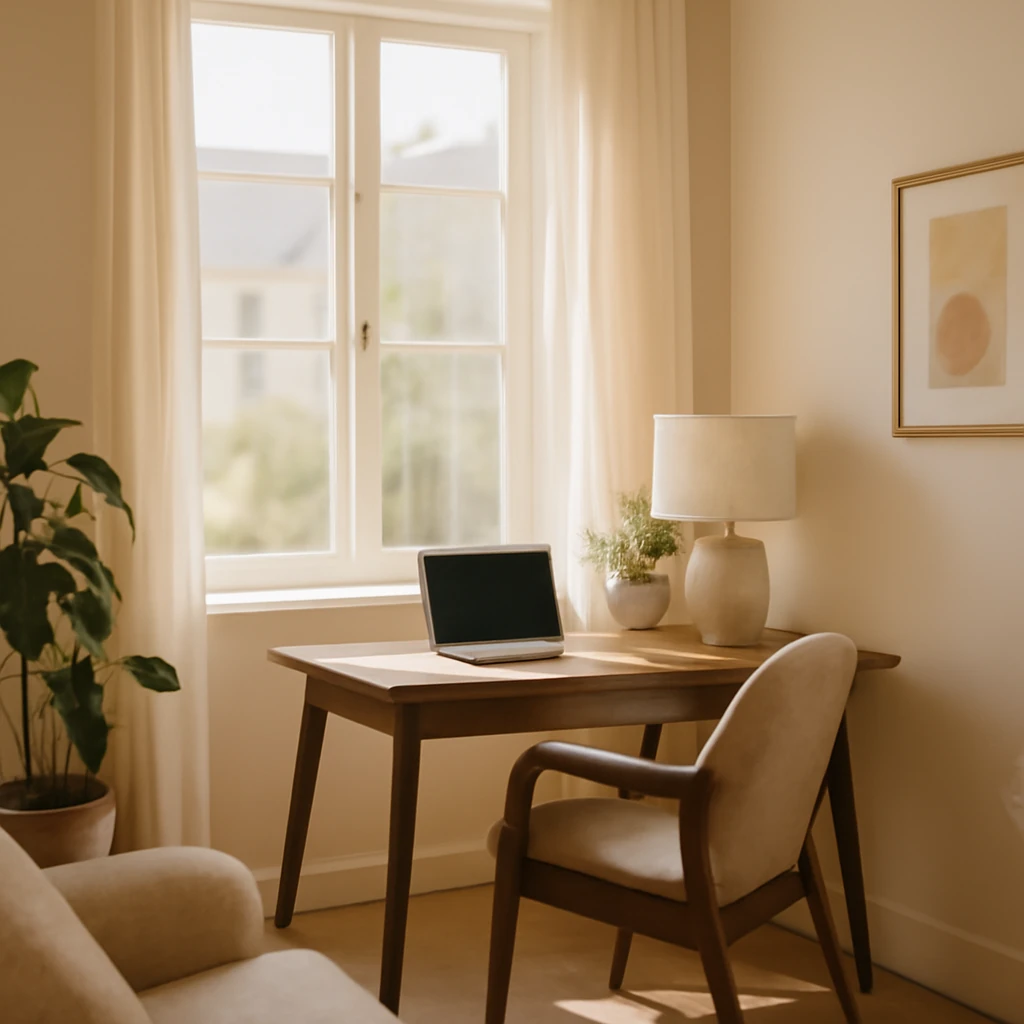
Designing a Calm, Productive Home Office for European Homes
A stylish, ergonomic guide to creating a productive European home office.
Bathroom Design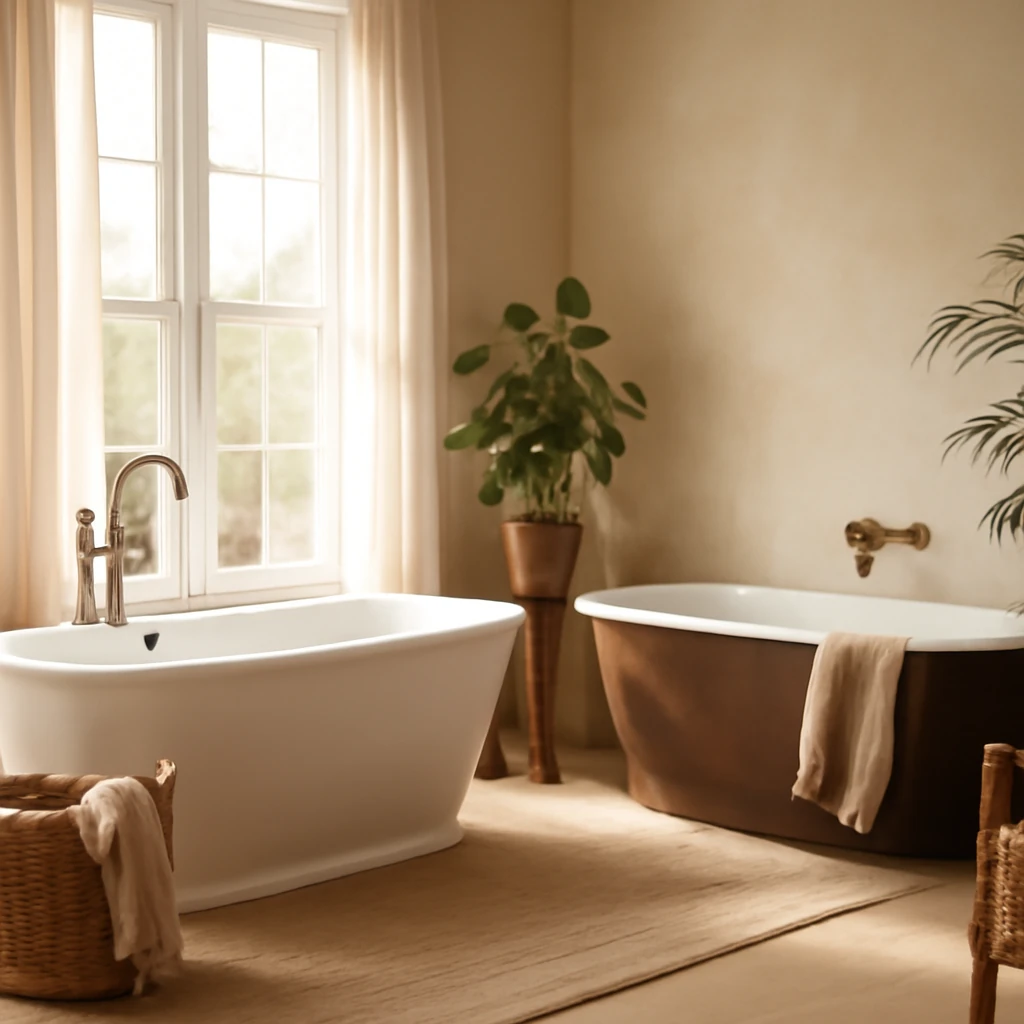
Acrylic vs Steel Baths: A Practical Guide for European Homes
A practical guide to choosing between acrylic and steel baths.
Kitchen Design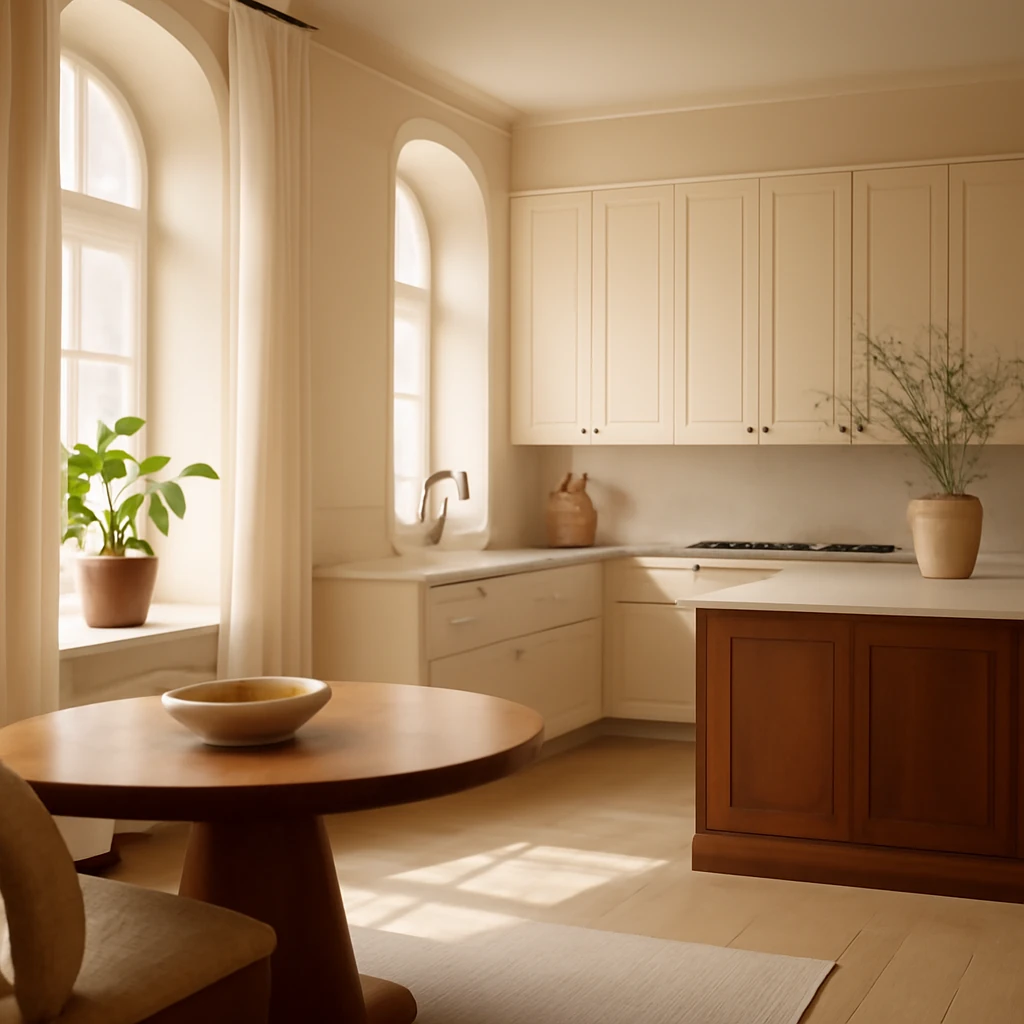
Designing a Grand Kitchen for a Modern European Home
A guide to planning and styling a large European kitchen with smart layouts and durable finishes.