
Explore interior trends, AI design insights, styling guides and real transformations
European Home Staging: A practical guide to selling or renting faster with style
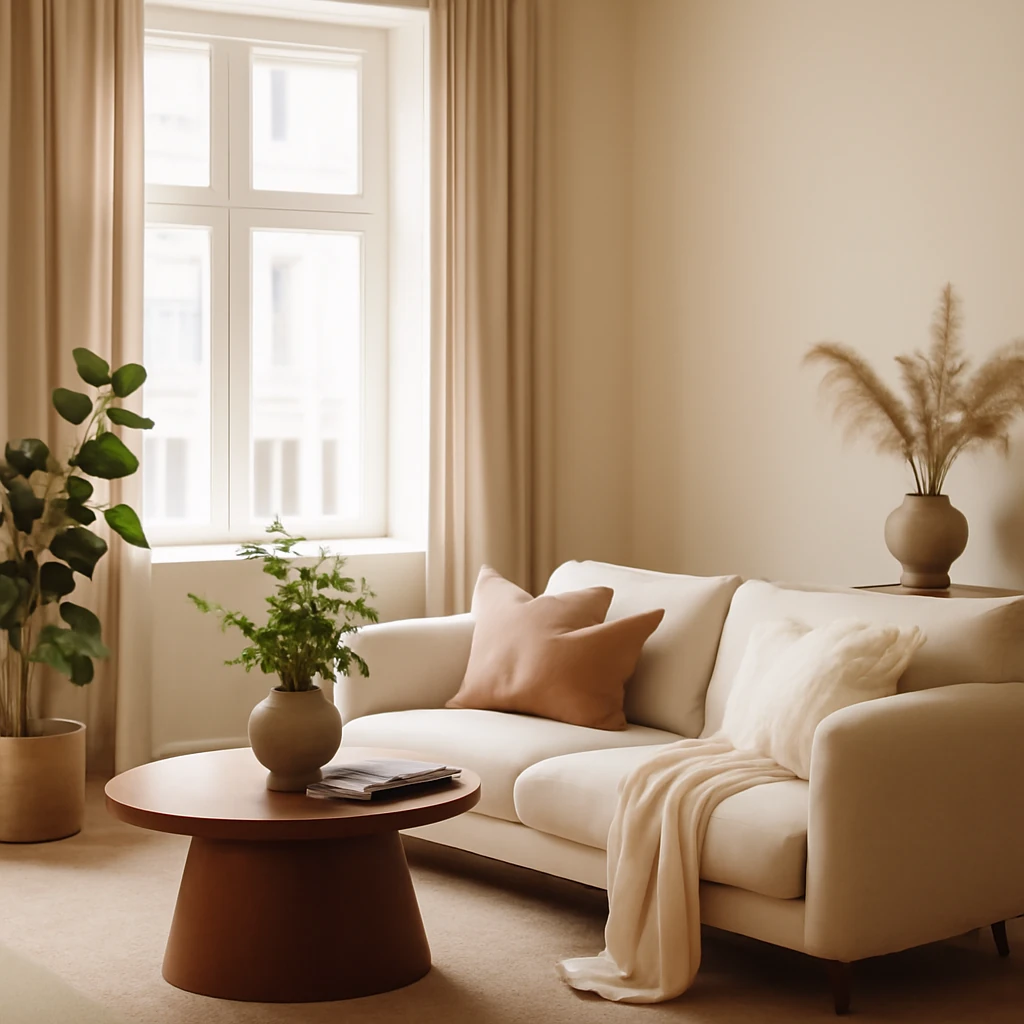
What is home staging and why it matters in Europe
Home staging and pre sale preparation are now essential tools for property professionals and private sellers across Europe. Although they share a common goal - to present a dwelling in its best light - they describe two slightly different approaches. Home staging focuses on showcasing a space at its most appealing, often for photography and marketing, while pre sale preparation aims to get the property into prime condition before buyers or tenants visit. In practice, many projects blend both disciplines, delivering spaces that feel ready to live in and to sell or rent at a premium price.
In European markets, a well executed staging strategy can mean faster sales, higher rental yields, and a clearer edge in competitive urban areas where buyers and tenants expect contemporary, well curated environments. The method is universal: neutralise risks, streamline the space, and craft a narrative that helps potential occupants imagine their own lives within the walls. All measurements here are in metric, reflecting the European context, with typical flats ranging from compact studios around 25–35 m2 to substantial city apartments of 60–120 m2 and larger family homes beyond 150 m2.
What home staging involves
- Home staging is the presentation of a dwelling to highlight its strengths for sale or let. It can involve furniture, textiles and decor arranged to create a harmonious, welcoming atmosphere that photographs well and reads beautifully in person.
- Pre sale preparation, sometimes called prestige or show ready preparation, focuses on essential repairs and neutralisation. The aim is to remove any distractions that might derail a potential buyer or tenant at first glance.
- In practice, a typical European project blends both components: minor repairs and styling before a professional shoot, followed by furniture and accessory styling to give a lived yet uncluttered impression.
In dedicated European studios and apartments, staging professionals act as a bridge between design expertise and marketing efficacy. They assess the property, understand its target audience, and curate a look that is universally appealing rather than tailored to a single buyer profile.
Key objectives of home staging
- Increase the property’s appeal by emphasising its strengths and minimising its weaknesses. A skilled stager recognises architectural features that deserve celebration and will downplay less desirable details through layout and styling choices.
- Broaden the audience. By creating a neutral, adaptable backdrop, the space becomes versatile for a wider range of lifestyles and family structures.
- Improve perceived value. While full renovation is rare for staging, careful styling and light refreshes can lift the perceived quality and justify a higher asking price or rent.
- Enhance speed of sale or let. A well presented home tends to attract more consideration early, reducing days on market and increasing buyer or tenant confidence.
Colour and texture are powerful levers. Subtle palettes - warm neutrals with gentle colour pops in cushions or art - read as welcoming and timeless in photographs and daylight alike. In many European markets, lighting plays a crucial role, staged spaces are often illuminated to mimic daytime scenes, ensuring rooms feel bright and breathable rather than cramped or dull.
What tasks does a staging project address
- Cosmetic repairs and neutralisation. Line items frequently include fixing squeaky doors, tightening handles, repairing damaged skirting boards, repainting walls in neutral tones, and refreshing ceilings where there are stains or discolouration.
- Decluttering and order. Personal items such as photographs, toiletries and clothing are minimised or removed to create a calm, glare-free backdrop. The aim is to allow the space to breathe while still feeling homely.
- Furniture arrangement and styling. The layout is adjusted to improve flow and perceived space. Furniture is chosen or rearranged to create focal points, balance, and scale that translate well in photos and on-site visits.
- Soft furnishings and textiles. Curtains, throws, cushions and rugs are used to introduce colour, texture and warmth without overpowering the space. These pieces are typically lightweight and easy to store or remove after marketing.
- Décor and artwork. Subtle artwork and sculptural pieces help establish scale and add personality without dominating the room. Fresh greenery or seasonal flowers often feature for a living, welcoming touch.
- Photography preparation. The final stage is ensuring the property photographs well - clean, well lit and styled with a restrained, universal look that translates across platforms and languages.
Why home staging works in European markets
A staging professional combines design sensibility with marketing acumen. Before any work begins, they conduct a compact market brief: who is most likely to buy or rent the home, what buyers in the region expect from a property at a given price point, and which architectural features can be highlighted. This dual focus - design and market intelligence - helps ensure the refresh is not merely decorative but commercially effective.
Even when the property is not currently empty, a staged approach can make inhabited spaces feel more cohesive. For example, in compact city apartments, careful arrangement of furniture and multi-functional pieces can create the illusion of more breathing space, while neutral palettes reduce the risk of polarising colour clashes. In larger homes, staged vignettes can demonstrate potential uses of rooms that might otherwise feel underutilised, such as a home office or reading nook.
Practical steps to stage a property in Europe
Below is a practical, proven sequence that property owners and agents can follow. The emphasis is on cost efficiency, speed, and professional result. The framework works across many European cities, from Madrid and Lisbon to Paris, Berlin and Warsaw.
1. Cosmetic repairs and neutralisation
Cosmetic improvements deliver high returns with modest outlay. They are the most cost-effective way to refresh a property’s first impression before a professional shoot or a viewing day.
- Address any visible damage. Repair leaks, fix loose fixtures, secure loose skirting boards and ensure doors and drawers operate smoothly.
- Neutralise colour and pattern. If walls carry bold or dated colours, repaint in light, neutral tones such as off white, warm grey or eucalyptus white. Use a quality primer to ensure even coverage and eliminate show-through from previous colours.
When selecting paint, consider the room’s function and natural lighting. Cooler tones can enhance a modern feel in bathrooms and kitchens, while warm neutrals in bedrooms and living spaces create a cosy ambience. In any case, aim for consistency across adjacent spaces to avoid visual dissonance in photos.
2. Cleanliness and order
Sterile cleanliness is a non negotiable in staging. Professional cleaners often perform a deep refresh of kitchens and bathrooms, remove soap scum from tiles, clean grout, and restore white to grouting where necessary. This step alone can elevate the perceived condition of a dwelling and the overall quality of the listing.
- Clear personal belongings from view. Personal toiletries, medicine cabinets and family photographs should be stored out of sight. Provide a calm, hotel-like bathroom and kitchen presentation that focuses on the fixtures and layout rather than personal life.
- Polish hard surfaces and fix imperfections. Shine chrome, wipe down glass, and remove limescale from taps and showerheads where visible. Replacing dated towels with fresh, neutral alternatives can make a surprising difference.
Decluttering is essential in every market. The goal is not to empty the home but to curate a presentable, workable space that potential occupants can easily picture themselves inhabiting.
3. Furniture and layout adjustments
Even if furniture is kept, its arrangement can drastically alter how a space is perceived. In narrow or awkward layouts, repositioning pieces to create clear sightlines and functional zones can transform a cramped feel into a confident, open plan impression.
- Fix scale to space. Large, heavy furniture can overwhelm small rooms, replace with lighter, modular pieces or move oversized items away from entryways to improve flow.
- Define zones. In living areas that double as dining or work spaces, define each zone with rugs or subtle furniture placement that signals intended use.
When possible, opt for pieces that are easy to remove or reconfigure after the shoot. A collection of lightweight armchairs, a compact sofa, and modular storage can be more effective than a single bulky suite.
4. Soft furnishings and finishes
Textiles are inexpensive levers to enhance warmth, texture and colour balance. Choose fabrics with subtle textures and avoid busy patterns that can appear noisy in photography. Soft palettes with light earth tones or restrained blues and greens typically photograph well in different light conditions.
- Use curtains to frame windows and frame walls gracefully, allowing more light to fill the room.
- Add throws and cushions to create visual interest without overpowering the space. Rotate colours to connect different rooms while maintaining cohesion.
- In kitchens and living areas, tasteful styling with a small number of decor objects can make a room feel curated rather than cluttered.
Plants and fresh flowers can inject life without overpowering the space. Choose green foliage for a modern, natural feel and avoid strong scents that may be off-putting to some visitors.
5. The finishing touch - photography readiness
The final phase is to prepare for a professional marketing shoot. A skilled photographer will capture the dwelling in its best light, but the onus is on the seller and agent to present a clean, welcoming space. Plan the shoot to maximise daylight and avoid harsh shadows. A simple shot list that emphasises architectural features, light wells, and key living areas helps ensure a comprehensive portfolio.
- Compose with balance. Position the camera to showcase wider spaces while keeping furniture aligned with walls and corners.
- Highlight flow. Demonstrate how rooms connect and how a potential occupant could circulate through the space.
- Focus on details. Close-ups of clean kitchen surfaces, well-kept bathrooms, and attractive textiles can create memorable images without skewing perception of size.
What not to do when staging a European home
- Don’t undertake major renovations solely for staging. Large-scale replacements are rarely cost effective for sellers unless they are part of a broader refurbishment strategy that adds value beyond the staging itself.
- Don’t overspend on luxury or bespoke items for a market that calls for restraint. Renting or borrowing key items is often more economical than purchasing expensive pieces for a short term project.
- Don’t retouch or misrepresent. Photo editing should enhance realism without masking issues that buyers would encounter on site. Honest presentation builds trust and reduces post sale disputes.
Checklist: preparing a property for sale or let
Use this concise list to structure the preparation phase. It can be adapted for apartments, townhouses and family homes alike across Europe.
- Carry out cosmetic repairs and neutralise wall colours
- Repair or replace broken fittings and hardware
- Clean thoroughly and remove personal belongings
- Rearrange furniture to optimise space and flow
- Introduce universal soft furnishings and a restrained colour palette
- Add subtle decorative touches and greenery
- Prepare the property for photography and viewing days
Budget and value: what does staging cost in Europe?
Staging can be undertaken by the property owner, or by a professional staging agency. Costs vary with market, property type and the scope of work. A practical rule of thumb in many European cities is that staged presentation costs may reach up to about 1 of the property value, particularly when minor repairs and styling are bundled with professional layout and photography services. For a typical city apartment valued at around €350 000, staging might range from €1 500 to €4 000, depending on the level of service and the length of the marketing period. In many cases, the investment pays back through a quicker sale or a higher rent, and the additional income can offset the initial outlay.
Professional staging should be viewed as an integral part of the marketing plan. A well coordinated approach provides a coherent look across the online listing, supplements the agent’s narrative, and reduces the risk of price negotiations falling away due to a lack of visual appeal. In addition, staged spaces tend to travel well across languages and cultures, helping multi lingual audiences engage with the property more readily.
Working with a professional stager: what to expect
Engaging a staging professional in Europe typically follows a clear sequence: initial assessment, concept development, a compact budget proposal, implementation, and photography. A good stager will deliver a practical concept that aligns with the property value, the target audience, and local market expectations. They will also maintain a focus on flexibility - many homeowners continue to live in the property during the selling period, so a staging plan should accommodate ongoing occupancy without compromising presentation.
When selecting a professional, consider the following:
- Experience with similar property types and sizes in your city or region
- Portfolio demonstrating photos that translate well to online listings
- Transparency about costs, timelines, and what is included in the service
- Recommendations for furniture rental options or borrowing arrangements when appropriate
For owners who wish to maintain independence, a staged approach can still be viable. Start with essential repairs and a neutral refresh, apply a restrained styling palette, and contract professional photography. This approach preserves control while delivering professional results for the listing.
Realistic expectations: timelines and outcomes
Staging is not a guaranteed silver bullet, but when executed thoughtfully it consistently improves the quality of a listing. In Europe, where buyers and tenants often begin their search online, the visual first impression is critical. A staged home tends to attract more viewings, higher engagement on listing platforms, and often a premium on price or rent. On average, staged properties experience shorter times on market compared with unstyled counterparts, particularly when combined with accurate pricing and strong marketing photography.
Case notes: illustrations of staging in practice
European practice regularly features case studies where modest improvements deliver meaningful returns. In a compact 42 m2 city apartment, neutralising the walls and adding a few key items created a finished, coherent look that helped potential buyers imagine daily life within the space. In a larger 70–75 m2 apartment, a thoughtful furniture plan created defined zones for living, dining and work, allowing the property to read as a well proportioned, flexible home. In a family home around 120 m2, the introduction of textiles, curated art and greenery helped soften the interior while preserving architectural features such as exposed brick, timber beams or large windows.
Final white paper: how to approach staging as a strategic asset
Viewed through a strategic lens, home staging is a structured, repeatable process. It blends design competence with market insight to present a home that resonates with a broad spectrum of buyers and renters. In Europe, where housing stock is diverse and market cycles vary by country and city, a flexible, staged approach can be adapted to most property types without requiring major renovation budgets. The key is to build a compelling narrative around the space, use colour and texture to create warmth, and ensure every detail is intentional and easy to unpack for viewers and photographers alike.
Practical takeaways for agents and private sellers
- Plan staging as part of the marketing budget and timeline. Start preparations several weeks before the listing goes live to align repairs, styling and photography.
- Maintain a restrained aesthetic. A neutral palette with subtle accents tends to appeal to a wider audience and photographs well across platforms.
- Prioritise the spaces that readers view first online - typically the living room, kitchen and master bedroom. These contribute most to perceived value.
- Coordinate with professionals for a cohesive result. A good team communicates clearly about scope, materials, and expected outcomes, reducing friction and delays.
- Be honest in presentation. Avoid over editing or misrepresenting the space. Buyers appreciate authenticity and a consistent narrative between photos and on site.
Taken together: a concise framework for European properties
Whether you are selling a compact studio in a central neighbourhood or a family home on the edge of a major city, a staged approach that combines careful repairs, decluttering, thoughtful furniture arrangement and polished photography can transform the marketability of a property. The ultimate aim is to let the dwelling tell its best possible story while remaining a believable, liveable space for future occupants. With a clear budget, a well defined timeline, and a reliable team, home staging becomes a strategic asset in the European real estate toolkit.
Note on measurement and European context
All measurements in this article are metric, aligned with European norms. Properties may vary widely in layout and typology across countries, from compact studio flats to spacious multi bedroom homes. The staging system described here is designed to be adaptable to these variations, focusing on universal principles of proportion, light, balance and storytelling rather than a fixed template.
In short, effective home staging is less about expensive purchases and more about disciplined preparation, smart styling and a photographer friendly approach. When done well, it is an investment that can pay dividends by reducing market time and enhancing the sale or let value of a property across Europe.
You may also like these articles
 Renovation
Rethinking the Entrance Hall: 50 ideas for a brighter European corridor
Practical strategies to transform European entrance halls with light, storage and materials.
Tips & How-To
Crafting a Personal Christmas: 13 Handmade Ornaments for a European Tree
Create unique, eco-aware Christmas tree decorations with everyday materials.
Renovation
Budget-smart Renovation: European Designer Secrets for a Modern Home
Practical, stylish renovation tips for European homes on a budget.