
Explore interior trends, AI design insights, styling guides and real transformations
Living Room Trends 2026: A European Guide to Calm, Texture and Hidden Tech
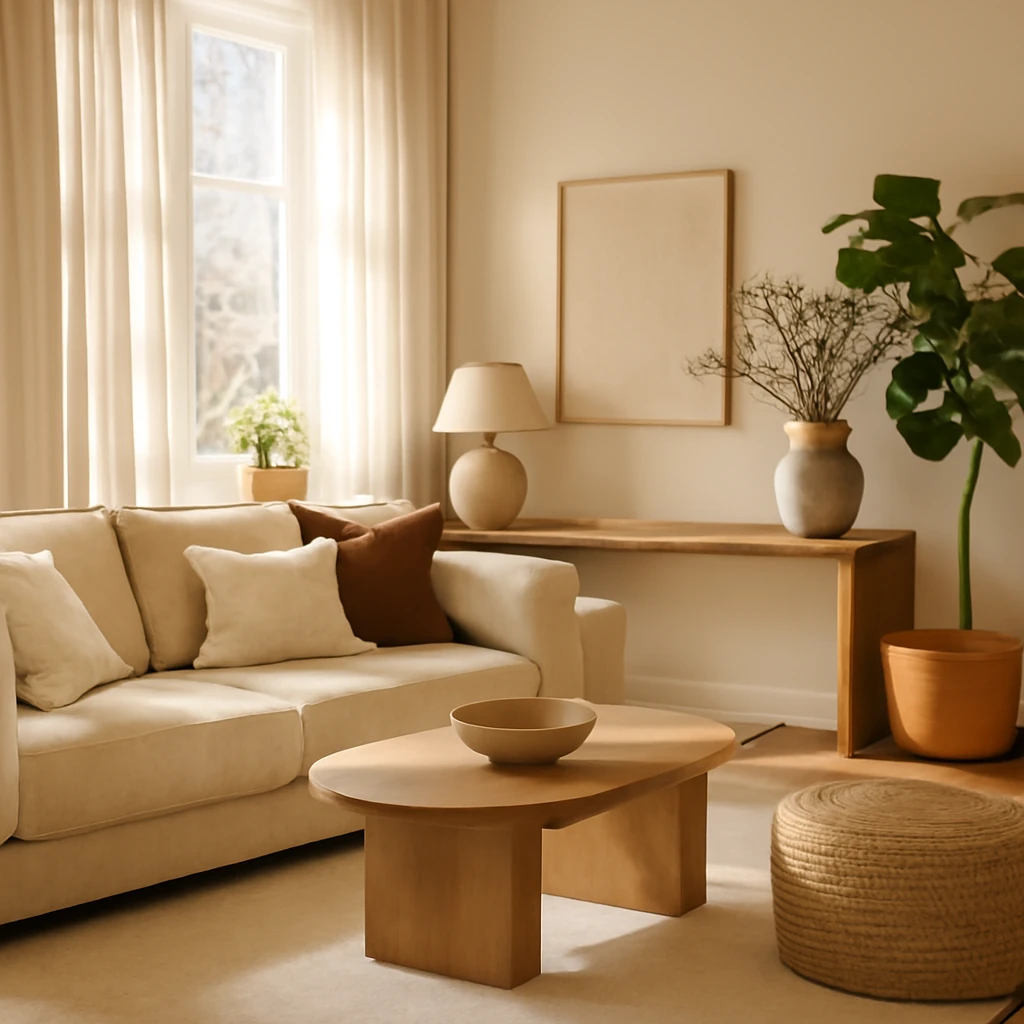
Introduction: the living room in 2026
Across Europe, the living room has become more than a stylish space. It is a practical hub that must adapt to changing daily rhythms while remaining aesthetically cohesive. The design language of 2026 embraces comfort, tactility and intelligent technologies that appear unobtrusive. The goal is not a fixed look but a durable foundation that can evolve with family life, work patterns and social needs. Expect spaces that welcome quiet evenings, work sessions, family gatherings and moments of sociable stillness, all within a refined, understated palette.
At the core of this approach lies a balance between natural materials and contemporary engineering: architectural light, warm textures, and devices that disappear into the fabric of the room. European projects increasingly prioritise warmth and connection to the outdoors - through timber, stone and plant life - while keeping cables, screens and speakers elegantly concealed. This is the year when a living room should feel easy, bespoke and quietly luxurious rather than loud or over-styled.
Flexible layouts and intelligent zoning
The centrepiece of modern European living spaces is modularity. Rather than rigid “one-room” schemes, designers create adaptable zones that can transform to suit a variety of activities. A large, open-plan living area may include a lounge zone, a compact work corner, and a cosy retreat, all within sight of each other but clearly defined by subtle cues such as lighting, flooring, textile contrasts or mobile screens.
Practical solutions include modular seating that can be reconfigured into a conversation cluster or a longer sofa for social events, coffee tables on castors for quick rearrangement, and fold-out work surfaces that sit flush against walls when not in use. In smaller flats, every square metre is maximised by multi-functional furniture - a seating unit that doubles as storage, or a coffee table with built-in drawers. For larger homes, the spatial choreography becomes even more nuanced: a dedicated work nook that can be hidden behind a sliding panel, or a media corner that remains calm even with multiple screens integrated into the architecture.
- Open-plan living-dining arrangements are paired with tactile materials to soften the space and create a sense of sanctuary.
- Lighting plays a central role in zoning: warm layers for living, brighter task light for work zones, and cinematic illumination for evenings.
- Movable screens and lightweight partitions enable quick reconfiguration without structural work.
Biophilia: nature as a design language
Biophilic design remains a cornerstone of European interiors in 2026. This goes beyond a few houseplants, it is a holistic approach that brings the outdoors in and connects living spaces with natural processes. Expect panoramic glazing where possible, timber and stone surfaces, flax and linen textiles, natural fibre rugs, and living green walls that change with the seasons. The effect is psychological comfort - soft light, tactile materials and a calmer atmosphere that supports well-being and focus.
In practice, biophilic living rooms incorporate large window lines to invite daylight, indoor plants with varied textures, and materials that age gracefully. Wood tones shift beyond the light Scandinavian palette to warmer, richer hues such as dark oak and walnut, paired with cool stones and metals to create a balanced, grounded aesthetic.
Beautiful wood: warmth with sophistication
Wood remains a dominant material in 2026, but its expression has evolved. Brushed or brushed-bronze finishes have given way to timber with deep, expressive grain. Wall panels, ceiling details, and furniture veneers in darker oak, walnut and ash are used strategically to introduce warmth and tactility. The overarching mood is restrained elegance: wood is showcased as a protagonist in the room, paired with polished or matte metal accents rather than heavy ornamentation.
Designs often feature wood on walls or floors plus a complementary material palette - stone, concrete, or ceramic with a warm patina. The result is a modern living room that feels crafted, durable and capable of ageing gracefully while maintaining a contemporary edge.
Author-made and artisanal pieces
Mass-market is still essential, but the emphasis has shifted toward unique pieces that tell a story. Bespoke, handmade items - ceramics, sculptural lighting, textiles with hand-printed patterns, and one-off furniture - introduce personality and depth to contemporary interiors. The proliferation of small studios and independent designers across Europe supports a more personal, curated kind of luxury, where a space feels lived-in and meaningful rather than perfect in a showroom sense.
- Custom-made seating or a sculptural chair can become a room’s signature.
- Artisanal textures and patinated finishes offer warmth that mass-produced surfaces struggle to reproduce.
Textures and finishes: a layered sensibility
The 2026 living room is defined by textural richness as much as colour. Surfaces combine smooth, tactile and irregular textures to create visual and physical depth. Walls may feature sophisticated microcement or eared plaster with a soft, grainy texture, while the floor might blend warm timber with stone or ceramic in a calm pattern. Decorative plasterwork and architectural detailing - carved cornices, mouldings, or rugs that anchor the space - continue to be reimagined for contemporary living.
Texture is used to emphasise contrast rather than to decorate. Matte finishes sit beside lightly polished surfaces, soft fabrics pair with sleek metals, natural stone or warm timber sits next to refined laminates or glass for a lucid, modern balance.
Textiles: tactile accents without overpowering the room
Textiles move from neutral backdrops to accent materials that contribute to the room’s mood. Bouclé remains popular for its cradle-like warmth, while tactile weaves and textured velvets bring depth to upholstery and cushions. Patterns persist, but they are carefully scaled to avoid visual clutter, the emphasis is on texture, not busy motifs. Fabrics that drape and age gracefully are preferred for upholstery and curtains, reinforcing a sense of inexpensive luxury that is comfortable and durable.
Invisible technology and integrated systems
Technology in 2026 is designed to disappear into the architecture. Built-in audio systems, televisions that double as artwork, and power outlets integrated into furniture are among the features that maintain clean lines. The smart home concept persists, but control is intuitive and discreet, often managed by mobile devices or voice commands rather than visible switches and clunky remotes.
Practical considerations include hiding screens when not in use, concealing cables behind walls or within furniture, and choosing equipment that blends with the room’s material palette. The goal is to achieve the convenience of modern tech without compromising the room’s calm, tactile character. In practice, a living room might rely on a planter-like media cabinet that houses a TV with a subtle frame, a hidden soundbar, and sockets located within shelf units for a clutter-free surface.
Lighting: layered, adaptive and cinematic
Lighting in 2026 is more nuanced and layered than ever. The aim is to create scenes that respond to mood, activity and time of day. Layered lighting typically includes a combination of overhead ambient light, task lighting for reading or computing, and accent lighting to highlight artwork or architectural features. Dimmable LEDs, warm white tones, and intelligent control systems enable a range of atmospheres - from bright, productive daylight to intimate, movie-night warmth.
Trends favour wall-mounted or recessed track lighting that sits discreetly within architectural lines, allowing spotlights to be directed with precision. Designer floor and table lamps act as sculptural elements, contributing to the room’s character rather than merely providing illumination. The result is a living room that can morph from a bright workspace to a softly lit sanctuary in moments.
Furniture directions: form, function and restraint
Two poles define the furniture landscape for 2026. On one hand, contemporary forms are curvaceous, sculptural and soft-edged, on the other, timeless vintage-inspired pieces make a quiet comeback. The sofa remains the focal anchor of the composition, but it is often lower, more modular and easier to reconfigure. Removable covers, easy-care fabrics and corrosion-conscious frames are practical expectations for daily life.
Low-profile tables with geometric shapes, compact storage units tucked into architectural niches, and agile shelving systems on legs create a sense of openness and lightness. Pieces with generous storage reduce visual clutter and support the “calm, tactile” aesthetic that underpins successful European living rooms. Accessories are chosen selectively - an artful vase, a sculptural chair, a rare textile - instead of filling the space with multiple generic items.
Textured wood and metal combinations
When timber meets metal, the result is a refined contrast that reads modern rather than rustic. Matte metals such as bronze, copper or warm brass pair beautifully with dark or mid-toned woods. This pairing adds sophistication and depth, while maintaining a warm, inviting atmosphere. Furniture and cabinetry may feature hidden hardware or push-to-open mechanisms, reinforcing the room’s clean lines and streamlined feel.
Decorative elements: art, artefacts and personal identity
In 2026, the decorative layer is about personality and narrative. Rather than filling walls with a single, uniform collection, designers curate a small number of standout pieces and allow textures, colours and forms to tell the story. Artworks, handcrafted objects and sculptural furniture are used as focal points that anchor the room’s mood and tone.
Display is thoughtful: pieces are positioned to be admired from specific seating zones, and lighting is tailored to showcase them. The decorative approach celebrates craft and individuality, enabling spaces to feel one-of-a-kind rather than generic interiors. Collectors might mix period-inspired items with contemporary pieces to create a dialogue between eras, while ensuring scale and proportion maintain balance in the room.
Which style to choose: evolving aesthetics, not rigid genres
Designers are moving away from strict, single-direction looks toward eclectic aesthetics that mix elements from different styles. The term “esthetics” is preferred to rigid genre names: a coherent living room can emerge from combining a minimalist foundation with warm textures, artisanal objects, and playful, slightly retro touches. Here are some of the most popular combinations in European practice:
Japandi + Wabi-sabi + warm minimalism
This is the most restrained yet expressive route. It favours uncluttered storage, soft, neutral schemes, and natural materials with honesty in texture. Imperfections are celebrated, not concealed, and subtle patina on surfaces adds character. The overall effect is tranquil, with a sense of quiet luxury that invites slow living and thoughtful choice.
dopamine-inspired decor
Adding small doses of colour or pattern can lift a room without overwhelming it. Do not overdo it, instead, introduce energetic accents through cushions, throws or a limited-edition rug. The aim is joy and optimism without turning the space into a game of colour bingo. In practice, a mostly calm room can be enriched by a few saturated tones that draw the eye to a chosen focal point.
Retro and vintage reinterpretation
Mid-century influences, combined with contemporary lines, create a timeless appeal. Think streamlined silhouettes, warm timber details and accents influenced by the 1960s/1970s, integrated into a modern context with updated materials and finishes. This approach gives a space a sense of history while remaining perfectly current.
Nordic reinterpretation
Nordic design continues to influence European living rooms, but the interpretation in 2026 is deeper and more layered. Expect softer contrasts, luxurious fabrics, and greater use of texture and warmth within a restrained palette. The goal is to keep spaces airy and calm while avoiding sterility.
Russian-inspired signals and global reinterpretations
As interiors become more globally aware, designers borrow motifs and craft across borders to create new composites. The result is a modern room that nods to diverse legacies without replicating them. The key is to weave these references into a personal story through materials, scale and balance rather than through obvious quotation.
Anti-trends: what is fading away
The design pendulum has swung away from some long-standing trends. In 2026, a few stylistic extremes are no longer urgent, and interiors are trending toward warmth and character over austerity or uniformity. Here are the main anti-trends to note:
- Strict, monastic minimalism that sacrifices comfort for the sake of form.
- Pure, uniform Scandi aesthetics that ignore texture or age gracefully.
- Homogenised spaces with identical furniture and accessories across rooms.
Instead, the European approach favours personalisation, mised styles, and a confident mix of textures, tones and materials. Spaces feel more alive because they combine restraint with moments of expressive detail.
Short take: ten essential ideas for 2026 living rooms
- Dwell on a flexible layout that adapts to changing needs, not a fixed seating plan.
- Prioritise tactile materials: wood with depth, natural stone, linen and bouclé fabrics.
- Use warm neutrals as a calm base, punctuated by rich, carefully chosen accents.
- Invest in modular furniture and hidden storage to maintain clarity and calm.
- Incorporate biophilic elements - plants, natural light and healthy air - wherever possible.
- Ensure technology remains invisible: built-in audio, concealed screens and discreet power solutions.
- Choose lighting with layers and scenes to support different activities and moods.
- Feature artisanal pieces and custom-made items to give interiors personality and depth.
- Mix eras and styles to create a curated, timeless look rather than a trend-driven one.
- Use textiles to enrich texture and warmth without overpowering the space.
FAQ: common questions about 2026 living room design
How can I use texture effectively in a small living room?
Texture creates depth and warmth without adding visual clutter. Layer textures through a combination of a textured rug, boucle or velvet upholstery, linen curtains, and a stone or microcement wall finish. Keep a consistent colour base and let texture be the primary distinguishable feature, this makes the space feel rich rather than busy.
What colours dominate 2026 living rooms?
Warm neutrals such as creams, soft beiges and sandy tones form the backbone. Layer these with deeper accents - ochre, burnt orange or terracotta, midnight blue or muted forest green - to create contrast with depth. The palette aims to be soothing yet energising through carefully placed colour bursts rather than a saturated, everywhere-at-once effect.
Which furniture shapes are most versatile?
Low-profile, modular seating is highly adaptable and timeless. Curved, sculptural chairs add a focal point without overpowering the room. Storage-friendly pieces - sleek credenzas, flush-mounted TVs, and shelving on legs - avoid weighty blocks and preserve airiness. Look for pieces with durable upholstery and removable covers for easy cleaning and longevity.
What should I consider for invisible technology?
Plan for integrated audio and visual solutions that blend with cabinetry and walls. Consider in-wall speakers, a projector with a retractable screen, and outlets integrated into furniture to minimise cables. Prioritise software that simplifies control, with options to adjust lighting, climate and media with a single app or voice command.
In summary: the essence of 2026 living rooms
The European living room in 2026 is a balanced blend of comfort, material tactility and quiet tech. It is not about chasing a single look but about constructing a durable framework that can evolve with life. Natural materials take centre stage, from rich timbers to soft textiles and stone accents. Lighting becomes a strategic tool for mood and function, while furniture embraces flexibility and texture over ostentation. Decorative choices celebrate crafted individuality, and the overall result is a space that feels both contemporary and warm, ready to adapt to work, play and rest alike.
Closing thoughts: practical steps to achieve the 2026 look
To translate these ideas into your home, start with a confident neutrally-toned base. Introduce texture through a single statement fabric or rug, then build layers with wood details and aromatic, nature-inspired plants. Choose two or three anchor pieces - perhaps a modular sofa, a sculptural chair, and a crafted coffee table - and provide a cohesive backdrop with layered lighting and a quiet colour accent. Finally, invest in small, well-made pieces with character and longevity, such as artisanal accessories or bespoke storage. The aim is to create a living room that is calm, tactile and intelligent - beautiful enough to enjoy daily, flexible enough to evolve with you, and discreetly sophisticated enough to suit European homes of varying scales and styles.
You may also like these articles
 Small Spaces
Loft Conversions for European Homes: Design Ideas, Planning and Practical Tips
Unlock attic potential with smart, light-filled design for European homes.
Renovation
The Smart Sequence: Renovating European Homes with Design-First Planning
Plan, build, finish: the ultimate European renovation guide.
Tips & How-To
European Home Staging: A practical guide to selling or renting faster with style
How staging and pre sale tweaks can accelerate European property sales and lets