
Explore interior trends, AI design insights, styling guides and real transformations
Wallpapers for the Living Room in 2025: Nine Trends, Materials and Practical Ideas
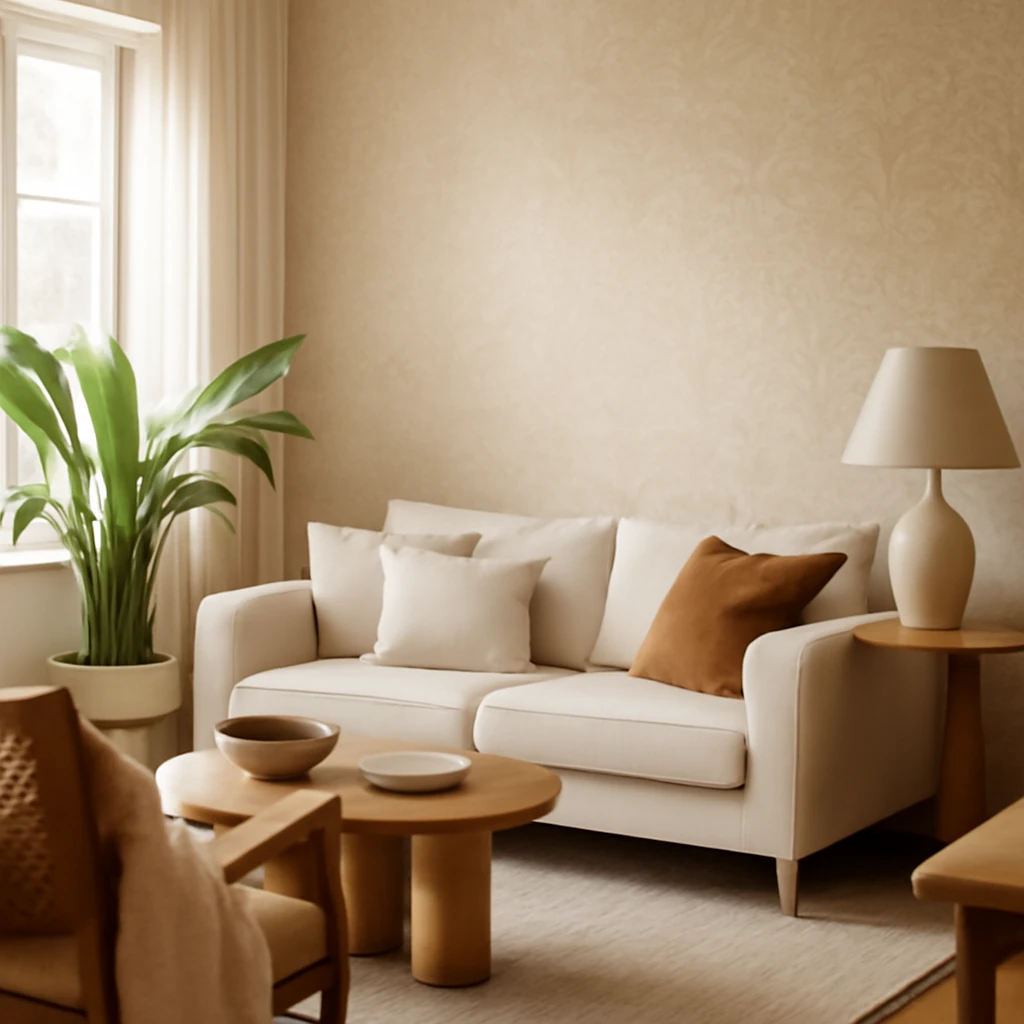
Introduction: the living room as the heart of the home
The living room remains the social and emotional centre of European homes, where family life, conversations with friends and quiet moments converge. In 2025, wall decoration is evolving beyond mere colour or texture. Wallpaper has re-emerged as a sophisticated, design-forward solution that can shape ambience, acoustics and scale, while answering modern expectations for sustainability, durability and easy maintenance. Across climates, building ages and architectural styles, wallpaper offers a versatile canvas: it can calm a space with a soft monochrome texture, or energise it with a bold mural. This article examines the nine key trends for living room wallpapers in 2025, the materials that power them, practical ways to apply them, and how to balance aesthetics with functionality in a European context.
In contemporary European homes, the choice of wallpaper is influenced by several factors: room orientation and natural light, climate and humidity levels, the presence of children or pets, and the growing demand for materials with lower environmental impact. While some living rooms are bathed in sunlight, others require thoughtful consideration of glare, fade resistance and cleaning options. The good news is that there are wallpaper families and installation techniques that meet diverse needs - from highly durable vinyl and non-woven options to breathable paper and luxury textiles. The key is to align the material with how the space will be used, how it will feel, and how long you intend to keep the design fresh.
What wallpapers will be fashionable in 2025
In 2025, wallpaper for living rooms across Europe embraces variety: it welcomes the minimalist, the maximalist and every thoughtful in-between. The main aim is to create interiors that feel curated, warm and timeless, while accommodating personal taste and the peculiarities of European interiors - high ceilings, generous cornices, sash windows, and robust architectural details that deserve a considered framing. Below, we identify the core materials driving the trends and the avenues through which these designs are best applied.
Materials
European living rooms benefit from a broad spectrum of wall coverings. The most suitable choices depend on room conditions, budget and the desired atmosphere. Here are the principal materials that will define 2025 interiors:
Paper wallpapers remain a cost-effective, breathable option that suits temperate climates well. They offer a vast palette of colours and patterns and are ideal for spaces with good ventilation. For longer-term durability in busy living rooms, consider a pressed or coated variant with a protective finish. Paper wallpapers are especially well-suited to rental properties or areas with mild humidity, where care with moisture is required.
Textile wallpapers – from silk to linen and cotton weaves – provide incomparable tactility and acoustic benefits. They elevate the perceived quality of a room and can make surfaces feel warmer and more intimate. Textiles are best suited to living rooms with careful handling, as they can be sensitive to stains, odours and moisture. Regular maintenance and spot-cleaning strategies should be planned in advance.
Non-woven and vinyl wallpapers are known for their durability, ease of installation and resistance to scrubbing. These coverings hide minor wall imperfections and can be printed with convincing textures or patterns, including stone, fabric or plaster effects. While non-woven top layers can be air-impermeable, they are typically used in well-ventilated rooms. Choose vinyl-backed textures for kitchens or bathrooms within a living space plan, when moisture or splashes are a concern, and opt for vinyl-free backups where air exchange is important.
Glass fibre wallpapers offer exceptional strength, fire resistance and moisture tolerance. They are paintable and maintain long-term stability, making them suitable for living rooms that demand durability or children’s zones where scuffs might occur. Installing glass fibre requires careful wall preparation and premixed adhesives, but the rewards are a high-performance backdrop that remains clean and elegant for years.
Liquid wallpapers are decorative plasters rather than traditional rolls. They deliver a seamless, textured finish reminiscent of plaster or stucco, and can be repaired by re-applying material to damaged sections. Liquid wallpapers are excellent for creating tactile surfaces on feature walls in contemporary schemes, provided walls are perfectly smooth before application.
In European settings, a trend towards sustainability is shaping material choices. Recycled-content wallpapers and responsibly sourced materials are increasingly common. The ideal combination balances aesthetics with longevity and environmental responsibility, supporting long-term design without frequent replacement.
Trends for living room wallpapers in 2025
The year ahead embraces a spectrum of looks, from nature-inspired calm to bold statement walls. Here are the nine trends designers and homeowners are exploring across Europe:
Natural motifs
Natural themes - botanical prints, landscapes, animals and birds - continue to resonate. The goal is authentic, restrained imagery rather than loud, busy patterns. In 2025, natural motifs work best when they are scaled to suit the room’s size and light, with botanical prints rendered in subtle tones or on panels that act as focal points rather than overwhelming the space. These designs harmonise with timber floors, stone accents and warm textiles to create a serene, organic atmosphere.
For smaller living rooms, consider a wallpaper panel featuring a single large motif behind the sofa, or a muted, continuous texture that evokes nature without dominating the scheme. In larger spaces, expansive murals can create dramatic backdrops that anchor seating groups while letting other decorative elements breathe.
Minimalism
Minimalism remains a perennial driver in European interiors. In living rooms, this translates to restrained palettes, clean lines and surfaces with tactile interest without visual clutter. Wallpapers in minimalist settings are typically built from durable, low-sheen vinyl or non-woven substrates with subtle textures, such as linen or plaster-like finishes, or soft, tonal gradients. Even when the surface is plain, the material quality and light-responsive finish will play a defining role in the room’s feel.
Geometric quietude can appear in minimalist wallpapers through understated patterns - very light relief, barely-there motifs, or tonal weaves - that add depth without drawing attention away from furniture and artwork.
Textured wallpapers
Texture remains a powerful way to add depth and warmth to a living room. Textured wallpapers - whether moulded plaster, faux stone, or fabric-inspired structures - catch light differently throughout the day, enhancing ambience and reducing the need for heavy ornamentation. Textured surfaces pair well with flat, matte furniture and restrained colour palettes to create a sense of tactility and refinement.
To avoid visual heaviness, balance textured walls with lighter fabrics, open shelving and furniture with light silhouettes. Texture can be used on one feature wall or in combinations with paint or decorative plaster for layered, sophisticated schemes.
Murals and panels
Large-scale murals and artistically printed panels continue to offer dramatic opportunities for expression. In modern living rooms, murals can define a zone - behind the sofa or along the main wall - while panelled sections can introduce rhythm and frame architectural features. When choosing murals, aim for a coherent narrative or motif that supports the room’s proportion and available lighting, avoid overwhelming the space with overly vivid scenes in small rooms.
Sustainable design
Environmental responsibility informs both material choice and production. Recycled-content wallpapers, responsibly sourced inks and low-VOC finishes are increasingly common. In a European context, designers are exploring circular design principles - repairability, longevity and ease of updating surfaces - to reduce waste while keeping interiors contemporary. The sustainability story is not merely about the front face of the wall, it encompasses adhesives, primers and maintenance routines that minimise environmental impact over time.
Wallpaper + mouldings
Combining wallpaper with mouldings is a refined technique that elevates wall treatment without overwhelming the room. The mouldings can be stained, painted or left natural to echo the chosen wallpaper. The synergy between surface pattern and architectural detailing creates a cohesive aesthetic, enabling bold patterns to coexist with classic profiles. Practical advantages include defined wall boundaries, subtle framing of an accent panel and an opportunity to introduce contrasting colours in a controlled manner.
- Pre-painted plaster or wood mouldings can echo or contrast with the wallpaper for formal or relaxed results.
- Framed panels using patterned wallpaper create gallery-like walls that are easy to refresh.
- In smaller rooms, restrained mouldings prevent a crowded appearance while still delivering architectural interest.
Geometric patterns
Geometric designs endure as a versatile language for walls. Simple, well-balanced patterns - diagonals, chevrons, subtle grids - can visually extend or elevate a space depending on their scale and colour. Vertical motifs can add height to rooms with lower ceilings, horizontal patterns can widen narrow spaces. For living rooms, choose geometries that echo the furniture’s lines and the room’s proportions to maintain coherence rather than visual competition.
Watercolour
Watercolour-inspired patterns bring softness, movement and a modern touch to interiors. These motifs read as artistic, almost handmade, and they adapt gracefully to contemporary or traditional settings. In practice, watercolour wallpapers pair well with neutral furniture and natural materials, allowing colour to be introduced through textiles, artwork or cushions rather than wall elements alone.
Authorial designs
Custom or artist-designed wallpapers are increasingly sought after for those aiming to create a truly personal space. Such designs - from generative prints to bespoke hand-painted patterns - offer uniqueness and storytelling, transforming walls into living canvases. When commissioning authorial wallpapers, ensure the design scales well to the room’s size and is reproducible enough for future refreshes if needed.
Mixing different wallpapers
Mixing different wallpapers on separate walls, or pairing a wallpaper with a plain field, creates a balanced, layered look. The key is cohesion: keep colour families aligned and ensure that the contrast serves a narrative, not visual chaos. A calm, light backdrop with a patterned or textured accent wall is a timeless approach that modernises older spaces while preserving architectural character.
How to apply wallpaper in 2025
wallpaper can be used in multiple ways in living rooms, including as the main surface, as an accent wall, or as decorative elements beyond walls. In Europe, where rooms vary from grand, tall spaces to intimate spaces with nuanced detailing, flexible application strategies help maximise impact while controlling costs and maintenance.
Background finish
Using wallpaper as a background finish is a classic approach. For a calm, timeless effect, select wallpapers with a subtle texture or a very soft pattern in a restrained colour. If the room has high windows or strong natural light, choose coatings with fade resistance and a matte or satin finish to minimise glare. For walls with minor imperfections, non-woven or vinyl wallpapers with a slightly textured surface can hide irregularities more effectively than flat painted surfaces. In spaces with children or high traffic, a durable vinyl-backed option with a low-sheen finish is advisable, as it resists scuffs and is easier to clean without visible marks.
When working with tall ceilings, consider vertical patterns or coloured panels to elongate the walls. Conversely, horizontal textures or wide-format patterns can visually widen a smaller room. In all cases, it is wise to test the wallpaper in small area before committing to full-wall coverage, especially if the palette involves bold colours or dramatic textures.
Accent wall
The accent wall remains a powerful, controlled way to introduce wallpaper without overwhelming the space. In living rooms, an accent wall behind the sofa, the television, or a fireplace can anchor the seating arrangement and lend a focal point for artwork and lighting. When selecting an accent, ensure the pattern or colour ties in with other elements of the room, such as cushions, throws or a rug. A deep, textured wallpaper with a rich colour can deliver drama in a fairly compact space, while a lighter pattern can create airiness in larger rooms.
- Keep the accent wall within a single colour family to avoid competing with furniture.
- Pair bold wallpapers with neutral furniture and restrained decor to prevent fatigue.
- Consider murals or large-format panels when the room’s proportions permit a strong, cinematic statement.
Not on the walls
The fashion for non-wall applications has grown in recent years. Wallpapers are used on ceilings, furniture panels, cabinet fronts, and even behind shelving or within mantel surrounds to unify textures and introduce tactile surprise. For ceilings, choose pale, subtle textures or light patterns to preserve a sense of height and openness. When applied to furniture or cabinetry, select robust vinyl or non-woven coverings that can withstand frequent contact and cleaning. This approach is particularly effective in modern Scandinavian or industrial-inspired interiors where surfaces and storage solutions form a coherent textural language.
In all non-wall applications, ensure to follow product guidelines for adhesion and surface preparation. Smooth, clean, primed surfaces deliver the best results, and it is often worth a professional installation to achieve clean joints and seamless transitions.
Practical considerations for European living rooms
While aesthetics drive the choice of wallpaper, practicalities determine its longevity and performance. Consider room-specific factors such as humidity, temperature fluctuations, exposure to sunlight, and the level of wear and cleaning required. For living rooms, walls typically experience moderate moisture and occasional splashes or pet-related contact, nonetheless, you should select materials and finishes aligned with these realities.
Ventilation is important, particularly with textured or heavy fabrics. If you live in a climate with high humidity or seasonal dampness, opting for non-porous or moisture-resistant wallpapers and ensuring adequate air exchange will help prevent mould growth and maintain indoor air quality. Additionally, assess the ease of maintenance: some textile wallpapers demand careful cleaning, while vinyl or non-woven options often accept gentle wiping and spot-cleaning.
Colour and pattern choices have a lasting impact on mood and perceived space. Light, cool hues create a sense of airiness and reflect natural light, making rooms feel larger. Warmer tones bring immediacy and cosiness, especially when paired with wood, leather and soft textiles. Pattern scale should be considered in relation to room size: large prints can dominate small spaces, while small, subtle textures enrich larger rooms without overpowering them.
Maintenance and care
Maintenance strategies vary by material. Paper wallpapers can fade or warp in high humidity or direct sun, while vinyl and non-woven coverings tend to be more durable and easier to clean. Textile wallpapers require more careful handling and spot-cleaning, and some finishes may not be suitable for rooms with heavy task lighting or frequent moisture. For painted surfaces over wallpaper (where painting is possible), keep in mind repairs may be needed if the wallpaper becomes damaged. When selecting a wallpaper, check the manufacturer’s guidelines for cleaning, sun exposure, and repair options to ensure the wall finish remains fresh over time.
Budgeting and installation considerations
Wallpaper costs vary with material, design complexity and installation method. Paper wallpapers are typically the most economical, while textile wallpapers and bespoke prints carry premium prices due to materials and production processes. Installation quality is crucial, properly prepared walls and accurate pattern matching lead to a flawless finish and longer-lasting results. In many European markets, hiring a professional installer who understands wall preparation, primer selection and adhesive compatibility will yield superior outcomes and reduce the likelihood of issues such as bubbles, misaligned joints or peeling edges.
When planning a living room wallpaper project, consider future updates. A flexible approach - starting with a single feature wall and a palette that can be refreshed with textiles and accessories - allows you to evolve the look over time without replacing the entire wall surface. If sustainability is a priority, look for wallpapers with recycled content, low chemical emissions and durable finishes designed for long life.
Final thoughts: designing with wallpaper for longevity
Wallpaper offers European living rooms a sophisticated route to shape atmosphere, scale and texture. By selecting materials that suit the room’s conditions and adopting a considered approach to patterns, scale and placement, you can achieve interiors that feel both current and enduring. Whether you favour a calm, minimalist backdrop or a bold mural that becomes the room’s unmistakable focal point, the right wallpaper can transform a living room into a sophisticated sanctuary that reflects personality, functions well in daily life and respects environmental responsibilities.
You may also like these articles
 Furniture
The Puma sofa mechanism: daily comfort, durability and intelligent design for European living rooms
A practical guide to Puma sofas for daily sleep comfort in compact European homes.
Interior Design
Designing European Homes: The Best Software for 3D Modelling and Planning
A European guide to the best 3D home design tools for DIY planners.
Living room
Living rooms reimagined: planning private European homes
Expert guidance for designing and styling spacious European living rooms