
Explore interior trends, AI design insights, styling guides and real transformations
Eight contemporary interior directions redefining European homes in 2024
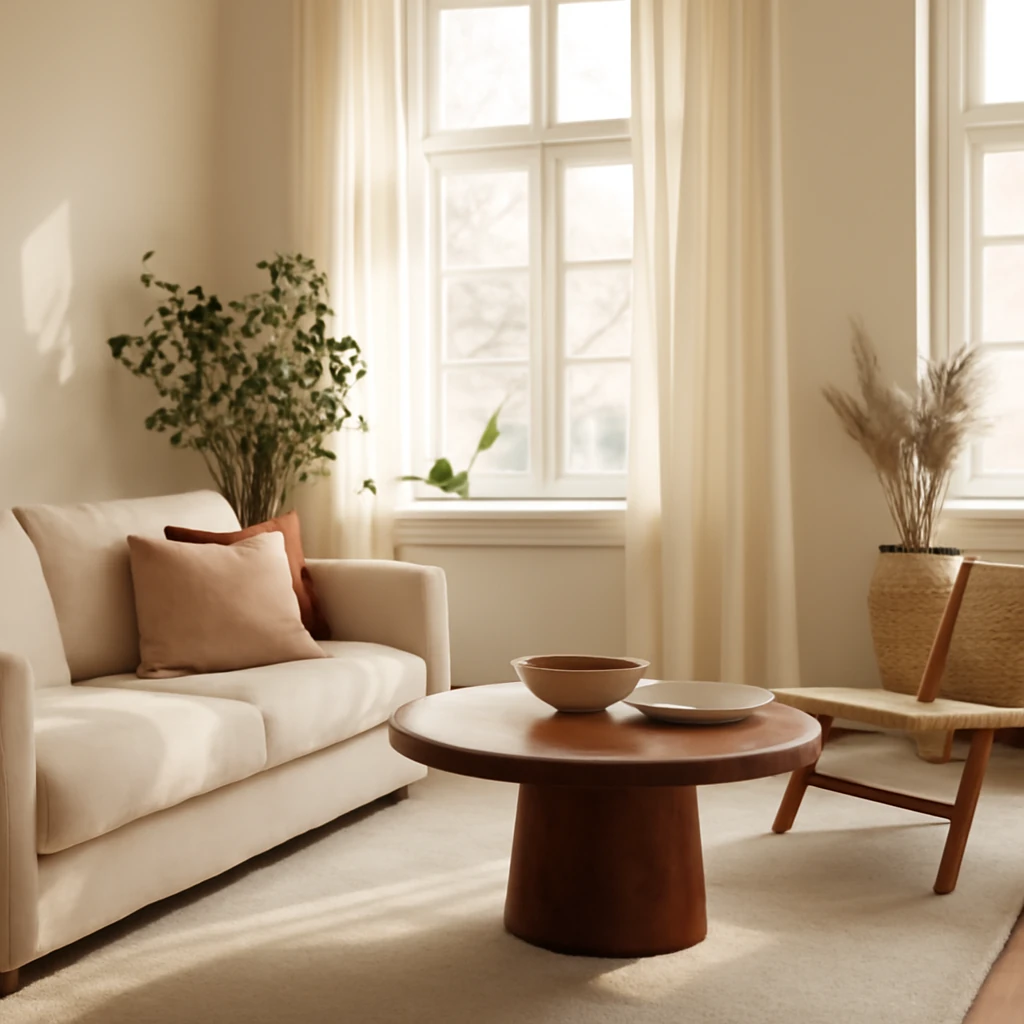
Eight contemporary interior directions redefining European homes
Across Europe, interior design in 2024 is less about adhering to a single taste and more about crafting living environments that are comfortable, light-filled and well organised. Homeowners seek spaces that adapt to daily life, support wellbeing, and reflect personal identity without compromising on practicality. From the restrained elegance of Scandi-inspired schemes to the warm luxury of neoclassical touches, eight contemporary directions are guiding how we renovate, refurbish and decorate in cities and regions with diverse architectural legacies. This article unpacks those eight directions, why they resonate now, and how to translate them into real European homes with confidence.
What makes a style contemporary?
Contemporary interior design is characterised by flexibility, daylight, and a balance between form and function. While trends evolve, several threads unify current aesthetics across Europe:
- Open, breathable spaces where furniture and technology do not crowd the room.
- Abundant daylight or clever daylight simulations created with light surfaces and layered lighting.
- Comfort and usability prioritised over ornament for its own sake.
- Lingering preference for neutral bases - white, stone, taupe - punctuated by colour and texture rather than loud patterns.
In practice, this means homes that feel calm, coherent and liveable, whether in a compact city apartment or a generous suburban residence. The clever use of materials, natural light, and ergonomic layouts makes all the difference. A guiding principle is to keep spaces uncluttered while allowing for personal touches, creating interiors that are both stylish and genuinely functional.
“Contemporary design should serve life, not merely decorate a room.”
The eight current directions and what’s in fashion
Below are eight well-established directions that most European designers and homeowners now consider contemporary. Each has a distinctive voice, yet all share a commitment to comfort, durability and refined simplicity. Use them as a starting point to shape a home that feels modern, timeless and authentically yours.
Contemporary
The term contemporary here describes spaces that blend practicality with warmth, avoiding excess while embracing ergonomic, well-crafted details. It welcomes both natural and refined materials and does not force a single look. The contemporary approach is adaptable, often pairing a restrained base with expressive accents that can be refreshed over time.
- Spaces are generous, with furniture positioned for flow and easy access to storage and appliances.
- Tech and appliances are integrated, not hidden behind doors, yet never dominating the room.
- The colour palette is quiet and layered, accent colours appear through textiles, artwork, or a small selection of furniture pieces.
- Decor remains curated, pieces are chosen for function and tactility rather than sheer number or visual noise.
Implementation tips for European homes: vary materials - combining warm woods with cool stone or concrete, select furniture with clear, clean lines and comfortable proportions, and design lighting schemes with dimmable layers to transition from day to night with ease.
Neoclassical
Neoclassical interiors celebrate classical proportions and refined monumentality while benefiting from contemporary materials and restrained ornament. The look is elegant, grand yet approachable, translating well into many European settings where historic architecture inspires the backdrop.
- Light, airy rooms with generous ceiling heights and ample natural light.
- Natural materials such as stone, marble, warm woods, and satin metals appear alongside modern composites to temper traditional cues.
- Decor is purposeful and proportional: subtle mouldings, soft metallic finishes, and tactful mirrors enhance light and space.
- Color palettes lean towards soft neutrals - creams, greys, and warm beiges - with sophisticated accents in richer tones.
Practical tips: in urban European homes with historic cores, restore or reproduce period details sparingly and pair them with streamlined furniture to avoid heaviness. Use soft drapery and tactile fabrics to soften architecture without concealing it.
Scandinavian
The Scandinavian look remains a perennial favourite due to its light, functional and unpretentious ethos. It suits compact city apartments and large countryside homes alike, delivering warmth through texture as much as colour.
- Warm white and pale neutrals form the base, with natural wood adding warmth and texture.
- Materials emphasise sustainability: wool, linen, timber, brick, and soft metals.
- Furniture is practical and comfortable, with clean silhouettes and generous leg clearance to enhance airiness.
- Textiles and accessories are soft and tactile - plush throws, sheepskins, and knitted blankets create cosy pockets within open plans.
European homes benefit from well-planned daylight strategies: large windows or light shelves, reflective surfaces, and carefully designed artificial lighting to mimic daylight during long winter months.
Japandi
Japandi blends the light, organic feel of Scandinavian design with the calm, restrained aesthetics of Japanese interiors. The result is a serene, minimalist space that feels warm rather than austere.
- Low-profile furniture, natural materials, and a restrained palette dominated by neutrals - creamy whites, beige, taupe, and the texture of unfinished wood.
- Incorporation of subtle Japanese textures such as woven textiles, linen, stone, and bamboo accents.
- Clutter is minimised, decoration is intentionally chosen and physically quiet - plants, porcelain, or a single sculptural object.
- Floor-level layouts, with low seating and compact storage that keeps spaces feeling open and airy.
European applications: combine tatami-inspired mats or low benches with upholstered seating, ensure scale is appropriate for room size, and prioritise finishes that age gracefully rather than trend-driven.
Minimalism
Minimalism, when done well, offers clarity, balance and a calming sense of order. It is not about stark coldness, it is about deliberate restraint and the art of subtraction.
- Open plans with carefully chosen furniture, fewer items, but each with a purpose and excellent workmanship.
- Neutral bases - white, charcoal, stone - with textures introduced through material choices rather than colour.
- Surfaces are clean and immaculate, repeatable shapes and patterns are avoided to reduce visual complexity.
- Attention to acoustics and lighting is essential to avoid a sterile, hotel-like feel.
European homes can embrace minimalism by investing in high-quality statement pieces that age well, and by allocating budget to sound-dampening textiles, hidden storage and intelligent layout planning.
Soft Minimalism
Soft minimalism adds warmth, textures and a touch of glamour to the pared-back language of minimalism. It is ideal for those who love the calm of minimal spaces but want a more inviting atmosphere.
- Natural, rich materials: velvet, wool, linen, stone, and warm wood tones.
- Furniture with sculptural forms that retain function and comfort, shapes are often gentle and curved rather than rigid.
- Textiles and decor are used to create cosy zones - throws, rugs, and layered textiles in harmonious hues.
- Accents are refined rather than loud, with metallic or pearl finishes to add depth.
In European contexts, soft minimalism works beautifully in cities where apartments prioritise daylight and airiness, it allows luxurious materials to take centre stage without feeling opulent or fussy.
Eco-style
Eco-style places sustainability at the heart of design while celebrating natural textures and honest materials. It’s a versatile direction that can range from rustic to refined, depending on budget and existing architecture.
- Primary materials are natural and renewable: wood, cork, stone, wool, jute, and linen.
- Colour palettes lean earthy - sand, sage, clay, warm greys - with occasional pops of sea or forest greens.
- Decor emphasises tactile quality: handmade ceramics, exposed timber, and textured wall finishes.
- Recycled or upcycled elements are welcomed, durability and repairability guide material choices.
Practical European tips: source locally produced materials when possible, choose finishes with low emissions, and design rooms that encourage natural ventilation, daylight and seasonal greenery.
Eclecticism, or fusion
Eclectic interiors deliberately mix styles, eras and textures. The challenge is to create harmony rather than chaos, the trick lies in a coherent neutral backdrop and a curated rhythm of colours, patterns and forms.
- Foundational elements stay neutral in colour and finish to allow an interesting mix of styles to breathe.
- Unifying cues - common textures, recurring shapes, or a shared palette - help avoid visual noise.
- Careful rhythm in pattern scale and material combinations prevents clutter and fatigue.
- Time-bound items or heirloom pieces can be paired with contemporary furnishings for a layered, lived-in feel.
How to implement in Europe: start with a muted, timeless base, then introduce one bold texture or colour at a time. Space transitions and light considerations help the eye move smoothly through the room rather than stopping at each new piece.
Putting theory into practice in European homes
To translate these directions into actual living spaces, consider several cross-cutting strategies that apply across cities and regions:
- Plan for daylight first. Size and placement of windows, skylights, and light wells will influence the mood of any chosen style. In darker climates, layered lighting - ambient, task and decorative - helps maintain warmth and visual comfort.
- Embrace flexible layouts. Especially in urban apartments, furniture on wheels, modular sofas, and multi-functional storage systems support daily life and changing needs.
- Prioritise quality, not quantity. A few well-chosen pieces with excellent workmanship often outperform a larger crowd of mass-market items.
- Texture over pattern. In most contemporary European homes, varied textures provide interest and depth without overpowering the space with busy surfaces.
- Acoustics matter. Soft textiles, wall panels, and carefully chosen materials improve sound quality in open-plan living spaces and small rooms alike.
- Materials with longevity. Resist trends that quickly date, invest in finishes that endure and patina beautifully over time.
- Sustainability at the core. From responsibly sourced timber to low-emission paints and energy-efficient lighting, sustainable choices align with European design values and regulations.
- Personalisation is the goal. The best contemporary interiors reflect taste, lifestyle and values - comfort, practicality and a sense of place - rather than chasing a single, recognisable look.
Practical tips by space type
European homes vary widely in size and layout. The following pointers help integrate the eight directions into different living environments.
- Compact city apartments – Prioritise light and storage. Use soft Minimalism or Japandi to keep rooms calm, opt for low furniture and vertical storage to maximise floor space, employ mirrors and light-coloured finishes to expand perception of space.
- Family homes – Build warmth with Scandi or Soft Minimalism. Choose durable textiles, washable coatings, and modular seating that can adapt to activities from lounging to playtime.
- Historic centres and renovations – Neoclassical can be adapted without overwhelming original architecture. Preserve existing architectural cues while pairing with simple contemporary furniture to balance old and new.
- Rural retreats – Eco-style is particularly at home in rural contexts, where natural materials, fibre textures and rustic yet refined décor create a seamless connection to the landscape.
- Long-term durability – Consider a core of Contemporary or Neoclassical lines with flexible, exchangeable accents that can be refreshed with fixtures and textiles rather than major renovations.
Conclusion: designing for life, in Europe
Today’s European interiors are less about following a single doctrine and more about cultivating spaces that feel honest, comfortable and intentionally designed. By understanding the eight contemporary directions - Contemporary, Neoclassical, Scandinavian, Japandi, Minimalism, Soft Minimalism, Eco-style and Eclecticism - homeowners and designers can craft rooms that remain relevant for years. The best interiors in Europe balance light, texture and function, offering rooms that adapt to family life, work, study and leisure while staying calm, cohesive and aesthetically satisfying. The most successful projects are not merely about matching trends, but about building a sense of place that grows with the people who inhabit it.
You may also like these articles
 Tips & How-To
Corner kitchens: ergonomic layouts for European homes
Practical guidance for ergonomic corner kitchens across Europe.
Kitchen Design
Designing a Grand Kitchen for a Modern European Home
A guide to planning and styling a large European kitchen with smart layouts and durable finishes.
Tips & How-To
Faux Fireplaces in European Homes: A Designer’s Guide to Warmth and Style
Create cosy, innovative faux fireplaces that fit city homes without a real chimney.