
Explore interior trends, AI design insights, styling guides and real transformations
Retro interior design: embracing mid‑century charm for contemporary European homes
Introduction: why retro interior design endures
Retro interior design is a celebration of past decades - an invitation to weave nostalgia into contemporary living. Across Europe, homes are revived with vintage furniture, bold colour accents and decorative details that nod to the styles of the mid‑century era through to the late 20th century. The appeal lies in the playful tension between old and new: the warmth of tactile materials, curved silhouettes and kinetic patterns opposed by clean lines, light‑filled rooms and current technologies. A well‑executed retro scheme feels intimate, lived‑in and surprisingly modern.
A brief history: post‑war optimism and the evolution of style
In the aftermath of war, European interiors embraced comfort, practicality and optimism. The 1950s offered rounded furniture, soft curves and gentle colourways - features that conveyed a sense of shelter and renewal. The 1960s brought saturated tones, bold geometries and the integration of new materials such as plastics and chrome. By the 1970s, tactile fabrics like velvet and luxurious textures, combined with earthy hues, created a cosy, tactile environment. The 1980s introduced glamour: metallic accents, mirrored surfaces and high‑contrast palettes that spoke to a more flamboyant mood. The 1990s softened into eclecticism and minimalism, blending pared‑back forms with high‑urban energy. Europe’s diverse architectural landscape - from historic townhouses to contemporary flats - offered fertile ground for retro styling, with regional variations in colour, scale and detailing.
Retro versus vintage: what’s the difference?
Retro design is a modern interpretation of the past. It borrows colours, shapes and textures to evoke a bygone era, while remaining fresh and liveable in today’s homes. Vintage, by contrast, refers to authentic items from the past: furniture, lighting or accessories that are genuinely of their era. A room can be retro in composition while incorporating vintage pieces. The key is curation: a handful of vintage anchors complemented by contemporary surfaces and technology to avoid a museum‑like appearance.
Who is retro design for?
Retro styling suits confident homeowners who enjoy character and storytelling in their spaces. It appeals to design lovers, collectors and creatives who relish a curated mix of eras. A well‑executed retro interior can feel nostalgic without feeling nostalgic‑heavy, when balanced with modern materials and smart technology, it becomes a timeless backdrop for daily life, work and socialising.
Advantages and drawbacks of retro styling
Retro interiors offer warmth, personality and a strong sense of place. They invite experimentation with colour, texture and scale, enabling distinctive rooms that still function well in everyday life. However, authenticity costs and visual complexity can be challenging. Vintage pieces may be expensive or delicate, and a room crowded with patterns and items risks feeling busy rather than chic. The solution is thoughtful layering: select a core palette, establish a few signature pieces, and allow modern silhouettes and neutral surfaces to provide space and clarity.
The following palette directions often anchor retro interiors:
- Pastel tones for a soft, welcoming backdrop.
- Vibrant accents to energise the scheme.
- Sepia and warm neutrals to add vintage warmth.
- Classic black and white for pared‑back sophistication.
Delicate balance is essential: mix strong accents with calmer surfaces, and ensure lighting, textiles and textures work in harmony rather than competing for attention.
Palette, textures and materials: the language of retro
Retro interiors thrive on contrast - soft textiles paired with glossy surfaces, warm wood with chrome, and matte walls with shiny accents. The most common materials include natural wood, glass, textiles such as velvet and boucle, and metallic touches, particularly brass, copper or chrome. Surfaces may feature glossy finishes, bold graphics or reminiscent graphics inspired by the mid‑century and late‑20th‑century sensibilities.
Color is central. Soft pinks, mint greens, powder blues and creamy beiges create gentle backdrops that allow brighter accents to pop. Rich turquoise, burnt orange, mustard and deep teal serve as statement hues within a controlled palette. In rooms where a more “authentic” retro mood is desired, designers often layer multiple patterns - stripes, checks, polka dots, and florals - across upholstery, wallpaper, cushions and rugs.
Characteristic features by decades: a concise guide
Understanding decade‑specific cues helps in crafting cohesive spaces that feel deliberate rather than nostalgic collage:
- 1950s: Optimism and rounded silhouettes. Pastels, soft curves, light woods and leather details, compact appliances with friendly shapes, gentle wallpapers with subtle patterns.
- 1960s: Bright colours and geometric patterns. Plastics and metals appear in furniture and lighting, bold wallpaper motifs and graphic textiles, minimalistic silhouettes with clever storage.
- 1970s: Earthy tones and tactile fabrics. Velvet, tweed and suede, large, lounge‑style seating, natural woods and warm metals, ethnic and botanical influences begin to surface.
- 1980s: Glamour, high contrast and metallics. Mirrored surfaces, chrome details, lacquer finishes and statement lighting, bold art and high‑gloss furniture.
- 1990s: Eclecticism and clean lines. Neutral bases punctuated by vivid accents, mixed materials such as metal, glass and vinyl, a leaner, more minimal approach to form.
Finishes and surfaces in retro design
Ceilings in retro interiors often feature decorative mouldings or cornices, with plaster reliefs or painted panels that echo the era’s interest in ornament without overwhelming the space. In some European homes, ceilings might be finished with light, patterned panels or simple plaster overlays that reflect the 50s–60s love of architectural detail.
Wall surfaces range from geometric wallpaper in the 60s and 70s to bold florals or abstract motifs in the 60s and 70s. Mid‑century influences appear in wood panelling or decorative panels, while modern rooms may layer wallpaper with textured paints to achieve depth and warmth.
Flooring saw a remarkable range: linoleum and patterned vinyl in the 50s–60s, ceramic tiles with retro motifs, and wooden laminates or parquet re‑emerging in the 70s–90s. Area rugs - whether shaggy or flat‑woven - offer an instant retro cue and help ground the colour palette.
Furniture: form, function and character
Retro furniture often exemplifies a balance between elegance and practicality. Expect graceful, curved lines and tapered legs in chairs, coffee tables with sculptural forms, and sideboards that combine storage with visual lightness. Upholstery tends to be luxurious yet sturdy: velvet, bouclé, chenille or faux‑suede in rich hues or pastel shades. Wood finishes - walnut, teak or oak - bring warmth and a durable, timeless feel. Metal accents, chrome detailing and glass surfaces introduce modernist language into the room.
Key pieces for a believable retro look include a low‑slung sofa with soft cushions, a credenza or sideboard with clean lines and slender legs, and occasional chairs with sculptural forms. Cushions and throws in graphic prints - geometric shapes, stripes or florals - reinforce the era without overwhelming the space.
Decor and accessories: telling the story
Decorative elements are the storytelling devices of retro interiors. Vintage clocks with oversized dials, framed posters or prints, and decorative radios or lighting fixtures instantly signal the era. Mirrors with ornate frames, glass vases, and sculptural figurines add layers of character. It is the curated mix of artefacts - curiosities, vintage art, and well‑chosen photographs - that creates a genuine retro ambience.
Textiles play a crucial role: heavy drapes with bold prints, cushions in contrasting textures, and tactile upholstery all contribute to the tactile warmth that defines retro spaces. Rugs with geometric patterns or period motifs knit rooms together and provide a soft counterpoint to glossy surfaces or hard floors.
Lighting: the dramatic and the functional
Lighting is central to retro aesthetics. Glamorous chandeliers or pendant lamps with crystal details evoke 1950s‑60s elegance, while sculptural table lamps with distinctive bases bring personality to desks and sideboards. Tube lighting or chrome‑finished fixtures in the 1980s offered a contemporary edge, while warm, ambient lighting from fabric‑shaded lamps creates intimate corners in living rooms and bedrooms. Lighting should be layered for depth: ambient general light, task lighting for reading or cooking, and accent lighting to highlight a favourite piece or wall pattern.
Room‑by‑room ideas: applying retro style across a European home
Living room
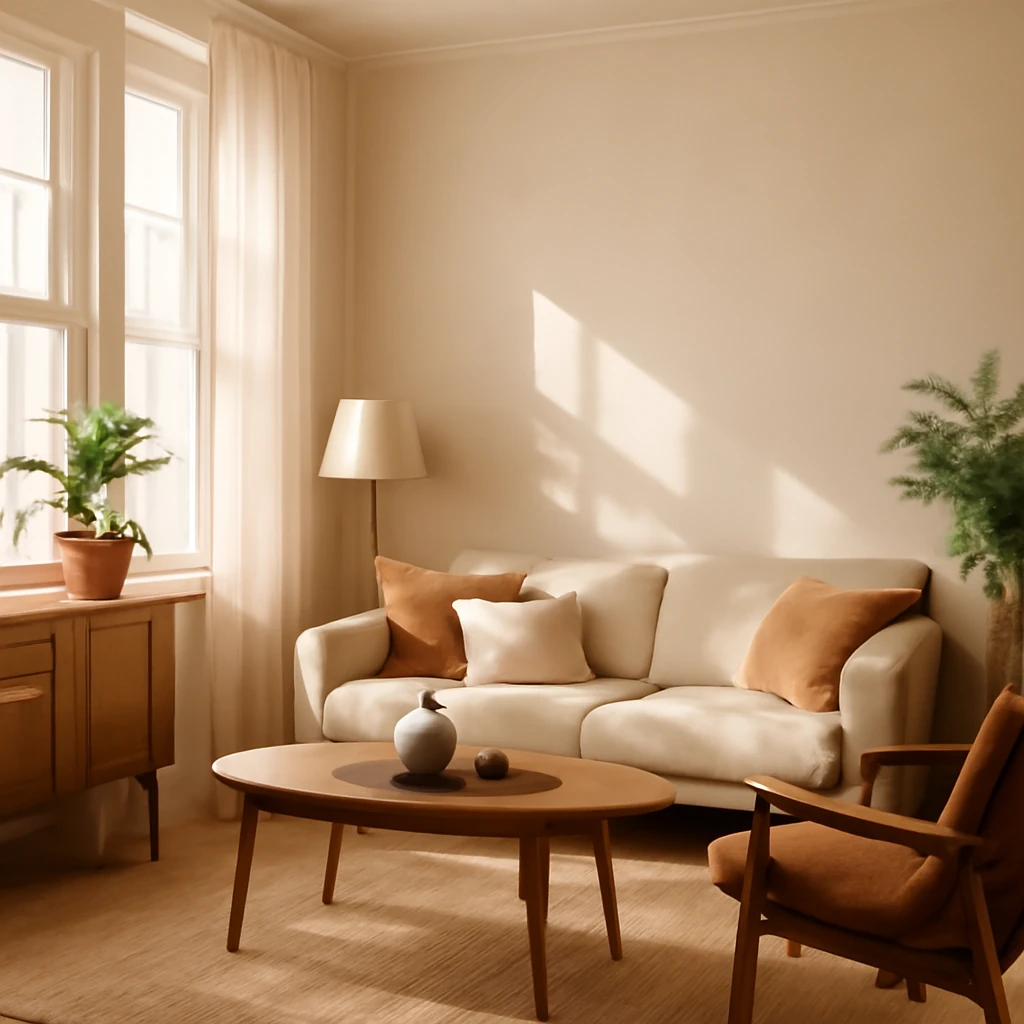
The living room is where retro characters most clearly come to life. A velvet or bouclé sofa in a soft, neutral base can be punctuated by a bold armchair in a contrasting hue. A low‑slung coffee table with a glass top and wooden legs, paired with a slim sideboard, creates a balanced focal point. Accent lighting - crystal pendant lamps or brass table lamps - adds shimmer without overwhelming the space. Choose a wallpaper or a couch upholstery with geometric or floral motifs to anchor the era, and keep walls lighter to let the furniture breathe.
Kitchen
Retro kitchens combine form with practical European ergonomics. Appliances with rounded edges, pastel cabinetry, and ceramic tile backsplashes create a nostalgic mood while meeting contemporary standards for energy efficiency and safety. A tiled or linoleum floor with a retro pattern ties the scheme together. For dining, select a simple table with straight, clean lines and chairs that echo the era but offer modern comfort. A patterned tablecloth or napkins in a classic check or polka dot pattern can be a quick, reversible retro touch.
Dining room
In larger spaces, the dining area can adopt a more pronounced retro language: a solid wood dining table with sculptural chairs, complemented by a sideboard to display vintage glassware. Screen‑printed wallpaper or a wall gallery of vintage prints can create a dedicated retro narrative. Lighting should be warm and generous - think a statement chandelier or pendant that spans the table and creates a cosy atmosphere.
Bedroom
Bedrooms benefit from calming backdrops with subtle retro hints. A bed with a padded headboard in a soft fabric, paired with wood nightstands and a pair of lamps with decorative shades, creates the right mood. Use curtains with geometric patterns or mid‑century motifs, and introduce a retro rug to anchor the space. Textiles in muted pinks, blues or greens provide a gentle wash of colour that remains restful for sleep.
Bathroom
Retro bathrooms can be chic and practical. Consider tile patterns reminiscent of mid‑century bathrooms, a freestanding tub or a claw‑foot style where space allows, and fixtures with rounded edges. Mirrors in decorative frames and brass or brass‑tone hardware provide period cues. Colour choices might include mint, pink, teal or cream, used as wall or tile accents. Modern plumbing and waterproof finishes keep functionality intact while maintaining the vintage vibe.
Entryway and hallway
Entry spaces set the tone for retro styling. A wooden console, a wall mirror with a vintage frame and a few decorative items - such as a clock or a small sculpture - create an immediate sense of character. For storage, choose cabinets or wardrobes with straightforward lines and warm finishes. A colourful rug or runner can guide guests into the home and establish the palette from the first step inside.
Children’s spaces
In a family home, retro‑inspired children's rooms celebrate playfulness. Bright walls, simple wooden furniture and textiles with cheerful prints offer a joyful backdrop for imaginative activities. Consider modular storage, simple desks and chairs with ergonomic design, and textiles that are durable and easy to clean, while still presenting a retro aesthetic through patterns and colours.
Ten essential tips for decorating spaces in retro style
1) Start with a coherent colour base: choose two or three complementary hues and let accent colours energise the room.
2) Invest in a couple of high‑quality vintage pieces that will anchor the scheme and age gracefully.
3) Use textiles with bold, geometric or floral patterns to reference the era without overwhelming the space.
4) Mix materials mindfully: wood, metal, glass and textile finishes should interact rather than compete.
5) Integrate modern comforts: energy‑efficient appliances, smart lighting and concealed storage to keep the look timeless.
6) Layer lighting: ambient, task and accent lighting to create depth and mood.
7) Balance busy patterns with calm walls and soft furnishings to avoid visual fatigue.
8) Curate decorative items thoughtfully: select a few well‑chosen artefacts and avoid overcrowding.
9) Use area rugs to define spaces, soften acoustics and tie the palette together.
10) Portability and flexibility matter: plan arrangements that can adapt as tastes evolve or as spaces change use over time.
Blending retro with modernity: design strategies for contemporary homes
Retro styling does not require a strict adherence to period accuracy. Modern homes benefit from a curated blend: a vintage armchair paired with a contemporary sofa, or a classic sideboard set against a sleek, white wall. Consider a restrained background and let one or two retro anchors stand out as statement pieces. Implementing modern materials - engineered wood, composite surfaces, and smart home technology - ensures the space functions today while preserving a distinct personality.
Pattern mixing can be sophisticated when executed with intention. Use a dominant pattern on a few cushions or one piece of upholstery, and keep surrounding fabrics and wallpapers more restrained. Subtle references can be made through hardware finishes, lighting fixtures, or small decorative items to present a coherent, curated look rather than a collage of eras.
Materials and finishes: practical considerations
Durability and ease of maintenance are important in residential settings, particularly in European homes with high footfall. When selecting materials, consider the balance between beauty and practicality. Wood veneers and solid woods provide warmth and longevity, natural textiles like wool and cotton offer comfort and breathability. For upholstery, performance fabrics that resemble traditional textures (velvet, bouclé) with modern cleaning capabilities make sense in busy rooms. In kitchens and bathrooms, choose surfaces with resistance to moisture and wear, while incorporating vintage cues through tile patterns, hardware, and lighting fixtures.
Budgeting and sourcing: making retro achievable
A well‑executed retro interior is not necessarily expensive. Start with a clear concept and a budget - identify 2–3 anchor pieces that will define the room, then build around them with mid‑priced textiles and accessories. Sourcing can be approached in three ways: vintage markets and reputable restoration shops for authentic items, modern reproductions that capture the look while offering better durability and warranties, and custom pieces commissioned to replicate specific retro silhouettes with modern mechanisms.
When sourcing, verify dimensions carefully. European homes often feature varied proportions, ensure furniture fits through doorways and sits comfortably within the room’s overall scale. For small spaces, choose low‑slung seating and multifunctional pieces to maintain openness while delivering retro character.
Maintenance and care: preserving the retro look
Preserving antique or vintage pieces requires mindful care. Wood furniture benefits from regular dusting and periodic conditioning with appropriate oils or waxes. Upholstery should be cleaned in accordance with fabric type, with professional cleaning for delicate materials. Metallic finishes may develop patina, which is sometimes desirable for authenticity, but should be kept free from corrosion with gentle cleaning. Wallpaper and wall surfaces in retro schemes may require careful cleaning or occasional refreshment to maintain their vibrant character while ensuring the room remains hygienic and durable.
Conclusion: retro as a timeless European language of home
Retro interior design offers a versatile framework for European homes that value warmth, personality and narrative. It can be a gentle nod to the past or a bold statement - depending on the number of era cues you choose to foreground. When done with care, retro styling integrates modern materials, technology and living patterns without losing its charm. The result is a space that feels both nostalgic and current: a home that invites conversation, creativity and comfortable living, year after year.
You may also like these articles
 Renovation
Budget-smart Renovation: European Designer Secrets for a Modern Home
Practical, stylish renovation tips for European homes on a budget.
Kitchen Design
Loft Kitchen Design: Industrial Chic for European Homes
Industrial chic meets European homes: loft kitchens reimagined
Colour & Materials
Pink Interiors: Colour, Style and European Trends for Homes
A comprehensive guide to using pink in European interiors—from subtle elegance to bold statements.