
Explore interior trends, AI design insights, styling guides and real transformations
Rustic style in interiors: natural beauty makes a comeback across Europe
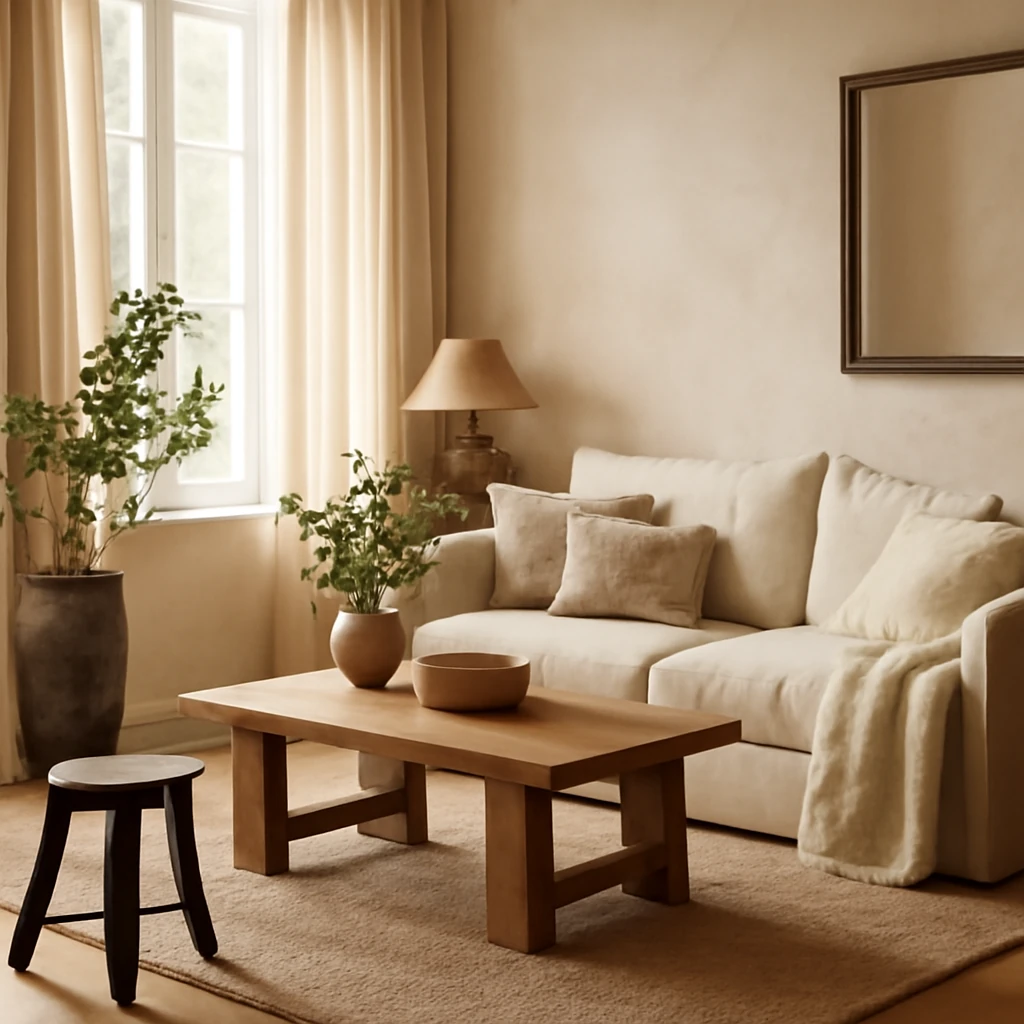
What is rustic style?
In contemporary European homes, the rustic approach to interior design has shifted from a strictly rural ideal into a refined, versatile aesthetic. It celebrates authenticity, tactile materials and a sense of quiet, lived-in warmth that can anchor both city apartments and rural dwellings. The aim is not to imitate a country cottage, but to craft spaces that feel naturally honest: spaces where timber, stone and linen convey character, ageing gracefully rather than disappearing behind glossy finishes. The rustic look offers a practical, sustainable alternative to heavily synthetic surfaces, providing a humane counterpoint to modern tech and urban speed.
Across Europe, the rustic principle translates into environments that are comfortable, durable and easy to live in. Natural lighting, soft textures, and a palette drawn from earth and stone create rooms that feel calm and grounded. The style thrives on restraint: a curated selection of well-chosen pieces rather than a room saturated with decorative objects. The result is a space that reads as honest, warm and timeless, capable of evolving with the occupants over years.
Key features of European rustic interiors
The essence of rustic design rests on a handful of enduring principles. In Europe, where historic architecture and contemporary living often share the same footprint, rustic interiors must negotiate constraints such as compact urban spaces, heritage-listed buildings and energy efficiency targets. The following features are central to a European rustic scheme:
- Natural materials: wood, stone, cork, linen and wool, chosen for authenticity and tactile appeal.
- Minimal processing: surfaces left with their natural textures, knots and grain intact or subtly aged, rather than perfectly polished.
- Earthy colour range: warm browns, ochres, muted greens and greys, with restrained use of colour accents.
- Craftsmanship details: handmade elements, subtle joinery, reclaimed materials and artisanal finishes.
- Function and comfort: robust furniture and practical layouts that prioritise everyday living.
The approach is inherently adaptable: it can be layered into compact city flats or expansive rural homes, while maintaining a consistent sense of shelter and humanity. The goal is not to recreate a rustic fantasy, but to fuse simplicity with elegance, so that the space remains relevant and comfortable in contemporary life.
Wood as the backbone of the rustic interior
Wood is the cornerstone of rustic interiors across Europe. It appears in floors, walls, ceilings and furniture, and even in decorative objects. The beauty of wood in rustic design lies in its natural imperfections: knots, grain, slight colour variation and subtle weathering. These characteristics tell a story of time and use, fostering a sense of continuity with the past while satisfying modern demands for durability and ease of maintenance.
For flooring, wide planks in oak, oak-derived textures, or reclaimed boards are popular choices. When restoration is not feasible, engineered wood or high-quality wood-look finishes can provide the same depth and warmth. In damp rooms such as bathrooms or kitchens, treated timber or board panels with proper sealing are essential to maintain longevity while preserving the rustic character.
Wall treatments may include wood cladding for feature zones or continuous timber panels for a cohesive look. In urban apartments, where full timber walls may be cost-prohibitive, selective timber accents paired with plaster or limewash create a believable rustic effect. The key is to celebrate the material rather than disguise it, allowing natural variations to be part of the design narrative.
Stone and other natural finishes
Stone is another natural material that anchors rustic interiors. It conveys durability and a sense of the countryside, particularly when used for floors, fireplace surrounds or as a wall finish. European contexts offer a rich palette: limestone from the southern regions, granite in the north, travertine in central Europe, and sandstone or slate in various locales. Unpolished or lightly honed finishes preserve the tactile quality of stone, while sealing or lime-based treatments help manage moisture and wear in living spaces.
When stone is not feasible in full, it can be introduced via cladding, tilework or countertops with natural veining and a matte finish. Stone pairs beautifully with timber, brass or bronze hardware, and textured textiles such as linen and wool to enhance the rustic mood without veering into heavy-handed aesthetic.
Colour and artistic finish
The rustic palette across European interiors tends to favour warm, earthy tones. Light to mid browns derived from oak, beech and ash can be complemented by ochre, terracotta and mossy greens. The aim is to achieve a natural, evolved look rather than a bold palette. Significant colour blocking or loud prints are typically avoided in classic rustic spaces, instead, subtle variations in shade and material texture convey depth and interest.
Old or repurposed furniture is prized for its storytelling potential. The “story” comes from wear that is honest rather than artificially created. Fresh finishes are kept respectful of the underlying material, a light patina or a softly aged surface often communicates more character than a newly lacquered piece. In some cases, intentionally distressed finishes or hand-applied patinas can contribute to the sense of history, as long as they remain tasteful and well executed.
How rustic differs from country styles in Europe
In Europe, rustic design is often contrasted with country styles that have American origins or associations with rural nostalgia. The European rustic approach embraces a broader range of materials, techniques and modern comforts, without sacrificing authenticity. Key distinctions include:
- Material diversity: rustic interiors in Europe rely on a wider mix of natural materials (stone, wood, clay, cork, metal) and often incorporate contemporary surfaces that mimic these textures.
- Flexibility with furniture: rather than fully antique furnishings, European rustic interiors blend old and new pieces, balancing provenance with practicality.
- Colour restraint: European rustic palettes lean toward muted, natural tones, whereas some country schemes may feature brighter, more saturated colours.
Ultimately, European rustic interiors prioritise a sense of quiet fortitude, understated elegance and a lived-in comfort that can coexist with modern appliances, energy-efficient systems and urban planning realities.
Rules for creating a rustic interior
Developing a rustic space in a European setting involves careful planning and a few guiding rules. The aim is to maintain harmony between old and new, authenticity and practicality, while respecting the constraints of the building stock and climate considerations.
- Choose a strong anchor piece: a substantial dining table, a robust sideboard or a stone fireplace can anchor the room and set the tonal direction.
- Embrace natural light: maximise daylight with light plaster walls, large sash or casement windows where possible, and unobtrusive window treatments that preserve the view and airiness.
- Balance texture with space: avoid clutter. Rustic design thrives on generous spaces around key pieces and a restrained decorative approach.
- Mix old and new thoughtfully: pair a reclaimed oak table with contemporary chairs, or a vintage chest with a modern storage system for subtle contrast.
- Respect ceiling heights and proportion: in spaces with exposed beams, preserve their character, in lower ceilings, use slender timber accents or faux beams to suggest architecture without crowding the room.
- Consider moisture and durability: in kitchens and bathrooms, select materials that can withstand humidity while preserving the rustic aesthetic, such as limewashed walls, ceramic tiles with a natural finish or timber-look laminates treated for moisture resistance.
Materials: timber, stone and textiles
The materials selected for a European rustic interior should be authentic, functional and visually cohesive. Natural timber is a non-negotiable asset, while stone and textiles round out the tactile layer that makes a space feel truly rustic.
Timber is the backbone of the look. Use it generously for floors, wall panels, doors and furniture. The preference is for boards with visible grain and occasional imperfections. If sourcing reclaimed timber is possible, it enhances the sense of history and reduces environmental impact. When hard-wearing finishes are necessary, select treatments that protect the material while preserving its natural beauty. Engineered wood with a realistic surface texture can be a practical alternative in busy homes.
Stone introduces durability and a grounded feel. Choose stone finishes that are matte and lightly textured rather than overly polished. For budget or space reasons, consider stone alternatives such as ceramic or porcelain tiles with a natural stone look, or lime plaster for walls and fireplaces that mimic the rough character of traditional stonework. Remember to plan for moisture management in kitchens and bathrooms when stone is used extensively.
Textiles such as flax, linen, wool and raw hemp contribute warmth and tactility. Use textiles in upholstery, throws, cushions and rugs to soften hard surfaces. Textiles in neutral tones with a subtle texture keep the space cohesive, while occasional knitted or woven accents can introduce a handcrafted feel without overwhelming the room.
Walls, floors and ceilings
In rustic interiors, walls often speak the loudest language of the space. Wood cladding or stone walls create a sense of enclosure and tactility. Where full cladding is not feasible, limewash or plaster with a deliberately rough texture can convey the same feeling. In damp rooms, such as bathrooms and kitchens, moisture-resistant finishes that emulate wood or stone are practical options without sacrificing the rustic character.
Flooring traditionally uses timber boards in warm tones, sometimes finished with a matte seal to reveal natural grain. In contemporary homes, wide-plank engineered wood or high-quality ceramic tiles that resemble timber can offer durability while preserving the rustic aesthetic. Rugs, especially those with natural fibres, help define zones and add insulation and comfort.
Ceiling design in rustic interiors can feature exposed beams or a crafted illusion of beams achieved through architectural detailing. In modern flats with standard heights, faux beams or light oak slats can create the sense of a rustic ceiling without compromising ceiling height or energy efficiency. The objective is to express architectural honesty while maintaining a balanced proportion in the room.
Furniture and decor
Furniture in rustic interiors should be substantial, comfortable and well proportioned. Modern adaptations of rustic furniture - such as tables with live edges, benches, and chests with heirloom character - are popular in European homes. The furniture should speak to the space rather than dominate it, a single bold piece can act as a focal point, while the rest of the room supports it with restraint.
Decor should be curated with intention. Practical, handmade items such as wicker baskets, clayware, linen textiles, and copper or brass hardware add authenticity. Vintage trunks, open-shelving with visible architectural hardware, and terracotta or ceramic vessels can reinforce the rustic mood without appearing dated. Avoid over-decorating with figurative ornaments, the beauty of rustic interiors lies in the quality of a few well-chosen pieces rather than a room full of items.
Lighting for rustic ambience
Lighting in rustic interiors should be warm, diffuse and welcoming. Use fixtures with a handcrafted vibe - stone or ceramic bases, wrought iron, or aged brass - paired with soft white bulbs in the 2700–3000 kelvin range to emulate candlelight and create cosy nooks. The layering of light is essential: combine ceiling light with task lighting at work surfaces and ambient pieces near seating areas. Natural light remains a key element, large windows, sheer fabrics and light-coloured walls help to maintain airiness while the rustic textures do the heavy lifting on the tactile side.
Small spaces and urban contexts
One of the most satisfying challenges in European cities is shaping rustic interiors within compact dwellings. The strategy here is to focus on a few strong wood or stone elements that read as the room's backbone, then layer texture and light around them. Consider the following approaches for small spaces:
- Light-colour foundations: use pale plaster walls and light floors to reflect available daylight and prevent the room from feeling cramped.
- Built-in storage: optimise vertical space with timber shelving and integrated cabinetry that reduces clutter and preserves the calm rustic ambience.
- Texture over clutter: concentrate on a handful of high-quality textures - linen, wool, timber, stone - rather than accumulating decorative objects.
- Pared-back furniture: select fewer, larger pieces with honest detailing rather than many small items, a solid dining table or a bench can anchor the space effectively.
Concrete examples of European rustic setups
In urban Europe, a compact apartment can reveal a rustic personality through a carefully composed scheme. Imagine a living area with wide timber floorboards, a plaster wall with a soft limewash finish, and a large timber dining table paired with chairs that feature clean, modern lines. A stone-clad hearth or a fireplace surround serves as a visual and emotional anchor, even if it is non-functional. Lighting is layered with a warm glow: a ceiling fixture in aged metal, a pair of pendant lamps over the dining area, and a bank of floor or table lamps to carve intimate zones.
A kitchen could adopt a rustic-modern fusion: timber cabinetry with a natural stain, a stone or ceramic worktop, and simple metal hardware. The backsplash might be a tile with a matte finish that imitates stone, while open shelving displays earthenware and copper pots. In a bathroom, limewashed walls or tiles with a textured surface pair with a wooden vanity and stone basins for a spa-like yet robust atmosphere.
Maintenance and care
Rustic interiors are remarkably durable when materials are selected with longevity in mind. Regular maintenance helps preserve the authenticity of the space. A few practical tips include:
- Wood care: keep timber surfaces clean with a damp cloth, avoid harsh chemical cleaners, and re-oil or wax periodically to maintain depth of colour and protection from wear.
- Stone upkeep: seal porous surfaces where necessary, clean with pH-neutral cleaners, and address chips or cracks with compatible fillers to keep the texture intact.
- Textile maintenance: wash natural fabrics according to care labels, use natural fibre rugs or carpets with appropriate underlay to prolong life and maintain the soft feel of the room.
- Climate considerations: ensure adequate ventilation to prevent moisture build-up, particularly in historic homes with timber elements and limewash finishes.
Palette, materials and how they work together
To achieve a cohesive rustic interior, coordinate the palette and materials with care. Start with a neutral base: warm whites, soft greys or pale taupes for walls and ceilings. Introduce timber tones through furniture and architectural details. Then layer textures with textiles, handmade ceramics and woven accessories in the same family of colours. The aim is a harmonious, layered look rather than a mosaic of colours and patterns.
Lighting and colour should reinforce the natural feel: choose lamps and fixtures with warm finishes like brass, copper or aged steel, keep window treatments light to maintain brightness, and ensure the overall rhythm of the room is calm and reassuring. This approach creates spaces that feel grounded yet ready for modern living, where digital devices and everyday routines coexist with a rustic, tactile environment.
Adapting rustic design to diverse European contexts
Europe's architectural heritage is diverse - from compact northern flats to sunlit southern farmhouses and alpine retreats. Rustic design must respect local buildings, climate, and lifestyle. In northern climates, insulation, energy performance and durable surfaces take precedence, so timber and stone are paired with thoughtful sealing and efficient heating. In warmer, sun-drenched regions, thick plaster, limewash and light-coloured stone can help regulate temperature while preserving rustic character. Across cities, architects and designers balance heritage protection with modern comfort by selecting materials and finishes that age gracefully and remain repairable.
The enduring appeal of rustic interiors
Rustic interiors are not a passing trend, they represent a philosophy of living in harmony with nature and materials. The style offers a durable template for homes that are both aesthetically satisfying and practically resilient. The European take on rustic design embraces authenticity, craftsmanship and a restrained, sophisticated mood that can adapt to evolving tastes and technologies. It invites occupants to slow down, to value textures and tactility, and to cultivate spaces that grow with them over time.
Conclusion
As interior design evolves, rustic style remains a vital thread in European homes. By focusing on natural materials, honest finishes and a calm, adaptable palette, designers and homeowners can craft spaces that feel both connected to the landscape and perfectly suited to modern living. The rustic approach champions sustainability, longevity and a sense of belonging - qualities that are especially prized in today’s fast-paced world. Whether in a city loft, a rural farmhouse or a compact retreat, the rustic interior offers a timeless blueprint for comfort, character and enduring beauty.
You may also like these articles
 Tips & How-To
Creative Wall Decor: 20 European-Style Ideas to Transform Your Walls
Twenty stylish wall ideas to transform European homes with colour and texture.
Renovation
Turnkey Renovation for European Homes: A Complete Design & Build Guide
Everything you need to know about turnkey home renovations across Europe.
Tips & How-To
11 Fresh Ideas to Organise Kitchen Storage in European Homes
Clever storage ideas to maximise European kitchen space.