
Explore interior trends, AI design insights, styling guides and real transformations
Awe-inspiring art objects that translate into European interiors
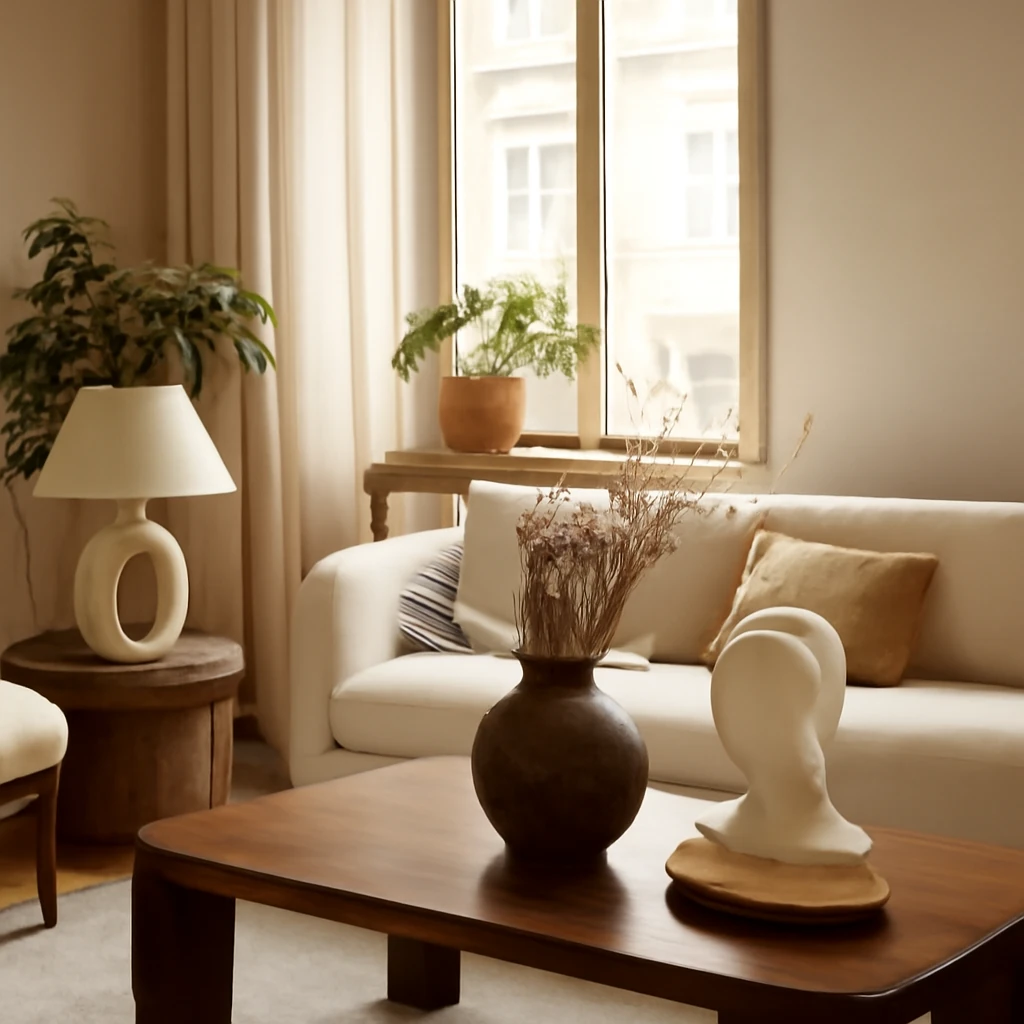
Introduction: art as a catalyst for European interior design
Across Europe, interior designers are increasingly looking beyond furniture to source objects that alter perception, texture space and light. Large-scale installations, sculptural curiosities and carefully engineered artefacts can redefine a room as much as an ambitious colour palette or an impeccably crafted furniture collection. The most successful interventions combine craft, sustainability and a clear design logic, translating the drama of public art into domestic environments. This feature presents a carefully curated set of thirty art objects and concepts that designers can adapt for living rooms, studios, foyers and private chambers, with practical takeaways on materials, proportion, lighting and maintenance.
These notional works span a spectrum of approaches - from reflective surfaces that multiply daylight in compact flats to tactile timber Assemblies that add warmth and acoustic comfort, from modular geometric forms to biomimetic shapes inspired by nature. The aim is not to imitate but to translate essence: scale, light, material honesty and responsive design that ages well in European towns and cities where space is at a premium and climate considerations matter.
The 30 art objects: ideas that translate into interiors
Each entry presents a notional concept, its interior-design lessons, and ideas for implementation in European contexts. Use these as creative prompts to work with local craftsmen, fabricators and lighting specialists, adapting to your room size, ceiling height and maintenance routines.
- Mirrored Gate - a large-scale arch formed from curved mirror panels. Reflects the room and exterior views to visually extend space, accentuates daylight, and creates a performance of light and shadow. Design takeaway: install as a room divider with a softened edge, opt for high-quality, shatter-resistant panes and secure mounting for long-term safety in living spaces.
- Timber Lattice Pavilion - a freestanding lattice made from warm timber slats, forming a pavilion-like sculpture. Adds texture, sound diffusion and a sense of enclosure within an open-plan scheme. Design takeaway: consider kiln-dried timber with natural oils for durability, place near seating to encourage gathered conversations and acoustic comfort.
- Prismatic Cloud - a cloud-like assembly of multi-faceted translucent prisms suspended at varying heights. Breaks light into colour fringes while tempering glare. Design takeaway: coordinate with ceiling lighting to create a shifting ambience, group with muted furnishings to keep the sculptural cloud as the focal point.
- Water-etched Glass Wall - tempered glass with etched ripple patterns that refract light and inject subtle texture. Design takeaway: use as a feature wall in a hallway or study to add tactility without visual heaviness, pair with soft upholstery for balance.
- Kinetic Light Ribbon - flexible LED ribbons woven through a frame, gently moving with air currents or occupant motion. Design takeaway: incorporate dimmable lighting to modulate mood, ensure ventilation pathways remain unobstructed for safety and performance.
- Stone Array - a wall-mounted arrangement of natural stone discs varying in size and finish. Conveys a tactile rhythm and a connection to the earth. Design takeaway: use as a tactile feature in a gallery wall or a textured backdrop for a sofa, seal stone to protect against staining in high-traffic areas.
- Marble Veil - a sweeping sheet of marble, cut into a wave-like form that sweeps across a wall. Design takeaway: to avoid a heavy look, pair with light-coloured walls and slim-profile furniture, consider under-counter lighting to enhance veining.
- Reflective Dome - a hemispherical aluminium or polished metal dome that creates a mirrored panorama of the room. Design takeaway: install where natural light is strongest to maximise reflection, mount at a height that avoids direct glare in seating zones.
- Terracotta Tapestry - an expansive fabric or ceramic tile panel with a subtle geometric motif. Adds warmth and a tactile punch to contemporary interiors. Design takeaway: use in a kitchen or dining area as an accent wall, craft with modular panels for adaptable sizing.
- Glass Skyline - a cascade of glass panels in varying thicknesses forming a vertical silhouette. Design takeaway: employ in stairwells or high-traffic landings where light diffusion is beneficial, ensure anti-slip walls near the base if the installation extends to floor level.
- Timber Mesh Screen - a carved timber screen with perforations that reveal glimpses of the space beyond. Design takeaway: use to create intimate corners in open-plan rooms, combine with soft seat cushions and warm lighting to invite gathering.
- Coral-like Resin Scaffold - an organic, branching form created from resin in natural tones. Design takeaway: relate to coastal or lakeside interiors, position in a sunlit corner to catch reflective highlights.
- Brass Ribbon Wall - a continuous brass strip pattern mounted as a wall sculpture, glistens when light shifts. Design takeaway: pair with neutral walls and timber accents, refine with cleaner lines in surrounding furniture to avoid visual competition.
- Terrazzo Dream - a terrazzo panel with micro-pieces of stone and glass embedded in cement. Modern yet timeless. Design takeaway: great as a feature wall or a bespoke kitchen splashback, choose a palette that harmonises with cabinetry and flooring.
- Stone Helix - a helical column of vertically stacked stones that spirals from floor to ceiling. Design takeaway: acts as a sculptural column in large rooms or atria, coordinate with vertical lighting to emphasise the form.
- Floating Canvas - a light-absorbent textile stretched over a shallow frame creating a soft, floating appearance. Design takeaway: ideal for bedrooms or lounges where a gentle, cocooning atmosphere is desired, use high-thread-count fabrics for longevity.
- Solar Ribbon Sculpture - slender metal ribbons angled to catch sun as it travels across the day. Design takeaway: install near windows to capture changing light, pair with high-gloss or matte surfaces to play with reflections.
- Geometric Mesh - a lattice of metal panels forming a tessellated surface with shadow play. Design takeaway: lends a contemporary edge to hallways, balance with solid furniture pieces to avoid visual overload.
- Liquid Mirror - a shallow reflective pool or lacquered surface that mimics a still body of water. Design takeaway: introduces tranquillity to busy zones, keep the area dry and maintain a precise level to preserve the mirror effect.
- Biophilic Structure - an arrangement of plant-inspired forms crafted from natural materials like rattan or cork. Design takeaway: fosters a sense of nature indoors, ensure proper light, humidity control and maintenance for longevity.
- Crystal Curtain - a vertical curtain of cut crystals or glass droplets that refracts light like a prisms. Design takeaway: use as a luxe feature in entry halls or dining rooms, maintain gentle cleaning regimes to preserve clarity.
- Pebble Wall - a textured wall surface created from a field of smooth pebbles embedded in plaster. Design takeaway: adds tactile richness to bathrooms or bedrooms, seal to protect against humidity and staining.
- Plaster Relief - a sculpted plaster panel with a shallow relief pattern. Design takeaway: adapt to smaller walls to avoid overpowering a space, paint in a slightly warmer or cooler tone to suit scheme.
- Neon Arcs - soft curved neon tubes arranged in a sweeping arc. Design takeaway: ideal for contemporary workspaces or lounges, select dimmable LEDs and proper cable management for a clean finish.
- Epoxy Ocean - a resin floor or wall treat with translucent swirls reminiscent of the sea. Design takeaway: brings depth to minimal interiors, ensure slip resistance where used on floors and use in low-moisture zones indoors.
- Felt Sea urchins - modular felt spheres daisy-chained to create a soft sculpture. Design takeaway: extremely tactile and sound-absorbing, great for home theatres or bedrooms - combine with plush textiles for a cosy vibe.
- Glacial Forms - a collection of matte, angular forms resembling ice masses carved from stone or ceramic. Design takeaway: introduces a cool, sculptural vocabulary, pair with warm woods to balance temperature in the room.
- Silicon Lace - a delicate lattice of translucent silicone filaments. Design takeaway: light and airy, ideal for screens or partitions in compact homes where privacy is still required.
- Amber Prism - a series of amber-toned prisms suspended at different heights. Design takeaway: warm glow windows into autumnal palettes, coordinate with brass fixtures and cognac-coloured leathers.
- Root Tableaux - a botanical-inspired composition of root-like forms in wood or stone. Design takeaway: anchors a living room with an organic presence, adapt size to scale the room and avoid overwhelming surrounding furniture.
- Cloud of Seeds - a suspended cluster of seed pods or dried botanical forms. Design takeaway: evokes nature through texture, use in a conservatory or sun-lit corner with minimal other ornament.
- Iron Dunes - a dune-like form carved from iron or steel with a matte patina. Design takeaway: introduces sculptural mass to a foyer, protect from fingerprints with a clear protective coating.
- Wave Console - a console piece whose profile mimics a sine wave, crafted from metal or engineered wood. Design takeaway: a dramatic element behind a sofa or in a reception area, balance with solid wood or stone tops for durability.
- Feather Light Box - a lightweight volume with a perforated exterior that lets light pass softly through. Design takeaway: ideal for bedrooms or studies, combine with sheer drapes to soften daylight.
- Sunken Flora - a shallow landscape embedding living moss and flora into a sunken tray. Design takeaway: creates a living sculpture, requires a controlled environment and regular moisture management for longevity.
- Polished Coral - a coral-inspired sculpture finished in high polish to reflect surrounding tones. Design takeaway: adds glamour to a high-contrast space, keep surrounding textiles matte to prevent competition.
- Geode Light Wall - illuminated geode-inspired cavities arranged in a grid. Design takeaway: a striking focal point, install with dimming to modulate intensity and reveal subtle colour shifts.
Putting these ideas into practice: translating art objects to European homes
To integrate these notional installations into real interiors, designers should start with a clear brief. Consider the room’s purpose, natural light, ceiling height and the cadence of furniture. The most successful translations uphold a few universal principles: proportion matters, light is a co-designer, and material honesty grounds the concept in reality.
Proportion and placement are essential. A 3–4 meter high feature might be perfect in a tall-ceilinged apartment or a quiet corner of a boutique hotel lobby, but in a compact urban flat it becomes a dramatic statement that requires careful balancing with low-profile furniture and generous negative space. In contrast, smaller sculptural pieces or modular panels can be scaled down to fit corridors, mezzanines or alcoves without losing their impact.
Material choice sets the tone. Reflective surfaces such as mirrors or polished metals amplify light and create a dynamic interaction with the room. Textured materials like timber, stone or felt add tactility and warmth, anchoring more conceptual artefacts in the lived experience of a European home. When mixing materials, aim for a restrained palette. A single bold element paired with natural, neutral surroundings often yields the most enduring elegance.
Lighting is the companion in any installation-led design. Where a piece is heavily involved with light - prisms, ribbons, or translucent volumes - consider controllable layers: ambient ceiling light, task lighting for seating zones and accent fixtures that highlight the sculpture without creating glare. In northern European climates, good daylighting remains essential, use reflective surfaces to maximise daylight during winter and to keep interiors visually expansive.
Maintenance and practicality should not be afterthoughts. Metal surfaces require periodic cleaning and protective coatings. Marble and stone demand sealing to prevent staining and etching. Textiles and felt require gentle cleaning methods. When planning installations for homes, ensure that mounting hardware is robust and that the piece can be serviced without major disruption to the space.
Finally, collaborate with local craftspeople. European workshops specialising in metal, timber, glass, ceramic and textile fabrication can realise these concepts with genuine craftsmanship and sustainable practices. By translating ideas into technically sound, production-ready pieces, you achieve interiors that feel both expressive and durable.
Closing thoughts: designing with awe, in a European context
Art installations in interiors are not about replicating a gallery experience in the living room. They are about translating the drama of scale, the tactility of materials and the poetry of light into spaces where people live, work and entertain. The thirty notional objects outlined here offer starting points - concepts you can commission, adapt and refine with fabricators, lighting designers and craftspeople across Europe. Whether you are designing a cosmopolitan city apartment, a countryside retreat or a contemporary town house, the right art object can become a daily source of wonder and a defining feature of your home.
You may also like these articles
 Renovation
Timeline Masterclass: Planning and Speeding Up European Apartment Renovations
Practical guidance for predicting and accelerating European apartment renovations.
Interior Design
Scandinavian Calm: Minimal Warmth for European Homes
Nordic-inspired interiors for cosy, clutter-free European homes.
Renovation
Cosmetic versus capital renovation: planning a smarter European home upgrade
A practical guide to choosing cosmetic or capital renovation across Europe.