
Explore interior trends, AI design insights, styling guides and real transformations
Designing a Small Hallway: European Solutions for Space and Style
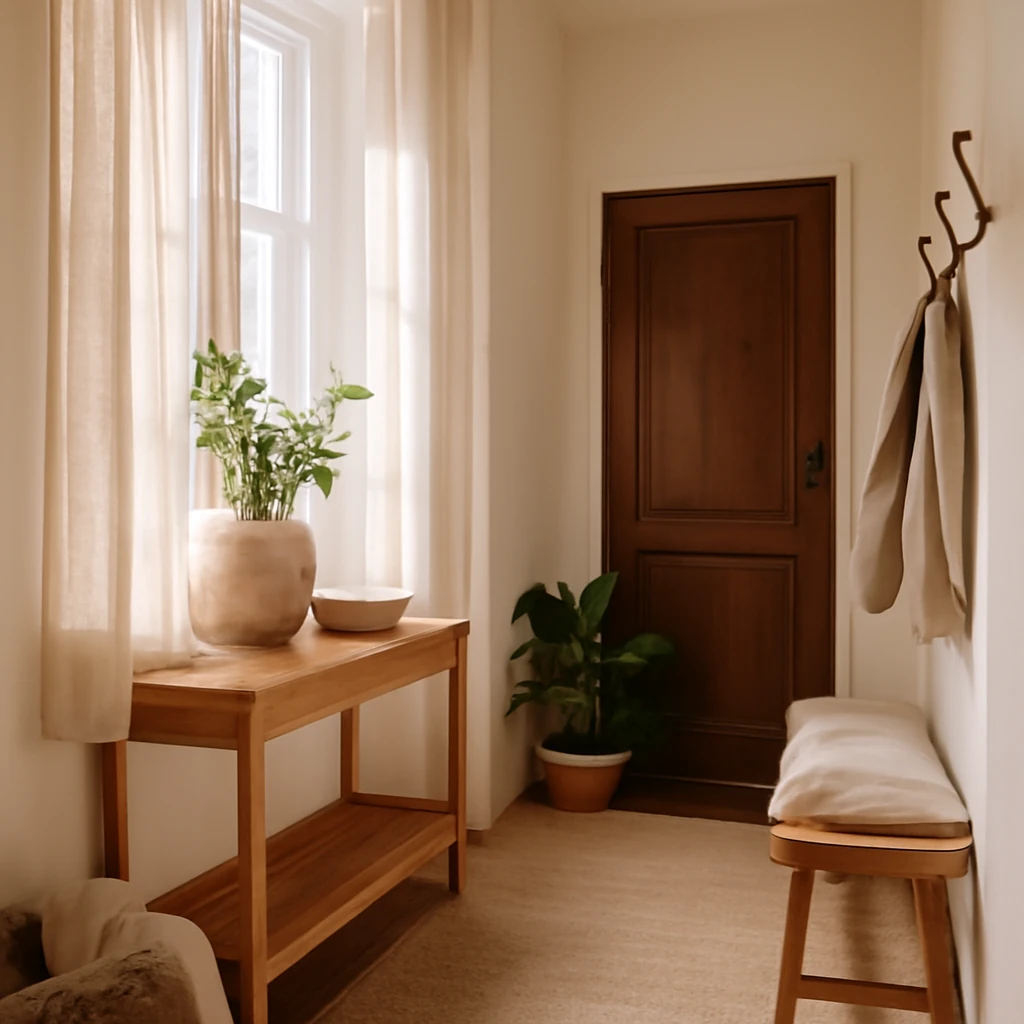
Introduction
A compact hallway can present a real design challenge for any project. The goal is to create a sense of airiness and clarity while still providing practical storage for coats, footwear, umbrellas and everyday essentials. Achieving this balance requires careful planning, thoughtful proportioning and an honest assessment of how the corridor connects with the rest of the home. In many European residences, corridors are a thoroughfare rather than a destination - longer and narrower passages common in older urban layouts, or compact naves tucked between living spaces in newer developments. A well executed small hallway sets the tone for the whole home: it should be welcoming, durable and visually coherent with the chosen interior language.
This article offers a comprehensive approach to designing or renovating a small hallway in a European context. It emphasises light, durable finishes, built in storage and furniture proportioned to the space, while ensuring the design remains faithful to a clear, efficient style. The advice below is applicable to a range of flat types, from contemporary city apartments to compact maisonettes, and prioritises plan first, style second.
Characteristics of a Small Hallway
- Light colours – pale tones reflect daylight, making the corridor feel larger and more welcoming. A white base with soft greys and ivory can create an unfussy, timeless backdrop that supports bold accents elsewhere in the home.
- Easy maintenance – walls, floors and furniture should be robust and easy to clean. Surfaces in the dirty zone near the door should resist scuffs, moisture and everyday wear.
- Multifunctionality – in a small hallway, furniture frequently performs more than one job. A wardrobe might double as a display feature, while a bench can provide a practical seating area and discreet storage. Flat-pack or built in storage can maximise space without compromising flow.
Plan ahead to establish a logical layout before the renovation begins. A coherent approach helps ensure the final space remains functional, coherent with the chosen style, and free from visual clutter.
Assessment of Layout and Proportions
Small or narrow hallways are not a deficit, they are a design parameter. With a considered approach, even a 4 m² corridor can be transformed into a comfortable, efficient passageway that confidently leads guests from entry to living spaces.
Let in Light
Light is the most powerful agent in shaping perception. Where possible, widen door openings to connect the hallway with adjacent rooms such as the living room or dining area. If a solid swing door blocks the flow of light, replace it with a sliding or pocket door. These options preserve space, remove dark dead zones and reduce the feeling of enclosure which is especially important in narrow passages.
In European interiors, prioritising daylight is often about exploiting transitional spaces. Consider removing one heavy door or substituting traditional frames with lightweight, high-performance systems that allow light to pass through while maintaining acoustic separation where needed.
Use Every Inch
Older urban apartments, as well as contemporary compact layouts, frequently feature small storage alcoves or alcove-like recesses. Reconfigure these spaces into built in wardrobes or shallow storage nooks. A well designed niche can hide coats, shoes, cleaning products, or even a compact washing machine behind a discreet door. Built in storage helps maintain a neat silhouette and reduces the need for freestanding furniture that can visually crowd the corridor.
Decorating and Furnishing
Lighting - Multi‑Layered
A layered approach to lighting makes a small hallway feel larger and more welcoming. Combine ambient ceiling lighting with wall brackets, concealed LED strips under shelves or furniture, and task lighting near mirrors or seating. Avoid heavy, single‑source lighting that creates stark shadows or large dark corners. If you can, plan lighting schemes during the demolition or renovation stage so wiring, switches and fittings are placed for maximum effect and ease of use. A well conceived lighting plan can dramatically change how space is read, with multiple layers guiding you through the passage.
Colour - Neutral
Choose a neutral, cohesive colour palette to extend the sense of space. Pale whites, soft ivories, light greys and warm creams work well in most European contexts and pair with a wide range of materials and textures. On light walls, defects are less visible, and the overall space reads as brighter and larger. Introduce subtle colour through a small amount of furniture or decor – a bold shoe storage unit, a statement bench, or an accent chair – to keep the space interesting without overwhelming it.
Neutral schemes are versatile: they support different design directions, from contemporary to rustic, and can be refreshed with small, inexpensive updates such as textiles or accents. A practical tip is to keep larger items in a consistent finish and introduce colour in accessories that can be swapped with seasons or trends.
Finishes and Materials
Flooring - Practical
Choose flooring that is durable, easy to clean and capable of withstanding heavy foot traffic and moisture at the doorway. Popular European options include porcelain or ceramic tiling, luxury vinyl tile (LVT) or robust engineered wood with a sealant suitable for high wear. Direction matters: laying tiles or planks lengthwise along the corridor can enhance perceived length, while running them across the width can visually widen narrow spaces, a diagonal pattern offers a compromise and can visually soften transitions. A continuous floor across the hallway and adjacent rooms creates a seamless, unbroken line that enlarges perception of space.
Walls - Uniform
If the hallway accommodates a bench or seating, choosing one wall to carry the main finish helps maintain a calm, cohesive look. The wall that bears the brunt of daily contact – for example where people lean or rest – should be finished with robust, washable materials such as durable paint, washable wallpaper or moisture‑resistant panels. In a compact corridor, avoid competing textures and colours on different walls. A single finish across all walls minimises visual distractions and contributes to a more expansive feel.
Ceiling - Minimal
Keep the ceiling clean and simple. A light, matte finish with discreet recessed lighting or slim profile fixtures is ideal. If ceilings are uneven or require alterations, consider concealed lighting within coves or behind mouldings to render a soft glow that expands the room. A plain ceiling helps the space feel uncluttered and balanced.
Furniture and Decor
Wardrobe - Minimalist
In an irregular or limited hallway, bespoke or modular wardrobes can optimise storage while preserving floor area. Built in wardrobes integrated into the wall maximise the available width by removing freestanding bulk. If a custom solution is not feasible within budget or lead times, select a wardrobe with a shallow depth and a modular system that can be adapted to the space. Where options are limited, consider building a gypsum board niche and installing a fitted cabinet to hide clothes, cleaning items and electrical connections. A well planned built in provides a clean, continuous line, which visually expands the corridor.
- Think about multi‑function storage such as a wardrobe with integrated seating or a pull out shoe rack
- Use a finish that matches or complements surrounding walls for a seamless look
- Consider soft close mechanisms and adjustable shelving to maximise flexibility
Mirror - Large
Mirrors are a classic solution for small spaces. A full height or full length mirror can double the perceived depth of a corridor and reflect more daylight. If floor space is limited, mount a full height mirror on the wall or use a mirror front on a slim wardrobe. A wall of mirrors or a large reflective panel can visually expand the corridor, while a mirrored cabinet can hide utilities and keep surfaces uncluttered.
- Très large mirrors visually extend the space and brighten the area
- A mirrored wardrobe front can subtly enlarge the corridor
- Consider a reflective mosaic or a frame with a refined finish to add interest without overpowering the space
Decor - Functional
Avoid overloading a small hallway with heavy decorative elements. Choose decor that serves a purpose or can be easily updated. Think of sculptural lighting, a refined bench, pared‑back shelving, mirrors, and a few well-chosen accessories. Cohesion is key: select materials and finishes that harmonise with the rest of the home. The aim is to create a calm, orderly atmosphere, not to clutter the path from door to living room.
Interior Styles for Small Hallways
Minimalism
Minimalist hallways rely on clean lines, restrained colour palettes and concealed storage. Materials such as plaster, glass, metal and light woods are typical. The emphasis is on geometry and quiet precision. Lighting is multi‑layered and integrated, with a preference for hidden or discreet fittings. The outcome is a streamlined, airy corridor that remains highly functional.
Contemporary
Contemporary hallways blend practicality with subtle luxury. Smooth surfaces, soft textures and a restrained use of ornament define this language. The goal is to balance tactility and technology, with smart home features that do not overwhelm the space. A contemporary corridor may feature a slim console, a tall mirror and a few curated objects that underscore the room’s purpose without competing with the overall composition.
Scandinavian
Scandi corridors prioritise warmth and simplicity. Pale timbers, white walls and light textiles create a friendly, bright atmosphere. Storage tends to be compact and understated, often with natural materials such as wood, rattan or wicker. A touch of vintage or handmade accessories adds character without cluttering the space.
Loft
Loft inspired corridors celebrate raw materials, open wiring details and a purposeful ruggedness. Concrete or brick textures, metal fittings and exposed pipes can be deliberately integrated, balanced by pared down furniture and a thoughtful colour scheme. Decorative elements lean toward industrial chic rather than ornate finishes, keeping the pathway clear and easy to navigate.
Classic
A classic hallway exudes timeless elegance through symmetry, refined details and durable materials. Materials such as marble or stone effect tiles, mouldings and upholstered seating can be used, but the overall composition should retain a quiet, orderly cadence. A classic approach can be warm and inviting when paired with soft lighting and carefully chosen textiles.
Six Common Mistakes in Small Hallway Design
Avoiding these missteps helps ensure the corridor remains both beautiful and highly functional.
1. No furniture
Even the smallest hallway benefits from essential items: a coat rail, a mirror, a shelf or niche, a seating surface and a shoe storage solution. The presence of these elements in a coherent arrangement is more important than the particular style used.
2. Overloading with details
A small space can quickly become visual clutter if too many patterns, textures or decorative items compete for attention. Embrace restraint and use a clear hierarchy of materials and finishes to maintain calm and legibility.
3. Floor junctions
Transitions between flooring materials can interrupt the flow of a corridor and visually shorten the space. Where possible, keep a single flooring material throughout the hallway and adjacent rooms to sustain a seamless, uninterrupted plane.
4. Furniture on low legs
In a compact hallway, furniture that sits high off the floor or is wall mounted tends to enhance the feeling of space as it leaves more visible floor area for the eye to travel. Suspended pieces also ease cleaning with a robot vacuum and help the room read as lighter and more expansive.
5. Inconvenient light switches
Ensure the control points for lighting are convenient. A common solution is to provide a secondary switch near the door to avoid returning to a dark corridor. Thoughtful placement of switches improves daily use and reduces the need for wandering with the light on in every room.
6. Too small a doorstep mat
If there is no entry vestibule, a small mat near the door can trap dirt effectively, but it should not create an obstruction. Opt for a slightly larger than standard mat that can accommodate two sets of shoes, or consider a recessed floor mat to keep the threshold visually calm.
Successful Solutions
Accent Door
A door can act as a design feature rather than simply a barrier. A door finished with a distinctive texture or colour, or one enhanced by a mirror panel, can become an architectural focal point within a cohesive palette. The door should harmonise with the walls and furniture, but it can also offer a subtle point of contrast that enlivens the corridor.
- Choose doors with a refined profile that reflect the room’s scale
- Consider mirror or glass panels to bounce light further
- A well chosen door finish can set the tone for the entire space
Space for Small Items
Sorting baskets and integrated baskets keep small belongings tidy. Categorise items by function: hats, scarves and gloves in one basket, umbrellas in another, outdoor toys or accessories in a third. Material choices should align with the overall interior language: steel for a loft aesthetic, woven materials for a rustic or Provencal feel, plastic for a lighter, Scandinavian vibe. When baskets are visible, ensure the contents are neatly arranged or concealed behind doors or within a slim cabinet to maintain visual calm.
- Group items by use and store them in a compact, coordinated system
- Match the baskets’ finish to the surrounding space for a unified look
- Prefer concealed storage for a clean line in the corridor
Hooks at Different Heights
Family members come in varying heights, so place hooks at multiple levels. This approach improves accessibility and reduces crowding on one rail. Decorative hooks can also become tactile, sculptural elements that contribute to the hallway’s character.
Shoe Tray
A practical tray or tray system near the wardrobe keeps dirt contained and shoes orderly. Choose trays with drainage or slotted bases to reduce moisture buildup. Placing the tray beneath a built in wardrobe helps maintain a tidy, seamless appearance.
Challenging Shades
If pastel tones feel dull, introduce colour through controlled combinations. For small corridors, opt for complex, refined palettes rather than pure saturated hues. For example, olive can substitute green, deep wine for red, and teal for blue to create depth without visually overpowering the space.
Conclusion
Even a very small hallway can be transformed into a beautiful, functional area with a few simple rules. The key is to plan thoroughly and prioritise light, continuity and storage that fits the space. Practical lighting, a cohesive colour story and carefully chosen furniture will help the corridor feel larger and more inviting. Remember these core ideas:
- Whenever possible, remove or widen doors to invite more light into the hallway.
- Replace doors that block the corridor with sliding or folding options to enhance ergonomics and flow.
- favour light colour schemes and functional, restrained decor for compact spaces.
- let reflective surfaces such as mirrors and glossy fronts visually enlarge the corridor, and consider diagonal floor layouts to add dynamism.
- favour furniture on high legs or wall mounted pieces to visually lighten the floor area and aid cleaning.
Ideas Gallery
- European apartments across diverse cities demonstrate that a well proportioned hall can feel expansive when light, materials and storage are coordinated.
- Projects with built in wardrobes, large mirrors and minimal decorative elements show how to maintain calm while delivering daily practicality.
- There are many successful approaches that combine contemporary materials with classic details, creating timeless corridors that adapt to changing tastes.
- In compact homes, architects frequently integrate entrances with living spaces via generous door openings and transitional lighting strategies to create a sense of continuity.
- Colour is used sparingly but effectively, often via a standout storage piece or a statement seating element to inject personality without overpowering the space.
- Textiles, textures and subtle geometry contribute warmth and tactility while preserving a clean, unified look.
- Ultimately, the best small hallway ideas balance practicality with a confident, refined aesthetic that supports the rest of the home’s design language.
You may also like these articles
 Living room
Sofas for every space: shapes, mechanisms and practical guidance
A definitive guide to choosing the perfect sofa for every room.
Bathroom Design
Four Square Metre Bathrooms: European Design Solutions for Small Homes
Ingenious design ideas to maximise a 4 m² European bathroom.
Small Spaces
Crafting a functional 5 m² kitchen: layout strategies for European homes
Smart ways to outfit a 5 m² kitchen with clever storage and style.