
Explore interior trends, AI design insights, styling guides and real transformations
Rethinking Ceilings: European Trends in Finishes, Light and Form
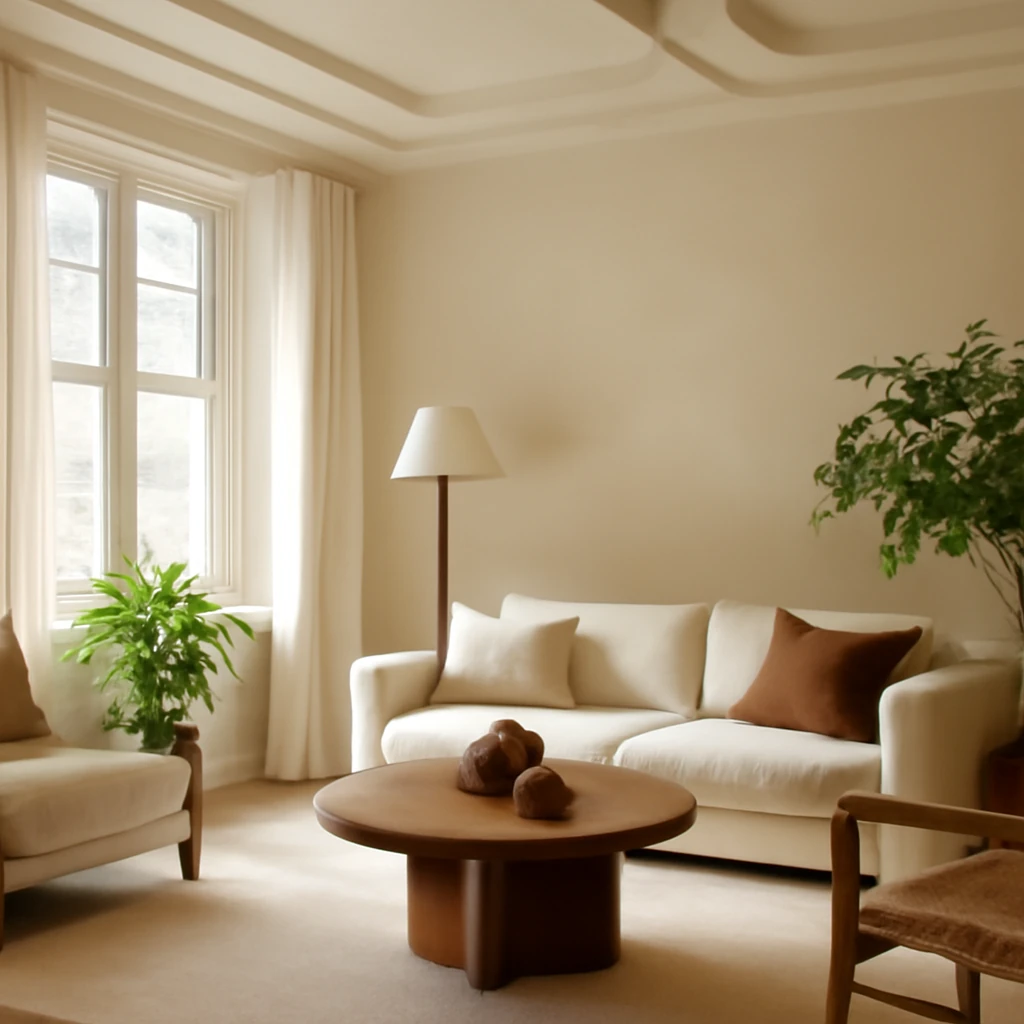
Ceiling design as a defining feature of modern European homes
In European interiors the ceiling is no longer merely a utility surface. It has become a strategic element that can visually enlarge spaces, improve acoustics, control light and express a home’s character. This article surveys current trends, materials and practical strategies for designers and homeowners working in city apartments and country houses alike, with a focus on durability, sustainability and timeless appeal.
Modern ceiling design trends
Today’s ceilings aim to expand space, optimise function and create a calm, cohesive colour language. The most influential trends include:
- eschewing wallpaper on ceilings in favour of contemporary finishing materials that hide imperfections and deliver long service life;
- moving away from pure white towards eco-friendly and ethnically inspired hues that harmonise with the room’s mood;
- achieving originality through layered materials, varying ceiling levels and integrated lighting that subtly enhances atmosphere.
Classic principles still matter: white and pale tones visually extend boundaries, ceiling zoning by level and light remains a reliable tool, glossy or mirrored surfaces can create three‑dimensional effects with integrated lighting, matte ceilings in bathrooms pair beautifully with glossy walls and fittings. The European palette embraces calm, tactile textures alongside high‑tech details, letting the ceiling act as a quiet conductor of the room’s ambience.
Materials and finishes: a European palette
Modern ceilings embrace advanced finishing materials that conceal flaws and deliver long service life, while keeping installation efficient and versatile for different housing typologies - from century‑old townhouses to contemporary city flats.
Whitewash and painting
Painting or whitewashing ceilings is a traditional method that can be labour‑intensive and requires skilled execution, but it remains cost‑effective and adaptable. A well‑executed paint finish creates a seamless backdrop for lighting and furniture, allows precise colour control, and can be refreshed easily as the scheme evolves. In conservation‑minded settings, breathable paints and lime plaster finishes offer a tactile modernity while respecting historic architecture.
Ceiling wallpapers
Ceiling wallpapers are less common in hyper‑modern schemes, yet they retain a niche role for those seeking texture or a mount point for bold colour. A more versatile approach in current practice is to use wallpapers designed for painting or decorative textures that coordinate with the room’s scheme. The surface must be smooth, liquid wallpapers provide durability and a subtle texture, but they are less suited to high‑humidity environments such as kitchens and bathrooms.
PVC panels
Rigid PVC ceiling panels are a practical, affordable alternative to suspended or plasterboard systems. Their advantages include:
- resistance to moisture and temperature fluctuations;
- improved acoustic performance in multi‑room dwellings;
- compatibility with concealed lighting and zoning techniques;
- suitability for bathrooms, kitchens and balconies where humidity and cleaning demands are higher.
Timber and wood
Natural timber ceilings require careful integration with the room’s architecture. In compact European flats with low ceilings, solid timber is less common, but in larger rooms and country houses it remains a timeless choice for warmth and longevity. Timber ceilings bring harmony and refined aesthetics along with durability when properly treated for humidity. Economical options include timber cladding and veneer panels, blockhouse imitation provides texture without excessive cost. Tongue‑and‑groove boards offer traditional charm, veneered panels capture natural wood look at a lower price and with more stable dimensions in varied climates.
Polystyrene ceiling tiles
Polystyrene ceiling tiles are a budget‑friendly option that can mimic traditional patterns and provide moisture resistance and practicality for non‑wet rooms. They allow quick updates to a space and can be combined with other finishes to soften light and reduce noise.
Gypsum plasterboard
Gypsum board remains a workhorse of contemporary ceilings. It is affordable, non‑combustible and offers good sound and thermal insulation when properly installed. It conceals cables and mechanical services within suspended grids and supports multi‑layer configurations and built‑in lighting. The main caveat is moisture sensitivity and the need to maintain a minimum ceiling height in suspended systems. In wet rooms, moisture‑resistant boards and appropriate seals are essential, and ventilation planning should be integrated into the design.
Stretch ceilings
Stretch or tension ceilings are increasingly popular for their flawless finish, moisture resistance and wide range of colours and textures. They can hide irregularities, cover services and support integrated lighting in a seamless plane. However they carry a higher upfront cost and require professional installation. In spaces with lower ceilings, they can reduce head height by a noticeable margin, so planning the overall geometry is essential.
Other stylistic elements
Beyond materials, styling choices define the ceiling’s character. Minimalism remains a versatile foundation across Europe, with soft neutrals such as ivory, cream, warm greys and taupes forming the base. Metal accents, glass and wood textures add tactile interest while maintaining a calm, cohesive look. New trends blend wood, metal and plaster to create contemporary interiors that suit living rooms, bedrooms and kitchens. In hi‑tech settings, straight‑edged lines, controlled lighting and restrained palettes achieve a quiet, efficient aesthetic. Provence‑inspired schemes favour light, sun‑washed tones and subtle patinas for a breezy, timeless feel. The designer’s role is to guide decisions on where to use colour and texture to realise a signature ceiling that supports the room’s overall narrative, while ensuring durability and ease of maintenance.
Styling and special ceilings
Artistic ceilings employ mouldings, fresco textures and decorative plaster as finish elements. This is a premium option that, when well executed, delivers drama and refinement in grand rooms or historic townhouses. In many European interiors textiles or fabric ceilings are used to introduce warmth and texture, particularly in spaces that rely on soft lighting and acoustic comfort. Mixing finishes can create a signature ceiling: mirrors integrated with plaster, natural timber paired with stretch ceilings, or matte panels with glossy inserts all contribute to a distinctive ambience. The key is to work with skilled professionals who can translate concept into practical detailing, ensuring the result remains cohesive and durable across seasons and use patterns.
Ceiling design by room
Living room
The living room benefits from a calm, well‑balanced ceiling that complements the furniture and lighting strategy. Options range from painted plaster for a seamless look to stretch ceilings that deliver a flawless plane. Avoid low‑grade plastic panels or suspended cassette systems in spaces that aim for a soft, inviting atmosphere. Layered lighting - ambient, task and accent - ensures the ceiling contributes to the room’s warmth and depth. For open‑plan spaces, consider zones that use subtle ceiling level changes or concealed canning to delineate dining and lounging areas without interrupting the line of sight.
Bedroom
In bedrooms, the ceiling should feel serene and comforting. A refined glossy or satin finish can reflect light gently without glare, while plaster or gypsum board with recessed lighting creates a calm, intimate ambience. Avoid overly complex patterns, instead, consider restrained mouldings or timber detailing that adds texture without visual noise. A soft cove or indirect lighting along the perimeter softens the overhead plane and enhances the sense of airiness.
Children’s room
Ceiling design in a child’s room benefits from durability, ease of maintenance and opportunities for expressive colour. Bright ceilings can be close to the walls in playful schemes, while zoned lighting can support study corners and play areas. Multi‑level ceilings with soft, adjustable lighting provide visual interest without overwhelming the space. Remember to choose materials and coatings that are wipeable and resistant to routine wear and tear.
Kitchen and bathroom
Ceilings in kitchens and bathrooms must be moisture‑resistant and easy to clean. PVC panels, moisture‑resistant gypsum boards, and stretch ceilings are well suited to these spaces, offering longevity and minimal maintenance. Avoid traditional plaster or wallpaper in areas prone to humidity, opt for finishes that withstand damp and temperature fluctuations while retaining a refined appearance. Consider integrating strip lighting around recesses or along coves to improve task lighting and reduce glare on glossy surfaces.
Hallway and entrance
Entrance spaces benefit from ceilings that visually expand space and reflect light. A light colour palette with a subtle gloss or satin finish can brighten narrow corridors. Perimeter coving or recessed lighting along a ceiling recess can create a welcoming glow while avoiding the heaviness of a single central fixture. The ceiling in an entryway sets the tone for the rest of the home and can be used to articulate the architectural language of the house.
Ceiling options for apartments and houses
In modern European dwellings, almost any ceiling system can work, provided there is a plan for potential settlement and service routing. Suspended and stretch ceilings are particularly practical in new builds, where tolerances are tightly controlled and installation sequences can be coordinated with other trades. For compact apartments with low ceilings, painting, whitewashing or light wallpapers help maximise perceived height, while carefully placed lighting creates an illusion of air and space. In single‑family houses or rural homes, the ceiling often doubles as a thermal and acoustic element, timber, plaster and brick detailing can contribute to a warm, comfortable interior. The key is to align ceiling design with the building’s architecture, climate considerations and long‑term maintenance requirements.
Colour palette
White remains the baseline, complemented by deep neutrals and warm tones. Off‑white, ivory, cream and light greys read as elegant backdrops for colour accents. These hues work well in living rooms, dining areas and bedrooms and pair gracefully with both warm and cool palettes. Subtle earthy tones - soft taupe, sand and stone - bring warmth without overpowering the space. A restrained accent colour, such as burgundy or deep blue, can elevate a scheme when used sparingly in upholstery, accessories or a ceiling edge where architectural details exist. The result is a harmonious, long‑lasting palette that can adapt with the seasons and changing furniture styles.
Lighting concepts
Lighting decides how the ceiling reads in a room. A balanced mix of ambient, task and accent lighting creates depth and volume. Central chandeliers or pendant fittings can anchor the space, while recessed spotlights can zone areas without dominating the ceiling. LED strips or profiles offer colour‑changing and dimmable options, delivering energy efficiency and mood control. In residential design, subtle, well‑integrated lighting is often more powerful than a single dramatic fixture, and it supports the room’s architecture rather than competing with it.
Unusual ceiling designs
For highly personalised ceilings, designers explore elaborate approaches. Decorative plasterwork or cornices, fresco‑like textures or inlaid mirrors can deliver a sense of grandeur. Eastern‑influenced interiors may incorporate textile ceilings or draped fabrics to soften a room’s acoustic and visual weight. A well‑executed mix of materials - mirror with plaster, wood with stretch, or matte panels with gloss inserts - creates a memorable ceiling that anchors the interior. The success hinges on craftsmanship, precise measurement and coordination among designers, fabricators and installers. In European contexts, such features are typically reserved for principal living spaces or bespoke developments where architectural detailing is part of the project’s narrative.
Conclusions: working with professionals and setting a budget
Ceiling design is a collaborative process that requires a clear vision, awareness of practical constraints and a budget that reflects the project’s scope. Start with a mood and a functional brief - how the ceiling should behave in terms of light, acoustics and air movement - and then choose materials and detailing that align with the room’s geometry and climate. Always work with experienced professionals who provide detailed documentation, reliable installation timelines and aftercare advice. With thoughtful planning, the ceiling becomes a quiet but powerful protagonist in European interiors, capable of elevating daily life and adding enduring value to a home.
You may also like these articles
 Living room
Creating a Classic English-Style Living Room for Modern European Homes
Timeless English living room ideas for European homes, with warmth, texture and thoughtful zoning.
Small Spaces
Small kitchens in European homes: practical layouts for compact spaces
Smart layouts and lighting tips to maximise tiny European kitchens.
Bathroom Design
Four Square Metre Bathrooms: European Design Solutions for Small Homes
Ingenious design ideas to maximise a 4 m² European bathroom.