
Explore interior trends, AI design insights, styling guides and real transformations
Bar Counters for Kitchen and Living Spaces: Design Ideas Across Europe
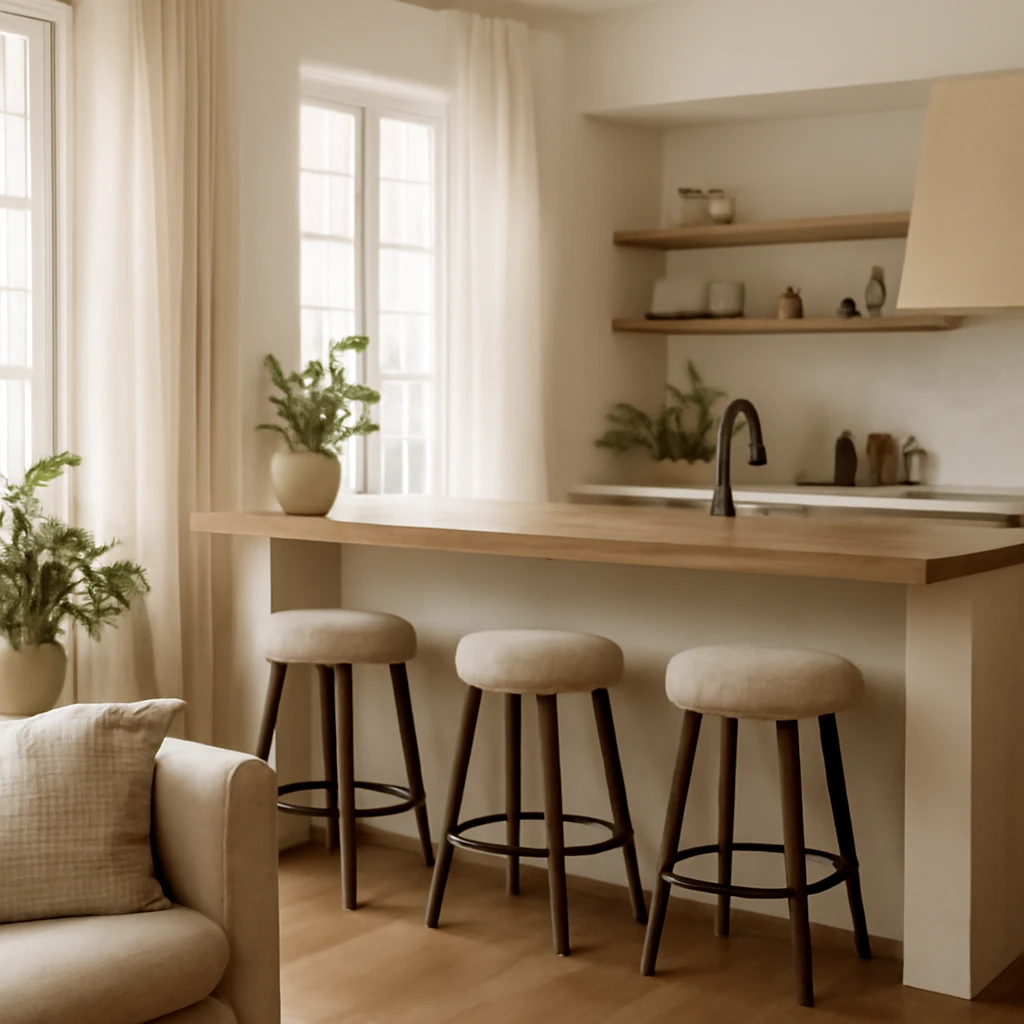
Introduction: bar counters as a design and spatial solution
Across Europe, the bar counter has evolved from a simple high table to a versatile architectural element that defines zones, facilitates socialising, and adds architectural drama to both compact city apartments and generous spaces. A well conceived bar counter can visually separate the kitchen from the living area, provide an informal dining surface, and act as a stage for conversation and connection. In contemporary interiors, the bar counter is less about a single function and more about an intelligent design move that shapes how we live, entertain, and move through our homes.
This article offers a comprehensive guide to bar counters that work in European homes, from compact kitchens to open plan living areas. You will discover essential configurations, practical placement strategies, material options, and style directions that help you plan thoughtfully rather than simply buy a piece of furniture. Whether you are renovating a new-build flat or rethinking a long-loved space, the bar counter can be a powerful ally in making space feel larger, lighter, and more sociable.
History and rationale: why bar counters endure
Bar counters originated as a functional way to divide spaces within public bars and cafés, then gradually transitioned into domestic interiors as a convenient surface for quick meals and casual gatherings. In European homes, the appeal lies not in recreating a bar experience but in mastering zoning with elegance and practicality. A counter can be tall enough to visually separate zones while still allowing sightlines across the room. Materials and finishes can range from warm wood and stone to sleek metals and glass, enabling a broad spectrum of ambience from cosy traditional to crisp contemporary. The shared trait is their ability to define a space without creating a heavy wall, preserving light, openness, and flow.
Why a bar counter is well suited to European homes
European interiors often balance compact urban living with a desire for flexible layouts. A bar counter offers several advantages in this context:
- Zoning and sociability without walls
- Additional seating that frees up floor space for movement
- A durable work surface that doubles as a breakfast bar or snack station
- Room for integrated appliances or storage to keep work zones neat
- A design feature that can be adapted to many architectural styles
When designing a bar counter for a European context, consider the prevailing architectural scale of the home, the natural light levels, and how the counter will be used on a daily basis. The goal is a practical surface that also contributes to a harmonious, refined interior language.
Configurations and architectures: where to start
Manufacturers offer a rich array of bar counter configurations. The choice depends on room layout, traffic patterns, and personal routines. Below are the core archetypes you are likely to encounter, with practical notes for European homes.
Classic high counter
The classic bar counter resembles a tall urban bar with a surface height around 110 to 120 cm. It creates a clear division between kitchen and living areas and pairs well with tall stools that offer comfortable legroom. In larger spaces, a classic counter can become a social hub for morning coffee and evening drinks alike. For practicality, plan under-counter storage, hanging racks for glassware, and space for basic small appliances such as a compact coffee machine or a bottle cooler.
Designers often emphasise the connection to the kitchen by aligning the counter length with the main work zone. This creates a coherent workflow and reduces unnecessary movement. For a timeless look, combine a timber or stone counter with metal frames and clean, minimal detailing on the stools.
Mini counter
In compact kitchens, a slim counter at 90 cm in height can satisfy both cooking and casual dining needs without dominating the space. A mini counter works well as a secondary surface for food preparation, a place for quick meals, or a casual seating area for a guest who keeps the cook company. The key is to ensure there is enough space for someone to sit and move without feeling cramped. Materials should be durable and easy to clean, given the frequent proximity to food preparation.
Two-tier counter
A two-tier configuration presents two levels at different heights. The lower tier serves as an eating or working surface, while the upper level acts as a bar or display zone. This arrangement is ideal for households that want the appearance of a traditional dining table without sacrificing the social dynamic of a bar. It can also help to separate the food prep from the social zone while maintaining a visual connection between spaces.
Island counter
Corner counter
Divider or separator counter
Used as a visual and functional divider, the counter can be placed along a room boundary to carve out the kitchen zone while keeping sight lines and communication open. This approach is popular in European apartments that feature open plan living with a light, airy feel. The divider can also incorporate integrated storage and display areas, so it remains both practical and decorative.
Other variants and practical twists
Beyond the core configurations, there are flexible solutions such as transformable counters that extend when needed, fold-out or pull-out surfaces that provide extra work space, and mobile counters on wheels for easy reconfiguration. These variants are particularly useful in smaller homes where flexibility matters most. In many European homes, modular components allow homeowners to adapt the space over time as needs change.
Solutions for living rooms: bar counters as room dividers
Open plan living is common across Europe. A bar counter placed at the boundary between kitchen and living space can function as a social nucleus, while maintaining clear zones for cooking, dining, and relaxing. When designed as a peninsula or a short bar facing into the living area, the counter invites conversation and shared activity, without physically isolating the kitchen from the rest of the home. Consider the following principles to optimise a living room arrangement with a bar counter:
- Keep proportions in balance with the room width and ceiling height. In smaller rooms, a slim profile and light finishes prevent the counter from overpowering the space.
- Align the counter with the primary seating arrangement in the living area to encourage eye contact and social interaction.
- Use colour and material cues that harmonise with the living room palette so the counter feels like a natural extension rather than a separate object.
- Incorporate storage and display within the counter to reduce visual clutter in the living area.
With careful planning, a counter becomes a flexible anchor that supports daily life and occasional entertaining, without sacrificing architectural clarity.
Ideas for small kitchens: clever storage and adaptable surfaces
Small spaces benefit from intelligent, compact solutions. A bar counter can function as both a work surface and a dining area, reducing the need for a separate table while maintaining a sense of openness. Here are practical strategies for small kitchens:
- Choose compact profiles and lightweight materials to preserve airiness while providing robust functionality.
- Consider transformable or folding options that expand the surface only when required for cooking or dining.
- Integrate storage within and beneath the counter to avoid clutter. Drawers, shelves, and dedicated racks keep utensils and beverages organised and accessible.
- Utilise existing architectural features such as window sills or alcoves by converting them into functional counter extensions. A well crafted undercounter solution can integrate a beverage fridge or a small wine cabinet without consuming additional floor space.
Flexibility is essential in small homes. The goal is to create a functional surface that can double as a workstation and a social hub, while maintaining clear circulation and comfortable seating for every user.
Transformers and folding options
Transforming and folding bar counters are especially valuable in compact kitchens. A counter with a vertical fold-down section can extend the surface for meals or aperitifs and then tuck away neatly when not in use. Folding mechanisms should be chosen for durability and ease of operation, with attention to the ease of cleaning around hinges and joints.
Pull-out and drop-down models
Pull-out surfaces offer extra workspace for chopping, baking, or plating, while drop-down elements can become a makeshift side table or a breakfast bar when needed. These solutions are popular in city flats where every square metre counts and where a dedicated dining table may be impractical.
Mobility and adaptability
A mobile bar counter on caster wheels or with lockable feet provides maximum flexibility. It can be moved to accommodate gatherings, relocated to another room during redecorating, or stored away entirely if required. Mobility does not have to compromise stability or durability when well engineered.
Maximising space under and above the counter
Bar counters are tall by design, but what sits beneath and above the surface matters just as much for practicality and aesthetics. Thoughtful detailing ensures the counter contributes to organised, attractive interiors.
- Under the counter: built-in drawers, pull-out organisers for cutlery and utensils, and dedicated spaces for glassware, bottles, and small appliances. Concealed lighting can highlight the counter while keeping the workspace tidy.
- Inside the counter carcasses for tall items such as wine bottles or baking trays provide efficient storage without encroaching on the main kitchen workflow.
- Above the counter: install open rails, pot racks, and wall-mounted shelves to keep frequently used items within reach. A well planned rail system also adds a tactile, kinetic quality to the room.
- Edge details such as soft-close drawers and matte or satin finishes reduce wear and noise, contributing to a calm, refined atmosphere.
Bar stools and seating: choosing for comfort and proportion
Bar stools are essential companions for a bar counter. The right height and silhouette support comfort and social ease, especially in open plan spaces where guests may linger. Consider the following guidelines when selecting stools:
Height: the seat height should be about 30 cm lower than the counter height to allow comfortable leg clearance. For a counter height of 110 cm, aim for seats around 80 cm high.
Backrests and arms: stools with a backrest are preferable for longer seated moments whereas backless stools can be practical in tight spots or for quick meals. If the counter doubles as a dining surface, choose stools with back support and, ideally, a footrest.
Stability: stools with four legs provide the best stability, single central pedestals can be elegant but require careful balance with weight distribution.
Material and finish: wood conveys warmth and timeless appeal, metal and composite materials offer a contemporary edge. Leather or faux leather seating is durable and comfortable, with the option of customise with textured fabrics for visual interest.
Quantity and layout: ensure there are at least two stools for a counter length of 120 cm or more. If space is limited, consider benches or a mixed seating arrangement for flexibility.
In small spaces, compact stools with integrated footrests and slim profiles help to keep circulation clear while still providing adequate seating.
Materials and finishes: choosing the right material for a European setting
The material selection for a bar counter should reflect durability, maintenance, and the overall interior language. European homes typically favour natural textures and honest finishes, balanced with contemporary materials for contrast.
- Structural materials: solid wood offers warmth and longevity, engineered wood products such as MDF or plywood provide stability with a refined surface, metal frames bring industrial chic, while steel and aluminium offer lightness and durability. In modern European kitchens, timber or timber veneer is often paired with stone or solid surface counters to achieve a timeless, durable result.
- Countertop finishes: stone (granite, quartz, or marble) provides a premium, tactile surface with long-term durability. Porcelain or ceramic slabs offer high resistance to heat and water. Glass surfaces can contribute lightness and a crisp aesthetic but require careful maintenance and edge protection. Solid surfaces such as Corian are versatile for seamless joins and integrated sinks or drains, ideal in contemporary European designs.
- Colour and texture: light woods, soft whites, and warm neutrals reflect natural light and create calm environments, while darker timber or colour-forward schemes deliver drama and contrast. The choice should align with adjacent cabinetry, flooring, and upholstery to maintain cohesion.
- Hardware and detailing: choose simple, robust hardware. Subtle integrated lighting (LED strips under the edge or within shelving) can enhance ambience without adding bulk.
Size, scale, and proportion: planning for comfort and flow
Before selecting a bar counter, measure carefully, and model how the surface will be used in daily life. Here are practical guidelines to help set the right scale for a European home:
- Counter height: typical kitchen bar counters range from 105 to 115 cm, but heights from 110 to 120 cm are common for full-on bar seating. Choose 30 cm of legroom beneath the counter for comfortable seating and movement.
- Counter width: a practical width is around 50 cm for a single surface. If you anticipate hosting meals or using the counter for more than light prep, consider widening to 60 cm with a reinforced edge and integrated seating.
- Length and seating: allocate roughly 50 cm per seated person when calculating the length of the counter. For a family of four, a 200 cm long counter provides comfortable dining space and a social hub without crowding the room.
- Clearance: ensure at least 90 cm of clearance around the counter for smooth movement between furniture and appliances. In small kitchens, a peninsula or cantilevered counter can maintain generous circulation while still feeling integrated into the space.
Style directions: harmonising the bar counter with European interiors
The bar counter need not clash with your chosen aesthetic. Rather, it should reinforce the design language of the home. Here are style directions and how to achieve them in the context of a counter surface:
- Classic: warm timber, stone countertops, and refined detailing such as carved legs or decorative mouldings. Pair with traditional bar stools featuring comfortable upholstery and a polished wood or metal frame.
- High tech: crisp lines, glass or composite surfaces, satin metals, and integrated appliances. Choose stools with clean geometry, slim profiles, and materials such as steel and polished concrete to evoke a futuristic vibe.
- Modern: balanced contrasts between light timber, stone, and matte finishes. Smooth, uninterrupted lines and minimal hardware keep the look pristine and contemporary.
- English and Mediterranean influences: artisan touches, natural stone, and substantial timber can celebrate warmth and craftsmanship. Consider carved legs or stone veining accents to emphasise a luxury feel.
- Scandinavian: light woods, pale stone, white or pale-grey surfaces, and simple, functional forms. Choose stools with slim silhouettes and soft textures to maintain airiness.
- Eastern and Cantre: rich textures, decorative inlays, and layered surfaces. Use materials such as warm woods with brass accents for a sense of global sophistication.
- Country and Provencal: rustic wood, natural textures, and charming details. Embrace a warm, inviting palette with stone or ceramic countertops and artisanal stools.
- Loft and industrial: exposed metal, dark timber, and rugged finishes. Combine with metal-framed stools and robust surfaces to achieve an urban, pared-back aesthetic.
Regardless of the chosen style, the bar counter should feel like an intentional extension of the home, not an afterthought. The best interiors reveal a coherent story where surfaces, colours, and textures echo across furniture and architectural features.
Practical considerations: lighting, acoustics, and maintenance
Beyond aesthetics, practicalities determine how well a bar counter performs in daily life. Here are factors to consider as you plan and implement a counter in a European home:
- Lighting: combine task lighting for the counter with ambient illumination to avoid harsh contrasts. Under-counter LEDs can enhance the work area, while pendant lamps or track lighting over the seating zone can create a warm focal point.
- Acoustics: open plan rooms can become noisy when a counter is used for socialising. Soft seating, rugs, and judicious use of sound-absorbing materials in the living area help balance the space.
- Maintenance and durability: stone and solid surface counters are robust and easy to clean, whereas timber will require sealing and periodic maintenance to preserve its appearance. Consider the layout of sinks, appliances, and waste areas to minimise spill risk and simplify cleaning.
- Accessibility: ensure the counter height and seating arrangement accommodate all household members, including those who use wheelchairs or mobility aids. A portion of the counter at a lower height or a separate accessible surface can make the space more inclusive.
Integrating with utilities and services: professional planning matters
Bar counters in European homes often require coordination between architects, interior designers, and tradespeople. A successful installation considers electrical outlets for appliances, plumbing if a sink or beverage cooler is involved, and air flow if cooking is located on the same island. Work with qualified professionals to determine wiring layouts, load-bearing considerations, and ventilation needs. A well-planned bar counter should enhance the home’s usability while staying within regulatory guidelines for safety and energy efficiency.
Budgeting for a bar counter should reflect the quality of materials, the complexity of the installation, and whether integrated features such as built-in appliances or refrigeration are included. A modular approach - selecting components that can be upgraded or reconfigured - offers flexibility as lifestyle needs change over time.
Plan, measure, and realise: a practical guide to getting your bar counter right
Follow these practical steps to translate the concept into a spaces acceptance you will enjoy every day:
- Map the space: draw a simple floor plan and mark doorways, windows, and existing furniture. Consider circulation paths and sightlines across the room.
- Define how the counter will be used: casual meals, formal dining, entertaining, or working from home. The intended use informs height, depth, seating, and storage requirements.
- Choose a configuration and test scale: use cardboard cutouts or painter's tape to visualise how a counter will occupy the space and how many people can sit comfortably.
- Prototype materials and finishes: request samples for finishes, edge details, and colour to ensure the counter integrates with the rest of the room.
- Plan lighting and electricals in tandem with the counter: number and location of outlets, lighting zones, and any integrated appliances.
- Collaborate with professionals: engage an architect or interior designer to refine the plan, and employ a licensed contractor for construction and installation.
- Schedule and budget responsibly: allocate allowances for unexpected changes and consider a staged approach where you complete critical elements first and add components later.
Conclusion: the enduring appeal of bar counters
Bar counters bring a distinctive blend of practicality, sociability, and architectural poise to European homes. They enable fluid movement between cooking, dining, and living areas, while offering a surface that is robust, easy to maintain, and visually compelling. Whether you favour the warm tactility of timber, the cool precision of stone, or the contemporary glow of metal and glass, the right counter can anchor a room, supporting daily routines and memorable gatherings alike. With thoughtful sizing, materials, and detailing, a bar counter can transform an ordinary kitchen and living area into a beautifully integrated, purpose-driven space that remains comfortable and cohesive for years to come.
You may also like these articles
 Renovation
Post-Renovation Cleaning: Eight Essential Steps for a Fresh European Home
Eight practical steps to restore order after renovation across Europe.
Renovation
Cosmetic versus capital renovation: planning a smarter European home upgrade
A practical guide to choosing cosmetic or capital renovation across Europe.
Colour & Materials
Ivory Interiors: A Warm White Guide for European Homes
Timeless ivory: warm whites that enlarge spaces and unite European interiors.