
Explore interior trends, AI design insights, styling guides and real transformations
Designing a combined bathroom: clever layouts for European homes
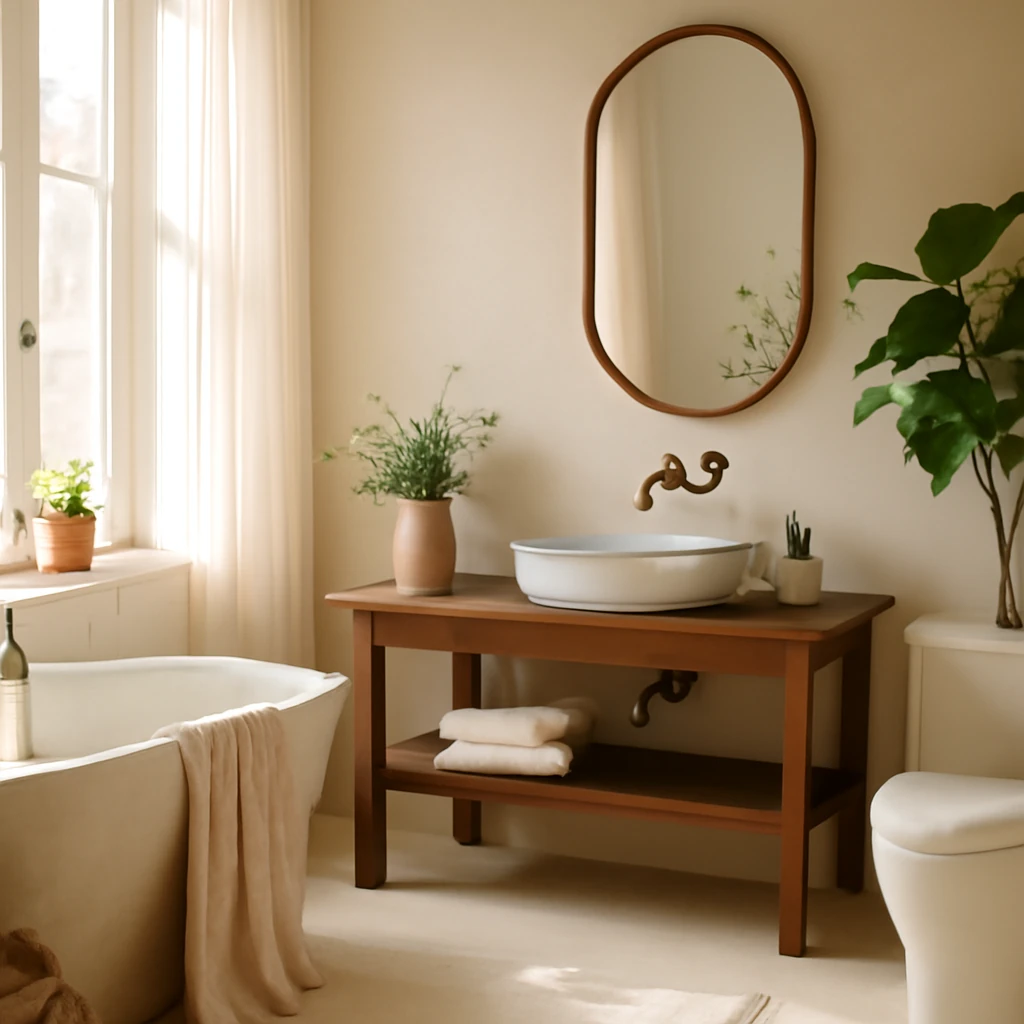
Introduction
Across European cities, the practical reality of compact living has driven a rethink of bathroom design. A combined bathroom that merges the bath or shower, basin and toilet into a single, well organised space offers a way to maximise precious floor area in flats and small houses. The aim is to create a calm, hygienic and highly functional zone that reads as a cohesive part of the home rather than a cluttered utilitarian corner. With careful planning, a compact combined bathroom can feel generous, lighting can be optimised, and materials chosen to withstand the humidity and detergents of daily use.
In this article we explore the benefits and drawbacks of a joined bathroom, present practical layout strategies suitable for a European context, and offer guidance on finishes, furniture and fittings. All measurements are given in metric, reflecting the continental approach to refurbishment and new build projects across the EU.
Pros and cons of a combined bathroom
The decision to combine a bathroom and toilet hinges on space, privacy needs and maintenance priorities. Here are the main considerations.
- + Space efficiency: removing a wall between the bath or shower and the toilet frees floor area, enabling a slim storage cabinet or a compact washing machine to fit neatly next to the basin.
- + Improved ergonomics: a single bathroom space offers greater flexibility when planning the placement of plumbing and fittings, especially in tight plots.
- + Cost savings: finishing one room is generally cheaper than finishing two separate rooms, especially when re-planning is not required for structural changes.
- + Cohesive style: maintaining a unified palette and materials across the space is more straightforward in a single, unified bathroom.
In practice, the advantages are often strongest in smaller EU flats where every square metre must earn its keep. A well executed combined bathroom can feel calm, clinical and well proportioned even in spaces around 10–15 m² or less.
There are also downsides to consider:
- − Privacy constraints: a lack of a separate cubicle may be uncomfortable for households with multiple users at the same time.
- − Odours and humidity: without effective ventilation, smells can travel through the room, robust extraction is essential.
- − Planning hurdles: depending on the jurisdiction, any reconfiguration may require permission or compliance checks, particularly where load-bearing walls or water supplies are altered.
Examples of successful layouts
To create a comfortable, walkable space in a combined bathroom, it helps to think in terms of zones and sightlines. Below are three common scenarios adapted for European homes, with practical guidance on process and layout.
In a studio apartment with a shower
In compact studios, a full-size bath is often impractical. A corner or quadrant shower cabin can be paired with a wall-hung basin and a compact toilet. If space is severely restricted, consider a flexible curtain instead of a fixed glass partition to avoid visual heaviness. A washing machine can be tucked beneath the basin or within a narrow, shallow cabinet. In a representative studio of around 22–28 m², the combined bathroom may occupy roughly 3–6 m², leaving a corridor and kitchenette open for daily living.
Consider a flush, linear vanity with integrated drawers to keep essentials close at hand while maintaining a clean look. A wall-hung toilet can create a sense of lightness and make cleaning easier. Floor tiles with a large format and light colours visually expand the space, while a mirror with a soft glow can help bounce light across the room.
In a traditional town flat with a bath
Older European flats often feature a narrow bathroom that is awkward to reconfigure. A smart approach is to extend the bathroom slightly into an adjacent corridor or storage area to accommodate a full-size bath and a compact washing machine. A vertical stack of fixtures - basin above a towel cabinet, with the toilet tucked to one side - can create a comfortable circulation path. Heating and ventilation must be considered, and access to pipes should be preserved for maintenance. A well-proportioned bath, a modest vanity and a suspended cistern can deliver a balanced, airy feel in spaces around 40–60 m² of living area.
In a new-build with a tech niche for appliances
New properties often provide more flexibility. A generously sized bathroom measuring 6–8 m² or more can incorporate a full-width niche for a washing machine and dryer, with plumbing routed to allow potential future upgrades. This approach makes it feasible to install a full tub, a deep shower cubicle, or even a spa-style bath when space permits. In such layouts, a slim, recessed cabinet above the toilet or behind the sink offers discreet storage for toiletries, while maintaining a clean surface for wipe-downs.
Finishes for a humid environment
The choice of finish for a bathroom must withstand humidity, splashes and cleaning products, while continuing to look refined for years. In Europe the options that consistently perform well include porcelain ceramic tiles, large-format tiles, epoxy grouts, and seamless finishes such as microcement. Below are the main materials and the reasoning behind them.
Tiles are a classic choice for both floors and walls because they are durable, water-resistant and easily replaced or repaired. Large-format porcelain tiles mimic natural stone or timber without the maintenance issues, and they reduce the number of grout lines, making cleaning simpler. Epoxy grout is preferred for its stain resistance and its tendency not to darken over time, which helps maintain a bright bathroom aesthetic.
Paint can be used strategically on damp-tolerant walls or ceilings, particularly above splash zones. Choose high-performance, water-resistant paints designed for bathrooms and ventilated spaces. A light base coat with a durable topcoat can brighten the space, while masking imperfections in plaster or walls that have endured years of moisture exposure.
Wallpaper is increasingly used in bathrooms when paired with moisture-resistant coatings. It works best on walls away from direct water contact and under a protective clear coating. For added longevity, apply a top seal with a water-repellent varnish that resists mould and mildew.
Microcement and microbeton are popular for seamless walls and floors. They create a continuous surface with no joins, which not only looks modern but also reduces places where dirt and mould can accumulate. They are inherently water-resistant when properly sealed and are ideal for a cohesive, contemporary look.
Wood can be introduced selectively in zones not directly exposed to water. Harsh humidity and direct water contact are avoided by using hard, durable species that are treated with penetrating sealants and protective varnishes. Timber elements can bring warmth in vanity benchtops or shelving, but should be kept away from shower spray lines where possible.
- In a European apartment 127 m² in a major city, a balanced mix of large-format tiles and timber accents created a calm, resilient bathroom palette.
- In a 42 m² flat in a historic district, microcement walls paired with a stone-look floor delivered a contemporary edge without compromising practicality.
- In a compact 36 m² unit, a moisture-resistant wallpaper behind a protective glaze added visual depth while maintaining wipe-clean surfaces.
Furnishings for a combined bathroom
A combined bathroom offers more space for storage and versatile furniture, provided the layout remains easy to navigate. The goal is to store essentials without creating visual clutter while keeping the surfaces easy to wipe down.
Vanity unit
Choose between a wall-hung or floor-standing vanity. An option with multiple drawers is highly practical for storing cosmetics, cleaning products and small tools. A vanity integrated with the washing machine top can save space and unify the look. In narrow bathrooms a shallow depth vanity around 40–50 cm often works best, while in larger spaces a deeper unit of 50–60 cm can provide more storage without crowding the room.
Storage for small items
A dedicated cabinet for toiletries, spare toilet paper and cleaning products keeps surfaces free of clutter. These can be wall-hung or floor-standing, and strategically placed for easy access when you step out of the shower or bath.
Slim freestanding and wall-hung wardrobes
In long, narrow bathrooms a tall, slim cabinet can fit into a corridor side zone or above the cistern area. Build-to-fit wardrobes can be designed to nestle in alcoves or niches, ensuring there is no wasted space.
Built-in wardrobe and niche storage
Custom built-ins are common in European renovations, especially where a wall niche exists behind the WC or above the cistern. A shallow wardrobe in a recessed wall can store towels and bulk supplies, while a vertical column can house a compact water heater or mechanicals with easy access for servicing.
Shelves and étagères
Open shelving works well for frequently used items and decorative touches, providing lightness in the room. Think about placing shelves above the washing machine or behind the door for maximal utilisation of vertical space.
Choosing sanitaryware
With the space available in a combined bathroom, the choice of sanitaryware should prioritise efficiency, ease of cleaning and maintenance access. Here are the main options to consider.
Bathtub either built-in or freestanding, depending on space. In larger combined bathrooms, a corner or free-standing tub can become a design feature, while smaller rooms benefit from compact or lap baths. The depth and length should align with comfortable bathing proportions, and where space is at a premium a compact bath paired with a shower can be an elegant solution.
Shower enclosure comes in a range of sizes and configurations. The most space-efficient for small bathrooms is a corner or quadrant unit with a sliding or hinged door. A wet-room style shower with a linear drain is another option in larger spaces, offering a sleek surface that’s easy to clean.
Sink options include undermount or vessel sinks. Undermount sinks are practical and reduce splash zones, whereas vessel sinks offer a contemporary look but require careful cleaning around the basin rim. For tight spaces, consider an angled or corner sink that fits neatly into a recess without impeding movement.
Toilet choices range from standard floor-mounted to wall-hung with a concealed cistern, and back-to-wall styles. Wall-hung installations create the illusion of more floor area and make cleaning the floor easier. If you select a concealed cistern, ensure there is adequate access for servicing the flush mechanism.
Water heater options include a traditional storage unit or an on-demand heater. In older European buildings, a storage heater may be preferable to avoid overloading electrical circuits, whereas newer constructions with robust wiring can accommodate instantaneous systems. It is common to position a heater above the toilet or inside a recessed cabinet for a tidy appearance.
Hygienic spray or bidet attachment is a practical addition next to the toilet for improved personal hygiene and reduced toilet paper use. In some markets a full bidet toilet is popular, though it often requires more space and plumbing considerations.
Towel warmer can be powered by water or electricity. A water-fed version is traditional in older flats but may be harder to regulate in summer, while an electric model is flexible and easy to relocate. A built-in option set within a wall can offer excellent comfort, though it requires proper planning for heat mats under tile and a dedicated thermostat.
Filters for the incoming water supply help improve water quality and prolong the life of taps and appliances, especially in regions with hard water or older plumbing networks.
- In a 34 m² city apartment, a compact vanity and wall-hung toilet create an efficient rhythm around a corner shower.
- In a 40 m² contemporary home, a built-in niche houses the washer and a slim storage cabinet provides space for detergents and tools.
- In a 96 m² family flat, a larger footprint allows a full bath with a separate shower and a double sink arrangement, emphasising symmetry and ease of use.
Lighting for a combined bathroom
Efficient lighting is essential in a room that combines wet areas with daily routine tasks. A well-considered lighting plan should provide general illumination, task lighting at mirrors and ambient lighting for evenings. In humid environments, select luminaires with a suitable IP rating and sealed electrical components.
General lighting
Typically a flat ceiling light or a recessed lighting track offers even illumination without glare. In classic interiors, more elaborate options such as a compact pendant or a small chandelier can be used sparingly to create a sense of occasion, provided they are rated for bathrooms.
Mirror lighting
Task lighting near the mirror or behind the mirror helps with shaving and applying makeup without creating shadows. A diffuse, soft white glow is preferable for a natural look and comfortable daily use.
Decorative lighting
Soft, indirect lighting can provide a calming atmosphere for night-time visits to the loo. Dimmable features allow the space to transition from practical daytime activity to a more relaxed mood at night.
- In a 45 m² apartment, layered lighting around the mirror plus a ceiling wash creates a balanced ambience.
- In a 35 m² city bathroom, a small wall-light with a frosted shade softens the space while remaining highly functional.
- In a 35 m² modern bathroom, a linear LED strip under a floating vanity provides a subtle glow that helps with navigation in the dark.
Common mistakes in designing a combined bathroom
Even well meaning renovations can trip up. Here are six of the most frequent errors and how to avoid them.
- Low drain level for the shower. If the shower drain sits too low relative to the drainage system, water will not drain efficiently and pooling occurs. Ensure the floor slopes toward the drain with a gradient of about 1–2%.
- No service access for pipes. Closing off the plumbing with tiles or panels can make future maintenance difficult. Always include an accessible service panel or removable section in the wall or cabinet.
- Too-narrow passageways. A common problem is a passageway narrower than 60 cm, making it hard to manoeuvre around the washing machine or vanity. Aim for at least 70–75 cm of clear width by the most-used fixtures.
- Closed utility zones. Stacking the washer and dryer behind closed doors without airflow can lead to damp issues. Where possible, provide ventilation or a perforated partition and air gaps to allow air movement.
- Harsh direct lighting on mirrors. A direct, cool light can exaggerate skin imperfections and create an unpleasant start to the day. Use diffused light or a shaded mirror light to soften reflections.
- Towels placed far from the bath or shower. Ensure towel radiators or hooks are within easy reach as soon as you step out of wet areas to avoid puddling or dripping across the floor.
Thoughtful planning and careful detailing can help avert these missteps and deliver a highly functional, beautiful combined bathroom.
Design ideas for a combined bathroom
Design approaches that designers in Europe often employ to overcome space constraints include architectural features that expand storage and improve circulation without sacrificing style.
Niches and shelves in thickened walls
Where space is tight, walls can be safely thickened to create built-in niches for shampoos, toiletries and cleaning products. A depth of about 30 cm is typically comfortable, with a lip or recessed shelf to keep items from splashing. Such niches keep the vanity surface clear and reduce the number of freestanding units required.
Storage above the toilet
Above the cistern, a shallow cabinet or a slim shelf can store spare towels and consumables. This keeps essential items within reach while maintaining a tidy line across the room.
Mixing tile textures and patterns
A popular strategy is to combine a calm, neutral tile with a more colourful or textured option. For example, a light, glossy wall tile can be paired with a warm, natural-texture floor tile. In small bathrooms, keeping the main walls light and introducing colour through accents in towels, baskets and accessories can be more practical than painting walls in saturated hues.
- In a 56 m² apartment, designers used a calm, pale tile on walls and a bold geometric pattern on a single accent wall to define the shower zone.
- In a 40 m² Level Up development, a muted palette with a single statement tile framed the bath area, creating a sense of depth without reducing light.
- In a 45 m² city flat, white walls with a warm timber vanity balanced warmth and cleanliness, while a dark niche added contrast.
Popular styles for a combined bathroom
Combined bathrooms do not mandate a fixed aesthetic. They can be designed to suit many European sensibilities, from contemporary to classic, with palettes and textures used to evoke atmosphere rather than sheer trendiness.
Contemporary and bright
White or pale ceramic tiles paired with saturated grout lines or a bold accent tile create a lively and modern look. A crisp, uncluttered vanity and concealed storage reinforce the feeling of space and order. This approach often suits apartments in modern multi-family buildings and new townhouses across Europe.
- In a 27 m² compact unit, designer teams used bright fixtures and a linear vanity to achieve a hotel-like serenity.
- In a 36 m² city apartment, a cool blue accent tile brought depth to the space while keeping it light and fresh.
- In a 60 m² family apartment, a restrained palette with a warm timber vanity produced a balanced, welcoming feel.
Classic and timeless
Soft-toned, high-gloss tiles paired with a marble or stone-inspired surface for the vanity convey a refined, enduring aesthetic. This look works well in period townhouses undergoing modernisation, combining heritage charm with contemporary convenience.
- In a 60 m² six-bedroom conversion, pale marble-effect tiles and a traditional sanitaryware suite created a timeless feel.
- In a 78 m² urban apartment, light walls with marble-patterned accents harmonised with brass fittings for a classic-meets-contemporary ambience.
- In a 92 m² renovation, a restrained palette and symmetrical layout produced a serene morning routine.
Industrial and bold
Industrial influences lean on concrete-like finishes, dark tones and robust fixtures. This approach is well suited to loft conversions and contemporary apartments with a stylish, urban vibe. Materials such as textured concrete-effect tiles or microcement pair with matte black or steel Details to create drama without compromising practicality.
- In a Voluminous city loft, a dark drilled tile floor and a brushed metal towel warmer created an urban sanctuary.
- In a compact 45 m² riverfront flat, a concrete-look wall and minimal brass accents delivered a striking, durable space.
- In a 50 m² designer apartment, a layered palette of greys and taupes produced a refined, modern edge.
In conclusion
- Combining the bath and toilet is often the most sensible option for single occupants or couples in small European homes.
- A measured approach matters: do not try to fit every feature at once, ensure there is comfortable circulation and easy daily use.
- Ventilation is essential for the health of the space, especially where a washing machine and dryer share the room. A capable extractor and humidity-aware design are critical.
- Keep maintenance in mind: ensure ready access to pipes and service points without large-scale disruption to the wall finishes.
- Strategic furniture and contemporary sanitaryware enable a comfortable bathroom with a toilet in even the smallest studio layouts.
- In a 40 m² city apartment, a compact yet well-planned layout used a wall-hung toilet and a shallow vanity to create a calm and practical space.
- In a 250 m² family home, a well organised annex bathroom combined generous storage with a full suite of fixtures for family use.
- In a 47 m² city apartment, a modular approach with built-in niches and slim shelving achieved high efficiency without sacrificing style.
- In a 66.4 m² development, a designer-led plan integrated WHB with a wall cabinet and concealed plumbing for a clean, contemporary finish.
With careful planning, even a small combined bathroom can become a serene, practical daily sanctuary that suits a European lifestyle and climate. Focus on ventilation, smart storage, durable finishes and a cohesive aesthetic, and the space will perform beautifully for years to come.
You may also like these articles
 Colour & Materials
White and Grey Kitchens: A European Guide to Colour, Materials and Mood
Timeless white-grey kitchens across Europe, with third-colour ideas and materials.
Tips & How-To
Preparing for the Handover: A Comprehensive European Guide to New-Build Flats
A practical guide to inspecting and accepting a European new-build flat.
Interior Design
Entrance design for European homes: styles, layouts and practical tips
A practical guide to foyer design for European homes in key styles.