
Explore interior trends, AI design insights, styling guides and real transformations
Finishing a European Home: The Complete Guide to Clean Finishes
What does finishing mean?
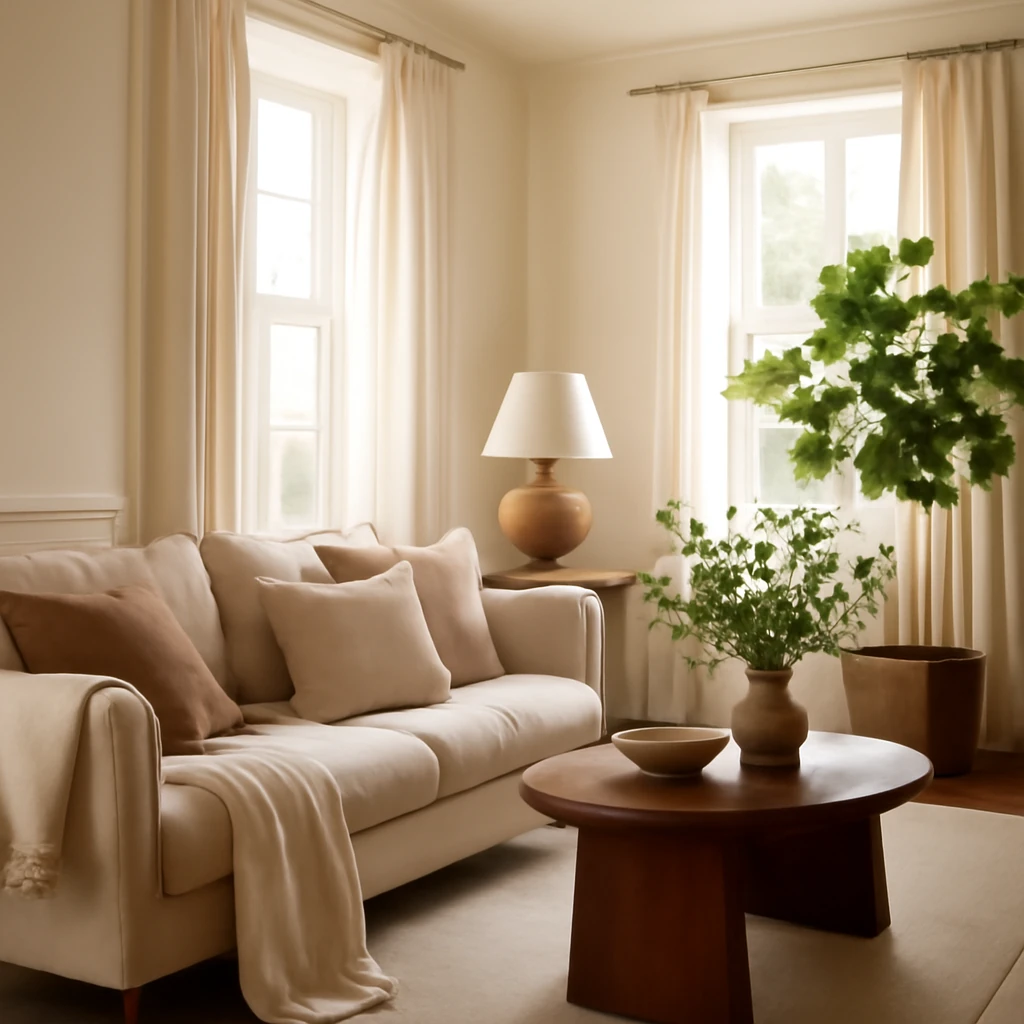
In contemporary European practice, finishing (often termed clean finishing) is the final stage of a renovation that turns a bare shell into a comfortable, visually cohesive home. It includes all decorative surfaces and the essential fittings that enable everyday living – from walls and floors to lighting, plumbing and heating terminations. The quality of finishing varies widely, reflecting the scope of the project, chosen materials and, crucially, the skill and organisation of the trades involved. A well-executed finishing phase creates a space that feels complete, balanced and ready to inhabit from day one.
What does clean finishing include?
After the roughing-out stage, clean finishing encompasses a coordinated set of trades. In European projects, the typical sequence is structured to avoid damage to delicate surfaces and to optimise installation efficiency. The following list outlines the main components, presented in a logical order for a mid-sized apartment or house:
- Tile installation and grouting - including splash backs in kitchens and showers or wet rooms, finishes are chosen for moisture resistance and ease of maintenance.
- Final plastering and smoothing - prepares walls and ceilings for subsequent finishes, ensuring a true, level base.
- Wall finishes - options include paint, decorative plaster (such as Venetian or lime plaster), ceramic or natural stone veneers, brick slips, fabric-backed wallpaper, or paneling. The choice depends on room function, maintenance, and the desired ambience.
- Wall panels and cladding - PVC, MDF, or timber panels can replace traditional finishes in areas prone to moisture or wear, offering durability and fast installation.
- Ceiling systems - ceilings may be finished with paint, plaster, tiles, suspended systems, or stretch finishes, sometimes incorporating integrated lighting or acoustic elements.
- Flooring installation and skirting - finishes range from solid timber and engineered wood to laminate, luxury vinyl, ceramic tile, stone, or cork. Skirtings and arches complete the transitions between walls and floors.
- Interior doors and architraves - doors are installed with matching architraves and proper sealing to maintain sound and thermal performance.
- Electrical fittings - careful planning of sockets, switches, lighting, and control systems, ensuring accessibility and safety.
- Heating and plumbing terminations - radiators, pipes, towel rails, and concealed or chased installations are finished neatly, with attention to accessibility for maintenance.
- Sanitary fittings - bathroom and kitchen fixtures, taps and accessories installed and calibrated for reliable operation.
Each household has unique requirements, but this sequence helps maintain a logical workflow, limiting rework and protecting finished surfaces during subsequent trades. In well-planned projects, finishing is treated as a cohesive system, not a series of isolated tasks.
Finishing a flat by professional teams
To achieve a cohesive, high-quality result, many European homeowners engage a professional interior contractor or a construction company specialising in finishing. A typical engagement begins with a detailed design brief, followed by a transparent cost plan and a realistic schedule. A standard finishing package may include levelling and plastering, wall and ceiling finishes, floor preparation and installation, doors and architraves, lighting and ancillary fittings, and the meticulous final checks for alignment, straightness and moisture resistance. Importantly, a robust contract should cover warranties, snagging, and post-completion commissioning to ensure that any issues are resolved promptly.
Choosing a contractor with a proven track record, a clearly defined scope of work, and a transparent pricing structure helps protect the budget while preserving design intent. For clients seeking efficiency, many firms offer integrated packages that streamline coordination between trades, reduce lead times and minimise disruption to daily life. A well-managed finishing project respects the building’s fabric, preserves access routes, and pays particular attention to health and safety requirements on site.
Finishing in new-builds or older stock
Complete finishing can be undertaken in both new-build developments and older properties. In many European markets, developers may provide a shell or minimal fit-out, finishing teams then realise the interior fit-out to model apartment standards. There are distinct advantages to this approach for homeowners:
- New-builds are typically declared structurally complete, allowing clearer assessment of tolerances, wall straightness and floor flatness during the finishing phase.
- Older properties often demand bespoke detailing and restoration work, with careful attention to historical features, timber joinery, and adapting to irregular room shapes or uneven walls.
For budgeting, approximate costs can be explored through reputable online renovation calculators or estimator tools provided by design and construction firms. These figures usually exclude the cost of materials, which can vary widely depending on the chosen brands, finishes, and performance requirements. Regardless of the property type, an effective finishing plan includes a clear specification of materials, finishes, and fittings, alongside a realistic schedule and a breakdown of responsibilities. A well-drafted design brief also enables accurate comparison of bids and reduces the likelihood of scope creep during construction.
In practice, professional finishing in new-builds often begins after core services are scoped and tested by the developer, allowing the finishing team to integrate finishes with minimal risk of rework. In older stock, finishing projects frequently involve remediation work – addressing damp, deflection, or historic fabric – before the final layers are applied. In both cases, the emphasis is on accuracy, surface durability, and achieving a cohesive look that aligns with the client’s lifestyle and preferences.
Where does finishing start?
Every renovation is unique, but there are common phases that help packing the work into a manageable timetable. A professional team will typically begin with a detailed plan that translates the design into a practical, installable sequence. The preparation phase includes:
- commissioning a design brief or architectural/interior design project
- formulating a realistic budget and schedule
- specifying materials and finishes
- selecting essential fittings and furnishings
During preparation, it is crucial to envisage the finished space and to confirm that the proposed materials, colours, and textures harmonise with natural light, room size, and function. Tradespeople use precise measurements, check tolerances, and forecast material quantities to minimise waste. A formal agreement is then signed with the client, outlining milestones, payment terms, and a clear process for snagging and refinements.
If you are planning a renovation, consider requesting a few design and cost options from the contractor. This approach can illuminate trade-offs between aesthetics and cost, allowing you to prioritise what matters most in the final appearance and performance of the space.
What can influence the cost of clean finishing?
Cost is driven more by the scope, complexity and quality expectations than by any single factor. In the sector, the rule “non-standard is usually more expensive” holds true: unusual shapes, high ceilings, or bespoke detailing can significantly alter bids. Several common drivers include:
- the inclusion of non-typical architectural elements (alcoves, niches, feature soffits)
- ceiling heights exceeding standard dimensions (for example, ceilings over 3 metres)
- designer-level finishes with intricate textures or decorative effects
- large expanses of decorative plaster or specialised wall finishes
- the need for precise straightness or square angles at wall junctions
- the decision to lay ceramic tiles with complex patterns or at non-orthogonal angles
- pattern matching or complex wallpaper installations
- choice of floor finish (hardwood, high-end engineered wood, or clad options) vs simpler alternatives
- use of fabric or lacquered ceiling systems instead of standard plaster or paint
- optimising a balcony or outdoor space to function as part of the living area
To manage costs effectively, maintain an open dialogue with your designer and contractor. Request multiple variations of the estimate, focusing on trade-offs between material quality and installation complexity. A phased approach can help you allocate budget to essential elements first, with optional enhancements postponed to a later stage if desired.
Finishing surfaces: walls, ceilings and floors
The selection of materials for finishing surfaces is guided by the room function, maintenance requirements, and the overall design language. European homes span a broad spectrum, from minimalist, light-filled spaces to richly textured interiors. The following guidance helps balance aesthetics with practicality.
Walls can be finished in several ways, each with its own maintenance profile:
- Wallpaper, ranging from subtle fibre-based textures to bold patterns
- Emulsion or washable paints in matt, satin, or gloss sheens
- Decorative plaster (venetian, lime, or textured)
- Cladding such as MDF panels, natural stone, or brick slips
- Tile or stone veneers for damp areas or feature walls
- Natural or engineered stone for high-end spaces
In kitchens and bathrooms, moisture resistance is key. For children’s rooms or high-traffic living spaces, washable paints and robust wall coverings are advisable. For homes with pets, consider materials with stain resistance and durability. When dealing with historic interiors or older stock, respect for existing features may influence material choices to preserve character while meeting modern performance standards.
Ceilings offer another opportunity to shape the room’s atmosphere. Options include:
- Painted ceilings in a muted tone for a calm backdrop
- Decorative plaster or stucco detailing for architectural interest
- Suspended ceilings with integrated services or acoustic treatments
- Stretch ceilings for a seamless, light-reflective finish
Higher ceilings benefit from careful lighting design to avoid stark edges and to create a sense of proportion. In open-plan spaces, ceiling finishes can aid acoustic separation and visual articulation of zones.
Floors set the tone for comfort and durability. Common European choices include:
- Solid timber or engineered wood for warmth and natural beauty
- Laminate for cost-effective, versatile aesthetics
- Stone or ceramic tile for longevity and hygiene
- Cork or linoleum for eco-friendly performance
- Carpet in bedrooms or living areas for warmth and acoustics
- Self-levelling concrete or epoxy for ultra-modern industrial vibes or utility spaces
Flooring transitions and skirting boards are essential details that influence the space’s finish quality. The choice should consider foot traffic, moisture exposure, and the desired level of maintenance. In kitchens and bathrooms, moisture-resistant or water-tight finishes are standard, while living rooms may prioritise warmth and tactile qualities.
Beyond the materials, the finishing stage should include precise detailing: aligning joints, ensuring flatness, and achieving smooth edges at jambs and corners. Professional finish carpenters, tilers, and plasterers play a critical role in realising these outcomes with longevity.
How does quality finishing look?
Quality finishing is evident in several telltale signs. Surfaces are true and square, with seamless joints and minimal gaps. Tiling grout lines are uniform, wall textures and paint coats are even, and edges between different finishes meet crisply without damage. Floors sit flush with minimal movement under foot, and skirtings are neatly concealed and well-sealed. The overall ambience should reflect the chosen design language, with light distribution and acoustics harmonised to the space’s purpose. A well-finished home also demonstrates attention to detail in small elements - like door linings, window sills, and fresh caulking around fixtures - contributing to a cohesive, lasting impression.
Can you live in a finished property?
Yes. A properly finished home is designed to be inhabited immediately after completion, assuming that all systems have been tested, equipment is functioning correctly, and a final cleaning has removed construction dust. In some cases, a post-completion snagging period is planned to address any minor issues that arise once the space is in full use. It is wise to schedule a thorough handover inspection, verifying electrical safety, heating and cooling performance, plumbing integrity, and a secure, draft-free environment before moving in. Adequate ventilation and a professional cleaning routine post-occupation contribute to a comfortable and healthy living environment from the outset.
Is finishing more expensive than roughing?
Cost comparison between finishing and roughing is not straightforward. The rough stage establishes the structural and service routes, typically at a lower per-square-metre rate. Finishing, however, transforms the space into a functional, aesthetically coherent home, and its cost is heavily influenced by the materials specified and the level of detailing required. A designer-led project that employs premium finishes or intricate wall textures will naturally exceed a simple, cost-conscious finish. Conversely, selecting durable, easy-care materials and sensible detailing can deliver excellent long-term value. A prudent approach combines clear design intent with realistic budgeting, allowing for a balance between beauty, practicality, and life-cycle costs.
You may also like these articles
 Colour & Materials
Colour strategy for European homes: palettes, proportions and practical tips
A practical guide to colour palettes for European interiors
Colour & Materials
Mint Colour in Interiors: How to Use and Pair Effectively
Fresh, versatile mint tones for European homes—how to use and pair.
Tips & How-To
Art on the Wall: 8 tips and 32 layouts for European homes
Turn any wall into a gallery with 8 tips and 32 layout ideas.