
Explore interior trends, AI design insights, styling guides and real transformations
Painting Bathroom Walls: Debunking 6 Myths for European Wet Rooms
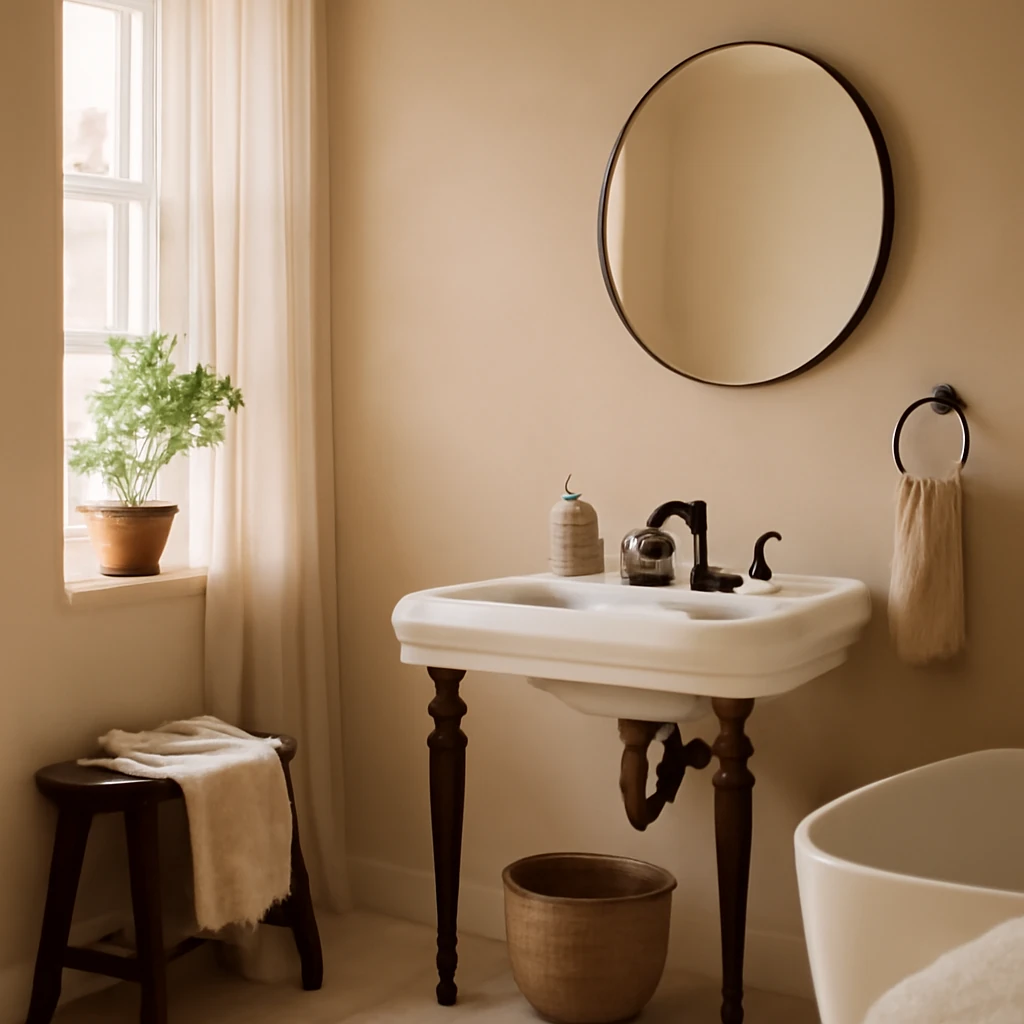
Introduction: a fresh approach to bathroom walls
In many European homes, the bathroom is a space that combines practicality with personal style. Modern moisture‑resistant paints offer a flexible and cost‑effective alternative to full tiling, allowing bold colour choices, soft textures and creative detailing. When properly prepared and finished with the right products, painted walls in bathrooms can be both durable and easy to maintain. The aim of this article is to examine six common myths about painting bathroom walls and to provide practical guidance for achieving a long‑lasting, stylish result.
Myth 1: Painted bathroom walls are a relic of the past
Older basins of tasteful blue or pale green emulsions in bathrooms evoke a utilitarian aesthetic from previous decades. Today’s paints, however, are designed for humidity and daily use. Water‑based acrylic or latex coatings, often mixed with mould inhibitors, now offer robust performance in damp spaces. Finishes range from soft eggshell to satin, with modern palettes that range from tranquil neutrals to saturated statement colours. A painted wall can also host artistic techniques - geometric patterns, stencilled motifs or delicate murals - without the commitment of full tiling. With the right substrate and topcoat, painted walls can be both contemporary and timeless in European homes.
Tip: protect crisp edges by using paper masking tape along joints where colours meet, and ensure clean, straight lines at the ceiling, floor and tile transitions.
Myth 2: Painting the bathroom is expensive and difficult
The belief that bathroom painting is a costly, arduous process is common. In reality, painting can be economical, especially when compared with extensive tiling, and yields quick visual updates. The cost mainly depends on the condition of the walls, the level of moisture resistance required and the number of coats. A properly prepared surface, a good primer and two to three coats of a bathroom‑rated paint will create a durable finish that can be refreshed with minimal disruption in the future. If you are upgrading a dated bathroom, painting can offer a fast transformation, while preserving existing layouts and fixtures.
Tip: plan for a two‑to‑three coat process and allow about 24 hours between coats for proper drying. If undertaking the work yourself, invest in quality tools - short‑nap rollers for smooth plaster or board surfaces and a compatible brush for edges and corners.
Note: in many European installations, walls may be plaster or cement board behind the façade. A dedicated moisture‑resistant primer and, where needed, a light skim coat will create a flats and adhesives‑friendly surface. Skimping on surface preparation is one of the quickest ways to compromise performance and longevity.
Myth 3: Bathroom paints are not resistant to water
Contemporary bathroom paints are formulated for humidity and routine exposure to water vapour. Choose water‑based acrylic or latex paints with mould inhibitors for damp rooms. These coatings can be cleaned with a mild detergent. It is important to recognise, though, that direct, sustained water jets are best managed with non‑painted splash zones - such as ceramic tiles or tempered glass splashbacks - while the remaining wall surfaces receive a moisture‑rated paint. This approach combines practical water protection with the aesthetic flexibility of paint, enabling a zone‑based design that feels cohesive and well considered.
Tip: for high‑humidity zones, consider a satin or eggshell finish that is easier to maintain than matte while still concealing small surface imperfections.
Myth 4: Painted walls are prone to mould and mildew
Mould growth is a genuine concern in any bathroom with persistent moisture and inadequate ventilation. Painted walls can be protected with coatings formulated to resist mould and fungal growth, provided humidity is controlled. A well‑ventilated bathroom, combined with a mould‑resistant paint and proper detailing around joints and corners, can keep painted surfaces looking fresh longer. If mould has historically been a problem, address the humidity sources first - ensure a functional extractor fan, adequate air exchange and consistent temperature control - and then repaint with a product designed for damp environments.
Tip: apply the paint in two or more thin coats, following the manufacturer’s drying times. This enhances barrier performance and reduces the risk of moisture ingress behind the film.
Myth 5: Painted walls will crack over time
Cracking is usually a sign of substrate movement or inadequate preparation rather than a fault of the paint itself. Where walls are uneven or subject to movement - common in older European buildings with shifting plaster or plasterboard joints - surface preparation is vital. Begin with sound, stable substrates: remove loose material, repair cracks with a suitable filler, and use a reinforcing layer if necessary. Prime with a moisture‑resistant primer to seal the surface and reduce absorption. Choose a flexible topcoat designed for bathrooms and apply in several thin layers to accommodate minor movement. If structural movement is expected, consider using a flexible, vinyl‑based finish or a breathable topcoat that can accommodate slight shifts without cracking.
Tip: perform a thorough 2‑3 stage priming process and allow full drying between coats. Do not rush the drying schedule, patience is essential for a flawless result.
Myth 6: Painted walls will develop a white bloom or efflorescence
White mineral deposits can appear on painted surfaces in zones of frequent moisture or where hard water deposits occur. Limescale and mineral bloom are more noticeable on darker colours but can affect any shade if maintenance is neglected. The simplest defence is to choose lighter colours that read as brighter in damp rooms and to maintain a regular cleaning routine. Wipe walls with a non‑abrasive cleaner and a soft brush or cloth to remove mineral build‑up, then rinse and dry thoroughly. If deposits persist, investigate water hardness in the home and consider a water softener or filtered water for cleaning to minimise mineral deposition near taps and showers. If a bloom does appear, clean the area, reseal joints if needed and repaint when necessary.
Tip: cycle the cleaning routine around high‑moisture zones - sinks and showers - using a non‑abrasive cleaner, then dry the surface to prevent recurring build‑up. Where moisture remains a recurrent issue, protect adjacent walls with ceramic tiles or a glass splashback to manage water exposure effectively.
Practical steps for a successful painted bathroom
- Assess humidity and ventilation: ensure an efficient extraction system and consider dehumidification if you live in an area with high humidity or limited ventilation.
- Prepare the surface thoroughly: repair cracks, smooth any irregularities, and remove any wallpaper or grease that could impair adhesion.
- Choose the right paint: select a bathroom‑rated, water‑based coating in the finish you prefer (eggshell, satin or gloss) with mould inhibitors if available.
- Prime properly: apply a dedicated moisture‑resistant primer to create a stable base and improve adhesion of the topcoat.
- Apply in thin, even coats: multiple thin coats offer superior durability, allow adequate drying time between coats (typically 24 hours).
- Care and maintenance: keep the space well ventilated, clean regularly with a gentle cleaner, and address any moisture issues promptly to preserve the finish.
Design wise, painted walls invite experimentation. A calmed colour on all walls can be balanced with white or light joinery, while a single accent wall in a rich hue can become the room’s focal point. In smaller bathrooms, simplified palettes with lighter tones reflect more light, making the space feel larger. For larger bathrooms, deeper tones can create a cosy, spa‑like atmosphere - paired with warm timber vanity units, natural stone or ceramic tiles in splash zones to provide tactile contrast and practical ease of cleaning.
Conclusion: painting as a design choice in European bathrooms
Paint is a versatile, durable and economically sensible option for modern European bathrooms when approached with care. The myths outlined above often stem from outdated assumptions about moisture resistance and preparation. By selecting bathroom‑rated paints, ensuring robust ventilation, and committing to meticulous surface preparation, painted walls can deliver lasting beauty and flexibility. Whether you favour a serene retreat in muted tones or a bold accent that defines the space, a well executed painted wall can harmonise with tile, fixtures and storage to create a bathroom that is both functional and stylish for years to come.
You may also like these articles
 Tips & How-To
Minimalist Interiors: A Practical Guide to Calm, Functional European Homes
A practical guide to calm, functional minimalist homes across Europe.
Small Spaces
The French sofa bed: a compact, adaptable solution for European living spaces
A compact sofa bed that folds into a practical guest bed for European homes.
Living room
Integrating a fireplace and television in the European living room
A practical guide to balancing warmth, technology, and design in the living room.