
Explore interior trends, AI design insights, styling guides and real transformations
PVC bathroom panels: practical, stylish wall cladding for European homes
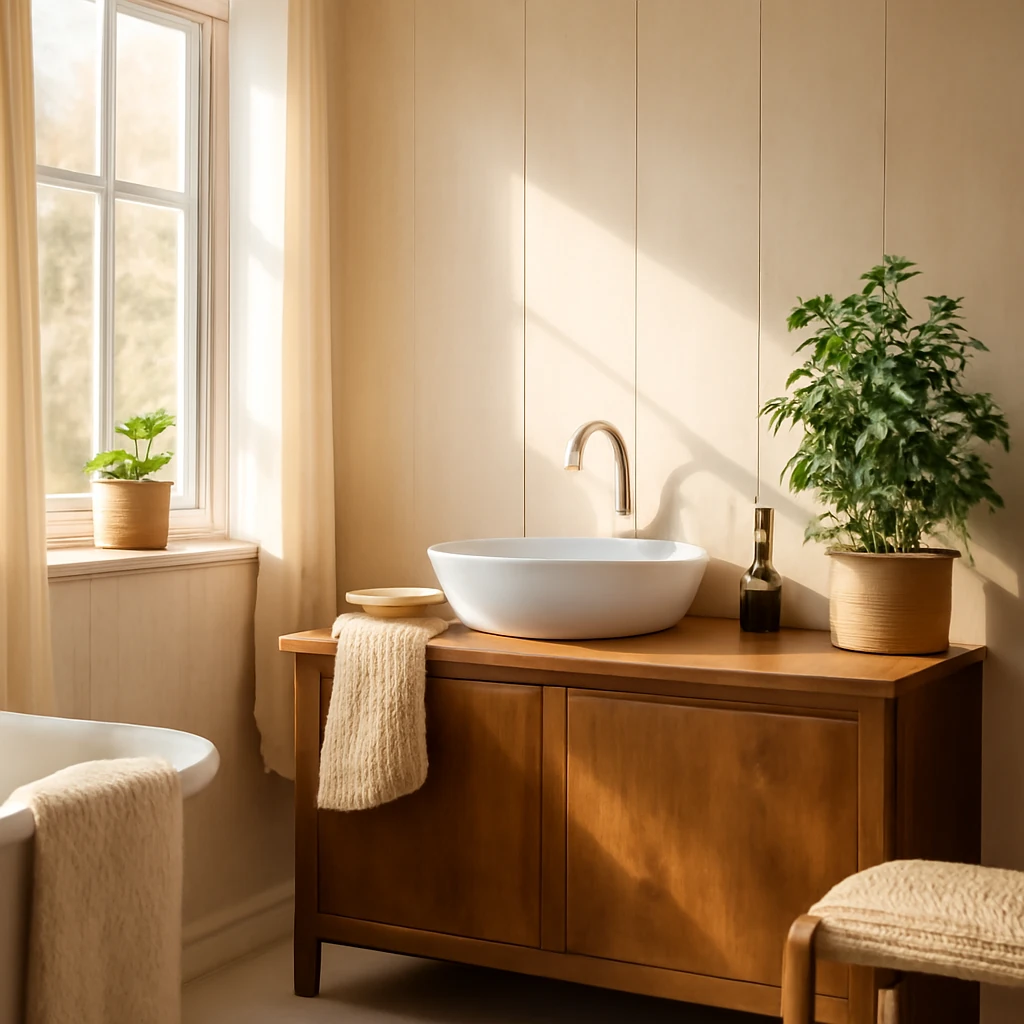
Why PVC panels have a place in European bathrooms
In many European homes the bathroom is both a functional space and a sanctuary for daily rituals. The challenge is to combine moisture resistance, low maintenance, and a design that stays true over time. PVC bathroom panels offer a practical cladding solution that ticks these boxes. They are lightweight, quick to install, and available in a wide range of textures and colours, making them suitable for renovations in urban apartments, period houses, and contemporary builds alike. This approach is particularly popular for retrofit projects where demolition of old plaster and tile is disruptive or costly, or where homeowners seek a fast turnaround with minimal dust and debris.
What are PVC bathroom panels?
PVC bathroom panels are decorative coverings made from polyvinyl chloride. They arrive as long sheets or modular panels with a smooth or embossed surface and a printed design on the exterior. Typical thickness ranges from 5 to 10 mm, with standard lengths of 3 metres. Some panels feature a tongue and groove or similar interlocking edge, enabling clean seams and quick assembly. The surface is non-porous, which helps resist moisture, mould and odours, and the backing is rigid yet light, allowing easy cutting with standard tools. In European markets, panels are produced to tight tolerances to ensure neat joints, and many systems allow for simple integration with existing plumbing and electrical services behind the wall.
Advantages and disadvantages
Pros:
- Cost effectiveness. PVC panels typically offer a lower initial outlay compared with ceramic tiling, while delivering reliable waterproofing when properly installed.
- Moisture and odour resistance. The non-porous surface resists moisture absorption and helps limit odour retention in damp zones.
- Low maintenance. Wipe-clean surfaces with a mild soap solution keep panels looking fresh with minimal effort.
- Concealed services. Panels provide a practical means to run and hide plumbing, electrical conduits, and data cables behind the wall.
- Thermal and acoustic comfort. The panel system offers a degree of insulation and can help shrink noise reflections in busy wet rooms.
- Fire performance. Many PVC systems are formulated to limit flame spread and smoke emission, meeting contemporary European safety expectations in wet rooms.
- DIY friendly. With basic hand tools and careful planning many homeowners can achieve a neat, durable finish without professional installation.
Cons:
- Environmental considerations. Cheaper PVC products may release odours such as phenol in early use, selecting higher grade, low-VOC panels is advisable.
- Potential fragility. Panels can crack or dent if mishandled, particularly along the edges during cutting or fitting.
- Perceived space reduction. The thickness and seam lines can, if heavily used, visually encroach on small bathrooms, careful palette and seam placement mitigate this.
- Design breadth. While there are many finishes, the range may not match the depth of options offered by premium ceramic tiling for very high-end projects.
How to choose the right PVC panels
Quality selection hinges on several criteria. Start by examining the face surface: thickness and rigidity directly influence impact resistance and durability. A crack or warp can allow moisture to penetrate and promote mould growth, so a flat, even finish is essential. Look for panels with a robust interlock system and around twenty reinforcing ribs or similar stabilisers, uniform rib width and perpendicular alignment to the face indicate a well engineered product. A durable panel will exhibit minimal chalking and should spring back when gently tested. Finally, investigate the edge profiles and joint systems, as well as the availability of compatible trims and corner pieces for a seamless result.
Styling options with PVC panels
PVC panels lend themselves to a broad range of bathroom aesthetics. The key is to balance the panel pattern and colour with fixtures, fittings and light that characterise the room. Below are five popular directions adapted for European homes.
Coastal / Nautical
For a light, breezy coastal look, choose panels in natural, pale hues such as soft greys, sand, and powder blue. Pair with large mirrors, light timber accents, and natural fibre textiles. Avoid overly busy patterns, instead opt for subtle textures that echo sea and sky. The effect is a bright, inviting bath that feels open and refreshed even in modestly sized spaces.
Modern and contemporary
Modern bathrooms favour clean lines, restrained palettes and clever zoning. Use pale, neutral panels with high-gloss or satin finishes and integrate with frameless glass, floating vanities and recessed shelving. Light-reflecting panels help maximise daylight, creating a serene, uncluttered atmosphere that remains visually striking.
Minimalist
Minimalism in the bathroom emphasises function and precision. Select uniform, monochrome panels with minimal detailing. The emphasis should be on material quality, exact joints and a restrained palette. White, light grey or beige panels with slim, sculptural hardware create a calm, spacious feel, especially in conjunction with concealed storage and hidden fixings.
Country / Rustic
To evoke warmth and a hygge mood, consider panels that mimic natural wood or stone textures in warm tones. Combine with timber furniture, ceramic vessels and soft, diffuse lighting. The panels provide a practical backdrop in humid rooms while embedding a cosy, homey character that stands up to daily use.
Provencal / Provençal
The Provencal look thrives on light, airy ambience with gentle textures. Pale panels allow decorative plasterwork or subtle wall motifs above to take centre stage. Pair with ceramic accessories, woven textiles and soft brass fittings to achieve a sunlit, relaxed atmosphere that feels timeless rather than trendy.
Colour, textures and pattern decisions
With a wide palette of PVC panels available, the designer's challenge is harmony. In smaller bathrooms, light hues and solid finishes help reflect daylight and create an impression of more space. In larger rooms, you can introduce gentle contrasts or texture while keeping the ceiling bright. A practical approach is to align panel seams with architectural lines and avoid heavy patterns in tight spaces. If patterns are used, choose designs that mimic tile or natural materials to achieve visual richness without increasing maintenance complexity. When opting for bold prints, ensure orientation and scale complement room geometry, vertical seams can elongate a room with a low ceiling, while horizontal seams can widen a narrow space.
For a refined two-tone effect, consider a lighter panel above and a slightly darker panel below or employ a colour change at mid-height. Modern printing techniques allow for convincingly natural textures, so it is feasible to achieve a tile-like appearance or a wood-grain look without the upkeep concerns of real tile or timber.
Installation and workmanship
Preparation is essential. Start with a clean, dry wall surface and address any mould or damp issues before panel installation. A moisture-resistant primer can improve adhesion on plaster or masonry. There are two common installation routes: adhesive fixing directly to the wall or a framed substructure that carries the panels. The latter can be advantageous on uneven surfaces or where extra rigidity is desired.
Practical guidelines:
- Panels typically arrive in 3-metre lengths with thicknesses of 5 to 10 mm, standard widths range from 250 to 300 mm.
- Decide whether to run panels vertically or horizontally based on room proportions, maintain consistent joint lines to prevent a busy look.
- Support framework spacing should generally not exceed 40 cm to preserve panel rigidity and alignment.
- Work from the lowest point upward, planning for fittings and vents that must pass through the wall.
- Seal all external edges and joints with a bathroom-grade silicone to create a watertight barrier.
Finishing touches include discreet plinths at the wall base and precise corner trims. If routing cables or pipes behind the panels, ensure a clear plan before installation to avoid later modifications. While some projects can be completed by skilled DIY enthusiasts, others benefit from professional installation, particularly in complex layouts or where steam showers and wet zones require meticulous detailing.
Maintenance and longevity
PVC panels are straightforward to maintain. Regular cleaning with a mild soap solution or a bathroom-friendly cleaner is usually enough. Avoid abrasive pads and solvent-based cleaners that could dull the finish. If mould appears in joints, address it promptly with an appropriate cleaner and ensure adequate ventilation. With proper care, panels can remain in excellent condition for many years, and silicone seals should be inspected and renewed periodically to prevent leaks. An effective extraction fan or good natural ventilation is key to long-term performance in damp environments.
Cost considerations and lifecycle
PVC panels can offer a quicker installation and reduced disruption compared with traditional tiling, which can translate into savings in labour time and overall project cost. The total expense depends on panel quality, chosen design, and whether you install the system yourself or engage tradespeople. While premium panels carry a higher upfront price, their low maintenance requirements and durability often offset costs over the product life cycle. In European renovations, many households report a favourable balance of price, performance and aesthetics when opting for PVC wall panels for bathrooms, especially in busy urban settings or where restoration timelines are tight.
Case studies and design thinking
Across Europe, clients and interior professionals frequently choose PVC panels for coastal flats, modern city apartments, and older houses with humid bathrooms. In compact new-builds, designers opt for light panels to maximise daylight, pairing them with slimline sanitaryware and highly reflective mirrors to enhance perceived space. In refurbishments within mid-century blocks, panels offer a fast, low-dust alternative to removing plaster and tiling, enabling a cleaner renovation with less downtime. A typical project might involve installing panels over existing walls, with a painted band above to introduce colour variation while keeping maintenance straightforward. The overarching design principle is to create a calm, cohesive backdrop that supports the bathroom fixtures rather than competing with them.
For design professionals, the process often starts with a mood board that demonstrates textures, colours and finishes, followed by precise measurements and a structured installation plan. The outcome is a modern, unified bathroom with practical benefits such as simple cleaning, improved moisture control and enhanced acoustic performance. Panels can be combined with other moisture-tolerant materials such as decorative plaster, resin features or tiled accents for splash zones, depending on the project scope and budget.
Conclusion
PVC bathroom panels offer a versatile, economical and moisture-friendly solution for European homes. They suit rapid renovations as well as complete makeovers, enabling homeowners to achieve a high-quality finish with minimal disruption. By selecting the appropriate thickness, texture and pattern, and by planning the installation carefully, you can create a bathroom that is durable, easy to maintain and in harmony with a wide range of design styles. The key to success lies in thoughtful planning, clear project goals and a trusted installer or capable DIY approach to deliver a seamless, long-lasting result.
You may also like these articles
 Interior Design
Provencal Interior Style: A Guide to Rustic Elegance Across Europe
Provencal-inspired interiors guide for European homes: tips and harmony.
Renovation
Budget-smart Renovation: European Designer Secrets for a Modern Home
Practical, stylish renovation tips for European homes on a budget.
Small Spaces
Zoning Made Simple: Flexible Layouts for European Apartments
Create flexible zones in compact European homes with style and smart storage.