
Explore interior trends, AI design insights, styling guides and real transformations
Closing the Space Beneath the Bath: 7 Stylish and Practical Solutions
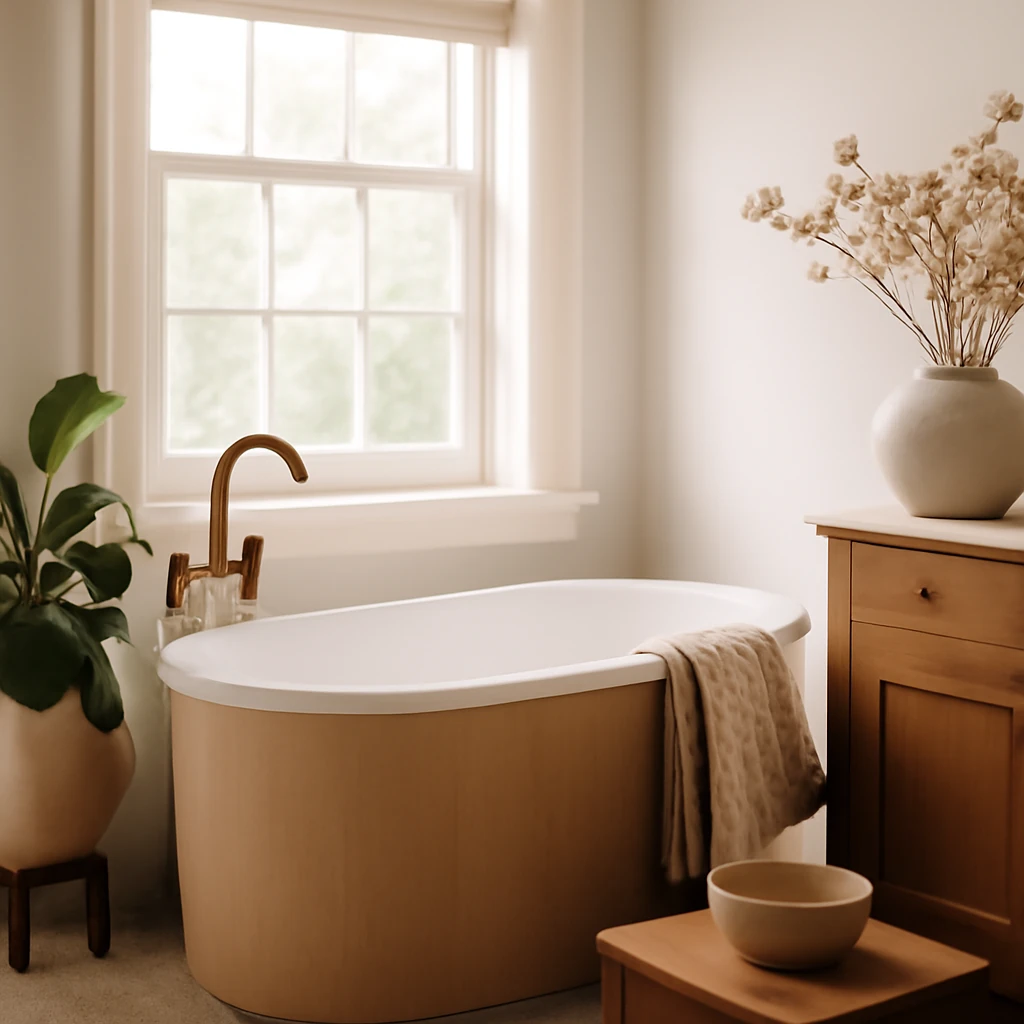
Introduction
In many European bathrooms the area beneath a bath is essential for plumbing access and ventilation, yet it is often overlooked aesthetically. The right screen or panel can hide pipes, prevent moisture spread, and create additional storage, transforming an unused zone into a functional design feature. This guide presents seven stylish and practical approaches to concealing the space from floor to bath rim, ranging from ready made screens to custom wall systems. Each solution balances accessibility for maintenance with durability in humid environments, and is suitable for a wide range of bathroom sizes and styles.
Ready-made solutions
Simple screen
The most straightforward option is a ready made screen. These typically come in three panels and are fitted with sliding doors or hinged elements. Ready screens are often crafted from moisture resistant materials such as PVC or coated MDF and LDSP, with metal framing to support the panels. They are designed to wrap around the bath edge and can be installed quickly, making them ideal for renovation timelines or rental properties where a permanent solution is less desirable.
- Materials and finish: Lightweight plastic panels are affordable and come in white, coloured finishes or with decorative imprints. More robust versions use moisture resistant MDF or LDSP with a protective coating. The panels may slide along tracks or be hinged for access to plumbing.
- Access to services: Sliding or hinged designs allow easy access to pipes and traps without removing the entire screen. This is particularly helpful where a service valve or siphon is in the adjacent wall.
- Limitations: Thinner panels can feel less substantial over time and may be prone to warping if moisture protection is inadequate. Choose products rated for bathroom use and check for warranty coverage.
- A preassembled MDF or LDSP screen offers a robust alternative. It is heavy and typically sits on sturdy floor supports or wall brackets. Depending on the model, doors may be sliding or outward opening, providing a little more versatility for tight spaces.
For baths that do not sit flush against walls on all sides, manufacturers also provide dedicated end panels to close the gap at the ends of the tub. These end pieces ensure a neat finish even when the bath is freestanding or positioned away from a full wall.
Multifunctional screens
Multifunctional screens combine aesthetics with organised storage. They may include hinged lids, pull-out baskets, or slim drawers integrated into the panel, turning the under bath space into a compact storage zone for cleaning products, spare towels, or toiletries. While these tend to cost more than simple panels, they offer significant value in small rooms where every square centimetre counts.
- Organization: Organisers and baskets can be sized to suit typical bathroom products, keeping items out of sight while remaining easy to reach.
- Build quality: Look for moisture resistant substrates and hardware rated for humid environments. Soft close hinges help protect edges from daily use.
- Flexibility: Some designs allow the storage section to be adjusted or reconfigured as your needs evolve, which is advantageous in changing family circumstances.
DIY and custom build options
Tile screen
Building a screen from tiles is a long-lasting, customised solution particularly suited to contemporary bathrooms with a fully tiled or ceramic finish. The construction typically involves a metal stud frame or timber skeleton to create a solid wall between the bath and the room. Water resistant plasterboard or moisture resistant cement boards are fixed to the frame and then tiled to match or contrast with surrounding surfaces.
Key considerations include waterproofing, access to the siphon, and future maintenance. A recessed access panel within the tile wall provides a discreet point to reach the waste and piping without damaging the tile work. When planning a tile screen, ensure the wall can bear the weight of the structure and use products appropriate for wet environments, such as porcelain or ceramic tiles with compatible adhesive and grout.
Podium
A podi um or plinth around the bath creates a sculptural platform that conceals pipes and provides additional seating or storage. This approach is particularly effective in generously proportioned bathrooms where a bath sits as a centerpiece. The podium should be built on a solid frame, typically using lightweight metal studs or a blockwork substructure for durability. The surface can be finished with tiles, stone, or timber securely treated for bathroom use.
Important caveats include weight and load distribution. A podium frame must be designed to support the bath and any stored items, while allowing access for service connections. A shallow recess and an integrated access panel help ensure that maintenance can be performed without dismantling the entire structure.
Louvre doors
Louvred panels offer a breathable, well‑ventilated enclosure around the bath. The slatted design aids air movement which helps prevent mould growth in humid environments. Louvre doors can be mounted on a timber or metal frame and finished in natural wood tones or painted to match the bathroom palette. hinges or sliding mechanisms provide convenient access while keeping the space neat and discreet.
Woven screens
Woven panels crafted from natural fibres such as rattan, seagrass, or bamboo bring texture and warmth to a bathroom. Treated with water resistant finishes and protective coatings, woven screens can be surprisingly durable in moist conditions. They work particularly well in Scandinavian, coastal, or rustic contemporary bathrooms where a tactile material contrast adds depth to the design.
Durability depends on the fibre, thickness, and finishing. Choose products described as moisture resistant and avoid overly delicate weaves near direct splashes. Regular cleaning with a soft cloth and a gentle cleaner will help maintain the weave’s appearance.
Curtain
A textile curtain offers the quickest and most flexible option for concealing the space beneath the bath. A two-layer approach is common: a vinyl inner layer that protects against splashes and a textile outer panel that provides colour and texture. Curtains are easy to update, inexpensive, and ideal for seasonal changes in bathroom styling. For practical use, opt for fade and mould resistant fabrics with appropriate water-repellent treatment.
Alternative approaches and practical considerations
Beyond screens and walls, there are other strategies to finish the space beneath a bath while keeping maintenance straightforward and aesthetics high. A well designed plinth or platform can extend the finish of the bathroom floor up to the bath edge, creating a cohesive look and a practical storage zone. In smaller bathrooms a shallow plinth can visually elongate the space and hide essential services while maintaining a clean line between surfaces. In larger bathrooms a podium can serve as a focal feature, especially when illuminated with concealed lighting or LED strips integrated into the plinth edge.
Another practical option is to install a dedicated access panel within the under bath wall. This provides a straightforward route to valves, siphon, and cleanouts without disturbing the surrounding tiling. A flush, recessed panel kept within the tile plane is a discreet but essential feature for ongoing maintenance.
Choosing the right solution for your space
Selecting the best approach hinges on several factors. The interplay of space, budget, and style determines whether a simple screen suffices or a customised wall or plinth becomes a more appropriate investment. Consider the following questions as you plan:
- How often will you need access to the plumbing? If frequent access is required, prefer designs with removable panels, hinged doors, or drawers rather than fully permanent screens.
- How much space do you have around the bath? In compact bathrooms, sliding doors or recessed panels save valuable footprint compared with hinged doors that require space to swing.
- What is the style of your bathroom? A minimalist white screen blends with contemporary schemes, while natural wood or woven screens suit Scandinavian or rustic aesthetics. Tile or stone finishes align with traditional or modern bathrooms alike depending on the selection.
- What level of maintenance can you commit to? Some materials require more care and sealing than others. Plan for annual checks of seals, grout, and moisture protection.
- What are the load and weight considerations? Podiums or plinths may add mass, ensure structural support is appropriate for the selected materials and the bath’s weight when full of water and occupants.
Materials, durability and maintenance
The bathroom environment is humid and variable in temperature. When selecting a screen or panel, opt for materials with proven moisture resistance and mould protection. Common choices include:
- Moisture resistant MDF or LDSP with a waterproof coating for durable screens that can be finished in a range of colours.
- Porcelain or ceramic tiles on a rigid backing board for tile screens that provide a long-lasting surface with easy maintenance.
- PVC or vinyl panels for affordable, wipe-clean surfaces that are quick to install and replace.
- Natural materials such as bamboo or rattan for woven screens, treated with moisture inhibitors where suitable.
- Wood finishes in the form of carved panels or cladding can be employed if the wood is properly sealed and maintained against humidity.
Maintenance routines are straightforward: wipe surfaces with a mild cleaner, inspect seals and joints regularly, and address any signs of staining or mould promptly. If you fit a wooden or woven screen, ensure that the finish is water resistant and reapply protective coatings as recommended by the manufacturer. For tile or stone screens, reseal grout joints every few years to maintain a water-tight enclosure.
Professional installation vs DIY
Depending on the chosen approach, you may prefer to involve a professional bathroom installer. Simple screens can be an effective DIY project for skilled renovators, particularly those with basic carpentry or tiling experience. More complex solutions such as tile screens or podiums demand precision in framing, waterproofing, and drainage considerations. A professional will assess structural support, ensure correct ventilation, and guarantee that access panels are positioned for convenient maintenance. If you opt for a DIY route, invest in high quality materials, follow manufacturer instructions, and plan for a thorough waterproofing regime to reduce the risk of damp ingress over time.
Practical design tips for European bathrooms
To ensure your under-bath enclosure complements the rest of the room, follow these design tips:
- Coordinate with the overall palette. A white or pale neutral screen works well with classic, modern, or minimalist interiors, while wooden or woven finishes can anchor a warm, organic scheme.
- Consider lighting. Subtle under-bath or foot-range lighting can highlight architectural details and improve accessibility when entering the room at night. LED strips concealed within a plinth edge or under a raised platform are particularly effective.
- Match hardware finishes. Whether you choose chrome, brushed nickel, or matte black hinges and tracks, keeping a consistent hardware motif helps the enclosure feel like an intentional design element rather than an afterthought.
- Plan for ventilation. Bathrooms need airflow to minimise moisture build-up. Louvred doors or panels with integrated vents can balance privacy with air movement when required.
- Ensure cleanability. Choose smooth, wipe-clean surfaces and avoid intricate textures that trap moisture. Sealed grout and sealed timber surfaces simplify cleaning in humid spaces.
Conclusion
The space beneath a bath offers a surprising opportunity to enhance both function and aesthetics. Whether you select a simple ready-made screen, a multifunctional system, or a tailored tile wall or podium, the goal is to create a seamless transition between the bath and the rest of the room while simplifying maintenance and storage. In European bathrooms, where space can be at a premium and damp conditions are routine, choosing a robust, well‑sealed, and appropriately ventilated enclosure is essential. With careful planning, the area under the bath can become a coherent design detail that elevates the entire bathroom, rather than a hidden afterthought.
Checklist for your project
- Define the purpose: storage, access to plumbing, or purely visual enclosure.
- Assess space and movement: ensure doors or panels do not obstruct daily use.
- Choose moisture resistant materials and appropriate finishes for bathroom use.
- Plan for maintenance access with an integrated panel or removable section.
- Consult a professional if you are unsure about structural implications or waterproofing needs.
Final thoughts
From the quickest makeover to the most elaborate solution, the right under-bath enclosure can harmonise with your bathroom’s character while delivering practical benefits. The key is to balance durability, accessibility and aesthetics, ensuring the design stands up to daily use and the humidity of a European bathroom. Whether you prefer a crisp, contemporary look or a warm, tactile finish, there is a solution that will complement your space and enhance the overall quality of your daily routine.
You may also like these articles
 Kitchen Design
Ergonomic kitchen heights: tailoring countertops to you
Practical guidance for matching kitchen countertop heights to your comfort.
Small Spaces
Entrance Hall Design 2026: Trends, Colours & Ideas
European guide to hallway redesign: style, storage and textures.
Tips & How-To
Creating a Calm yet Dynamic Teenage Boy’s Room: Zoning, Colour and Flexible Furniture Across Europe
A European guide to zoning, colour and flexible furniture for a teen's room.