
Explore interior trends, AI design insights, styling guides and real transformations
Five Thoughtful Kids’ Rooms: Comfort, Safety and Creativity Across Europe
Introduction: a space for growth, safety and imagination
In European homes, a child’s bedroom is more than a place to sleep. It is a daily workshop for play, learning and developing independence. The most successful schemes balance comfort with durability, integrate clever storage, and provide flexible layouts that adapt as children grow. The following five design concepts showcase how professional studios across Europe conceive rooms that are not only beautiful but practical, safe and delightful to inhabit. They offer transferable ideas for apartments, townhouses and houses alike, with attention to daylight, materials, acoustics and sustainable finishes that stand up to busy family life.
A calm sanctuary: rooms in soft tones
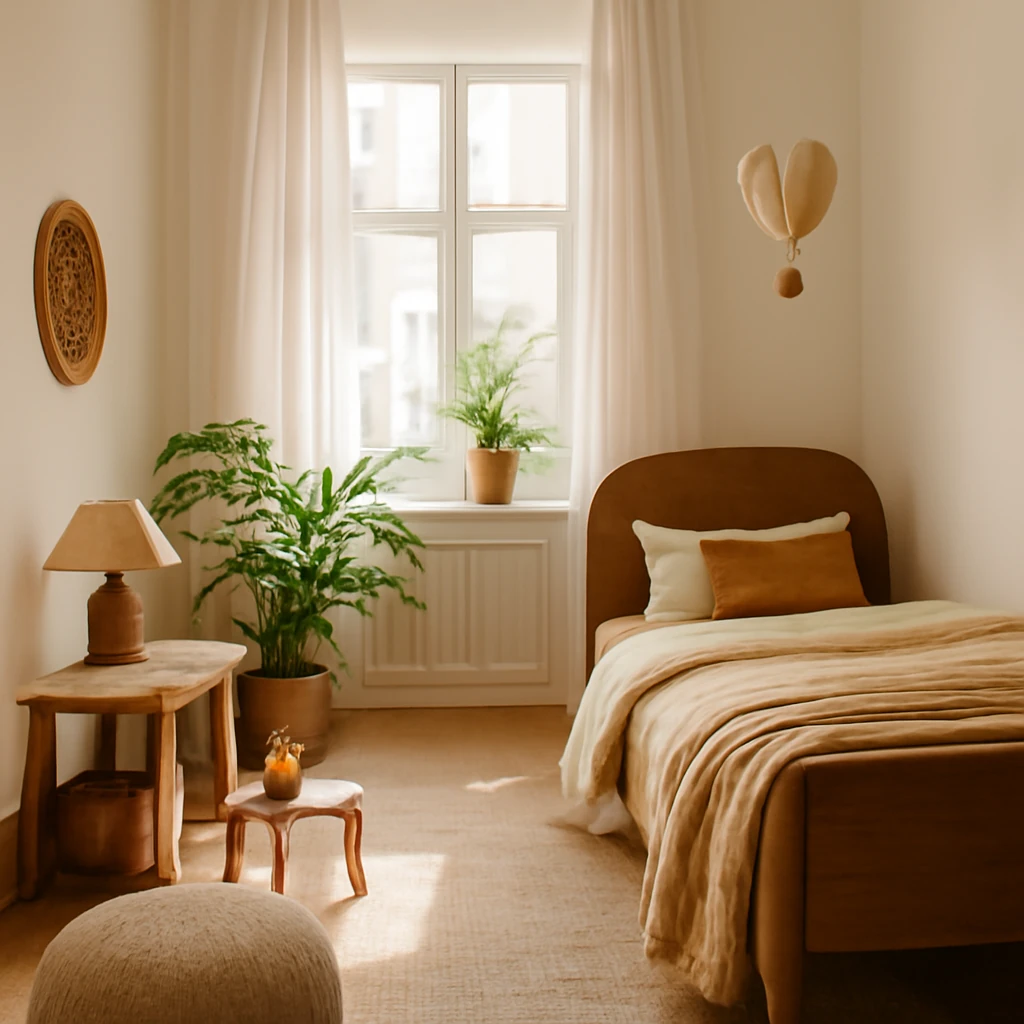
Soft palettes - think warm beiges, gentle terracotta and denim-inspired mustard - create a serene backdrop that helps children unwind after a busy day. The layout typically includes a comfortable sleeping area, a spacious wardrobe and a dedicated study corner by a window to maximise natural light. A window seat with cushions invites moments of quiet reading or daydreaming, while open shelving within easy reach encourages independent access to books and toys. A full-length mirror can be both practical for daily dressing and playful for dancing in front of it. A plush rug softens the floor for games and crawling, and adds tactile warmth to the room.
In European renovations, scale and proportion matter. Furniture with rounded edges and low profiles reduces visual clutter and creates a calmer ambience. Materials are chosen for durability and ease of cleaning, with paints and finishes meeting local safety standards and low volatile organic compounds. The aim is to craft a space that feels intimate yet airy, where textures - woven fabrics, natural woods and wool rugs - add depth without making the room feel busy.
Practical note: layered lighting supports mood and function. Combine a dimmable ceiling light with a discreet floor or wall-wash to softly illuminate the room at evening hours. A colour‑temperate approach - cool light during study and warmer tones as bedtime approaches - helps regulate the body clock. When possible, position the desk near the window for daylight‑driven tasks and natural inspiration.
A multifunctional space
Flexibility is the guiding principle of this scheme. A well‑placed workstation by the window benefits from natural daylight, ideal for homework or creative tasks. The bed remains the cosy anchor, while a built‑in wardrobe tucked into a niche keeps the footprint tidy. A compact bookcase and low drawers provide easy access to stationery and materials, encouraging organisation. A layered lighting plan combines a ceiling fixture for general illumination, a task lamp at the desk, and a softer wall light near the bed to signal winding‑down time.
Smart mood lighting plays a growing role in European interiors. A versatile, Matter‑compatible lighting strip can shift through a wide spectrum of colours to support different activities and atmospheres. The strip works with voice assistants and a companion app, offering scenes for study, play and slumber. A pair of bedside lamps with adjustable brightness complements the setup, allowing a customised balance between focus and relaxation.
Expert tip: choose a lighting system that can respond to occupancy or schedules. When the child returns to the room after school or play, gentle lighting can help ease transitions and reduce the jolt of switching on brighter fixtures. A sensor‑driven approach also aids energy efficiency and safety at night.
Theatrical yet practical: a bright play zone
This concept embraces colour and activity. A compact sofa on the lower level creates a cosy reading corner, while the adjacent desk and shelving area provides a dedicated study zone. The upper level is transformed into a playful loft or climbing zone, offering a sense of adventure while keeping essential play items within reach. Clear sightlines, rounded edges and solid anchoring ensure safety as children move between zones. The plan uses vibrant textiles and modular storage to keep the space orderly even during energetic play.
European homes often combine mezzanine or split‑level layouts with careful safety considerations. Lower sections feature soft flooring and gradual steps with handrails, while furniture with soft edges and anti‑tip fittings keeps the room secure. Storage solutions with closed boxes reduce clutter and help children learn categorisation. Lighting plays a critical role in avoiding glare, a soft ambient layer around the play zone makes evenings more comfortable for reading or winding down after a busy afternoon.
Storage and accessibility: label boxes with bold icons so children can find items independently. Tidy cables and neat plug placement prevent trips, and a dedicated lighting plan guides movement at night while maintaining a playful vibe during the day.
Thematic design: space, sea or fantasy
A theme provides a unifying narrative that can evolve with the child. Whether inspired by space exploration, the sea or fantasy worlds, the décor remains adaptable through strategic furniture choices and smart storage. Shelving that resembles orbital forms or planetary motifs can double as decorative elements and practical display space for models, books and collections. A planet‑shaped light fixture, placed on a balcony or alcove, introduces character without overpowering the room. While the theme sets the mood, the core furniture should stay versatile and robust, easily repurposed as tastes change.
Durable materials and wipe‑clean finishes are essential in European homes where rooms are used intensively. Neutral bases - light woods, soft textiles and calm wallpapers - provide a stage for brighter accents that can be refreshed with new textiles or a fresh coat of paint. Furniture with concealed storage and modular components helps maintain order, avoiding a chaotic appearance even in the most exuberant rooms.
Decorative idea: clever storage that mirrors the theme - think wall‑mounted planets or marine‑themed display pegs - can turn storage into an ongoing part of the design, not a separate afterthought. The aim is to balance fantasy with function so children feel inspired yet calm enough to focus on their studies as they grow.
A corner for creativity
A dedicated area for creativity can transform a room from a place to sleep to a daily workshop for drawing, modelling and crafts. A sturdy worktable supports a range of activities, while open shelving places supplies within easy reach. Drawers behind the desk help keep smaller items organised, and bright accents - textiles, wall finishes and accessories - inject energy into the space. An open plan arrangement ensures the corner remains visible from the rest of the room, supporting supervision while fostering independence.
Durable, wipeable surfaces are practical choices for a creativity corner. High‑quality upholstery on seating, easy‑to‑clean flooring and washable wall coverings simplify maintenance. A cork board or magnetic board invites children to pin their latest projects and celebrate milestones, reinforcing a positive creative cycle. In larger European homes, a compact maker‑space with storage for tools and materials can nurture hands‑on learning and translate ideas into tangible outcomes.
Closing thought: a well‑designed creativity corner becomes a focal point for collaboration with siblings, project showcases and the daily joy of making.
Practical considerations for European homes
- daylight and acoustics: maximise natural light with window arrangements and light‑reflective finishes. Add soft furnishings or acoustic panels to reduce echo in open‑plan rooms common in urban Europe.
- safe materials: select paints, wallpapers and textiles meeting local safety standards and eco‑labels. Prioritise low‑VOC products for healthier indoor air.
- durable furniture: invest in furniture with tested safety features, anti‑tip fixings and rounded edges. Choose pieces that can be reconfigured as needs evolve.
- storage planning: design storage by function - books, toys, art supplies - using labelled boxes and open shelves for quick access, plus discreet concealed compartments for clutter control.
- adaptability: prefer modular systems, convertible beds and adjustable desks to accommodate age and interest changes without a full redesign.
- climate considerations: incorporate fabrics and floor coverings that are comfortable in varying European climates, with easy cleaning in mind.
Materials, finishes and sustainability
Choosing materials that endure busy family life without compromising environmental responsibility is central to European design philosophy. Natural woods with clear protective finishes, durable textiles, and mineral or lime‑based wall paints offer a balanced mix of warmth, longevity and air quality. Soft furnishings should be washable or removable for cleaning, while floor coverings benefit from being stain‑resistant and resilient under frequent use. Where possible, select certified products that confirm sustainability credentials and safe indoor air performance.
Regarding finishes, avoid high‑gloss surfaces in high‑traffic areas as they can reflect glare and show fingerprints easily. Where brightness is desirable, use light, matte finishes with gentle textural variations to keep the room tactile and comfortable. A combination of materials - wood, fabric, wool and cork - adds depth and reduces noise, enhancing concentration during study and calm during play.
Lighting design across Europe
Lighting is a central tool for shaping mood, safety and learning in children’s rooms. A layered approach typically combines general illumination, task lighting and ambient accents. In addition to a central ceiling fixture, a desk lamp with adjustable brightness is essential, along with wall lights or floor lamps to create zones for reading and creative work. For younger children, softer lighting helps ease transitions to bedtime, while brighter task lighting supports homework when needed. For older children, the ability to customise scenes - study mode, play mode, wind‑down mode - fosters autonomy and strengthens routines.
Smart lighting systems that are compatible with common European home automation standards enable seamless control through voice, apps and sensors. A colour‑tunable LED strip can morph across a broad spectrum to reflect mood, activity and time of day, while motion or occupancy sensors offer convenience and energy efficiency. The system’s openness to integration with other smart devices means lighting can respond to daily rhythms and seasonal changes, further supporting a healthy circadian pattern for children.
Storage solutions that grow with them
Storage in children’s rooms should be flexible enough to accommodate evolving needs. Start with low, reachable shelving for books and small toys, and pair it with deeper drawers or boxes for larger items. Consider modular units that can be added or reconfigured as a child grows, plus wardrobe spaces that can transition from child‑sized to teen‑appropriate scales. Labeling, colour‑coded storage and transparent containers help children participate in tidying up, fostering organisation skills that will benefit them later in life.
Wall-mounted cabinets and pegs can keep floors clear and maintain sightlines for supervision. If space is limited, choose multifunction furniture - beds with integrated drawers, desks that double as vanity stations, or seating benches with hidden storage - to maximise both function and roominess. In all cases, ensure that the furniture is securely anchored and that any cords or plugs are hidden or cable‑managed to reduce tripping hazards.
Final thoughts: designing for a European childhood
Creating a children’s room that endures requires a careful balance of character and restraint. Allow space for imagination with a thoughtful theme, but anchor the design in durable materials, timeless architecture and flexible layouts. A room that can adapt - from cribs to study corners, from play zones to quiet nooks - will serve families across Europe for years. By prioritising daylight, safety, sustainable materials and intelligent storage, designers can craft spaces that nurture curiosity, support learning and provide the comfort children need to grow confidently.
In practice, start with a clear plan: identify zones for sleep, study, play and creativity, choose a palette that can be refreshed with textiles rather than a full remodel, and integrate smart lighting and storage that can evolve with the child. With these principles, a child’s room becomes more than a private refuge - it becomes a dynamic environment where everyday life is designed around growth, safety and wonder.
You may also like these articles
 Bedroom
Colour Dreams: How to Paint a Bedroom for Calm, Comfort and Style
Colour psychology meets practical painting for a serene European bedroom.
Bathroom Design
PVC bathroom panels: practical, stylish wall cladding for European homes
Practical, stylish PVC panels for European bathrooms — a smart renovation choice.
Interior Design
Bay Windows: Design Focal Points for European Homes
Turn bay windows into light-filled, flexible spaces with clever layouts.