
Explore interior trends, AI design insights, styling guides and real transformations
Wall Above the Bed: 10 Stylish Ideas for European Bedrooms
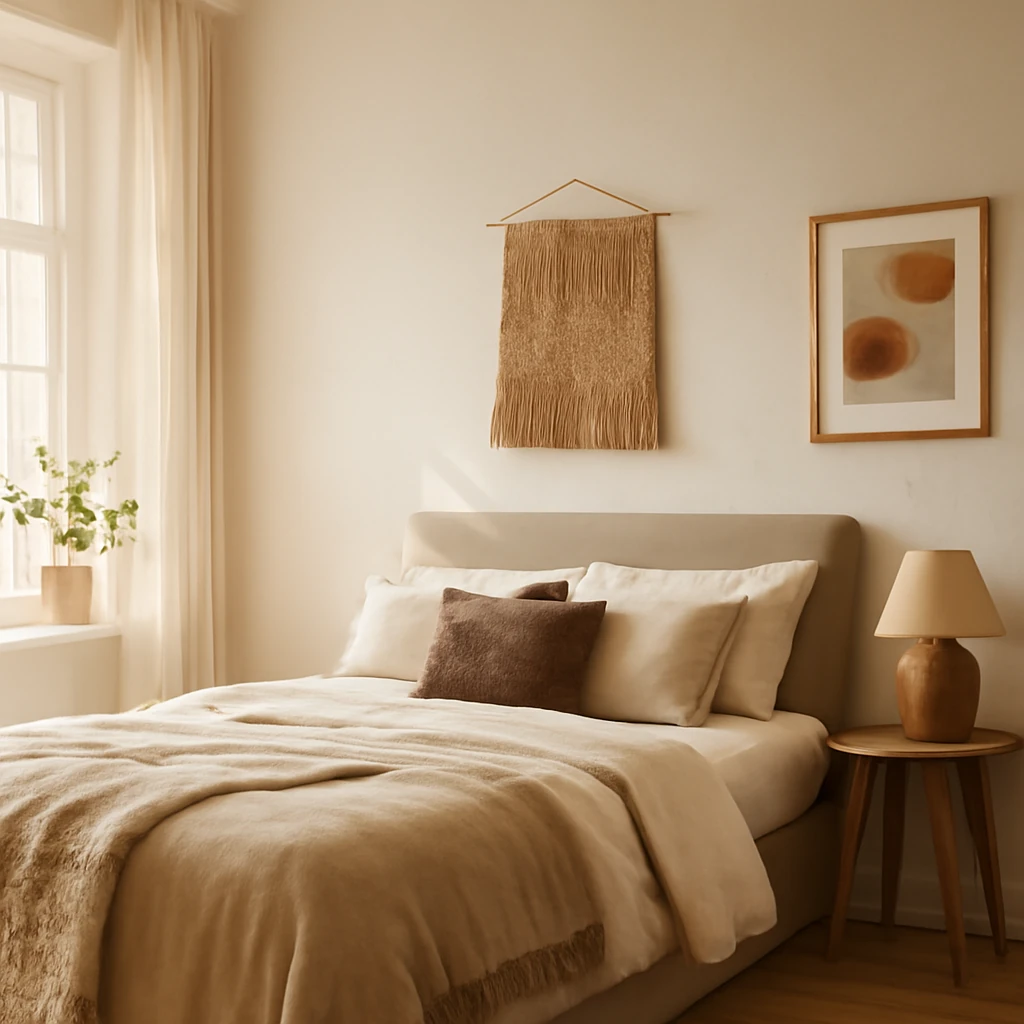
The wall behind the bed as a design focal point
In European bedrooms, the wall behind the bed is often the first thing you see on entering. It should calm the senses, flatter the bed silhouette, and create a cohesive mood. Neutral textures like linen, wool and soft plastered finishes work well, consider the room’s size, ceiling height and natural light. A too-dominant feature can shrink a compact room, a too-timid detail can render the space dull. The key is balance: texture, colour and scale must harmonise with the bed and accompanying furniture.
How to decorate the wall behind the headboard
There are many approaches to decorating the wall behind the bed. Below is a curated list of reliable options that can be combined or used singly, depending on the room’s style and budget. The aim is to enhance the headboard area without overwhelming it.
- Artwork: painting or prints - Use simple, timeless motifs and frames. Prefer artwork that echoes the interior palette. A gallery wall with varied sizes can work in larger rooms, in smaller spaces, pair a single large piece with a few smaller ones for rhythm.
- Mirror - A large mirror can visually expand the room and reflect daylight. Consider a central mirror with a restrained frame or a cluster of geometric shapes arranged as a composition.
- Rug or macrame - A textile over the wall can soften the corner and add warmth. Choose muted or earthy tones to keep the room cohesive, macramé and woven hangings suit boho, Scandinavian, or eclectic schemes.
- Accent wallpaper - A feature wall behind the bed can set the tone for the entire room. Stripes, damask or nature-inspired patterns work well when matched to the bed linens and furniture finishes. For small bedrooms, consider subtle patterns with larger-scale prints that create depth.
- Mouldings and plaster - Classic mouldings or decorative plasterwork can elevate the space, especially in rooms with high ceilings. Keep it light in narrow spaces, a simple grid or paneling can visually lift the wall without overpowering the bed.
- Panels - Wall panels in plaster, wood, MDF or fabric provide texture and acoustic benefits. You can extend panels onto the ceiling edge for a strong architectural statement, use soft fabrics for a cosy mood or cool wood for a modern loft aesthetic.
- Shelves - Floating shelves offer display and storage above the headboard. Keep the arrangement calm and proportional to the bed, for sleep-friendly spaces, avoid clutter directly above the face line when lying down.
- Personal keepsakes and art objects - Curate a small collection of framed prints, textiles, or artefacts that carry personal meaning. A restrained gallery with a common colour thread reads as intentional rather than random.
- Lighting - Integrated or decorative lighting can define the space. Consider wall sconces on each side of the bed for balance, or a soft linear LED along the top edge of the headboard to create ambient glow.
- Three‑dimensional panels - Relief panels or sculptural wall art add depth and tactility. Materials vary from plaster and timber to felt or woven fibres, choose tones that harmonise with the room’s palette.
Why decorate behind the headboard
The bed wall is typically the room’s most focal surface. By choosing a thoughtful treatment, you influence perceived proportions and mood. A distinct but cohesive wall can anchor a scheme, while subtle texture can enhance tranquillity and comfort. The approach to decorating this zone should reflect the overall style: minimal and refined for modern tastes, or layered and rich for a traditional or romantic atmosphere.
Additionally, wall treatment can help adjust room proportions. Vertical elements visually extend ceilings, while horizontal measures can widen the sense of space. For tall ceilings, consider a higher feature height or a vertical pattern, for narrow rooms, a low, light panel can prevent the space from feeling oppressive.
Key ideas in practice
Artwork or prints
Artwork remains a timeless solution for above-bed decoration. Start with a colour story drawn from the bedding, rugs and curtains to ensure harmony. When selecting frames, opt for restrained profiles in matte finishes to avoid competing with the artwork. A gallery wall can be impactful in larger bedrooms, choose a plan that alternates sizes but repeats a unifying element such as a shared colour or theme.
- Choose a calm palette: soft neutrals punctuated by a single accent colour drawn from the bed linens.
- Prefer simple subjects: abstract shapes, geometric patterns, nature-inspired motifs, line drawings, or portraits in a refined style.
- Gallery walls work best with at least three pieces, for a bold statement, assemble a larger grid or an irregular arrangement with a cohesive frame style.
Mirror
A mirror can double the perceived light and space, essential for rooms with limited daylight. A single statement mirror at the centre of the wall can act as a focal point, while a pair or a triptych arrangement can create a more dynamic feature. Be mindful of reflections that might disturb sleep, position mirrors to capture soft daylight or ambient light rather than gaze directly towards the bed at night.
- Opt for symmetry for a calm, classical look, or mix shapes for a contemporary edge.
- Consider a frame that echoes other materials in the room, such as timber, brass or black metal.
Textile wall accents: rug or macramé
A textile feature above the bed can add warmth and softness to a cool, modern room. Textiles can mute an overly sterile palette and help absorb sound, improving sleep quality. For European bedrooms with compact footprints, a mid-weight tapestry or macramé piece often works best, avoiding heavy textures that overwhelm the wall.
- Choose neutral or earthy tones to blend with bedding, introduce colour through cushions and throws.
- Keep the textile size proportional to the bed: a width roughly matching the headboard or slightly larger is a safe rule of thumb.
- Consider combining a textile with a smaller artwork to create a layered, tactile gallery.
Accent wallpaper
Wallpaper behind the bed can define the room’s character with minimal effort. Contemporary options include botanical prints, geometric motifs or soft textures. For small bedrooms, large-scale patterns can create depth, while vertical stripes can lift the eye and give the illusion of height. If you wish to change the look seasonally, consider removable wallpaper or a roll that can be swapped with the mood of the year.
- Pair wallpaper with plain bed linens to avoid visual clutter.
- Experiment with combining a wallcovering behind the bed with restrained mouldings or fabric on the adjacent wall for a lens of elegance.
Mouldings and plaster
Mouldings, beadwork or decorative plasterwork add architectural interest. In European interiors with higher ceilings, consider a frame-like panel that surrounds the headboard to draw the eye upward. For smaller rooms, a simple, narrow crown or a grid overlay can achieve a similar effect without overpowering the space.
- Use colour or tone to differentiate the moulded sections from the rest of the wall.
- Coordinate with lighting to emphasise the relief or lines of the panels.
Panels
Wall panels offer variety: gypsum, wood, MDF, fabric or leather. Panels carved or upholstered can create a cosy, intimate mood, while smooth wood or gypsum options deliver a contemporary register. Extending panels onto the ceiling or into the headboard zone can produce a unified, architecturally coherent feature. If the walls have flaws, panels can conceal them while enhancing the room’s identity.
- Choose panels that echo other materials in the room (wood tones with wooden furniture, fabric textures with soft furnishings).
- Consider acoustic benefits of fabric panels for a calmer sleep environment.
Shelves above the bed
Floating shelves provide light storage and decorative display. They are ideal in bedrooms with generous width but must be kept tidy to avoid visual clutter. Use the shelves to hold a small library, plants, or curated art objects. If you prefer a calmer look, a built-in headboard with a slim shelf is a practical alternative that keeps the wall visually uninterrupted behind the bed.
Framed artworks and keepsakes
Personalise the space with a curated selection of framed prints, textiles, and artefacts. Group items by colour or texture to create a cohesive vignette. To maintain balance, choose frames of a single family and arrange them along a gentle grid or a measured salon-style composition that respects the wall’s proportions.
Lighting
Lighting can transform the wall behind the bed from a backdrop into a theatre. A warm, low-intensity glow helps foster relaxation. Options include wall sconces on either side, a long LED strip concealed behind a coving or headboard, or a decorative pendant placed at a suitable height. For those seeking a cosier aesthetic, consider fairy lights or a delicate string of LEDs that creates a soft halo along the headboard line.
- Aim for lighting layers: ambient, task and accent layers as part of a coherent plan.
- Avoid harsh direct light that disrupts sleep, opt for dimmable fixtures where possible.
Three-dimensional wall panels
Three-dimensional panels or sculptural installations offer a modern alternative to traditional art. Carved plaster, fabric reliefs or textile folds add depth and tactility, especially in larger rooms with high ceilings. Choose colours that harmonise with the surrounding upholstery and carpeting to ensure a seamless look.
Final practical tips
Size, scale and proportion are the three guiding rules when decorating the wall behind the bed. A good starting point is to ensure the width of the decorative feature does not exceed two-thirds of the bed width, however, proportion and layout should respond to the room’s geometry. For example, in a room with a 160 cm wide bed, a feature spanning 100–120 cm behind the headboard is a balanced choice. Taller ceilings can accommodate more elaborate uplifts - crown mouldings, paneling or a high artwork arrangement that reaches toward the ceiling. For compact rooms, keep the wall treatment restrained with clean lines and a monochrome palette. When using patterns, maintain a single focal motif and let other elements stay quiet to avoid visual competition.
Practical considerations include ceiling crown height, colour temperature of lighting, and the bed's visual weight relative to the wall feature. Textures matter: a tactile surface behind the bed can influence sound quality and comfort. Finally, consider longevity: invest in materials and finishes that age well and can be refreshed with new textiles or art without a full renovation.
How to plan the project
Before starting a wall project, measure the bed and the available wall area. Decide whether you want a purely decorative panel, a gallery arrangement, or a functional solution such as shelves or a built‑in headboard with integrated storage. Create a mood board that includes a few key materials, colours and scales. Then test samples in the room, observe how the wall reads at different times of day and with varying natural light. Finally, consider the budget and installation constraints: some options require a skilled craftsman, while others can be executed with a DIY approach.
Conclusion
The wall behind the bed offers a powerful opportunity to tailor mood, proportions and comfort in European bedrooms. By selecting one or multiple of the ideas outlined here and balancing scale with the rest of the space, you can craft a serene, stylish sanctuary that feels both contemporary and timeless.
You may also like these articles
 Outdoor & Terrace
Finishing the balcony: materials and ideas to create a stylish, practical extension
Turn your balcony into a stylish, durable extension with expert material guidance.
Tips & How-To
Creating a Calm yet Dynamic Teenage Boy’s Room: Zoning, Colour and Flexible Furniture Across Europe
A European guide to zoning, colour and flexible furniture for a teen's room.
Small Spaces
A 49 m² European Home: Neoclassical Calm, Clever Zoning and Hidden Storage
Clever zoning transforms a 49 m² European apartment into warm, functional living.