
Explore interior trends, AI design insights, styling guides and real transformations
Rethinking Bed Linen Ironing: Myths, Textures and European Living
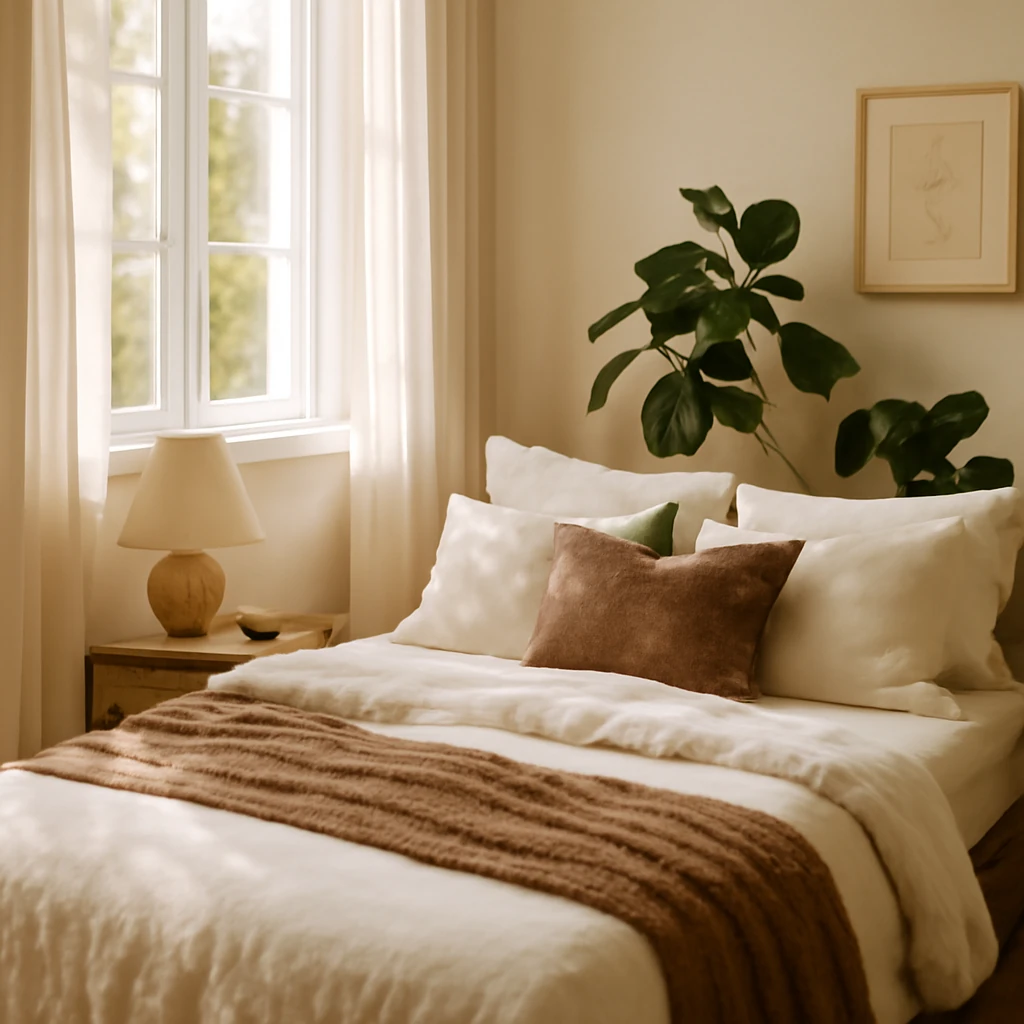
Bed linen is more than a practical item, it forms part of the room’s atmosphere, influencing sleep quality, climate control and the overall feel of a space. Across Europe, homeowners are rethinking the ritual of ironing, seeking a balance between hygiene, tactility and style. This guide dispels six common beliefs about ironing bed linen and offers practical, design-aware guidance for contemporary homes.
1. You must iron to kill microbes
Reality: Modern washing machines with cotton cycles and steam options can sanitise textiles without the need for ironing. For most households, washing bed linen at 60°C–80°C with a good detergent, or using a dedicated steam setting if available, is sufficient to reduce microbes and maintain hygiene.
Exceptions: In settings with vulnerable skin or contagious conditions, or in hospitality and care environments, higher-temperature laundering and strict protocols may be implemented. In such contexts, hotels and professional laundries frequently follow industry guidelines to maintain hygiene. At home, you can rely on your machine’s programmes and the fabric care labels rather than assuming ironing is a universal medical requirement.
Historically, households spent hours ironing bed linen to feel secure. Today, for most families, the washing cycle is the main cleaning act, ironing becomes a matter of personal preference and styling, not a medical necessity.
2. Baby linen should be ironed on both sides
Reality: There is no universal rule requiring parents to iron baby linen on both sides. Peace of mind varies from household to household, and some parents prefer a crisp finish while others prioritise ease and softness.
Exceptions: If a newborn has a skin condition or an infection acquired in hospital, steam and gentle heat can be helpful in reducing contaminants, but always test fabrics first and avoid scorching. Ensure linen is completely dry before use on a baby’s skin.
In practice, many households rely on a light steam pass or single-sided ironing for daily sheets, balancing hygiene with comfort. The care label of each fabric should guide decisions, and excellent ventilation in the ironing area helps protect fabric longevity and air quality in the bedroom.
3. Ironed linen feels nicer to touch
Reality: The tactile quality of linen depends on weave and fibre. Pure cotton percale tends to feel crisp and cool, while cotton sateen offers a smoother, warmer hand. Linen and blends create texture that may be more pronounced after ironing, some fabrics lose moisture absorption when pressed too aggressively.
In practice, the sensation of a sheet is a balance between fabric chemistry and how you treat it. A well-pressed cotton percale can feel refreshing and neat, whereas a softly relaxed weave may feel luxurious in a more casual setting. Over-pressing synthetic blends can reduce breathability, making sleep feel warmer on hot nights.
Under high heat, the density of synthetic fibres can increase, reducing breathability and moisture-wicking. The result can be a less comfortable sleep experience on warm nights. - European textile scientist
Takeaway: If you love a crisp finish, opt for natural fibres and press with care. If you prioritise comfort and moisture management, choose fabrics designed for breathability and mindful ironing, applying heat only where it enhances performance.
4. Ironed linen looks best on the bed
Reality: The bed’s appearance depends on the design language you want to convey. A crisply ironed sheet can contribute to a formal, hotel-inspired aesthetic, but many European homes embrace a softer, more lived-in vibe that pairs with textures and colour variation.
Today’s interior trends celebrate texture and imperfection as part of the look. Stonewashed fabrics, treated to achieve a wrinkled, relaxed surface, are popular for their casual charm. Ironing such textiles would erase the intended texture, so they are often used to create a deliberate, effortless atmosphere.
For a smart-casual bed, think layers: a duvet cover, a duvet, and a lightweight throw at the foot. This approach delivers a curated, contemporary appearance without the rigidity of a perfectly flat top sheet. If you prefer a sleek, hotel-like look, combine crisp sheets with a complementary palette of pillowcases and a duvet cover that remains pristine with occasional ironing on select pieces.
5. Ironed linen lasts longer but harms allergies
Reality: The claim that ironing strengthens fibres and lengthens linen life is not robustly supported by science. Repeated pressing on delicate fabrics can cause wear in some blends, especially if the iron is set too hot or used with high pressure. Modern cottons and linens are designed to endure routine pressing when done with care.
Regarding allergies, ironing is not proven to remove allergens or detergent residues. Allergy management relies on thorough rinsing, appropriate laundering cycles, and clean storage. For allergy-prone households, choosing high-quality textiles, using approved detergents, and ensuring fabrics are completely dry before use reduces irritants and optimises comfort.
6. Better to spend time on other tasks
Reality: Many people find ironing a focused, calming activity that can serve as a deliberate break in a busy day. In a fast-paced lifestyle, a short, mindful ironing session can offer mental clarity and a sense of order. However, it’s important to avoid multitasking during ironing and to approach it as a dedicated, restorative routine rather than a rush-job chore.
Guidelines for mindful ironing include setting a comfortable temperature, moving the iron steadily to avoid scorching, and choosing a time slot when you can be present without interruptions. If you’d rather not iron, consider a weekly rhythm for pressing only the most visible pieces and experimenting with wrinkle-resistant fabrics that suit your lifestyle and interior style.
Conclusion
There is no universal rule that all bed linen must be ironed. A balanced approach - grounded in fabric type, hygiene needs, and the look you want to achieve - serves most European homes best. By choosing appropriate textiles, laundering thoughtfully, and applying heat with intention, you can achieve bedding that feels comfortable and reads coherently within your design scheme. Practical guidelines to help you decide when ironing makes sense:
- For routine hygiene, rely on the washing machine’s high-temperature cotton programmes (60–80°C) rather than ironing as the primary sanitising method.
- favour natural fibres for crispness: pure cotton percale for a cool, defined feel, or linen for texture and breathability.
- Iron on a medium-to-high setting with steam when a crisp finish is desired, but avoid excessive ironing of wrinkle-prone fabrics.
- For stonewashed or intentionally wrinkled textiles, skip ironing to preserve texture and the intended style.
- When dealing with delicate fabrics or allergies, prioritise correct laundering and thorough rinsing over aggressive pressing.
- Consider mindful ironing as a calming ritual rather than a daily obligation, adapting frequency to your wellbeing and lifestyle.
You may also like these articles
 Tips & How-To
The Chair You Need: How Size, Shape and Tilt Define Comfort in European Homes
A practical guide to choosing chairs that fit you and your home.
Tips & How-To
Wall Photography as a Design Narrative: Ideas for European Homes
Turn memories into art with thoughtful wall photo displays.
Interior Design
European steam room design: materials, layout and finishes for modern baths
A practical guide to designing European steam rooms with durable materials and versatile layouts.