
Explore interior trends, AI design insights, styling guides and real transformations
Scandinavian Bedrooms: Calm Light and Natural Textiles for European Homes
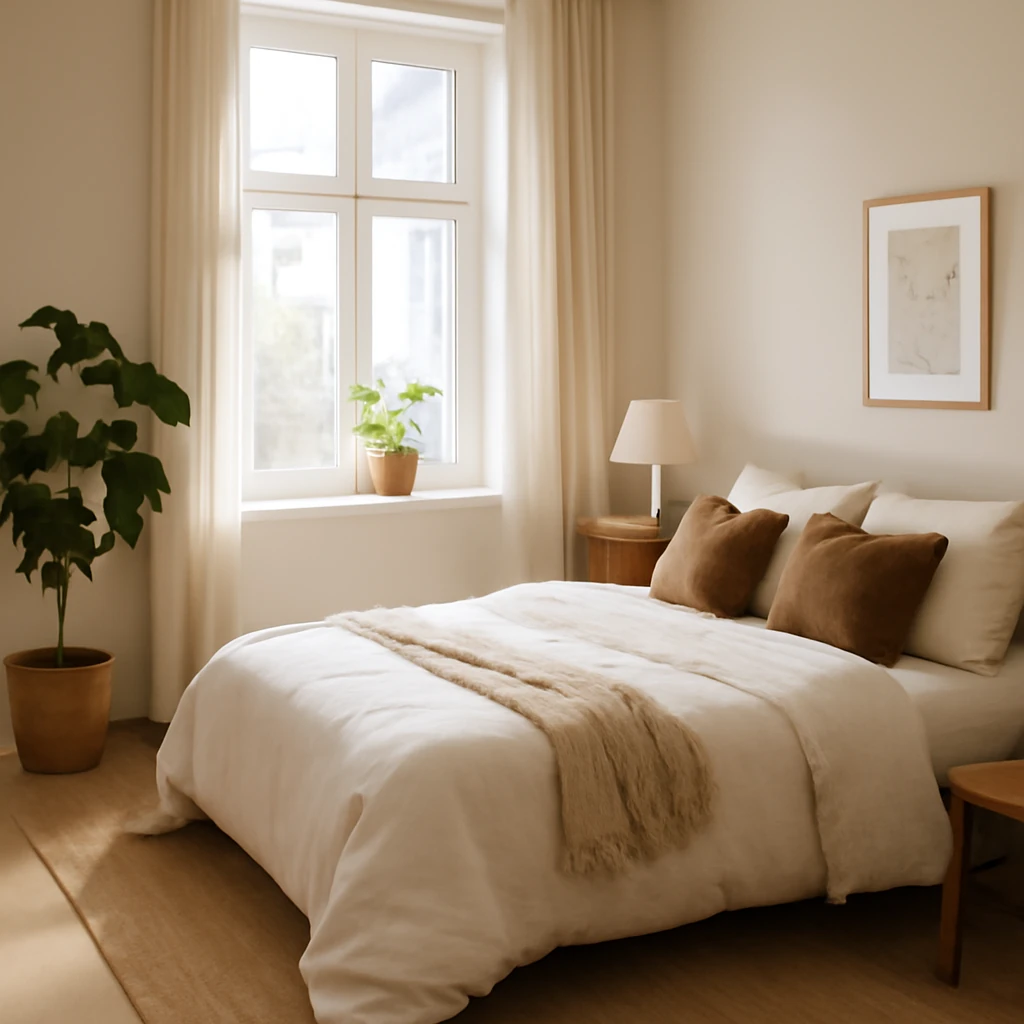
Introduction: Scandinavian design in European bedrooms
Scandinavian interiors are renowned for their disciplined simplicity, quiet colour palettes, and a design language built on light, air, and texture. Across Europe, from compact city flats to generous country homes, the look translates into bedrooms that feel calm, functional, and subtly luxurious. The core idea is to combine restraint with tactile materials and intelligent lighting to sculpt spaces where rest and regeneration come first. This article offers practical guidance to realise a Nordic-inspired bedroom in a European context, drawing on established principles while adapting them to today’s homes and lifestyles.
In modern European design practice, the Scandinavian bedroom is less about following a rigid rulebook and more about achieving balance: quiet surfaces that reflect daylight, honest materials, and furnishings that are comfortable without shouting for attention. The aim is an interior that breathes, with room for personal ritual - whether that means a slow morning, a late-night read, or a restorative nap. The following sections translate these principles into actionable steps you can apply to city apartments, new-builds, or traditional houses across the continent.
“Nordic design is less about minimalism for its own sake and more about creating spaces that feel effortlessly complete, with every element acting in concert to support wellbeing.”
To illustrate, imagine a 30–60 m² bedroom in a European city - where natural light is prized, flooring has a warm timber texture, and the furniture is chosen for its light footprint. The goal is to achieve a sense of calm, without compromising on practicality or comfort.
Scandi - a style not for everyone
Who is a Scandinavian bedroom ideal for? It suits anyone who values rest, clarity, and a respite from visual noise. If you seek a space that energises rather than relaxes, the Nordic palette and pared-back forms might feel restrained. In European homes, the setting can vary: in urban apartments, designers tend to favour clean surfaces and unobtrusive storage, in rural or coastal houses, natural timber, woven textures, and softer lighting bring warmth and tactility.
Another practical consideration is proximity to daylight. Northern European interiors historically relied on white or light walls to maximise available light during shorter winter days. Today, however, there is room for warmer whites, subtle colour in textiles, and fossilised stone or ceramic accents that read as timeless rather than clinical. The essence remains: the space should feel generous, quiet, and easy to live in - whether you are in Madrid, Prague, Oslo, or Lisbon.
In practice, a Scandinavian bedroom adapts to different scales and contexts. A city-centre flat might have compact built-in storage and a low-profile bed to maintain a sense of openness. A countryside bedroom could incorporate more visible timber details, a deeper colour on an accent wall, or a cosy textile layer that adds texture without overpowering the space.
White is not a dogma
A common misconception is that Nordic interiors must be white throughout. While white walls can enhance daylight and readability of space, contemporary Scandi rooms embrace a broader spectrum. In northern climates, lighter whites and pale neutrals still dominate, elsewhere, warm whites, ivory, and soft beige tones are perfectly at home. The important factor is the undertone: subtle grey-green or warm yellow hues can prevent a sterile or clinical feeling, especially when combined with natural materials and warm lighting.
When white is used in bedrooms, consider the warmth of the surface. The tint can shift with natural daylight and artificial illumination, so choose a hue that remains pleasant as light changes. Soft off-white walls paired with light timber or wool textiles create that quintessential Nordic sense of calm, without sacrificing cosiness.
In European projects, we witness a spectrum: from pale linen whites to eggshells with a dash of ivory. The idea is to keep surfaces quiet, so the eye can rest on textures - wood grain, woven fabrics, and the soft glow of lamps rather than on high-contrast colour blocks.
- In contemporary Nordic bedrooms, emphasise colour through textiles, bedding, and decorative accents rather than wall colour alone.
- Consider a warm white for walls in rooms with limited natural light to preserve warmth and depth.
As a practical note, many European designers apply the white concept selectively: paint long walls in light tones, leave performance materials such as timber or stone to express texture, and reserve colour for accents and textiles.
Materials in the Scandinavian bedroom
Nordic interiors tend to lean into eco-friendly, tactile materials. The emphasis is on natural finishes, durability, and a wholesome aesthetic that ages well. The European context benefits from a broad supply of responsibly sourced timber, natural fibre textiles, and low-emission paints. Here is a practical rundown of materials to consider for walls, floors, ceilings, and surfaces.
For walls choose a matte finish in water-based paints or a wallpaper with a restrained pattern. The key is texture and softness under touch. If you prefer wallpapers, opt for calm geometries or subtle textures rather than intricate motifs. Matte surfaces reflect light without creating glare, while tactile textures add depth to a simple palette.
- Interior applications favour breathable substrates and low-VOC paints that meet EU environmental standards.
- Wallpaper can be used on feature walls while leaving the majority of surfaces in solid colour to preserve airiness.
For floors timber is a natural choice. Light oak, ash, or ash-toned laminates with a clean grain work well in a Nordic bedroom. If you prefer an economical option with high practicality, consider wood-look vinyl that convincingly mimics timber while offering greater resilience. Large-area rugs in neutral tones can anchor the space and provide warmth underfoot.
For ceilings keep materials neutral and unobtrusive. In city homes, a smooth plaster or drywall ceiling with a pale white or warm white finish is common. In larger or rural spaces, you may encounter exposed timber beams or soft wood paneling that continues the tactile language from floor to ceiling.
When selecting materials, prioritise long-term comfort and health. Look for low-emission products and label certifications that signal ecological performance. In Europe, this often means prefixed “eco” or third-party environmental certifications that verify the product’s safety and sustainability.
In terms of soft furnishings, natural textiles - linen, cotton, wool, and raw silk - earthen the space and add a sense of hygge without overpowering the minimal aesthetic. A well-chosen mix of materials can create a layered, tactile environment that remains serene even with daily life around it.
Note: In a typical European city apartment, you may find a combination of plaster walls with wool-based textiles, a light timber floor, and a ceiling that remains understated to keep the room feeling airy and calm.
Light in the Scandi bedroom: how to illuminate with intention
Light is the lifeblood of Scandinavian interiors. The lighting strategy is as important as the palette and materials. It should create a responsive environment that supports different activities across day and night. Consider the following practical guidelines when planning lighting for a European bedroom.
Rule 1: no curtains - at least not heavy drapes
A defining feature of classic Nordic design is the abundance of daylight. Very often, windows are left uncluttered, or dressed with minimalist, light-faithful coverings. If you require concealment, opt for light-fitting, unobtrusive roller blinds in blackout fabric - visible in the open position, nearly invisible when rolled down. This approach preserves the visual openness while offering practical sun control when needed.
- In bedrooms with high glazing, minimal window treatments maximise daylight and create a sense of transparency.
- In areas with intense sun exposure, consider external shading or slim, neutral roller blinds to avoid colour distortion on fabrics.
Rule 2: multiple layers of light
Layered lighting - ambient, task, and accent - enriches a Nordic bedroom without creating visual clutter. Ambient light can be achieved with discreet recessed spots or a slim ceiling light. For reading or bedside tasks, use wall-mounted lamps or compact table lamps with clean lines. The design aim is to keep fixtures unobtrusive while ensuring flexibility of use.
- Install dimmable fixtures to modulate mood and function throughout the day.
- Choose fixtures with slightly diffused light to avoid glare and enhance comfort.
European designers frequently create scenes where the bed is cushioned by warm, indirect light - the glow from a wall lamp or a small pendant above the nightstand can transform a clinical room into a cocoon of calm.
Rule 3: candles and windowsills
For a tactile sense of warmth, candles and soft candlelight on windowsills or consoles are cherished by Nordic-inspired spaces. Ensure surfaces are easy to clean and heat-resistant where candles are used. Electric, battery-powered candles can offer the same soft ambience without the maintenance concerns. Windowsills made from durable materials - ceramic tile, natural stone, or sealed timber - are practical for candle usage and decorative accents alike.
In European interiors, a careful balance between daylight and ambient light creates a dynamic that remains welcoming from morning until night.
In summary, the lighting strategy in a Nordic bedroom is about adaptability, warmth, and restraint: bright enough for morning routines, soft enough for evening wind-down, and always human-centric.
Furniture in the Scandi bedroom
Furnishings in Nordic bedrooms are characterised by simplicity, proportion, and a light footprint. The goal is to maintain airiness while providing essential storage and comfort. Here are practical rules to follow when selecting pieces for a European home.
Rule 1: minimal furniture with simple forms
Choose pieces with clean lines and straightforward geometry. A platform or low-profile bed, a compact dresser or chest with a calm surface, a built-in wardrobe with minimal ornamentation, and a small chair or bench at the foot of the bed form a reliable core. Avoid bulky furniture that visually saturates the room. The objective is not to reduce to bare essentials but to curate a calm set of essential items with generous negative space around them.
- Avoid ornate features, instead, opt for smooth, matte finishes that reflect light softly.
- Consider built-in storage where possible to maintain a clean silhouette and maximise usable space.
Rule 2: white or light-coloured furniture
In Scandinavian interiors, white or pale timber tones dominate. Where wood is used, consider white-oiled finishes or pale species such as birch or maple. When upholstery is involved, choose colours in the soft neutral family - pastels or warm beiges - that harmonise with the overall palette. The furniture’s lightness helps to preserve a sense of openness and air in the room.
In European practice, even when housing a bedroom in a compact plan, light furniture can visually expand the space and make it feel more inviting. It’s common to pair a light bed with a soft, tall wardrobe and a slim bedside table that nudges the distance between objects into a more breathable arrangement.
Rule 3: furniture on legs
Elevating the visual weight of furniture is a key subtlety of Nordic design. Beds, dressers, and seating on slender legs create a sense of lightness, even when the pieces are substantial. If you’re working with a heavier item, raise it with short legs or a light frame to preserve air beneath the furniture and in the room as a whole.
In European projects, the legged furniture approach helps to define the floor plane, reveals more of the floor texture, and enhances the perception of space in the bedroom.
Decor and textiles in the Scandinavian bedroom
The Scandinavian look thrives on decor and textiles that add warmth, tactility, and subtle interest without overpowering the room. The following approaches offer reliable ways to enrich the space while preserving its calm essence.
Technique 1: textiles in non-traditional shades
Textiles are the primary tool for introducing colour and softness. Think knitted throws in a chunky, relaxed weave, or cushions in a spectrum of muted tones - sage, dove, slate, and taupe. If you prefer a simpler bed presentation, select high-quality linen or cotton sheets in rich, slightly non-uniform hues. The aim is to create depth through textiles rather than through heavy patterns on walls.
- Layer bedding with a mix of textures (linen, wool, cotton) to achieve tactile richness without visual noise.
- Use a restrained palette of colours on bedding to keep the room cohesive and serene.
Technique 2: windowsill decor
If the window is not fully obscured by curtains, treat the windowsill as a flexible display area. Decorate with small plants, a couple of favourite books, and a subtle lighting element. This keeps viewlines clear while adding life and character to the room. The window becomes a daily frame for nature and small rituals alike.
Windowsills can hold little rituals such as a plant arrangement, a candle set, or a small sculpture - always balanced so as not to crowd the space.
Technique 3: macramé and restrained adornment
Macramé and other natural fibre decorations are popular in Nordic interiors for their textural warmth. However, keep them modest: a single wall hanging, a light tapestry, or a few carefully chosen pieces can act as focal points without dominating the wall. Plain walls offer the best backdrop for this type of decor, allowing the knotwork to be appreciated without competition from busy patterns.
In European practice, the macramé trend is often coupled with plants and natural materials to create a gentle, bohemian-soft aesthetic anchored by Nordic minimalism.
Overall, Nordic bedrooms in Europe benefit from a curated mix of quiet furniture, light tones, and tactile textiles that together form a restful, human-centred space.
Bringing it all together: a practical path to a Nordic-inspired European bedroom
To implement these ideas in a real home, begin with a clear plan that respects the space, light, and lifestyle of the occupants. Start with foundations - the walls, floor, and ceiling - then add essential furniture with careful consideration of scale and proportion. Introduce textiles to establish mood and warmth, followed by lighting that is flexible and layered. Finally, introduce subtle decor and natural elements that celebrate tactility without clutter.
In European cities, bedrooms often involve architectural constraints: a fixed window layout, limited wall space for storage, or a ceiling height that influences lighting. All of these factors can be embraced by prioritising open sightlines, compact storage solutions, and a light, cohesive material language. The Scandinavian approach is not a rigid template but a set of principles you can adapt to create a space that feels both timeless and contemporary.
As you plan, consider the following practical steps:
- Audit daylight and plan lighting accordingly Map the sun’s path through the room and choose layered lighting that can be adjusted to suit different activities and times of day.
- Define zones with texture, not walls Use rugs, textiles, and bed canopy elements to delineate spaces in larger rooms while keeping an open feel.
- Choose materials that age well Prioritise timber, wool, linen, and natural stone with plain finishes for longevity and a timeless look.
- Keep storage unobtrusive Opt for built-in solutions or light-coloured furniture with clean profiles to avoid visual heaviness.
- Test whites in daylight Paint samples should be observed in daylight at different times of day to ensure the undertone remains welcoming and not clinical.
By applying these steps, a European bedroom can exude Nordic calm while remaining deeply personal and functional. The result is a space that nourishes sleep, supports daily rituals, and endures as a serene sanctuary amid urban life.
You may also like these articles
 Bathroom Design
PVC bathroom panels: practical, stylish wall cladding for European homes
Practical, stylish PVC panels for European bathrooms — a smart renovation choice.
Kitchen Design
Ergonomic kitchen design for daily joy: layout, height and harmony
Practical guidance on ergonomic kitchen layouts for European homes.
Outdoor & Terrace
This is beautiful: 30+ ideas for stylish garden beds
Ideas to elevate every European garden with practical, stylish raised beds.