
Explore interior trends, AI design insights, styling guides and real transformations
Designing a 12 Square Metre Room: European Compact Living
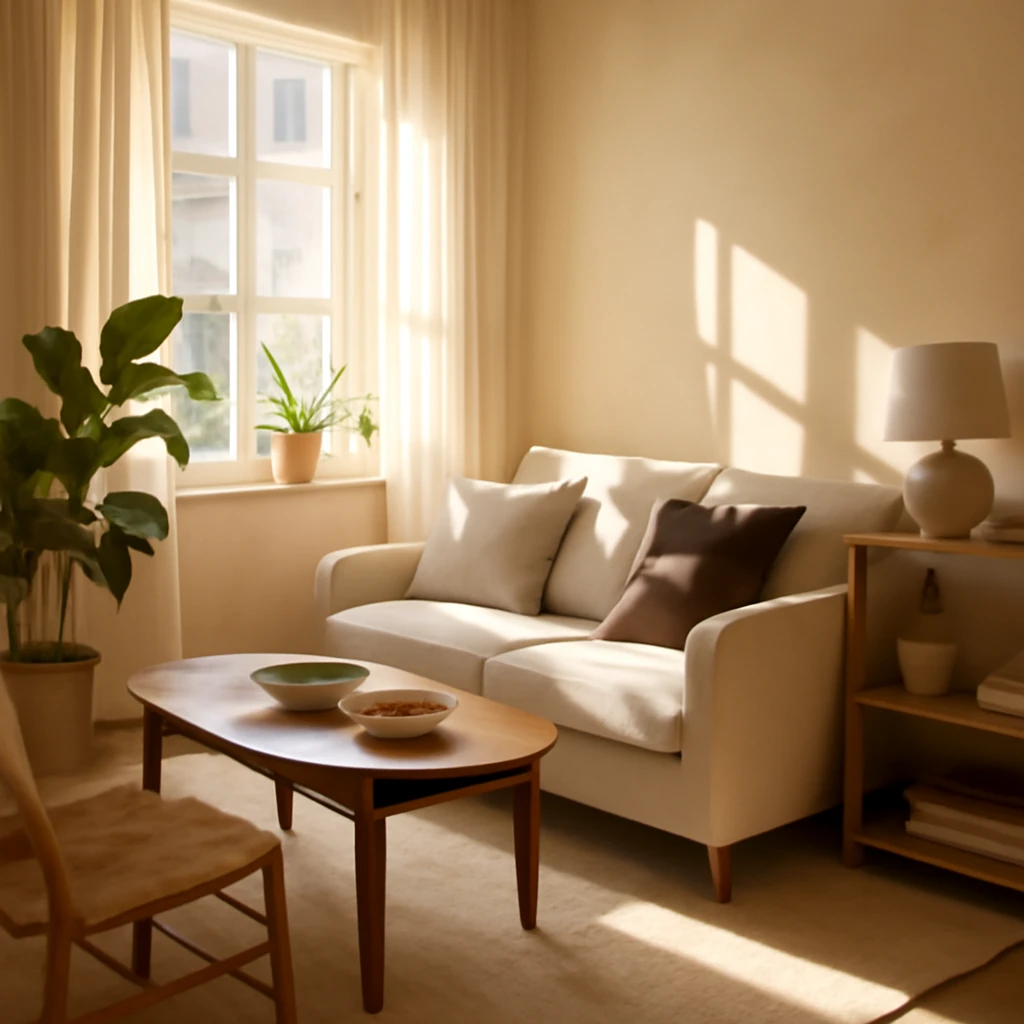
Designing a 12 square metre room in Europe
Designing a compact room of around 12 square metres in European city apartments presents a set of challenges and opportunities. The aim is to create a cohesive space that feels comfortable, adaptable for daily life and well suited to both work and leisure. With a considered colour palette, textures, intelligent storage and multi functional furniture, a compact room can feel generous and welcoming rather than cramped. The approach blends architectural clarity with refined detailing, ensuring every square centimetre earns its keep while the space remains serene and expressive.
Key principles for small spaces
Colour and light: For small rooms, colour acts as architecture. Use a light, warm base scheme to reflect daylight, then introduce deeper accents through textiles, furniture and art. A well-balanced palette prevents the space from feeling flat while avoiding colour overload. Consider the direction of natural light: north-facing rooms gain from warmer undertones, while south-facing spaces can support cooler accents for balance.
Vertical storage and height: Reach for ceiling-height cabinets, wall-mounted shelves and mezzanines where feasible. By utilising vertical space you free floor area for clear circulation and a calm layout. High storage keeps bulky objects out of view, reducing visual clutter and enhancing spatial perception.
Functional furniture: Prioritise pieces that perform more than one duty. A sofa bed, a bed with under-bed drawers, a dining table that folds away, or modular seating that can reconfigure for guests all help avoid overcrowding. Opt for slim profiles and shallow depths to maintain proportions that feel humane rather than squeezed.
Light and gloss: Layered lighting and reflective surfaces expand the perception of space. Strategic use of gloss finishes, mirrored panels or pale floorings can bounce light around the room. A well-placed luminaire or wall light can create a sense of airiness without overpowering the space.
Zoning: Separate zones by function rather than by rigid walls. Even in open-plan rooms, a visual cue such as colour, rug, or furniture arrangement can delineate sleeping, living and working areas. Flexible zoning supports different activities through the day and night while preserving a cohesive aesthetic.
In contemporary European practice, small spaces are celebrated for their efficiency and character. Thoughtful detailing, precise measurement and a calm material vocabulary convert a tight footprint into a space that is not merely liveable but deliberately crafted.
Colour strategy for compact spaces
Colour in a 12 square metre room should reinforce function and mood while preserving optical clarity. The recommended approach relies on three core colours:
Base colour: a light, neutral tone for walls and large furniture. This acts as a backdrop that enlarges the room and provides a versatile canvas for accents and textiles.
Medium tone: a slightly deeper shade used on a feature element such as a single wall, the headboard wall or a niche. This adds depth without visually compressing the space.
Accent colour: a restrained, purposeful flash for cushions, rugs, small pieces or decorative objects. Keep the accent localised to prevent colour chaos.
Lighting direction, window orientation and the quality of daylight influence how these colours read in real spaces. A north-facing room with modest daylight benefits from warmer hues, while rooms with abundant sun can handle cooler neutrals with saturated accents. In every case, avoid saturating the room with too many contrasting colours, which can fragment the composition and reduce legibility.
To maintain harmony, choose materials with subtle texture rather than heavy patterns. A tactile plaster or a fine-grain oak, a linen upholstery in a soft tone, and a smooth ceramic tile for a kitchen or bathroom zone can anchor the palette without shouting for attention.
Renovation considerations for a 12m2 room
When renovating a compact space, the aim is to preserve or enhance functionality while maintaining a refined, quiet aesthetic. In European urban contexts, practical constraints such as ceiling heights, mechanical services and fire safety codes shape any intervention. The following guidelines focus on achievable, durable solutions that respect both architecture and inhabitants.
Ceiling treatment: favour simple, flat ceilings or restrained plaster finishes. Elaborate mouldings or stepped soffits can eat into precious headroom and reduce perceived space. If lighting is layered, recessed fixtures or slim linear fittings help maintain a clean, airy ceiling line.
Walls: choose wallpaper with a simple motif or a solid paint block that coordinates with the overall palette. A feature wall in a subtle texture or a plaster finish adds tactility without visually narrowing the room. Ensure finishes are low-glare and easy to clean, particularly in high-traffic zones.
Flooring: light timber or timber-look vinyl planks create warmth and continuity. Avoid heavy, dark floors in narrow rooms as they visually shorten the space. Long, slender plank patterns visually elongate the room, in tight corridors or transitions, a pale floor with a subtle grain helps maintain luminosity.
European renovation practice emphasises durability, indoor air quality and efficient services. When updating a room, plan for integrated storage and concealed wiring so that future changes to tech or furniture are straightforward. A considered renovation reduces visual clutter, supports cleanliness and improves everyday comfort.
Furniture planning for a 12m2 room
In a compact space, furniture should be lean, adaptable and well-proportioned. The goal is to balance comfort with a restrained silhouette that preserves movement and sightlines. Consider the following rules when selecting and arranging pieces for a 12 square metre room.
Choose light-coloured or transparent pieces: white, pale ash, pale grey or glass-topped tables can read as lighter and less intrusive. Transparent or open-framed furniture minimises visual weight and keeps sightlines clear.
Opt for multi-functional items: a sofa bed with a shallow frame, a coffee table with hidden storage, a modular sofa that reconfigures for guests, or a desk that folds away when not in use.
Maximise wardrobe efficiency: use narrow, tall wardrobes with mirrored doors to reflect light and enlarge the sense of space. Sliding doors conserve floor area and reduce door swing into the room.
Make corners count: corner wardrobes, angular desks or seating arranged to tuck into nooks exploit every square centimetre. Custom-built cabinetry along external walls can offer tailored storage while maintaining a cohesive look.
Consider a built-in bed with storage drawers and a slim, extendable desk that can serve as a workstation or dining surface. The best options combine quiet aesthetics with practical performance.
In many European apartments the key is to choose furniture that does not dominate the room. Size, height and proportion should harmonise with the overall scale of the space. When a room can function as both living and sleeping space, consider a plan that maintains one consistent material language and colour balance to prevent the space from feeling fractured.
Lighting and illumination for small rooms
Lighting in a 12 square metre room should be layered to create depth, warmth and flexibility. A well-lit room feels larger, more comfortable and more versatile for daily routines. The approach combines general, task and ambient lighting to form a flexible system that adapts to different times of day and activities.
Ambient lighting: a ceiling pendant or a slim linear fixture with a soft, diffuse glow provides an even base level of light. Choose warm white LEDs for a welcoming ambience and ensure the fixture is proportional to the room size, avoiding oversized statements.
Task lighting: ensure dedicated light near the bed for reading, and a desk lamp near the workstation. Bedside wall lamps or floor-standing lamps with directional heads are efficient alternatives to bulky floor lamps that encroach on space.
Accent lighting: use small spotlights or hidden coves to highlight artwork or architectural features. A mirror lit from the sides can also amplify daylight without requiring additional space.
Mirrors and reflective surfaces: a strategically placed mirror or gloss finishes on cabinetry can double the perceived light, helping the room feel airier and more expansive.
To avoid glare and excessive brightness, opt for fixtures with soft diffusion and avoid heavy, opulent chandeliers in small rooms. A disciplined lighting plan enhances comfort, supports concentration, and reduces the sense of enclosure that often accompanies compact interiors.
Zoning and space division in limited footprints
In a compact space it is essential to delineate areas for different activities without erecting walls. Visual separation through colour, flooring texture or the arrangement of furniture can create a sense of order and function while preserving openness. Consider these strategies:
Screen or panel divisions: lightweight screens, freestanding bookcases or slender room dividers can separate sleeping from living areas without visually closing the space.
Rug-based zoning: a well-chosen rug defines a seating area and anchors furniture, while a lighter rug on a pale floor maintains a sense of airiness.
Colour zoning: paint adjacent zones with slightly different tones to cue function. A warm sleeping zone can be offset by a cooler living area, while keeping the palette harmonious.
In practice, zoning should be flexible. The room should accommodate different rhythms during the day and night, allowing residents to shift the balance between privacy and sociability as needed.
Style options for a 12m2 room
Small spaces thrive on restraint. The most successful European designs embrace simplicity, craftsmanship and a calm material language. Ideal styles for a 12 square metre room include:
Minimalism and modern simplicity: clean lines, restrained colour, and high-quality materials with tactile interest. A pared-back aesthetic makes the room feel larger and easier to maintain.
Scandinavian influence: light woods, natural textures, soft textiles and warm neutrals that create a cosy yet uncluttered environment.
Contemporary European casual: a unifying palette with a few strategic accents, comfortable seating and modular furniture that can reconfigure for different occasions.
Avoid heavy patterns, densely textured fabrics or ornate furniture in the smallest spaces. Instead, prioritise form clarity, provenance of materials and a coherent lighting plan that supports both everyday life and moments of calm relaxation. The aim is a space that feels expressive, not crowded.
Decor and accessories in a compact room
Decor in a 12 square metre room should reinforce the calm, coherent mood rather than overwhelm the space. A small number of well-chosen items create personality while maintaining order. Consider these guidelines:
Textiles: choose textiles with subtle textures and a restrained colour range. Cushions and throws should add softness without creating visual noise, avoid piling on multiple patterns in close proximity.
Art and wall decor: select 2 or 3 pieces in consistent frames and tones. Scale matters, larger, fewer works read more comfortably than many small, busy items.
Storage-inspired decor: incorporate decorative boxes, baskets and sculptural storage items that also perform a function. Functional decor helps keep surfaces uncluttered.
Rugs and floor finishes: a single well-chosen rug can define a zone and add warmth. Choose a neutral base with a gentle pattern or a solid colour that harmonises with the floor and furniture.
In European practice, decor is a quiet companion to architecture. The effect is achieved not by maximalism but by deliberate restraint, craftsmanship and attention to proportion. The room should feel curated rather than crowded, with every detail underpinned by a clear purpose.
Practical layout patterns for small rooms
There is no universal layout for a 12 square metre room, the optimal arrangement depends on the exact footprint, doorways, windows and services. Nevertheless, several proven patterns can guide planning:
Symmetrical arrangement: balanced furniture around a central focal point such as a bed or a media unit. This creates a sense of order and can maximise seating capacity in limited space.
Asymmetrical layout: avoids rigid symmetry to prioritise function. A compact sofa, a corner desk and a slim storage wall can occupy an irregular footprint while preserving flow.
Zoned island: a small central element such as a low seating module or a compact table can act as a visual cue, enabling three function zones to coexist without crowding.
When space is very limited, consider furniture with built-in characteristics that contribute to the room’s layout. A wall-bed, a sofa with integrated storage, or a desk that tucks away behind a panel can dramatically increase perceived space and daily flexibility.
Choosing a style for the space
A small room should steer away from heavy ornamentation. The goal is a durable, timeless style with a refined material palette rather than transient fads. The most successful approaches combine light, natural materials with a carefully calibrated palette and a strong sense of proportion. Prioritise materials that are easy to maintain and have a long lifecycle. In urban European contexts, this means quality timber, stone or ceramic surfaces, natural fabrics and finishes with a low environmental impact. A restrained style will age well and remain harmonious as life evolves within the room.
Budgeting for a 12m2 upgrade
Renovating or reconfiguring a 12 square metre room is a exercise in disciplined budgeting. Prioritise investments that deliver the greatest impact on daily life: robust structural elements, reliable lighting and a well-organised storage system. Allocate funds to:
Ceiling and lighting: reliable LED fittings with good diffusion, consider a small staged lighting plan that supports both relaxation and productivity.
Storage and cabinetry: built-in solutions maximise floor space and maintain clean lines. Sliding or pocket doors can save space when closets open.
Furniture: select modular pieces with multiple functions and shallow depths. High-quality, compact items tend to be more durable and visually lighter than bulkier options.
Textiles and finishes: invest in a few high-quality textiles, natural materials and durable surfaces that wear well with time.
In practise, careful planning and phased execution often yield the best outcomes. Focus on defining zones, then gradually refine surfaces, lighting and storage as funds permit. The most successful small-space projects combine architectural clarity with a human-scale touch, ensuring comfort and practicality without compromising style.
Final thoughts: the essence of European compact living
A 12 square metre room can be a canvas for elegant, efficient design. By embracing a restrained palette, prioritising vertical storage, selecting versatile furniture, layering light and carving out gentle zones, a small space becomes a sanctuary rather than a compromise. The European approach to compact living values quality over quantity: a calm, well-lit environment with a coherent material language and precise proportions. When planned thoughtfully, 12 m2 is not a limitation but an opportunity to craft a space with character, flexibility and lasting appeal.
As cities grow denser and homes evolve to embrace multifunctional living, the value of intelligent small-space design becomes increasingly clear. The principles outlined here – clarity of plan, refined materials, adaptive furniture, layered illumination and a disciplined approach to colour – offer a practical framework for creating beautiful, efficient interiors across Europe.
You may also like these articles
 Bathroom Design
Plan your bathroom like a pro: 11 layouts for European homes
11 smart bathroom layouts tailored for European homes.
Furniture
The ottoman: flexible sleeping and seating for European homes
A versatile furniture hero: the ottoman that doubles as seating and sleeping space.
Small Spaces
Small Space Living: European Transformable Furniture for Every Home
Smart, modular furniture that adapts to European homes and smaller spaces.