
Explore interior trends, AI design insights, styling guides and real transformations
Creating a Teenager’s Bedroom: European Styles, Zoning and Comfort
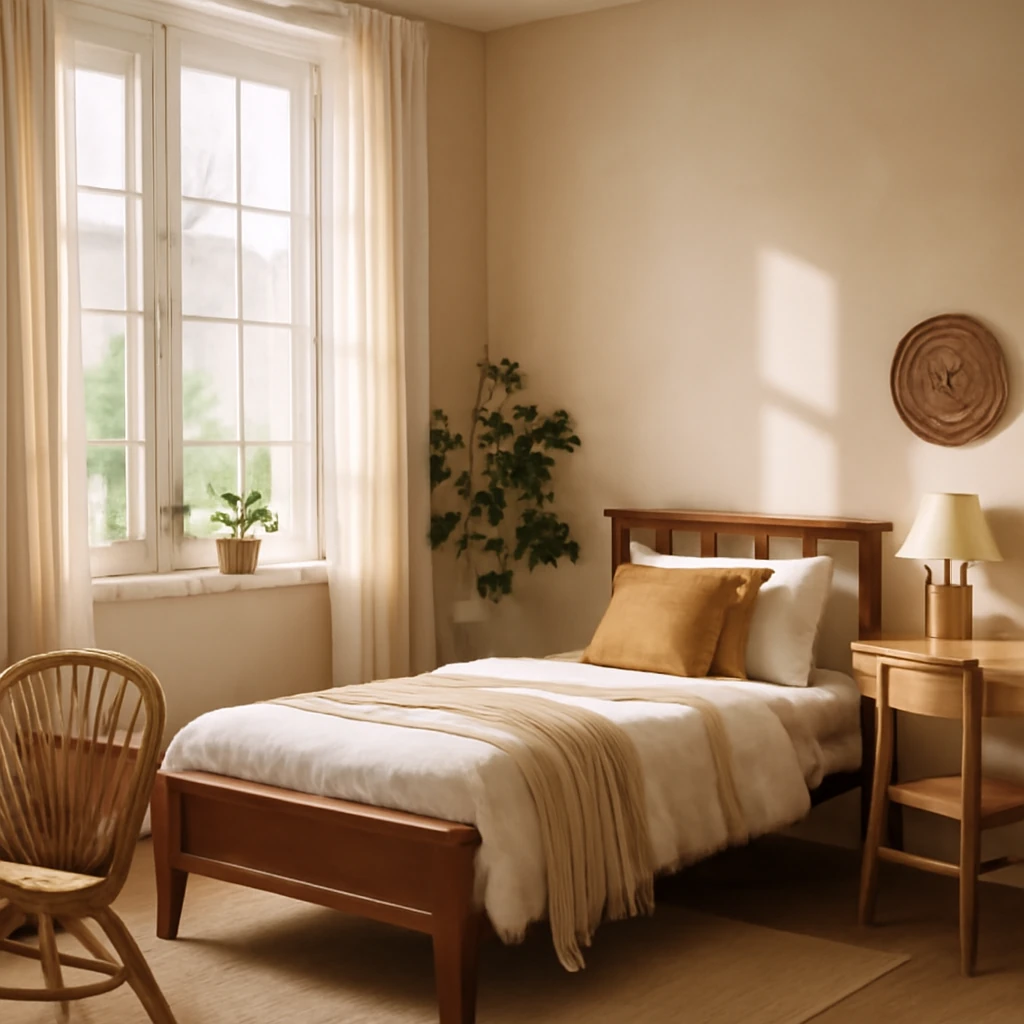
Introduction: designing a teenage girl’s bedroom in Europe
A teenage girl is navigating a delicate transition between childhood and adulthood - and the bedroom is a private stage for that shift. In European homes, from compact city flats to light-filled lofts, a teen’s room should offer a sanctuary for study, sleep, creativity and social life, while evolving with her tastes and needs. This article provides a comprehensive, practical guide to planning, zoning, finishing, and decorating a teenage girl’s bedroom in a way that feels mature yet personal, flexible enough to grow with her, and respectful of diverse European living environments.
Key features of a teenage girl’s room design
- Personal space as a priority. In adolescence, the ability to withdraw, reflect and concentrate is highly valued. Design a clearly defined room where essential needs - computer access, study space, a private desk area - are contained within the boundaries of the room itself, not in shared living spaces.
- More air, fewer partitions. Against the idea of heavy, multipanel dividers, use materials, lighting and furniture arrangement to zone space. A light, open plan with subtle delineation feels calmer and more adaptable as her hobbies shift.
- Furniture that supports lounging and study. In addition to a bed, provide a comfortable seating option - a sofa or a cosy armchair - where she can read, chat with friends or simply unwind.
- Smart lighting and plentiful outlets. Teens spend much time with devices. Plan for multiple outlets near the desk, bed and seating area, and use layered lighting to reduce eye strain and create ambience throughout the room.
Layout planning for different room sizes
Start with the room’s proportions: measure length, width and ceiling height, note window and door positions, and identify the strongest wall for a bed, wardrobe or desk. The aim is to achieve a balanced layout that maximises storage, keeps traffic flowing, and offers clear zones for sleep, work, creativity and socialising.
Small rooms
In compact spaces, the wardrobe should sit against a wall where it remains visually calm as you enter. Position the bed along the opposite wall to create a coherent flow from entry to private space. Consider transformable furniture such as a wall bed that folds into a cabinet, or a bed with a hidden seating area beneath. A desk can be placed on a window wall, utilising natural light for studying. Use a single modular furniture series to ensure cohesive proportions and avoid clutter. If storage is tight, incorporate a bed with drawers or a shallow storage base and use wall-mounted units to keep the floor clear.
Large rooms
Where space allows, avoid a static, “row-by-wall” arrangement. Create a sense of arrival by ensuring the bed has a view of the door and some human-scale furniture breaks up the space. Use a combination of freestanding pieces and built-in storage to maintain balance. A separate seating area or a compact daybed can function as a social space without compromising the sleeping zone.
Narrow or long rooms
In elongated rooms, place the wardrobe at the end or along the shorter wall to visually shorten the room. Position the bed along the longer wall, keeping a clear zone around it for easy movement. If space is exceptionally tight, consider a wall bed or a bed with built-in storage to free up floor area for a study nook.
Attic or loft spaces
Sloped ceilings offer opportunities to create intimate zones. Place the bed in the lowest part of the slope, with a compact desk or seating area near a window where possible. Use dressers or low-profile storage beneath the slope and run wardrobes along the highest available wall to maintain headroom in the main zone.
Two sisters sharing a room
Sharing can be harmonious when each girl has personal space within a shared environment. Consider two beds with a central storage unit or two separate work zones. If possible, allocate distinct corners or screens to create visual privacy, provide individual storage rails, mirrors, and seating. If rooms are connected, a walk-through wardrobe or shared wardrobe with clearly defined sections helps maintain order while preserving individuality.
Zoning the teenage girl’s room
A well‑designed teenage room typically includes multiple zones. At minimum, plan for four functional areas, with two additional zones if space permits:
- Sleeping zone
- Study/work zone
- Creative or hobby area
- Storage and wardrobe
Additional zones can include a relaxation / social area for friends and a grooming area for makeup and skincare. The key is flexibility: the zones should be clearly defined yet easy to reconfigure as interests change.
Colour and materials for a teenage room
The colour palette should feel comforting and timeless, while offering room for change as tastes evolve. Start with a neutral base and introduce colour through textiles, architectural details, and display objects. This keeps the space versatile and resale-friendly while still personal.
Pinks and pastels
Many teens continue to enjoy pinks in a wide spectrum - from soft blush to deeper rose - paired with cool greys or muted greens. Pastels such as dusty pink, powder blue, lavender and sage create a gentle, layered look that can be accented with brighter details without overwhelming the room.
Monochrome with bold accents
A black‑and‑white base, softened by light wood and natural textures, provides a sophisticated backdrop for a teen who loves bold accent colours. Add one or two statement hues - bright yellow, teal or copper - that can be changed easily through textiles and accessories.
Yellow and bright accents
Sunlit rooms benefit from warm, optimistic tones. A yellow or sunshine accent can counteract dark north-facing spaces, helping to lift mood. Keep most surfaces restrained and let the bright colour appear in cushions, a rug, or a lamp shade.
Natural and earthy tones
Nature-inspired palettes - sand, stone, sea, moss - provide calm and focus. Light timber furniture, matte black or dark metal details, and rich textiles create a grounded, durable environment suitable for study and relaxation.
White rooms and tonal variations
A white or off‑white base is adaptable and easy to refresh. To avoid a clinical feel, layer warmth through timber finishes, cosy textiles, and mixed textures. White walls also make spaces appear larger and highlight personal accessories.
Pastel harmony
In a single room, up to five pastel tones can coexist if balanced with neutral surfaces and varied textures. Introduce metallics in door hardware, light fixtures, or occasional furniture to add subtle sophistication.
Natural tones with strong accents
Equally effective is a nature-inspired base - grays, beiges, stone - with saturated accents in berries, terracotta or moss. The contrast feels contemporary and approachable, especially in European homes where daylight shifts with the seasons.
Choosing a style for a teenage girl’s room
Styles should feel fresh yet age-appropriate, offering continuity as a teen approaches adulthood. Here are eight approachable directions, applied with a European sensibility to scale, light, and materials.
Minimalism
Clean lines, restrained colourways and functional storage keep the focus on study and personal interests. Minimalism is well suited to teen bedrooms when paired with a comfortable seating area and a designated creative corner.
Scandinavian
A warm, light-filled aesthetic with natural materials and soft textures. This style invites handiwork and crafts, if a teen enjoys making things, the space can reflect and celebrate those activities with accessible storage and display shelves.
Soft loft
Industrial cues are tempered with warmth - wood, textiles and soft lighting. A robust desk or study nook sits alongside open shelving for books and projects, achieving a balanced, contemporary mood.
Classic
Timeless silhouettes, quality fabrics and carefully chosen statement pieces create a space that will feel dignified and elegant. Use symmetry and a restrained palette to maintain a serene sleeping area with a refined desk zone.
Modern / urban
A blend of clean forms with creative detailing. This style embraces asymmetry, layered lighting, and mixed materials, offering plenty of room for personal accents and a gallery-like wall display for art and photographs.
Provencal influence
Pastel walls, light wood, and delicate fabrics evoke a calm, romantic atmosphere. Subtle floral motifs and natural textures can be introduced through textiles and small decorative items.
High-tech
For teens who live online, a high-tech backdrop with smart lighting, integrated charging stations and discreet cable management can promote a tidy, efficient space without sacrificing personality.
Shabby chic
Soft distressed finishes, vintage mirrors, lace, and delicate textiles create a romantic, feminine tone. Pair vintage pieces with modern storage to keep the room functional and comfortable.
Ideas for decorating the room of a teenage girl
Sleeping zone - with a full-size bed
Opt for a bed that supports healthy growth and spinal alignment. A full-size option (140x200 cm) or a larger twin (160x200 cm) often provides generous space for teens. If space is limited, a high-quality sofa bed or a wall bed can free floor area for a study nook while still delivering proper comfort for sleep. Choose a bed with integrated storage drawers or a slim storage base to maximise under-bed organisation.
Work zone - desk and computer
The desk should be wide enough to accommodate a laptop or desktop computer, textbooks and stationery. Allow for a chair with appropriate back support and adjustable height. Ensure there are outlets nearby - not just at the desk but also along adjacent walls for charging and accessories. A well-lit desk area with natural light from a window reduces eye strain and improves focus.
Creative corner
Whether drawing, painting, or crafting, dedicate space for materials and tools. A mobile trolley, a drafting table, or a compact easel can be tucked into a corner when not in use. Shelving at kid-friendly heights helps keep supplies accessible and under control.
Relaxation and social area
A cosy seating cluster - armchair or small sofa with a soft rug and a few cushions - offers a comfortable spot for friends, reading, or video calls. If space permits, a compact sofa bed provides a practical sleep option for overnight guests.
Storage and wardrobe
Plan a wardrobe with adjustable rails, multiple compartments and drawers for clothes, shoes and accessories. Consider a modular wardrobe system that can be reconfigured as her wardrobe evolves. Include labelled boxes or organisers to keep everything visually tidy and easy to find.
Vanity and grooming area
A compact vanity or dressing table with a mirror, a stool and soft lighting creates a practical grooming zone. Use a ventilated cosmetic organiser and consider a small fridge for skincare products if space allows - practical, hygienic and convenient for skincare routines.
Finishes and materials
In a teenage room, durability and ease of maintenance matter. Choose robust, easy-to-clean surfaces and materials that resist wear without sacrificing comfort or style.
Flooring
Laminate or engineered wood with a natural finish is a popular, durable choice. Parquet remains timeless in many European homes. Add a generously sized rug to soften the space, define zones and provide warmth underfoot.
Ceiling
A flat ceiling with well-planned lighting options is practical. In larger rooms, consider a subtle ceiling feature or indirect lighting to create a cosy ambience without overpowering the space.
Walls
Paint is the most flexible option for European interiors, offering easy updates. Wallpapers with breathable backing or a fabric-backed option can add texture and depth. Ensure the wall coverings are low-emission and easy to clean, suited to a teen’s high-traffic zone.
Lighting strategy
Lighting should be layered to suit different activities and times of day. Start with natural light as the baseline and build with artificial layers that suit each zone.
- Ceiling light or pendant for general illumination.
- Task lighting near the desk and vanity for reading and applying makeup.
- Bedside or wall-mounted lights for bedtime reading and a calm atmosphere.
- Accent lighting for the creative corner or display shelves to emphasise personal interests.
Position lights at different heights to avoid glare and create depth. Use warm colour temperatures for relaxation zones and cooler tones for study areas, allowing the teen to switch between moods as needed.
Decor and textiles
Textiles offer a quick, affordable way to personalise the room. Choose a few core textiles - duvet cover, curtains, cushions, a rug - that can be refreshed seasonally. A canopy or light drapes can add romantic charm without overwhelming the space. Encourage the teen to select wall art, textiles and small decor items that express her personality while remaining cohesive with the overall palette.
Wall art and personal displays
Let the walls reflect her interests with prints, photographs, or canvases. A dedicated gallery wall can evolve as her taste shifts. Use detachable frames or lightweight artworks to avoid damage and simplify updates.
Textiles and soft furnishings
Two or three patterns are enough to create visual interest. Mix textures - knit, velvet, cotton, linen - for warmth and tactility. A bed canopy or a light, drapey textile can add softness without crowding the space.
Acessories - on taste and ownership
Accessories are a vehicle for self-expression. Allow room for colourful vases, plants, books, and trinkets. Encourage the teen to curate her own display, which helps teach organisation and responsibility while keeping the room lively.
Age-aware planning for a teenage girl’s room
Design should acknowledge the adolescent’s stage of life. Here are guidelines that map to typical age ranges, with a focus on growth, autonomy and evolving preferences.
11–12 years - between childhood and adolescence
At this age, the room should feel comforting and cheerful but not childish. Pair a playful textile scheme with a sturdy desk and storage that can accommodate growing study needs. Include welcoming soft textures and a gentle bed setup, perhaps with a comforting canopy or decorative elements that still feel appropriate as she approaches adolescence.
13–14 years - colour, texture and personality
Teens in early adolescence often experiment with textures and bold colour accents. Introduce a confident statement piece (a chair, a bold desk lamp, a vibrant rug) while keeping the base palette cohesive enough to support new interests. Discuss choices with her to foster a sense of ownership and responsibility for the space.
15–16 years - individuality and refinement
By mid-teen years, the space should feel like a genuine reflection of her personality. Offer a neutral, versatile base and invite expressive details - textiles, art, digital displays - that she can curate. Ensure that the room remains adaptable for changes in hobbies and study demands without a full redesign.
17 years - personal space and preparation for independence
As she approaches adulthood, the room can lean more toward an adult aesthetic while preserving youthfulness. Provide a well-equipped wardrobe or dressing area, dedicated makeup lighting, and high-quality, durable furniture. The room should communicate autonomy and a sense of pride in personal space.
Tips from designers
- Involve the occupant: incorporate her wishes for style, colour, zoning and layout from the outset to ensure long-term satisfaction.
- favour contemporary styles that offer longevity without feeling generic. Neoclassical touches, pared-back minimalism, and Scandinavian influences are reliable choices.
- Use mixed finishes to create depth - combine plaster or paint with wallpaper or wood panels to subtly zone space and refine geometry.
- Choose multipurpose, mobile furniture with clean lines. This keeps costs down and enables easy reconfiguration as needs evolve.
- Consider her age and lifestyle: plan for study, hobbies, social life and self-care routines. The room should adapt as priorities shift over time.
Practical planning basics for a European context
European homes vary - from compact city flats to spacious family houses. Design choices should respond to climate, daylight patterns and ergonomics as well as the room’s dimensions. Prioritise ventilation, materials with low emissions and easy maintenance. Storage solutions should be scalable, with adjustable rails, modular drawers and open shelving that can accommodate changes in wardrobe and hobby gear.
Sustainability and long-term value
Investment in durable, repairable furniture pays off. Choose solid timber or high-quality engineered wood with a long warranty, and select fabrics that resist wear and are easy to clean. Where possible, favour locally produced components and materials with minimal environmental impact. A well-planned room should not require a full redesign every few years, instead, it should adapt through simple swaps of textiles and accessories.
Conclusion: a room that grows with her
A teenage girl’s bedroom in Europe should be a sanctuary that supports learning, creativity and social life, while remaining flexible enough to grow with her. By combining thoughtful layout, layered lighting, durable finishes, and a colour palette that can evolve, parents and designers can create a space that feels mature, personalised and welcoming. The result is a room that respects privacy, encourages independence, and stays inviting as the teen becomes a young adult.
You may also like these articles
 Living room
Sofas that define European living rooms: choosing size, style and functionality
A guide to selecting the perfect European sofa for living rooms
 Trends
Japandi Interiors: Calm, Functional Minimalism for European Homes
Japandi for European homes: calm, minimal, and practical.
Bathroom Design
Designing a combined bathroom: clever layouts for European homes
Smart layouts, durable finishes and storage ideas for a stylish combined bathroom.