
Explore interior trends, AI design insights, styling guides and real transformations
Bleached Oak: A versatile light wood for European interiors
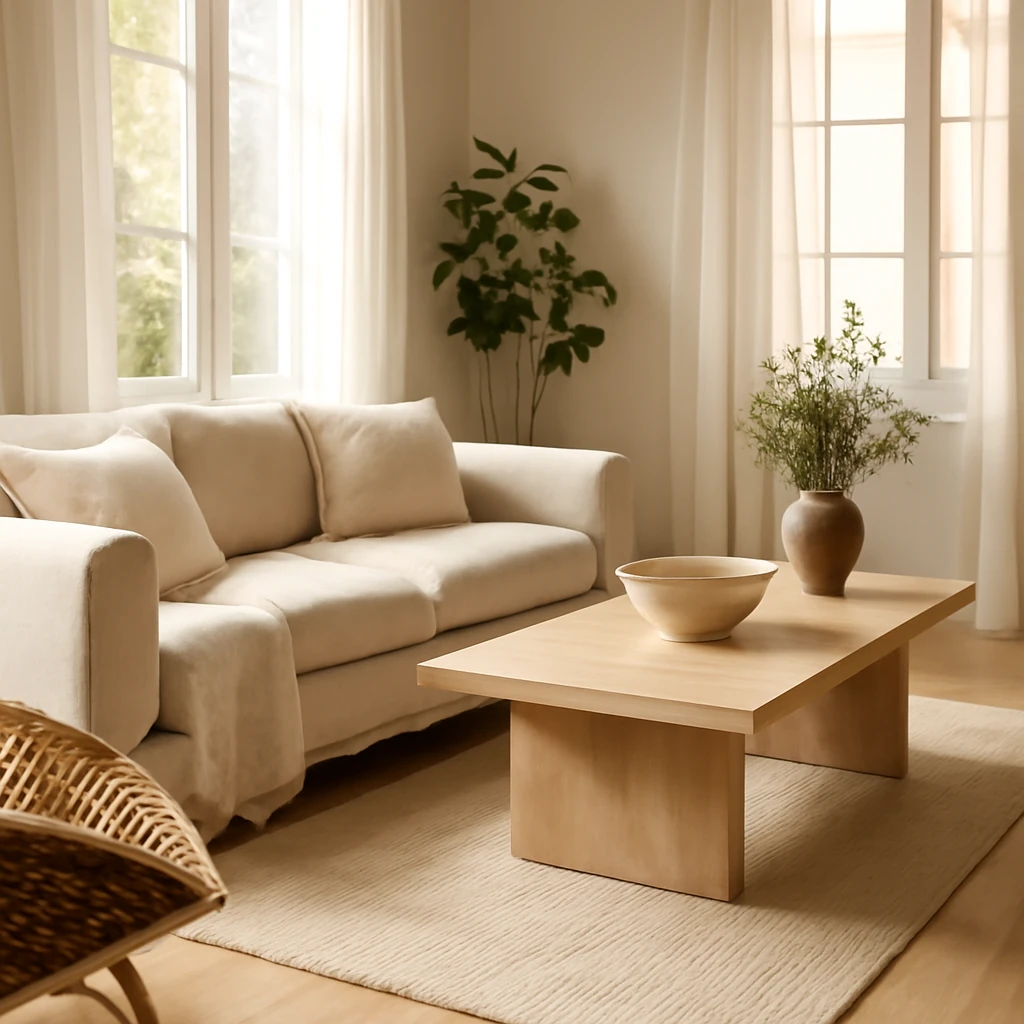
Bleached Oak in European Interiors
Bleached oak is a light, neutral timber tone that has become a staple in contemporary European design. It is not a single colour but a production technique that yields a pale, matte surface with a delicate grain. The bleaching process lightens the wood and removes some of the natural amber, while a subsequent brushing step accentuates texture. The final colour can range from cool grey to warm beige, sometimes approaching ivory. In practice this means that bleached oak lends airiness to a room while preserving the tactile warmth of natural timber. Its versatility makes it a reliable foundation for a wide range of styles, from Nordic simplicity to Provençal charm and modern urban minimalism.
How to apply bleached oak in interiors
Understanding its characteristics helps you determine where and how to use it. The key is to balance the lightness with material contrasts and to tailor the tonal direction to your space. Bleached oak can read cool or warm depending on the applied finish and lighting. Below we explore essential considerations and pairing strategies.
Characteristics
Bleached oak is typically finished with a matte or satin surface, even when sealed with a protective layer. The bleaching process lightens the wood and removes some of the natural amber. Brushing creates depth and a weathered patina, which makes the grain more pronounced. The result is a surface that reads as light, soft and neutral, with texture that catches daylight. Because it is a natural timber, the exact shade will vary between batches, so it is wise to select boards from the same run for large installations to ensure tonal consistency.
Choosing the tone
Bleached oak is not one colour but a range produced by different bleaching depths, stains and brushing intensities. A colder, more grey-toned bleached oak creates a distinctly contemporary feel, while a warmer beige-leaning version gives a cosy, almost coastal warmth. When selecting samples, evaluate them under both daylight and artificial light to understand how they interact with the room’s natural hues and the warmth of lamps and fixtures.
Colour pairings
When building a palette around bleached oak, you are choosing a versatile base that can harmonise with many other tones. There are three broad directions to consider:
- Achromats - white, black and grey are natural partners. Bleached oak sits comfortably with whites in varying warmth, deliberately adjusting the whiteness with cooler or warmer neutrals helps integration with the timber grain.
- Cool palette - blues, teals, mint and sage greens can create a serene, modern look. To avoid a cold feel, soften the contrast with warm whites or greige and add textiles in warmer textures.
- Warm tones - peach, brick, coral and ochre hues harmonise with the timber’s warmth. Avoid overpowering saturation, keep some neutral grounding in beige or cream to maintain airiness.
Practical considerations
Bleached oak is available in solid wood and in engineered variants such as laminated panels, veneers, or high-density composites. In wet areas or high-traffic zones, engineered options often perform better due to stability and moisture resistance. The colour finish on engineered products can be made fade-resistant and easier to maintain. In homes with underfloor heating, engineered boards are typically more dimensionally stable than solid wood. For walls and furniture, consider the same principle: use the same species or tone for cohesion, or deliberate variation for contrast. When selecting a timber product for bathrooms or kitchens, prioritise moisture resistance and appropriate surface finishes to prevent staining and water damage.
Applications in interiors
In European homes, bleached oak is used across floors, walls, furniture and doors. Its lightness helps spaces feel larger and more breathable, particularly in compact city apartments and rooms with limited natural light. The following sections provide practical guidance on each surface.
Floor
Flooring is the most popular application. You can choose between real timber boards, engineered wood, or a high-quality wood-look laminate. For a natural appearance, select a board with visible grain and a light, even tone. In damp or high-traffic areas such as kitchens or entryways, consider moisture-resistant variants or composite options such as high-quality vinyl flooring that faithfully imitates bleached oak. LVT and ceramic planks with bleached oak finishes can offer excellent durability in busy homes. Lighter floors visually expand spaces, especially when paired with darker furnishings or bold accent colours. In living areas, aim for a floor tone that is one or two steps darker or lighter than the surrounding walls to create depth without reducing light. In multi-generational or rental properties, consider durable finishes and wear-resistant coatings to preserve appearance over time.
Walls
Bleached oak looks sophisticated on walls as panels, veneers or decorative coatings. Solid panels or MDF panels mimic the texture of timber without the upkeep of real planks. For smaller spaces, use wall panels to create warmth without overwhelming the room. You can pair wood panels with plaster or smooth matte paint, or coordinate with patterned or textured wallpapers for accent zones. Emulating wood on walls is especially effective in entrance halls, bathrooms and home offices where the grain adds tactile interest. For bathrooms and kitchens where moisture is higher, choose panels with moisture-resistant finishes and sealants designed for wet environments.
Furniture
When the room is light and airy, bleached oak furniture reinforces the serene aesthetic. This shade is an ideal alternative to darker woods in compact spaces or rooms with northern light, because it keeps the atmosphere open. White, cream and light grey walls amplify this effect. Consider a mix of storage pieces such as low sideboards, bookcases and display cabinets, as well as dining tables, desks and beds. Bleached oak furniture pairs well with soft textiles and natural materials such as linen, wool and rattan, creating a calm, cohesive palette. For chairs and seating, choose cushions in warm neutrals or muted colours to avoid visual heaviness while maintaining comfort and practicality.
Doors
Internal doors in bleached oak are less common than white or darker browns but can work well when coordinated with floor and skirting. The door leaf may be simple or feature glass panels, depending on the overall style. For entry doors, select a robust finish with durable coatings to resist dirt and weather exposure. In hallways, a pale door softly blends with light walls and reduces visual weight, helping the corridor feel more expansive. If you opt for glazed doors, ensure the glass panels have appropriate privacy and acoustic properties for the room function.
Styles that suit bleached oak
Bleached oak is remarkably versatile and sits comfortably in many European design languages. The key is to align the tone with the lighting, textiles and furniture you choose. Here are the main directions in which bleached oak excels.
- Scandinavian and Nordic-inspired interiors, where pale timber grounds the light-filled spaces and complements wool textiles and ceramic pieces.
- Rustic and Provencal schemes, where the grain contributes to a sense of warmth without heavy darkness, pair with soft pastels, florals and organic textures.
- Minimalist and contemporary styles, where the neutral timber heightens clean lines, high-contrast furniture and restrained colour palettes.
- Soft boho and coastal-influenced schemes, where the timber sits among natural fibres, plants and woven accents to create a relaxed, sunlit atmosphere.
Practical tips for European homes
Daylight levels and room proportions vary widely across Europe. Bleached oak offers a flexible foundation that can be expanded or refined through finishes, lighting and textiles. Here are practical guidelines to help you plan confidently.
- Plan a tonal ladder - choose a core palette of two to three neutrals and build warmth or coolness with accent colours in soft textiles and accessories.
- Match materials carefully - ensure that desktops, shelving, floors and wall surfaces reflect a similar tonal direction to avoid jarring contrasts.
- Consider lighting - natural daylight changes the appearance of bleached oak. In north-facing rooms or winter months, supplement with warm artificial light to maintain a cosy feel.
- Combine with metals and textures - brass or blackened steel hardware, natural stone, and woven fabrics create depth without darkening the space.
- Care and maintenance - use appropriate cleaners for timber finishes and protect against moisture in bathrooms and kitchens. For painted or panelled walls, use compatible coatings to prevent damp or peeling.
Maintenance and care
Bleached oak finishes require routine care to retain their character. Wipe surfaces with a soft, slightly damp cloth, avoiding excess moisture. For timber floors, use a designated timber cleaner and avoid abrasive tools that might scratch the grain. For walls and panels, follow manufacturer recommendations for cleaning products and avoid harsh solvents. If a protective finish shows wear in high-traffic zones, consult a professional about re-sealing or refinishing. Regular humidity control in European homes helps to prevent warping and seasonal movement in timber. Avoid harsh chemicals near timber surfaces and maintain a stable indoor climate to preserve the tone and texture over time.
Practical case considerations
In dense urban environments, bleached oak can visually expand living areas by reflecting light and reducing perceived weight. In open-plan spaces, use bleached oak on floors or large wall panels to define zones while maintaining a cohesive flow between kitchen, dining and living areas. In compact bedrooms, light timber shelves, wardrobes and bedside tables can reduce visual clutter and create a calm, cohesive palette that supports restful sleep. For family homes, consider flooring with a durable finish and wood-look alternatives where appropriate, pairing them with wipe-clean worktops and sealed cabinetry that stand up to everyday use.
Examples from European homes
Across the continent, designers frequently apply bleached oak to floorings, wall panelling and furniture to achieve a cohesive, airy aesthetic. In coastal towns, bleached timber echoes light sand and sea tones, while in inland cities it provides a flexible backdrop for colourful textiles and statement furniture. The palette remains restrained, allowing art, greenery and textures to become focal points. In renovation projects, bleached oak floors are often combined with warm white walls and soft, tactile fabrics to create a modern yet cosy atmosphere that respects historic architecture and contemporary needs.
Sustainability and sourcing
European consumers increasingly prioritise sustainable timber. When selecting bleached oak products, look for certifications that reflect responsibly managed forests and traceable supply chains. Engineered options can offer lower environmental impact due to optimised utilisation of wood and improved stability. Reputable suppliers provide documentation on origin, coatings and performance characteristics, helping designers balance aesthetics with environmental considerations.
Maintenance myths and best practices
Several myths surround bleached timber. It is not automatically more fragile than darker woods, nor does it require exotic finishes to age gracefully. Proper maintenance, compatible coatings and appropriate room conditions ensure longevity. Regularly inspect joints, edges and finishes, particularly in high-traffic zones, and retouch or reseal where necessary. A professional assessment is advisable if you notice warping, peeling or uneven tonal changes that could indicate moisture intrusion or substrate movement.
Conclusion
Bleached oak offers a timeless, adaptable foundation for European interior design. Its light, tactile surface brings airiness to spaces while allowing furniture, textiles and art to speak in colour. Whether you seek Nordic clarity, Provençal warmth, or contemporary restraint, bleached oak can be tuned to fit. With careful material pairing and considered lighting, it remains as relevant today as it has been for decades, offering both continuity and refreshment in contemporary homes across the continent.
You may also like these articles
 Tips & How-To
Ten dangerous houseplants and how to keep your home safe
Dangerous houseplants: safety-first guide for European homes
Kitchen Design
Designing a Grand Kitchen for a Modern European Home
A guide to planning and styling a large European kitchen with smart layouts and durable finishes.
Tips & How-To
Light Kitchens Across Europe: Colour, Texture and Style
Bright, easy-to-maintain kitchens across Europe: tips on colour, texture and lighting.