
Explore interior trends, AI design insights, styling guides and real transformations
Creative Ceiling Finishes for Modern European Homes
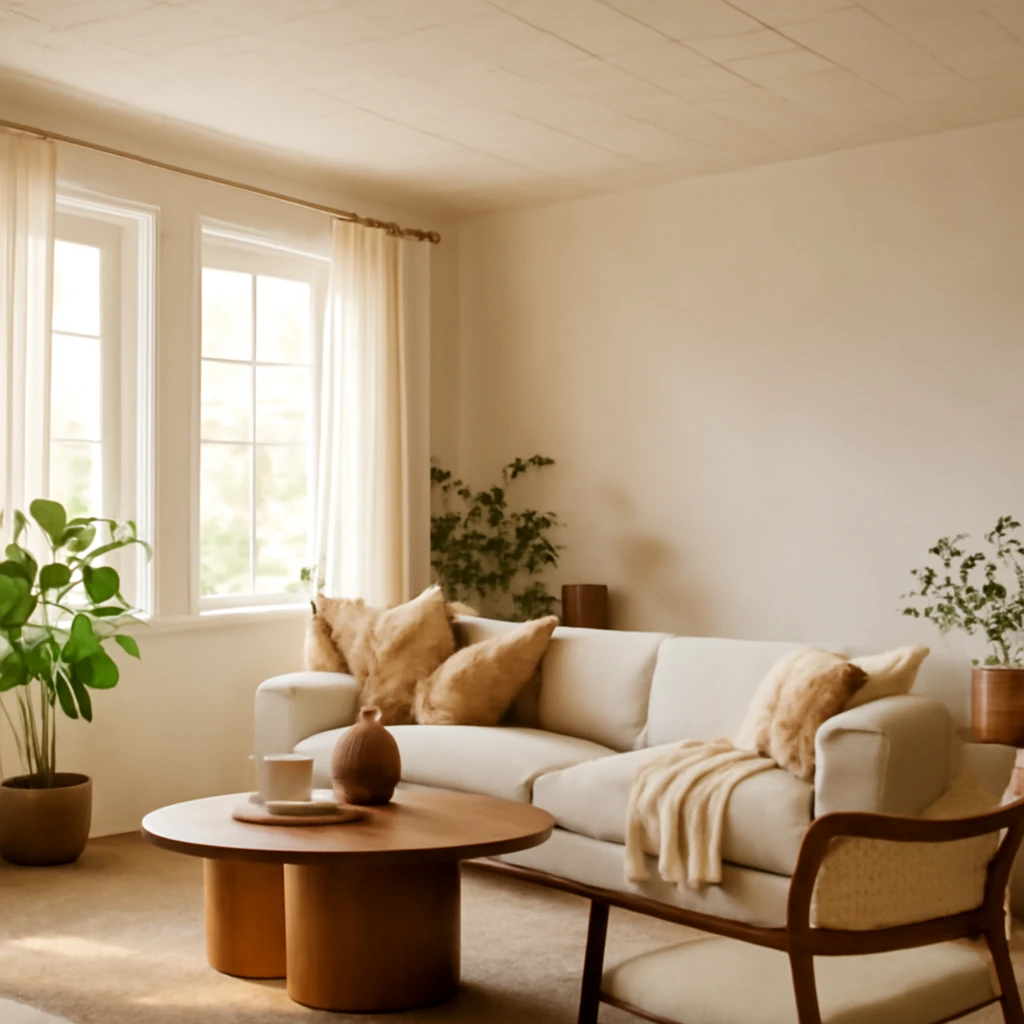
Introduction: rethinking the ceiling as a design front
The ceiling is often overlooked in interior design, yet it plays a pivotal role in how a space feels and functions. In European homes - from compact city flats to grand lofts and renovated maisonettes - the ceiling shapes lighting, acoustics, and even thermal comfort. Rather than defaulting to a plain paint or wallpaper, today’s ceilings offer a range of finishes that can transform a room’s character, ambience and even its perceived height. Below we explore five contemporary ceiling finishes that suit a variety of budgets and architectural contexts, with practical guidance on installation, maintenance, and how to integrate them into modern European interiors.
1. Warm wood
Timber ceilings come in several flavours, each with its own texture, colour and performance. The simplest and most versatile option is a sub‑ceiling of wooden panels fixed to joists or to a timber battens framework. The panels can be solid timber, veneer‑faced plywood, or engineered wood with a tongue‑and‑groove profile. A coffered (coffered) ceiling - where the surface is divided into square or rectangular recesses - offers a refined, architectural character that pairs beautifully with both traditional and contemporary décors.
Across Europe, timber ceilings are prized for their natural warmth, acoustic benefits and sustainability. They help to soften a room’s acoustics by absorbing and diffusing sound, which is particularly welcome in living rooms and bedrooms. However, there are practical considerations. Timber can be a relatively high‑cost material, and without proper treatment it can be vulnerable to temperature fluctuations and humidity. In climates with significant seasonal moisture or in rooms prone to humidity, select engineered wood or timber with approved fire retardant finishes and moisture barriers. For older European apartments with visible timber beams, a timber ceiling can be finished to reveal the joists as a feature, or hidden behind smooth panels for a more contemporary look.
Installation and maintenance tips:
- Choose engineered wood or properly rated timber with a low‑emission finish to meet European standards for indoor air quality.
- Consider a breathable, moisture‑resistant backing layer to improve thermal performance and reduce echo.
- Opt for lighter tones to bounce natural light around smaller spaces, darker hues can create a cosy, dramatic atmosphere but may visually shrink a room.
- Integrate concealed lighting along coves or in the coffers to highlight the timber texture and create a warm glow.
- Regular cleaning with a soft cloth keeps dust from settling in the grain, avoid aggressive cleaners that could degrade surface coatings.
2. Elegant moulding
Mouldings on the ceiling are a timeless way to introduce architecture and refinement. This category includes coving (a moulded peripheral edge where the ceiling meets the wall), cornices, ceiling roses, and panel mouldings that create framed sections. In classic interiors, mouldings support a traditional mood, in modern schemes, they can become a subtle accent that adds depth without overwhelming minimal lines. For Scandinavian and contemporary European apartments, a restrained coving painted in the same colour as walls or a slightly lighter shade can provide a soft transition and an element of tactile interest without dominating the space.
Modern mouldings are available in plaster, timber, or lightweight synthetic materials, each offering different installation and maintenance profiles. Plaster mouldings deliver a high‑end finish with authentic character, but require skilled cutting and finishing. Polystyrene or polyurethane mouldings are lighter, easier to fit, and more affordable, though they may require careful paint to avoid a plastic look in brighter spaces. A popul ar contemporary approach is to pair a crisp, pale coving with hidden LED strips or a low, indirect glow from concealed lighting to emphasise the architectural silhouette.
Practical considerations and tips:
- Go for a lighter, neutral tone in small or north‑facing rooms to prevent the space from feeling heavy or closed in.
- When selecting mouldings, ensure compatibility with your ceiling substrate (plaster, gypsum board, or concrete) and the chosen finish (paint, wallpaper, or limewash).
- Use moulding to hide minor ceiling cracks or joints, evenly applying a light coat of primer before painting helps achieve a seamless finish.
- Pair mouldings with planned lighting: cove lighting behind the moulding or LED strips within panelled sections create a bespoke glow that accentuates the ceiling’s depth.
3. Shiny metal
Metal ceilings, whether as thin panels or decorative tiles, bring a vintage or industrial edge to interiors. In Europe, pressed metal ceilings - often aluminium or tin‑plate, with embossed patterns - offer a lightweight, durable surface that reflects light and introduces texture. A metal ceiling can instantly imbue a kitchen, hall, or living area with historical character while remaining perfectly suited to contemporary schemes when paired with clean lines, glass surfaces and natural materials. The downside is cost and the need for careful finishing and maintenance to prevent scratches and tarnish over time. Fire resistance is generally good when the material is properly rated and installed to current codes.
Implementation options and design ideas:
- Use metal panels to create a central feature or to cover a compact ceiling where a patchwork of panels can hide structural irregularities.
- In larger spaces, consider a two‑tier approach: a metal central panel surrounded by a plaster or plaster‑beneath ceiling to balance weight and visual scale.
- For budget considerations, install metal panels only in the central zone and finished edges with gypsum board, timber, or plaster to save cost while maintaining a striking focal point.
- Pair with warm wood or matte neutrals to avoid a cold, showroom feel, brushed or antique finishes add warmth and character.
- Ensure there is adequate air circulation and consider acoustic backing if the metal surface risks producing a hard, echo‑prone room.
Fire safety, installation systems, and long‑term maintenance matter with metal ceilings. A professional should ensure the panels are securely fixed and that joints are sealed to prevent condensation, particularly in spaces with high humidity such as kitchens or bathrooms. Proper cleaning with non‑abrasive products will help preserve the patina and pattern without dulling the finish.
4. Budget polystyrene
Polystyrene ceiling tiles are a practical, budget‑friendly option that offers an immediate aesthetic uplift, good acoustic dampening, and resistance to some moisture. They are easy to install on standard ceilings, typically using adhesive or simple mechanical fixings to a prepared surface. The tiles come in a range of profiles - from simple flat panels to light embossing that mimics plaster or metal - allowing a quick transformation in kitchens, hallways, and larger living areas.
Nevertheless, polystyrene has drawbacks. It is not as durable as wood or metal and can deform at elevated temperatures, it is also less resistant to heavy impact and can suffer from cosmetic damage if not treated gently. For spaces with high heat exposure or direct sun, ensure that the chosen tiles have appropriate fire ratings and UV resistance. In regions with higher indoor humidity, select polystyrene tiles rated for damp environments and consider sealing or painting the surface to protect the material over time.
How to make it work in European interiors:
- Choose a fade‑resistant paint or a metallic finish to mimic more expensive materials, if you’re aiming for a specific look without the expense.
- Combine central areas with polystyrene tiles and finish the edges with plaster or timber to craft a cohesive transition between finishes.
- Regularly inspect joints and corners for signs of warping or separation, especially in rooms where humidity fluctuates (kitchens, utility rooms, and bathrooms where moisture levels are controlled by ventilation).
- Use light colours and shallow profiles to keep spaces feeling airy and to avoid a boxed, heavy appearance.
5. Light draping
A fabric ceiling is among the most affordable and flexible options for softening a space. This approach uses fabric stretched or draped over a frame of battens or lightweight rails, anchored discreetly to the ceiling. In bedrooms and lounges, fabric ceilings can create a cocooning atmosphere, reduce echo, and add a tactile dimension that changes with the light. When executed well, textile ceilings add warmth and months of variation - from a velvety matte to a subtle sheen, depending on the chosen fabric and treatment.
Practical considerations:
- Fabric ceilings are particularly well suited to bedrooms and guest rooms, where a cosy, intimate mood is desirable. Avoid high‑humidity areas such as bathrooms unless the fabric is specifically designed for damp environments and treated with fire retardants.
- Secure the fabric with wooden battens and cross‑rails to ensure a smooth, taut finish that remains wrinkle‑free over time. A tensioned fabric system can provide a near‑framing effect and an even surface for light diffusion.
- Maintenance requires regular gentle cleaning, avoid abrasive cleaners that may damage the fabric. Consider removable fabric panels for easy cleaning or replacement.
- Reflective or light fabrics can help maximise daylight, while deeper hues create a dramatic, intimate atmosphere - great for bedrooms or formal lounges.
Careful installation is essential with fabric ceilings. Fire‑retardant finishes and compliant installation practices are necessary to meet European safety standards. Given the variability of fabric textures and the potential for sagging in some environments, consult a specialist to ensure a robust, compliant installation that will stand the test of time.
How to choose the right finish for your space: a practical decision‑making guide
Selecting a ceiling finish requires balancing aesthetics, performance, and budget, all within the constraints of the space and building type. Here are practical steps to help you decide, especially in European homes with diverse architectural legacies:
- Assess the room’s function and climate: A living room or bedroom benefits from warmth and acoustics, a kitchen may need moisture resistance and easy maintenance, corridors and stairwells may prioritise light diffusion and durability. Consider the climate and humidity levels in your location and choose materials with appropriate performance ratings.
- Evaluate ceiling height and proportions: In rooms with low ceilings, light colours, reflective surfaces, and slim profiles will help maximise perceived height. Coffered or panelled ceilings can add depth in generous spaces but may overwhelm small rooms if too heavy in tone or pattern.
- Plan with natural and artificial light: Materials interact with light differently. Metal surfaces reflect light, wood can warm it, and fabric glows softly. Use lighting design to enhance the ceiling finish - concealed LEDs in coves, backlit panels, or adjustable spotlights that highlight a feature texture.
- Consider maintenance and lifecycle costs: Initial cost is only part of the story. Timber and metal may incur ongoing care, refinishing, or regular cleaning, whereas polystyrene and fabric ceilings can offer quicker upgrades with lower upfront investment but require periodic checks for wear, moisture, and fire safety.
- Address safety and building regulations: All European jurisdictions require appropriate fire ratings and installation practices for ceilings, particularly in multi‑family buildings and in areas with high occupancy. Work with licensed professionals to ensure compliance and to obtain the necessary certificates for insurance and resale.
- Blend finishes for a cohesive look: It’s common to combine finishes to delineate zones or to introduce texture without overloading a single space. For example, a timber Coffered centre with moulded edges, or a fabric surround in a bedroom paired with a light plaster ceiling elsewhere.
- Commission professional advice for complex projects: In renovation projects, especially within historic or listed European buildings, ceiling finishes must harmonise with the existing architecture and structural constraints. An experienced designer and a licensed contractor can deliver a solution that respects heritage, while integrating contemporary performance standards.
In summary, the ceiling is a powerful design element when approached with intention. Whether you opt for the warmth and natural grain of timber, the sculptural elegance of mouldings, the vintage mood of metal, the budget‑friendly practicality of polystyrene, or the soft, enveloping comfort of fabric, the right finish will elevate a room’s atmosphere, function and value. By considering climate, space, light, and regulatory requirements, European homes can achieve ceilings that are as well‑crafted as the rooms they crown.
You may also like these articles
 Bedroom
How to Create a Provençal Bedroom: A Simple DIY Guide for European Homes
Create a sun-kissed Provençal bedroom with timeless European style.
Small Spaces
A compact 21m² studio: functional design and cosy comfort for a student home
A compact 21m² studio reimagined with smart zoning and green accents.
 Trends
Tulle for Interiors: 2025 Trends, Applications and Anti-Trends Across Europe
Explore 2025 tulle trends and practical styling ideas for European homes.