
Explore interior trends, AI design insights, styling guides and real transformations
Decorative plaster: textures and finishes for European interiors
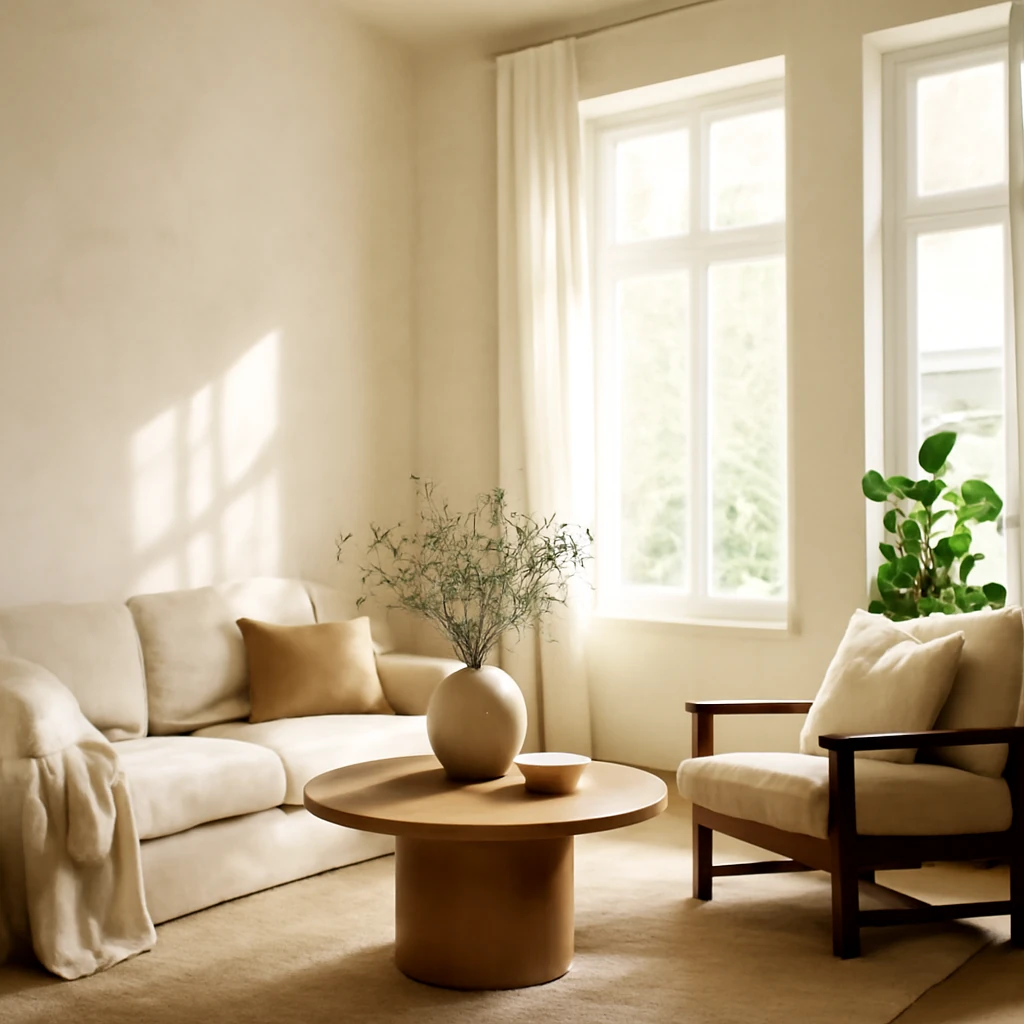
Introduction: decorative plaster in modern European interiors
Decorative plaster has moved from traditional or utilitarian use to a cornerstone of contemporary European interiors. Its appeal lies in versatility: a single material can be refined to a Venetian marble look, rugged with a textured graphite-like finish, or elegantly smooth with a subtle sheen. Used both inside homes and in carefully considered façades, decorative plaster offers aesthetic variety without compromising on durability or sustainability. For designers and homeowners alike, it provides an efficient path to personalised walls that adapt to light, space, and architectural character while meeting contemporary standards for indoor air quality and energy performance.
Using decorative plaster in interiors
Inside living spaces, decorative plaster is prized for its ability to transform flat surfaces into expressive surfaces with tactile depth. It accommodates a range of atmospheres - from calm minimalism to opulent texture - without necessitating heavy milling or expensive cladding. In European homes, plaster can be applied to feature walls in living rooms, study areas, corridors, or bedrooms to create a focal point or to unify adjoining spaces with a cohesive material narrative.
One of the key advantages is the way plaster can mimic other materials. With the right finish, a wall can resemble natural stone, warm timber, or lustrous marble while maintaining the breathability and humidity management vital to healthy interiors. For spaces with higher moisture, such as bathrooms or utility areas, specific plaster formulations and sealing strategies can be selected to optimise performance while preserving the sought-after tactile quality.
Advantages and disadvantages
Compared with many other wall finishes, decorative plaster offers a compelling combination of attributes. The following points capture common advantages and potential drawbacks to consider in the European context:
- High environmental properties when formulated with natural or low‑VOC components.
- Extensive range of colours, textures, and surface qualities to suit diverse design aspirations.
- Relative ease of mixing and application for skilled installers and confident DIY enthusiasts with professional guidance.
- Elegant, distinctive final appearance that can be refined or rugged, depending on technique and material choice.
- Durability and resistance to weathering when used on façades or in well‑ventilated interiors.
- Low maintenance: typically easy to clean with a damp cloth or mild detergent, subject to finish type.
- Cost can be competitive, particularly when compared with premium stone or ceramic cladding, though some finishes can be investment‑grade.
On the flip side, decorative plaster can present certain limitations. Some formulations are less permeable to water vapour, which may require careful selection in damp or poorly ventilated spaces. Direct, prolonged exposure to strong sunlight can fade or degrade certain finishes. Preparation and application require skilled workmanship to ensure evenness, adhesion, and long‑term performance. In spaces with fluctuating humidity, such as kitchens or baths, choosing the right binder and finish is essential to maintaining appearance and function.
Types by binder: how plaster chemistry shapes performance
Modern decorative plasters vary primarily by the binder, the medium that binds aggregates and pigments into a cohesive film. Each binder offers distinct aesthetics, performance, and price points. The major categories encountered in European markets are:
Based on acrylic binder
Acrylic‑based decorative plasters use acrylic resin as the binder. They are highly elastic and can accommodate movement in walls while retaining colour and texture. Pigments can be added in wide range of hues. However, acrylic plasters tend to have lower vapour permeability than mineral options and may degrade more quickly under intense sun exposure, particularly if left unprotected in sunny rooms or façades. They are well suited to contemporary interiors where a high degree of flexibility and a vivid palette are desired.
Mineral‑based
Mineral plasters typically rely on cement or lime‑cement binders. They are durable, generally more affordable, and carry excellent smoke and heat resistance. Their diffusion characteristics favour breathable walls, which can help regulate indoor humidity. The trade‑off is a more limited colour range and, in some cases, a greater susceptibility to mechanical damage if the surface is heavily stressed. For many European projects, mineral plasters offer a reliable, traditional aesthetic with modern performance.
Silicone‑based
Silicone or silicone‑modified plasters provide outstanding water repellency and UV stability, making them a strong choice for façades and interior walls subjected to moisture or bright light. They maintain rich colour even in bright spaces and resist staining. The main considerations are higher initial cost and the demand for careful surface preparation and maintenance planning to preserve the long‑term beauty of the finish.
Silicate‑based
Silicate or self‑cementing plasters use liquid glass (water glass) as the binder. They are extremely durable, highly breathable, and resistant to weathering, making them well suited to exterior walls and interiors with high humidity. Silicate finishes offer a distinctive mineral sheen and are difficult to overpaint. They tend to command a premium price and require specialist installation knowledge.
Beyond these binders, many European textures are designed to be adaptable, with installers able to adjust formulations by adding pigments or modifiers. The ability to tailor the chemistry allows professionals to balance breathability, density, and finish in response to specific room conditions and architectural aims.
Fillers and texture: defining surfaces
The texture and tactile quality of decorative plaster are primarily shaped by the choice of filler. Fillers determine surface roughness, depth of pattern, and how the light interacts with the plaster. The most common categories are:
- Textured finishes that create pronounced relief and visual interest.
- Structural plasters with more restrained granularity for flatter, more uniform walls.
- Venetian or marbleised plasters that render a smooth, glossy, or softly veined appearance reminiscent of natural stone.
Each category supports a spectrum of effects, from bold, tactile façades to delicate, refined surfaces that reflect a sculptural light. The right combination depends on architectural scale, room function, lighting strategy, and the desired ambience.
Textured plaster
Textured plaster is characterised by a high‑viscosity mix and a relatively coarse constituent structure. The presence of small marble, granite shards, mica, wood fibres, or flax can hide wall imperfections and add a natural or industrial vibe. Application often does not require complex wall preparation, and as the layer cures it gains substantial strength and durability, with good water resistance and air permeability. Designers use textured finishes to frame architectural features, highlight negative space, or create tactile focal points in social spaces.
Structured plaster
Structured plasters share some traits with textured varieties but feature a finer grain and more uniform surface. They are frequently based on acrylic or silicate binders, which makes them attractive for interiors where humidity levels are moderate and easy cleaning is important. Struct‑ured finishes satisfy a broad range of bathrooms, corridors, and service areas, offering practical resilience without sacrificing style.
Venetian variant
The Venetian finish is recognised for its layered approach. It requires multiple coats and careful sanding to achieve a smooth, luminous surface that resembles natural marble. This finish is more labour‑intensive and expensive, but it delivers an unmistakable sense of luxury and depth of colour. In European projects, Venetian plaster is often used to create statement walls in living rooms, dining rooms, or executive spaces where light plays across the surface to reveal subtle veining and movement.
Specialised finishes: beyond the classics
In addition to the standard binder and filler families, decorative plaster can embrace niche variants that unlock specific aesthetics or functional qualities. The following are among the most commonly encountered special finishes in European design projects:
- Colored plasters that saturate the wall with a uniform pigment or a carefully controlled variegation.
- Latex/plastic plasters that combine flexibility with a soft gloss or matte appearance.
- Roller finishes that create linear patterns and a contemporary texture with minimal labour.
- Coarse “sea breeze” textures inspired by coastal surfaces, offering a breezy, tactile feel.
- Mosaic or decorative aggregate finishes for striking feature walls or accents.
These specialised finishes extend the repertoire available to interior designers and can be tailored to suit period houses, modern flats, or commercial spaces while addressing performance requirements such as moisture resistance and cleaning regimes.
Care, maintenance and longevity
Proper care extends the life of decorative plaster while preserving colour and texture. Most finishes respond well to routine cleaning with a soft cloth or sponge, using warm water and a mild detergent. Avoid abrasive cleansers that could scratch or dull the surface, particularly on smoother Venetian or siliconised finishes. Regular inspection helps identify early issues such as microcracking, discolouration, or dulling around noticeably sunlit walls. Timely repairs - carried out by qualified practitioners - preserve consistency and value over time.
Durability hinges on the paste consistency, substrate preparation, and the climate within the space. In damp areas or rooms with high humidity, moisture management is essential. Correct ventilation, appropriate plaster choice, and a suitable protective topcoat can prevent mould growth and staining. For exterior applications, weatherproofing and UV protection dictate performance as much as finish colour and texture, so careful material selection is crucial.
Preparation, installation and design considerations
Achieving a high‑quality decorative plaster finish begins long before the trowel touches the wall. Thorough substrate preparation - clean, dry, sound, and appropriately primed - ensures adhesion and longevity. The exact preparation steps depend on the chosen plaster type, binder, and the substrate material (plasterboard, lime plaster, concrete, masonry, or timber frame). In Europe, installers often follow regional tolerances for wall flatness and texture, applying a suitable primer and, where necessary, a bonding agent to improve adhesion.
Key design considerations when planning decorative plaster include:
- Room purpose and humidity: bathrooms, kitchens, and utility spaces require finishes with higher moisture resistance and easier cleaning.
- Light and scale: textured surfaces can make small rooms feel more dynamic, while smoother finishes can enhance light reflection in larger spaces.
- Colour strategy: pigments should be tested for stability under room lighting conditions and potential UV exposure.
- Maintenance regime: select finishes that align with occupants’ cleaning routines and expectations for longevity.
- Installation timeline and cost: multi‑coat Venetian or silicone finishes demand skilled labour and may affect project scheduling and budgets.
European practice often emphasises sustainable materials and low‑emission components. When possible, designers choose plasters with minimal volatile organic compound (VOC) emissions and compatible with existing or planned underfloor heating and high‑efficiency ventilation systems. This approach supports healthier interiors and aligns with contemporary certification schemes for sustainable design.
Room‑by‑room ideas: how plaster can shape European homes
Interior design in Europe frequently leverages plaster to articulate spaces and reflect regional architectural identities. Consider the following ideas to harness decorative plaster across different rooms:
- Living rooms: create a feature wall with a Venetian or lightly textured plaster to draw light and add depth without compromising the room’s airiness.
- Dining areas: a refined, semi‑gloss plaster with a warm undertone can mimic natural stone and pair beautifully with timber furniture and soft textiles.
- Bedrooms: softer texture plasters in muted colours contribute to a calm, restorative atmosphere, consider subtle metallic or silvery sheens for a moonlit effect.
- Bathrooms and wet rooms: choose moisture‑resistant finishes such as water‑repellent silicone or silicate plasters with a sealed topcoat, ensure proper ventilation to sustain performance.
- Hallways and corridors: durable textured plasters can hide minor surface imperfections and create a continuous, tactile journey through the home.
In historic or contemporary European buildings, plaster can be used to respect or reinterpret architectural heritage. For instance, fine Venetian plaster can evoke classical interiors in a modern apartment, while a robust textured finish might complement industrial or Scandinavian design aesthetics. The key is to balance texture with lighting and furniture to craft a coherent, lived‑in space.
Choosing between plaster finishes: practical decision points
To select the right decorative plaster for a European interior, consider these practical decision points:
- Exposure and function: high‑traffic zones or damp areas require finishes with robust cleaning capabilities and moisture resistance.
- Breathability: interiors in older buildings may benefit from breathable plasters that help regulate moisture and reduce condensation risks.
- Maintenance expectations: some finishes require more regular upkeep or specialist cleaning, while others are more forgiving.
- Aesthetic goals: decide whether you want a soft, matte look, a luminous, marble‑like surface, or a highly textured statement wall.
- Budget and timeline: more elaborate finishes (e.g., multi‑layer Venetian plaster) incur higher material and labour costs and longer installation times.
Engaging a reputable, experienced contractor is essential for achieving consistent colour, proper adhesion, and a flawless final surface. In Europe, many projects involve a collaboration between interior designers, archival or architectural documentation, and specialist plaster artisans who can tune the finish to the room’s historical or contemporary context.
Maintenance and long‑term care: keeping plaster surfaces pristine
Keeping decorative plaster in optimal condition involves straightforward routines, balanced with an understanding of the chosen finish. A few best practices include:
- Dust regularly with a soft, dry cloth to prevent pigment migration and surface buildup.
- Clean with a damp sponge or cloth using mild soap in warm water for routine maintenance, avoid abrasive tools that could scratch the surface.
- Address stains promptly using appropriate cleaners specified for the plaster type, testing in an inconspicuous area first.
- Monitor for signs of moisture intrusion, including discolouration, efflorescence, or bubbling, resolve underlying dampness before treating affected areas.
- Plan periodic refreshes: some finishes can be refreshed or recoated to restore sheen, depth, or texture.
With sensible maintenance, decorative plaster can endure for decades, retaining its character while accommodating evolving design preferences.
Practical advice for projects across Europe
Across Europe, project teams increasingly prioritise material transparency, performance, and compatibility with climate and building systems. When planning a decorative plaster installation, consider the following practical steps:
- Define the function and climate of each room. For instance, kitchens and baths benefit from finishes with higher moisture resistance and ease of cleaning, while living rooms may prioritise texture and colour depth.
- Engage a contractor with proven experience in the chosen plaster system and finish. Ask to see previous installations, and request a technical specification including substrate preparation, expected drying times, and layering sequence.
- Test colour and sheen in situ. Plaster batches, lighting conditions, and wall orientation can alter perceived colour and texture significantly.
- Plan for substrate access and maintenance - particularly in renovation projects where existing walls may require preparation or stabilization before plastering.
- Consider compatibility with other materials and systems, such as paint, wallpaper, or sealants used nearby, to ensure cohesive performance and aesthetics.
Conclusion: decorative plaster as a design language for Europe
Decorative plaster offers a powerful design language for contemporary European interiors. It bridges craftsmanship with modern performance, enabling walls that are expressive, durable, and breathable. From the soft glow of Venetian finishes to the tactile drama of textured plasters, the material invites designers to craft spaces with nuance, light, and texture. By carefully choosing the binder, filler, and finish - and by respecting substrate, humidity, and maintenance requirements - homes across Europe can enjoy walls that are not only beautiful but also living components of the built environment.
You may also like these articles
 Small Spaces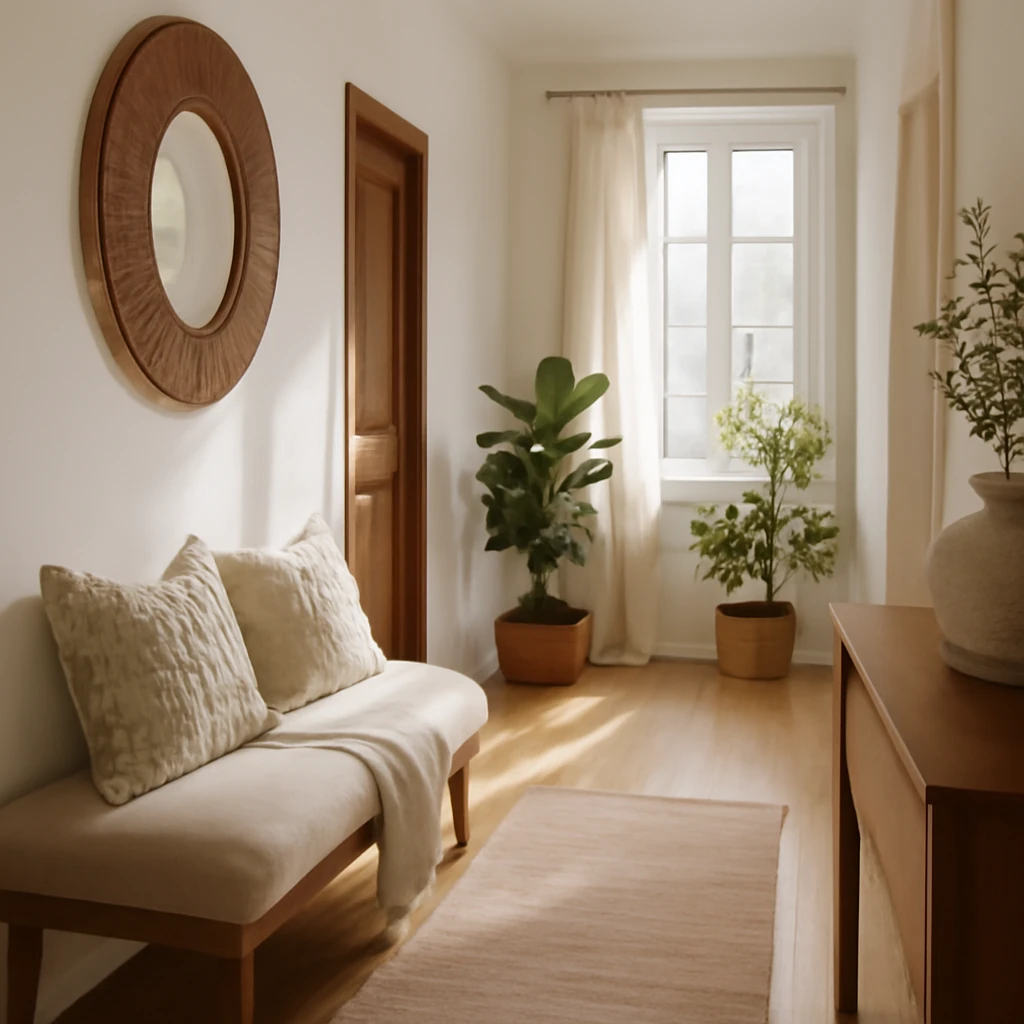
From Narrow to Noteworthy: European Hallways
Practical ideas to turn ultra-narrow European corridors into functional, bright spaces.
Tips & How-To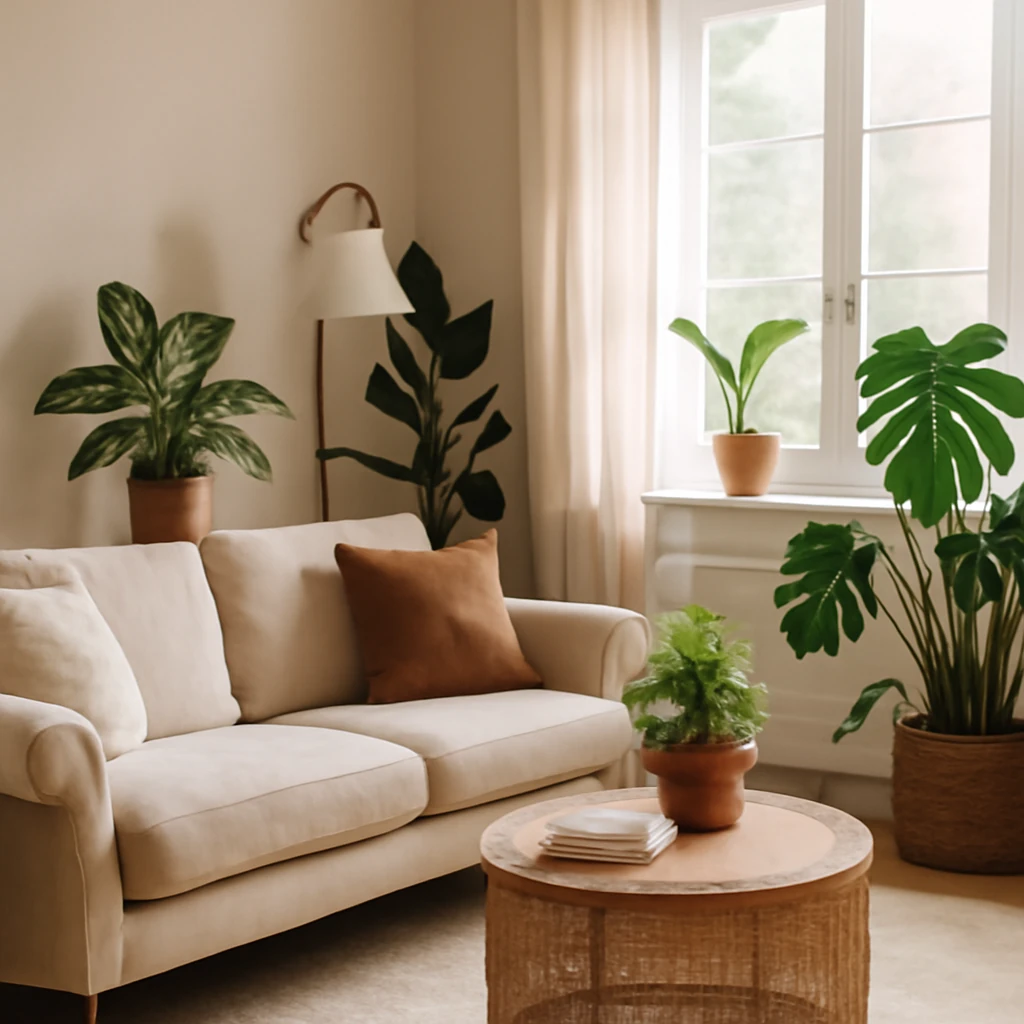
Ten dangerous houseplants and how to keep your home safe
Dangerous houseplants: safety-first guide for European homes
 Trends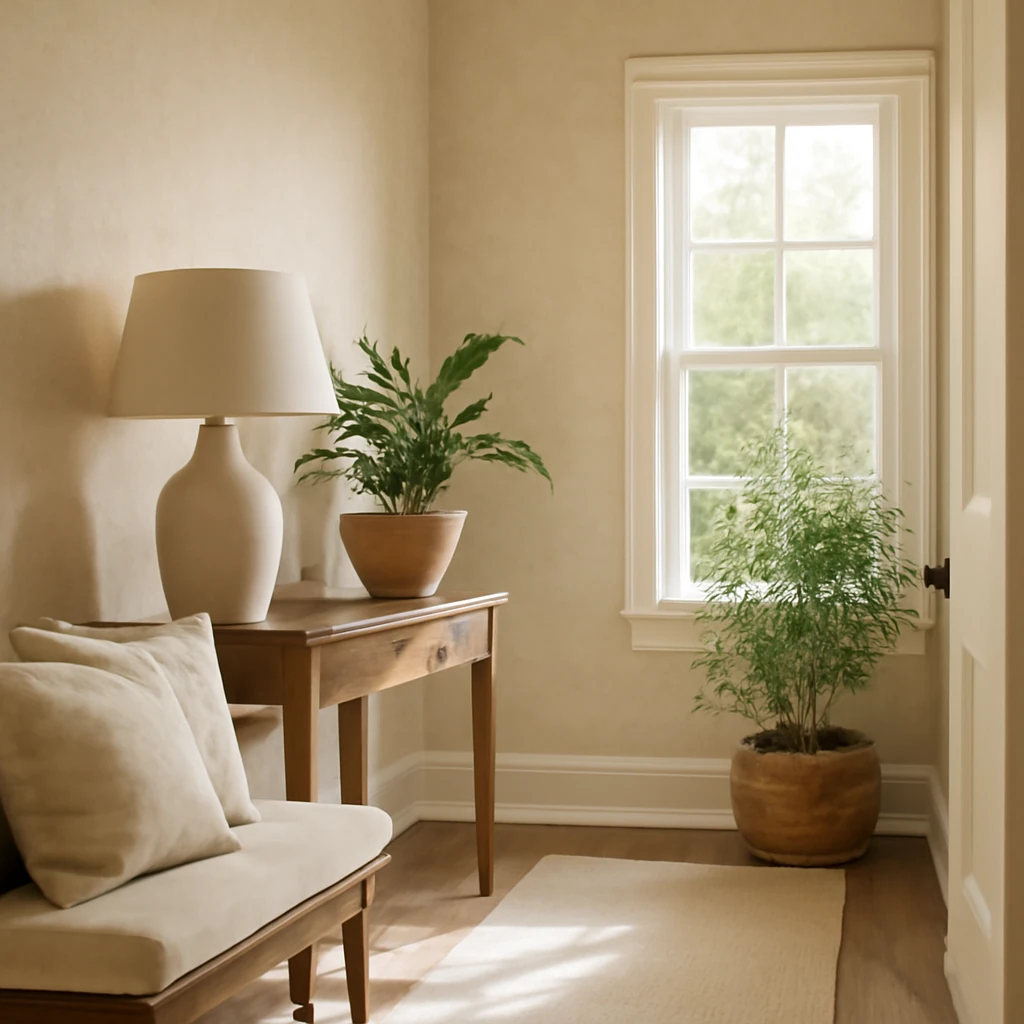
Hallway Wallpapers for 2025: Trends, textures and practical guidance
Discover 2025 hallway wallpaper trends, materials and practical tips for durable, stylish entrances.