
Explore interior trends, AI design insights, styling guides and real transformations
Decorative plaster: textures, finishes and how to apply
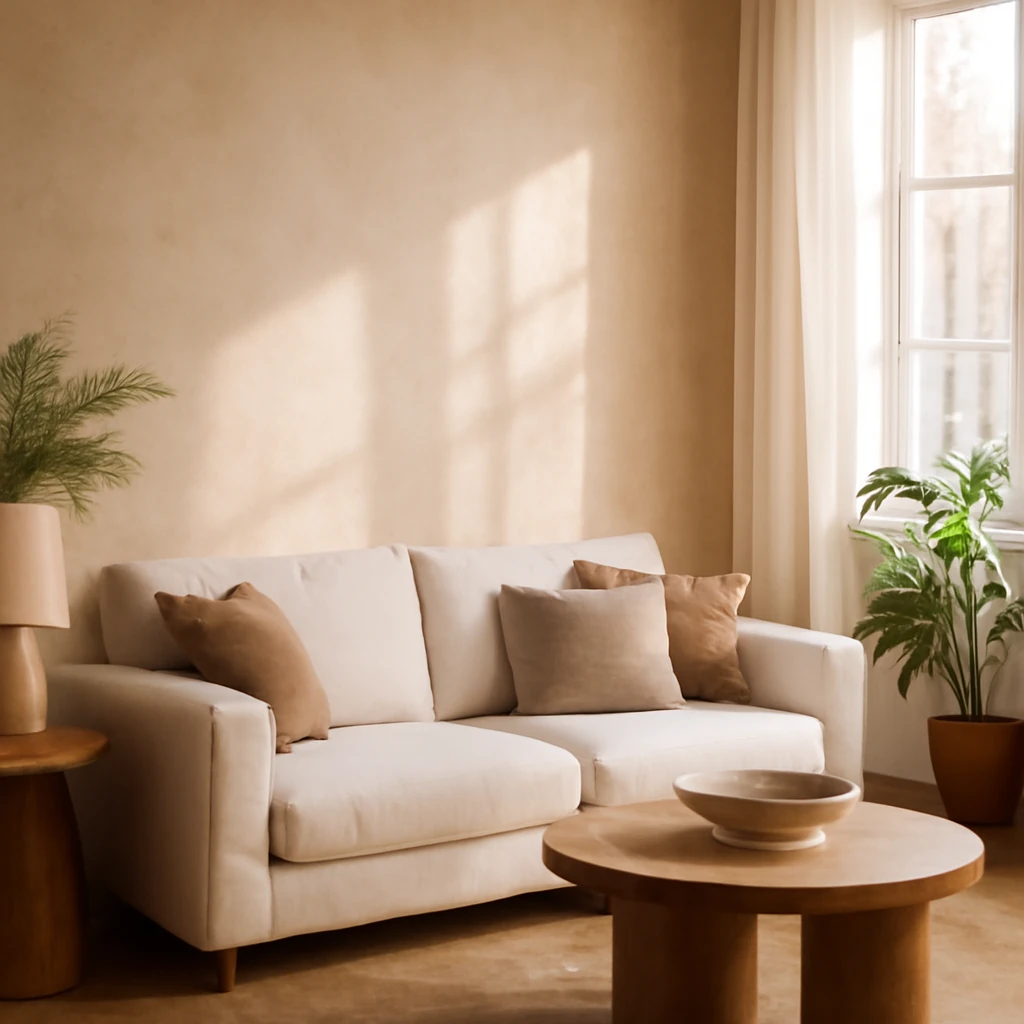
Introduction: decorative plaster as a textured, lasting finish
Decorative plaster has been shaping walls for centuries, offering a tactile, artisanal finish that adds depth, character and a sense of craft to contemporary European interiors. Far from a plain surface, textured plaster can evoke textiles, the grain of timber, stone surfaces or the luminous depths of classic Venetian interiors. Today’s formulations combine traditional techniques with modern binders and pigments, delivering durable finishes suitable for living rooms, bedrooms, kitchens and even bathrooms when moisture resistance is required.
This guide unpacks the advantages of decorative plaster, explains the main types and finishes available across Europe, and provides practical steps for preparation, application and maintenance. Whether you are renovating a city apartment, restoring a townhouse or designing a new build, plaster finishes offer versatility, longevity and a refined, customisable aesthetic.
Pleans and benefits: why choose decorative plaster for interiors
Decorative plaster is a multi-layer finish typically based on cementitious or synthetic binders, combined with mineral or organic fill materials. The surface you see today is the result of deliberate layering, texture creation and finish treatment. In European homes, decorative plaster is valued for its ability to:
- Eliminate visible seams and joints, creating a seamless wall or ceiling plane.
- Conceal minor wall imperfections, giving a smooth, cohesive appearance when prepared correctly.
- Offer extensive colour, texture and pattern options to suit period or contemporary design language.
- Provide durability and a sense of artisanal craftsmanship that ages gracefully with the space.
- Deliver performance in a range of environments, including kitchens and bathrooms where humidity considerations apply.
- Offer potential thermal and acoustic benefits, depending on formulation and substrate.
- Present a sustainable approach when you choose appropriate formulations and substrate preparation.
In practice, the final look is influenced by the chosen binder, the size and type of filler particles, and the technique used to shape the surface. A skilled applicator can create a surface with the soft glow of marble, a tactile weave, or a restrained, architectural texture that complements both minimalist and classical interiors.
Types of decorative plaster: form, composition and texture
Decorative plaster comes in several broad categories, each with its own flavour, application method and maintenance profile. The following classifications reflect common European practice and should help designers and homeowners select the right option for a given space.
By form of delivery
- Ready-mixed plaster: pre-batched products supplied as a viscous paste or ready-to-use plaster. These are convenient for faster projects and offer consistent performance across a single batch.
- Water-dispersion finishes: binders disperse in water, allowing for lower odour and ease of cleaning. These are popular for interior walls in living spaces and bedrooms where rapid repairability matters.
- Solvent-based organo-dispersed finishes: solvent-borne products that may require ventilation and careful disposal. They are chosen for certain performance characteristics or archival finishes but are less common in contemporary European residential interiors due to environmental preferences.
By composition
- Acrylic plaster: binder is an acrylic resin, typically supplied as a ready mix. It’s flexible, water-repellent and available in a broad palette. Drawbacks include sensitivity to strong sunlight and, in some cases, lower resistance to heat and abrasion compared with mineral alternatives.
- Mineral plaster: cement-based with mineral aggregates. A robust, economical option that resists humidity and UV exposure well, though it can be more prone to damage from sharp impacts if not protected by a suitable substrate.
- Silicate plaster: binder combines inorganic potassium silicate with mineral aggregates. Known for excellent durability, UV resistance and a breathable finish, often used in historic or climate-exposed contexts.
- Silicone plaster: binder features silicone-modified resins. Highly durable, water-repellent, and self-cleaning in some grades, it remains breathable and resists mould growth when properly maintained.
By filler or texture
- Textured plaster: finishes that reveal surface irregularities and embedded aggregates such as marble, granite, glass, mineral crystals or wood fibres. The result is a tactile, irregular surface that reads as a pattern or fabric from a distance.
- Structural plaster: micro- or macro-particles (quartz, marble) are used to build a tactile, grainy surface. It can be used to create more pronounced relief or to resemble natural stone at a lower cost.
- Venetian plaster: translucent, highly polished finishes based on marble powder and lime. Achieves a luxurious, marble-like depth with multiple translucent layers and a soft, glassy sheen.
Textured plaster finishes: popular sub-types and their aesthetics
Textured plasters are prized for their ability to add depth and visual interest without relying on colour alone. Three common sub-types frequently discussed in European studios are:
1) Subtle microtexture finishes
These finishes use fine aggregates and disciplined trowel work to create a delicate, fabric-like surface. The result is a calm, elegant backdrop ideal for living rooms and bedrooms. Subtle textures can be accentuated with a slightly warm or cool undertone, depending on lighting and surrounding materials.
2) Crackled, worm-like patterns
Some textured plasters intentionally mimic nature-inspired textures, including worm-like or sunken patterns created by controlled tooling or stamping. When used sparingly, these textures add a sense of history and tactility to a modern space without overwhelming it. For contemporary schemes, pairing a worm-like texture with a restrained palette can be particularly effective.
3) Woolly or fluffy textures
Textures that resemble wool or fur can bring warmth to colder interiors. The technique typically involves embedding fibrous materials or creating a dense, plush surface with a controlled piling of plaster. In living spaces and libraries, this can yield a cosy, inviting atmosphere.
Structural plaster: grain, heft and resilience
Structural plasters use coarser aggregates such as marble chippings or quartz to produce a more pronounced grain. They are particularly well-suited to spaces with high traffic or rooms where you want the finish to hold a sculptural presence, such as feature walls in living rooms, hotel lobbies or principal corridors in apartments. When selecting a structural finish, consider how the grain size will read under artificial light and daylight, and how it will pair with furniture and textiles in the space. A larger grain can create a bold statement, while a finer grain offers more subtle texture and depth.
Venetian plaster: depth, translucency and technique
Venetian plaster is one of the most recognisable finishes in European interiors. It involves applying several thin layers of lime-based plaster with marble powder, then burnishing the surface to reveal a translucent depth reminiscent of natural marble. The resulting finish range from pale, satin-like backgrounds to richly veined surfaces that shimmer under light. Because the technique relies on carefully levelled layers and a smooth substrate, preparation is critical.
Venetian plaster suits spaces styled in classical, contemporary or eclectic idioms. It pairs well with restrained architectural detailing, such as plaster mouldings or minimal metal accents. It is not a forgiving finish for imperfect walls, micro-imperfections will show through the translucency, so substrate preparation must be spot-on. For historic buildings or high-end renovations, venetian plaster can offer a timeless, elegant solution that ages gracefully and patinates beautifully over time.
Preparation and surface readiness: essential steps
Regardless of the plaster type, the surface you apply onto must be clean, dry and well-adhered to the substrate. European practice emphasises meticulous preparation, particularly when working with lime-based products or premium Venetian plasters. Typical preparatory steps include:
- Removing old coatings: wallpaper, paint layers or failing plaster should be stripped to reveal a sound substrate.
- Priming: apply an appropriate primer to stabilise the surface, improve adhesion and reduce suction that could cause early drying or cracking.
- Moisture management: in rooms with higher humidity (e.g., bathrooms and kitchens), treat surfaces with a moisture- and mould-inhibiting primer or additive as recommended by the product manufacturer.
- Crack and defect repair: repair visible cracks with a compatible repair compound before plastering, to prevent telegraphing of imperfections through the finish.
- Levelling: light filling and smoothing with a compatible filler ensures the substrate is flat and ready for the decorative layer.
- Final sanding: a fine sand before application helps ensure a uniform key for the first decorative layer.
Always follow the specific guidance of the product you choose, as curing times, recommended substrates and mixing ratios can vary between manufacturers and product families.
Application: how decorative plaster is applied in practice
Applying decorative plaster is as much an art as a technical process. The exact approach depends on the product family, the desired texture and the skill of the team. Below is a practical overview of typical stages and considerations, with emphasis on a balanced, European design language.
- Base layer (where required): some finishes require a base layer to build adherence or to create a uniform field for subsequent effects. The base layer is typically thinner than the decorative layer and may be trowelled or rolled on, depending on the product.
- Second layer and build-up: the decorative layer is applied in a controlled manner. For some textures, the material is applied in a single pass with a special tool, for others, multiple passes create depth and variation.
- Texture creation: the texture is formed using a range of tools - trowels, spatulas, combs, stencils, or pattern rollers. The choice of tool determines the final ridge, line and pattern profile. Plan the motif in advance and coordinate with lighting and furniture to ensure readability of the texture across the room.
- Finish and curing: some finishes are burnished to achieve sheen (Venetian plaster), while others are left with a soft, matte appearance. Cure times vary by product and environmental conditions, avoid rapid drying that can cause cracking.
Important note: with multi-layer Venetian plaster, arrangement of layers, drying time between coats and final burnishing are critical. This finish is best executed by experienced tradespeople or trained professionals to ensure a flawless, durable result.
Practical techniques for creating textures and patterns
Texture is where decorative plaster truly comes to life. The following techniques are commonly used in European studios to achieve distinctive surfaces. They can be adapted to scale, room function and stylistic intent.
- Stroke patterns: use a large or small trowel, applying long, even strokes or angled sweeps. The rhythm of the strokes creates a fabric-like or subtle wave pattern that shifts with light.
- Stamping and stamping-like tools: pattern rollers or stamps can imprint regular or irregular motifs onto damp plaster, yielding a controlled, repeatable texture.
- Two-tone effects: apply a base colour and, before the layer fully dries, introduce a second colour in recessed or raised areas to highlight the texture. This creates depth and visual interest as the light moves across the surface.
- The “shuba” (fur-like) technique: a relatively rough application, followed by pressing with a textured material (such as a dense brush or a textured fabric) to create a tactile, irregular surface with a soft, fur-like impression.
- Patterned finish with templates: stencil-like templates can be pressed or combed into the plaster while it’s still malleable, yielding crisp lines or repeating motifs.
When planning textures, consider how they relate to architectural features, such as cornices, archways and door frames. A bold texture on a feature wall can be balanced by simpler plaster elsewhere, preventing the space from feeling overwhelmed.
Cost and budgeting: what to expect per square metre
Prices for decorative plaster vary across Europe according to product type, complexity of the finish, substrate conditions and labour. As a general guide, indicative ranges (excludingVAT) are:
- Decorative plaster (base finishes): from approximately €20 to €45 per m² for standard textured finishes using mid-range products, depending on preparation needs and region.
- Venetian plaster (multi-layer, high-gloss or translucent finishes): typically from €45 to €110 per m², reflecting the skill level required and the number of coats and burnishing involved.
Factors that influence cost include the condition of the substrate, the room’s humidity, the size of the project, the desired depth of texture, and whether a traditional or custom colour is used. In projects that involve historic or listed buildings, or where substrates require extensive preparation, anticipate higher labour charges. A reputable contractor will provide a clear estimate with a breakdown for materials, labour and any scaffold or access requirements.
DIY decorative plaster: guidance for ambitious homeowners
Decorative plaster can be a rewarding DIY project, but some finishes - especially Venetian plaster or highly textured surfaces - are best left to seasoned professionals. For those keen to experiment, a pragmatic approach is to start with a mid-range, user-friendly texture using a ready-mixed plaster and a simple toolset. Here are practical steps to attempt a respectful, aesthetically pleasing result while minimising risk:
- Prepare meticulously: strip existing coatings, repair cracks, and prime with a stabilising primer. A well-prepared surface is essential for a durable, uniform result.
- Choose the right product: start with a water-based, ready-mixed plaster designed for interior walls and with a forgiving working time. Avoid solvent-heavy products if you’re working in a frequently occupied home or an environment with limited ventilation.
- Build a light base: apply a thin base layer if required by the product. Allow to cure fully before proceeding to the decorative layer.
- Texture with purpose: plan your texture. Start with a simple pattern and gradually evolve to more complex effects as confidence grows.
- Two-tone finishes responsibly: for colour depth, apply a soft base colour, then introduce a second shade with a roller or sponge to accentuate the texture. Finish with a protective top coat if recommended by the manufacturer.
- Timing matters: allow ample drying time between coats. Rushing the process increases the risk of cracking or uneven curing.
DIY can be satisfying and cost-effective for smaller features or accent walls. However, for high-end Venetian plaster or large areas, professional installation remains the safer route to achieve a flawless, uniform finish that lasts for decades.
Maintenance, care and longevity: keeping plaster finishes pristine
Decorative plaster finishes require minimal maintenance when properly applied. Practical care tips include:
- Dust surfaces with a soft brush or a vacuum using a brush attachment. Avoid aggressive, abrasive cleaners that can wear the finish or alter its texture.
- In humid spaces, use appropriate ventilation and, if required, a breathable top coat or sealer to control moisture ingress while preserving the plaster’s natural breathability.
- Avoid sharp impacts, although many plasters are durable, heavy knocks can crack or chip the surface. In high-traffic or commercial settings, consider protective treatments or monitors that reduce risk.
- For Venetian plaster, professional re-burnishing or polishing may be required to restore sheen after years of use, particularly in areas with heavy traffic or sunlight exposure.
With sensible care and periodic maintenance, decorative plaster can remain a striking feature for many decades, maturing in patina and character in a way that few modern finishes can replicate.
Frequently asked questions
- What is decorative plaster? It is a finish for interior walls and ceilings that creates texture, depth and often a sense of luxury through tinted aggregates, pigments and layered application techniques.
- Is decorative plaster suitable for bathrooms? Some plasters are moisture-tolerant and designed for humid spaces. Always choose a product rated for moisture exposure and follow manufacturer guidelines regarding substrate preparation and sealing. Ventilation is important.
- Can plaster be applied over wallpaper? Generally not recommended. Remove wallpaper and ensure a clean, stable substrate for best adhesion and longevity.
- How long does it last? When properly applied and maintained, decorative plaster can endure for many years, with the option to refresh colour and texture without a full replastering.
Conclusion: a refined, durable approach to wall design
Decorative plaster remains a sophisticated choice for European interiors, offering a material-led alternative to paint that rewards careful preparation, skilled execution and thoughtful design. By selecting the right type - from subtle textured finishes to luxurious Venetian plaster - you can shape rooms that feel tactile, timeless and deeply understood. Whether you are renovating a city apartment, accenting a boutique hotel lobby or refurbishing a family home, plaster finishes provide a link between craft tradition and contemporary living. Seek experienced tradespeople, request detailed quotes, and allow the texture to interact with light, furniture and fabric - these elements together will yield walls that are not only beautiful but actively contribute to the mood and flow of the space.
You may also like these articles
 Renovation
Budget-smart Renovation: European Designer Secrets for a Modern Home
Practical, stylish renovation tips for European homes on a budget.
Tips & How-To
Timeless Wall Decor Ideas for European Homes
Timeless wall textures, art displays and clever treatments for European living spaces.
Tips & How-To
Epoxy Resin in European Interiors: Ideas, Techniques and Projects
Versatile epoxy resin ideas for stylish European homes.