
Explore interior trends, AI design insights, styling guides and real transformations
Eight durable wall coverings that elevate European interiors
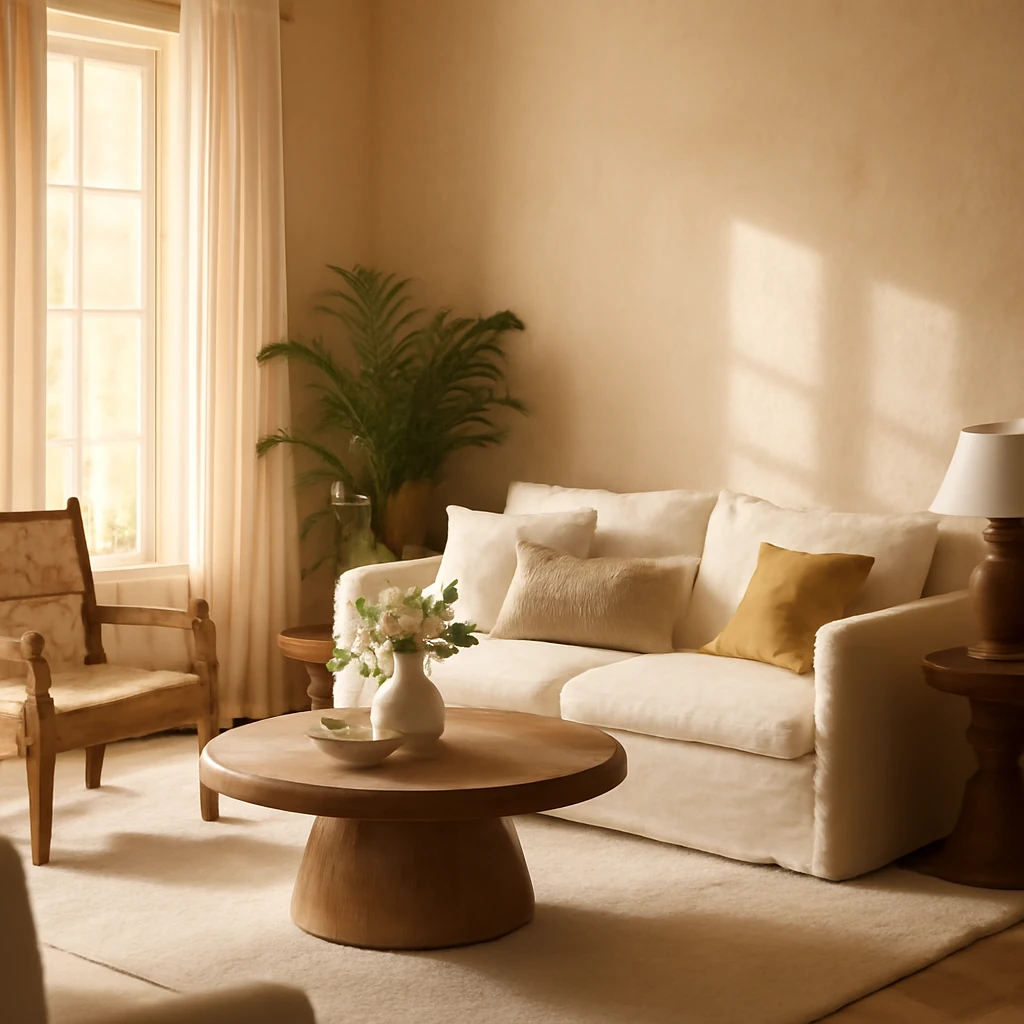
Introduction: durable walls for busy European homes
Across Europe, homes are lived in from dawn until dusk: children dash between rooms, pets roam freely, and daily routines demand surfaces that stand up to wear, cleaning, and the occasional accident. The goal is not merely aesthetics, but longevity. A well‑chosen wall covering can survive years of traffic, accidental scuffs, and the shifting moods of design, while still feeling fresh and contemporary. The right material should resist staining, respond well to cleaning regimes, and keep its colour and texture intact across seasons. In compact city flats, family homes with open plan living, or traditional houses with plaster walls, the approach to wall coverings is as much about function as it is about form. This guide presents eight robust options, each with its own character and ideal applications in a European context.
Anti‑vandal paint: practicality with a refined finish
Anti‑vandal paints offer a practical solution for high‑traffic zones such as entryways, hallways, kitchens, and children's rooms. They look like conventional emulsion or polyurethane finishes, but are formulated to resist scuffs, marks, and scrapes. Most products are water‑based and easy to clean with mild detergents, which makes maintenance straightforward for busy households. They often come in satin or semi‑gloss sheens that help the walls stay brighter and easier to wipe down without appearing overly reflective.
When using anti‑vandal finishes, consider a layered approach: apply a high‑quality primer to maximise adhesion on plaster or masonry, then seal with a protective topcoat for extra durability in wet zones or where marker residues are a concern. For spaces where subtle colour is desired, a soft, muted tone in a washable finish can deliver longevity without compromising warmth.
Decorative plaster: a timeless, resilient texture
Decorative plaster types - from silk‑effect to granular or polished finishes - are prized for their durability and rich depth. In European projects, they are used to create continuous, seamless walls that resist light impact and require minimal maintenance. A well‑applied decorative plaster can endure years of cleaning, while its tactile texture adds personality to living rooms, corridors, and bedrooms. The key is professional application and a finish suited to the room’s humidity level and expected knocks.
Design professionals often select a silk‑finish decorative plaster in high‑traffic zones where walls should not show every fingerprint or scuff. In addition to their durability, these plasters offer a refined aesthetic that can be adapted to a wide palette - from soft neutrals to deep, atmospheric colours. For spaces with pets or children, choose plasters with a slightly more forgiving texture and ensure the product is low in volatile organic compounds (VOCs) and suitable for use with standard cleaning products.
Non‑woven wallpapers: washable, repairable and versatile
Non‑woven wallpapers (often referred to as fabric‑backed or viscose‑free wallpapers) are sturdier than traditional paper options and stand up well to humidity and wear. They are particularly suitable for living rooms, bedrooms, and hallways where redecoration occurs infrequently but occasional refreshing is desired. One practical advantage is that many non‑woven wallpapers can be painted over, enabling a colour refresh without removing the wallpaper itself. To achieve a lasting result, ensure the wall surface is perfectly smooth and evenly prepared before hanging, as any imperfections can telegraph through the finish.
For European interiors, select non‑woven options with moisture resistance suitable for kitchens and bathrooms where appropriate, and consider finishes that are easy to clean. When repainting, follow the supplier’s guidance on primers and compatible topcoats to keep the colour vibrancy and the wallpaper’s integrity over time.
Cork wallpaper: natural warmth with acoustic benefits
Cork wallpaper is a natural, sustainable choice that brings warmth and subtle texture to living spaces. Cork’s cellular structure provides natural insulation and sound dampening, making it ideal for open‑plan layouts or rooms adjacent to shared walls. It also resists abrasion and can be cleaned with careful damp wiping. While cork is highly durable, it is not universally suited to every damp area, avoid bathrooms with direct water exposure unless the cork is specifically rated for moisture resistance.
In European homes, cork wallpapers frequently feature in living rooms and bedrooms where a cosy, organic ambience is valued. They pair well with light wood furniture, soft textiles, and muted colour palettes. When selecting cork wallpaper, check the thickness and finish, and ensure the backing and adhesive are compatible with the room’s humidity and cleaning routine. With proper care, cork wallpaper ages gracefully, developing a warm patina that suits contemporary or rustic interiors alike.
Decorative brick: texture without the footprint of real brick
Brick effects offer instant character, whether you prefer a rugged loft vibe or a refined Nordic aesthetic. In European contexts, decorative brick can be achieved via brick slips, lightweight panels, or brick‑pattern plaster finishes. Real brick is heavy and demands structural consideration, decorative alternatives provide the same mood with far less weight and installation complexity. The variety of finishes - from smooth, pale bricks to weathered, dark urban bricks - allows designers to tailor the texture and colour to the overall scheme.
For small or mid‑size apartments, a brick‑effect plaster or panel system can create focal walls with the visual punch of brick without compromising floor area. Additionally, decorative brick can be used strategically to delineate zones within open plans, such as a dining alcove or a media wall. If the design intent is to mimic industrial chic while maintaining warmth and acoustic comfort, combine brick with textured plaster or timber panels to achieve a balanced palette.
Ceramic tile: the gold standard for moisture and wear
Ceramic tile is a perennial favourite in bathrooms, kitchens, and utility spaces across Europe. It is exceptionally durable, chemically resistant, and easy to clean. Glazed tiles come in a wide range of colours, patterns, and textures, from classic subway formats to stone‑look finishes. Unglazed or textured tiles offer slip resistance for wet zones, while large formats reduce the number of grout joints, resulting in a more streamlined appearance and easier maintenance.
For interiors beyond bathrooms, consider porcelain tiles with minimal grout lines as an alternative to paint or wallpaper in high‑traffic areas. Tiles can also be used on feature walls in living spaces for a sophisticated, durable backdrop. When planning tiling projects, take into account substrate preparation, moisture barriers where required, and appropriate grouting products that resist mould growth in humid environments.
MDF panels: durable warmth with flexible design
MDF panels, veneered or laminated to imitate wood, stone, or leather, offer a robust solution for interior walls. They are particularly well suited to homes with children or pets, as their smooth, wipeable surfaces resist stains and readily accept routine cleaning. MDF panels can be mounted as wall linings, run from floor to ceiling, or used to create decorative features such as a wainscot or a paneled feature wall.
Because MDF is an engineered product, it performs best in controlled environments where moisture exposure is limited. In kitchens or bathrooms, use moisture‑resistant MDF variants and seal edges to prevent swelling. The aesthetic versatility of MDF panels makes them compatible with a wide range of schemes - from contemporary high‑gloss to warm, textured finishes that mimic natural materials.
3D panels: sculptural texture with easy maintenance
3D panels bring a sculptural dimension to walls, offering depth and shadow that can transform a room with minimal effort. They can be made from glass, wood, gypsum, or compliant composites, and are prized for concealing wall imperfections while providing a contemporary statement. Installation is generally straightforward, and some options allow for targeted replacement of damaged sections without redoing entire walls. In spaces with good acoustic planning, 3D panels can contribute to sound diffusion, particularly in open living areas or studios.
When selecting 3D panels, consider the room’s humidity and exposure to cleaning agents. Choose materials with proven durability and compatibility with the chosen finish to avoid warping or fading over time. A cohesive design approach - balancing the panel geometry with furniture scale and ceiling height - will ensure the feature remains timeless rather than gimmicky.
Practical guidance: choosing and planning for durability
- Assess room function and humidity: bathrooms, kitchens, and entryways demand higher moisture and wear resistance. In living rooms and bedrooms, priorities may include mood, texture, and warmth, paired with easy maintenance.
- Prepare substrates properly: smooth, clean, and primed walls extend the life of any finish. Repair cracks, fill holes, and ensure consistent plaster or masonry surfaces before applying coverings.
- Think about maintenance and VOCs: opt for finishes with low VOC content and finishes that respond well to your regular cleaning regime. Abrasive cleaners or harsh solvents can degrade some surfaces over time.
- Plan for future updates: some coverings, like decorative plasters or wall panels, may be refreshed with repainting or panel replacement. Others, such as tiling, may require more extensive work but offer unmatched durability.
- Consider aesthetics and light: textures and colours interact with natural and artificial light differently. Lighter tones can brighten spaces, textured surfaces add depth but may show dust more readily in brighter rooms.
- Sustainability matters: look for materials with low environmental impact, responsibly sourced components, and suppliers who provide clear environmental data and warranties.
Project planning: a practical checklist for European homes
- Define zones and traffic patterns to determine suitable wall coverings for each space.
- Survey the underlying walls - plaster, masonry, or timber framing - and decide on compatible finishes and installation methods.
- Draft a palette that harmonises with flooring, cabinetry, and soft furnishings. Consider how textiles and lighting will interact with wall textures.
- Estimate maintenance needs and access for periodic cleaning or refreshes, particularly in kitchens and family rooms.
- Consult with a professional for installation specifics, especially for complicated substrates, such as irregular plaster or curved walls.
Maintenance and longevity: keeping surfaces looking fresh
Durable wall coverings are not maintenance‑free, but most are designed to withstand typical European living conditions with minimal intervention. Regular dusting, gentle cleaning with non‑abrasive products, and prompt attention to spills help preserve colour and texture. For painted surfaces, use solutions recommended by the manufacturer, and test in an inconspicuous area before applying across larger surfaces. For tile and MDF panels, wipe regularly and reseal or re‑grout as needed to maintain appearance and performance.
Design language and practical elegance
Durable wall coverings enable designers and homeowners to express personality while respecting the realities of daily life. A carefully chosen material can define zones, set the tone for the room, and contribute to acoustics, warmth, and light management. In contemporary European homes, the most successful schemes balance function with aesthetics: anti‑vandal paints in high‑traffic corridors paired with a tactile plaster in a cosy lounge, cork walls in a sleeping sanctuary for warmth and quiet, a brick‑effect feature wall in a modern dining area to inject character without overwhelming the space.
Conclusion: eight robust options for enduring style
Durable wall coverings offer a practical path to long‑lasting interiors without compromising style. Whether you favour the hard‑wearing sheen of anti‑vandal paint, the nuanced texture of decorative plaster, the clean flexibility of non‑woven wallpapers, or the tactile drama of 3D panels, there is a European solution to suit every room, climate, and lifestyle. The key lies in understanding each material’s strengths, preparing surfaces thoroughly, and selecting finishes that align with both daily use and the desired design language. With careful planning, your walls can remain a source of beauty and resilience for years to come, supporting comfortable living and timeless interiors across diverse European contexts.
You may also like these articles
 Small Spaces
Playful contrasts and vintage accents in a 45.5 m2 European family home
Bold contrasts and vintage charm shape a smart 45.5 m2 European family home.
Interior Design
Interior Design for European Private Homes: Styles, Layouts and Tips
Timeless interior ideas for European private homes.
 Trends
Living Room Trends 2026: A European Guide to Calm, Texture and Hidden Tech
European living rooms in 2026 blend warmth, texture and discreet tech.