
Explore interior trends, AI design insights, styling guides and real transformations
Country-Style Interiors: Timeless European Charm for Rural Homes
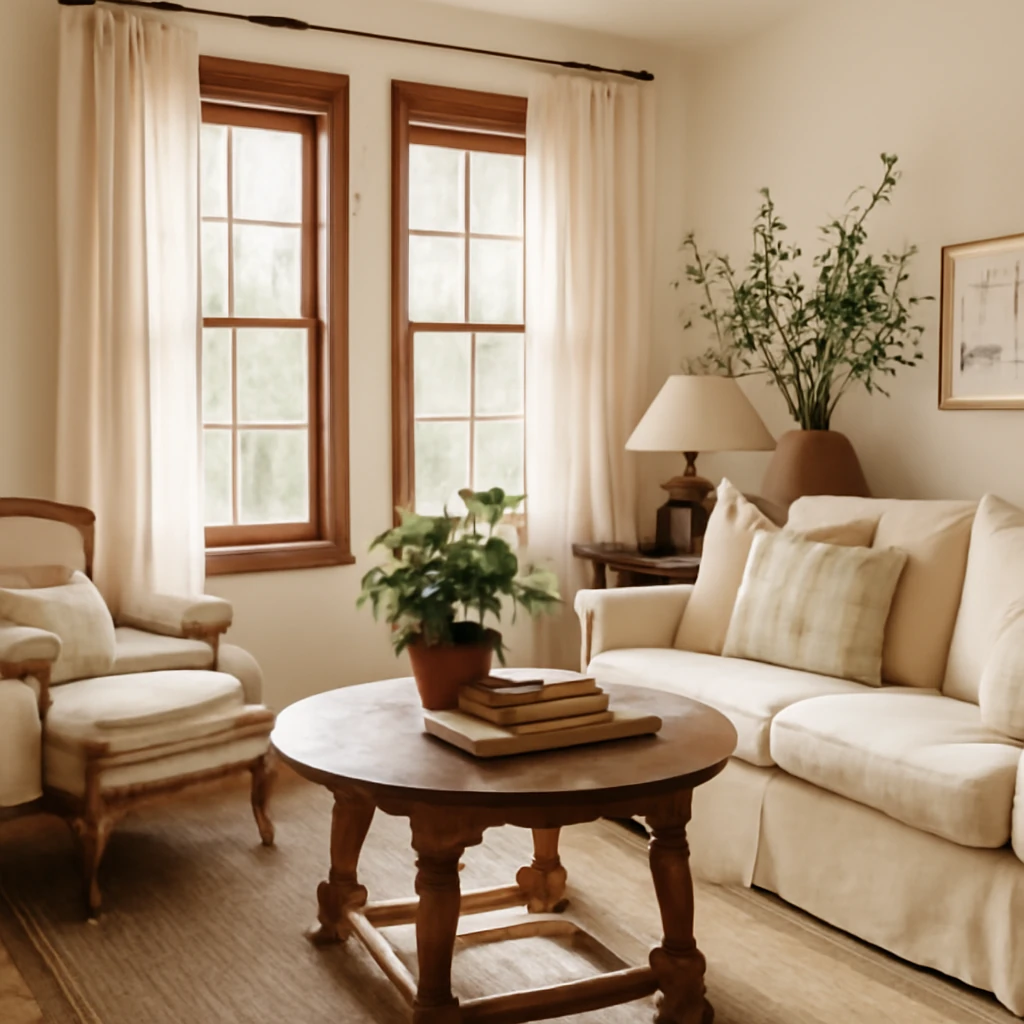
Country style interiors: timeless European charm for rural homes
Country-inspired interiors offer a warm, welcoming retreat from urban pace. Rooted in the natural world and crafted with hands-on techniques, this look emphasises comfort, authenticity and practical beauty. Across Europe, from cosy English cottages to sunlit Italian farmhouses, the country style adapts to local materials, climates and family rituals, while preserving a shared language of texture, colour and tactile mix. The aim is a space that feels lived-in, durable and full of subtle character - a home that invites you to slow down, gather, and linger.
Key characteristics of country style
Although regional flavours vary, several traits unite European country interiors:
- Natural materials: timber, stone, fired clay, ceramic, linen, wool and terra cotta form the backbone of the aesthetics. Modern methods coexist with traditional craftsmanship, but the emphasis remains on authenticity and warmth.
- Earthy, nature-inspired palette: colours drawn from soil, foliage and sky - muted greens, soft browns, warm ochres, dusty neutrals and restrained terracotta tones. No room for loud, neon accents, the palette aims to feel grounded and cohesive.
- Simple, graceful forms: clean lines with rustic, handmade nuance. Furniture and décor are practical, comfortable and durable, favouring gentle curves and honest construction over showy detailing.
- Practicality in every detail: adaptable layouts, ample storage, surfaces that ease daily life, and a sense of order that still feels relaxed.
- Natural light with considered lighting: daylight is valued, supplemented by warm, intimate artificial lighting that enhances texture and shadow.
- Fire as a centrepiece: a functioning fireplace or a similar source of heat anchors the room and reinforces the sense of home.
- Contrast of rugged and delicate: robust structural elements (exposed beams, brickwork, ironwork) paired with soft textiles, handmade ceramics and fine embroidery.
Where to use country style
In Europe, country interiors flourish in rural and semi-rural homes - cottages, farmhouses, chalets and countryside townhouses. The approach tends to unify spaces so that kitchen, dining and living areas serve as a single, multi-functional room in many open-plan layouts. In urban settings, the look often suits a single living space, a kitchen-diner or a bedroom that embraces a compact, tactile atmosphere rather than an expansive, highly formal arrangement.
In new-builds, the style can be adapted by selecting materials and finishes that mimic traditional character: warm timber floors, plaster walls with subtle texture, and ceilings with exposed beams. In renovations of period properties, the goal is to celebrate authentic architectural details while ensuring modern comfort and energy performance.
Materials that define the look
Materiality is the language of country interiors. The emphasis is on substances that age gracefully and are easy to maintain in daily life.
Walls and ceilings
Walls frequently feature limewash, plaster, or textured paint that echoes traditional European interiors. Natural or earth-toned wallpapers with restrained patterns (such as checks or botanicals) can work if kept subtle. Wood cladding or paneling brings warmth, while brick or exposed masonry provides a robust backdrop that enhances other textures.
Ceilings often celebrate traditional construction - timber joists or beams left exposed, sometimes painted white to brighten the space. In restoration projects, preserving original ceiling details is highly desirable, but in new builds, a modern interpretation with light-coloured plaster can achieve harmony with rustic elements.
Floors
Wood flooring is a cornerstone - wide-plank oak or ash with a natural or lightly brushed finish is common. Stone or terracotta tile floors also feature prominently in country kitchens and living areas, offering durability and a tactile sense of place. In kitchens or entrances where practicality is paramount, natural stone or stamped concrete can provide a robust, timeless base.
Kitchen and storage surfaces
Kitchens in the country style prioritise rugged practicality and organisation. Worktops in natural stone or cleft timber, open wooden shelving, and sink cavities integrated into timber or stone bases are typical. Cupboards often feature plain, unglazed finishes or soft glaze, with metal handles that are sturdy and unobtrusive. A pantry or open shelves for crockery and textiles reinforces the lived-in feel.
Fireplaces and heating
If a fireplace isn’t feasible, a modern, energy-efficient stove or wood-burning insert can provide both warmth and atmosphere. Surrounds in stone or brick with a simple mantel celebrate the centre of the room without dominating the space.
Colour and finish
The colour rule mirrors the natural world: stay grounded and cohesive. Limit the palette to three main hues per room, with lighter neutrals serving as the backdrop and deeper accents drawn from flora, soil and sky.
Palette ideas include: warm sand or cream walls with olive, sage or muted moss greens, terracotta or clay tones for a touch of warmth, and accents in charcoal or dusky blue for depth. Never rely on loud, synthetic tones, instead, use colour through textiles, pottery, ceramics and soft furnishings.
Finishes favour a tactile, imperfect beauty - brushed woods, hand-glazed ceramics, natural fibres, and fabrics that reveal the weave and texture. Oxidised metals, copper, bronze and wrought iron bring character to hardware and light fittings without shouting for attention.
Lighting the countryside living spaces
Lighting in European country interiors should feel generous yet intimate. The aim is to echo daylight by day and soften as evening falls. Think warm, amber-toned bulbs, fabric lampshades, and fixtures with an artisanal feel rather than glossy, mass-produced pieces.
Consider a layered approach: overhead lighting for general use, wall sconces near seating for reading, and table or floor lamps to create pockets of warmth. Lanterns, candlesticks and lantern-inspired fixtures in wrought iron or copper are timeless choices that reinforce the rustic mood.
Furniture philosophy: sturdy, simple and well-loved
Country interiors celebrate furniture built to last and aged through use. The preference is for solid timber pieces with straightforward silhouettes and honest details. Look for the following:
- Tables and seating: substantial oak or pine tables, farmhouse tables in natural finishes, extended dining surfaces with visible joinery, and chairs that prioritise comfort and durability.
- Storage and textiles: chests, blankets boxes, baskets woven from natural fibres, and open shelving for curated collections of pottery and linen textiles.
- Soft furnishings: handwoven throws, knitted or crochet textiles, patchwork quilts, and a mix of linen and wool fabrics that develop a patina with age.
New pieces should feel like they belong. The intention is not antiquing for its own sake, but achieving a sense of history through proportion, material, and texture. For a cohesive look, blend vintage or antique items with contemporary pieces that respect the same scale and mood.
Decor and accessories: handmade warmth
Decor in country interiors leans towards handmade, artisan-made objects and natural materials. Avoid overly polished or glossy items, instead, embrace imperfections that tell a story. Consider the following categories:
- Knitted and woven textiles: blankets, curtains, cushion covers and table linens with visible textures.
- Terra-cotta and ceramic pottery: jugs, bowls and decorative plates with hand-applied glazes.
- Rugs and baskets: long-pile carpets, textured runners and woven baskets for fruit or dried flowers.
- Floral and botanical accents: pressed or dried arrangements, nature-inspired prints, and botanical embroidery.
- Wooden crates, boxes and suitcases repurposed for storage or display.
- Wall accents: handmade panels, simple frames with family photographs, and textiles used as wall hangings.
When selecting accessories, aim for a curated collection that feels intentionally arranged rather than cluttered. Each piece should contribute to the warmth and story of the room.
Regional flavours: country styles across Europe
Country style is not a single monolith, it absorbs regional identities while preserving a shared sensibility. Here are common European expressions of the look:
English country
Characterised by cosy layers of textiles, botanical prints, and a refined rusticity. Think painted furniture, floral fabrics, chintz, and a calm, orderly ambience. Pared-back colour schemes with accents in deep greens, reds and warm yellows create a welcoming drawing room or kitchen-diner.
American farmhouse
Robust timber, oversized tables and a fireplace as a focal point. Leather and natural hides, large-scale lighting, and cured timber details are typical. The mood is practical, generous, and comfortable, with an emphasis on family gatherings and durable surfaces.
Italian countryside
Rustic elegance with a sense of light and air. Stone walls, terracotta tiles, warm timber, arched openings, and decorative ceramic panels appear alongside soft textiles and colourful, sun-washed accents. The palette leans toward sun-baked neutrals with vibrant, hand-painted details.
German country
Often linear and orderly with a strong emphasis on timber framing and craftsmanship. Dried botanicals, sturdy furniture, and a preference for matte finishes reflect a practical, enduring sensibility.
French provincial
Vibrant yet refined, with delicate fabrics, soft florals, light-painted woodwork, and generous upholstery. While robust in character, this variant embraces patina, subtle gilding, and a lighter, more romantic atmosphere.
Scandinavian-inspired country
Incorporates the simplicity and light of Nordic design with a rustic twist. Expect pale woods, white-washed walls, natural textiles, and restrained colour, but with added warmth from tactile textiles and handmade objects that soften the space.
Country interiors by room
Each room presents its own balance of comfort and practicality while maintaining an overarching rustic charm.
Kitchen
The kitchen is the heart of the home: warm materials, inviting surfaces and ample space for family life. Use solid woods for cupboards and a durable worktop such as stone or seasoned timber. A stone or brick splashback can add texture while remaining easy to clean. Consider open shelving for everyday crockery to reinforce a lived-in, accessible feel. The floor should be sturdy underfoot, with stone, quarry tile or wide-plank timber that develops a patina over time. Add small, colourful touches through ceramics, jars, and textiles to avoid a clinical appearance.
Living room / sitting area
This is where family and friends gather, so comfort is key. Upholstery should be comfortable and durable, with muted tones that harmonise with the walls and floor. Introduce texture with cushions, throws and curtains in natural fibres. A fireplace or wood-burning stove anchors the space, while a mix of antique and contemporary lighting provides warmth and depth. Keep surfaces relatively uncluttered to allow the textures of wood, stone and fabric to shine.
Dining space
Dining areas benefit from a substantial table in wood, paired with chairs that are comfortable and well-constructed. Sideboards or dressers in a simple, utilitarian style can be used for storage and display, while woven baskets and ceramics on open shelves reinforce the rustic aesthetic.
Bedroom
In the bedroom, aim for a calm, restorative mood. Use a solid wood bed with a sturdy headboard, complemented by simple nightstands and soft textiles. Walls may be kept light with a warm undertone, or feature a single accent wall in a gentle colour. Layer textiles - quilts, knitted throws and linen sheets - to create horzontal texture and visual warmth. A stone or timber floor with a soft rug underfoot keeps the space cosy even in cooler months.
Bathroom
Country style bathrooms often rely on natural finishes: stone or ceramic tiles, timber vanities, brass or copper taps, and porcelain fixtures with classic shapes. Prioritise practicality: good storage, a robust countertop, and durable materials that age gracefully. Subtle decor such as ceramic containers, hand towels, and woven baskets completes the look without feeling busy.
Practical guidance for implementing country style
Bringing this look into a European home requires a careful balance between tradition and contemporary comfort. Here are practical steps to guide a successful transformation:
- Audit the space: identify structural features you wish to highlight (exposed beams, stone walls, brick fireplaces) and plan how to integrate them with modern conveniences.
- Start with the basics: select a warm flooring material and a restrained wall colour as anchors. Add furniture with honest joinery and sturdy silhouettes.
- Embrace texture progressively: layer textiles in natural fibres, introduce ceramics and baskets, and avoid over-accessorising. The aim is depth, not clutter.
- Texture through light: choose warm lighting and position fixtures to create soft pools of light that reveal materials without glare.
- Store thoughtfully: incorporate open shelving for everyday items and closed storage for a tidy appearance. The best country spaces feel organised and lived-in.
- Respect scale: ensure furniture proportions relate well to room size. In smaller rooms, pick a few strong pieces rather than a full set, in larger rooms, two or three substantial items can define the space.
- Curate a colour story: limit the palette per room to three core colours, then choose textures and patterns to carry the story across textiles and accessories.
- Invest in timeless pieces: prioritise quality over trendiness. A well-made timber table, a classic cabinet, or a sturdy chair will develop character over decades.
Shopping and sourcing: how to achieve authenticity
European country interiors often involve a mix of new, purpose-built pieces and carefully sourced vintage or antique items. When shopping, look for:
- Timber goods with visible grain, traditional joinery and minimal finish to preserve natural character.
- Stone and ceramic items with hand-applied glazes or patina that tells a story.
- Textiles in natural fibres like linen, cotton, wool and wool blends with subtle patterns or textures.
- Lighting that features wrought iron, brass or copper with a weathered or handmade appearance.
- Storage pieces such as chests, dressers and baskets that combine practicality with aesthetic warmth.
Remember that the appeal lies in a well-edited collection of objects rather than a crowded display. The best country spaces feel curated and comfortable, not museum-like.
Maintenance and longevity
Country interiors thrive on materials that age gracefully. Regular care keeps finishes intact and textures from diminishing. Wood floors respond well to gentle cleaning and occasional re-oiling or refinishing. Clay and ceramic pieces benefit from careful cleaning to prevent damage to glazes. Fabrics should be chosen for durability and ease of cleaning, and textiles can be refreshed over time to keep the space feeling current without losing its character.
Conclusion: a living philosophy for European homes
Whether in a remote hillside cottage, a riverside village house, or a compact city apartment adapted for country living, the country style offers a philosophy - warmth through natural materials, a sense of history through handcrafted objects, and comfort achieved through thoughtful simplicity. By blending regional nuances with universal principles of texture, colour and durability, you can create a home that feels uniquely yours while remaining firmly rooted in the European countryside tradition.
You may also like these articles
 Colour & Materials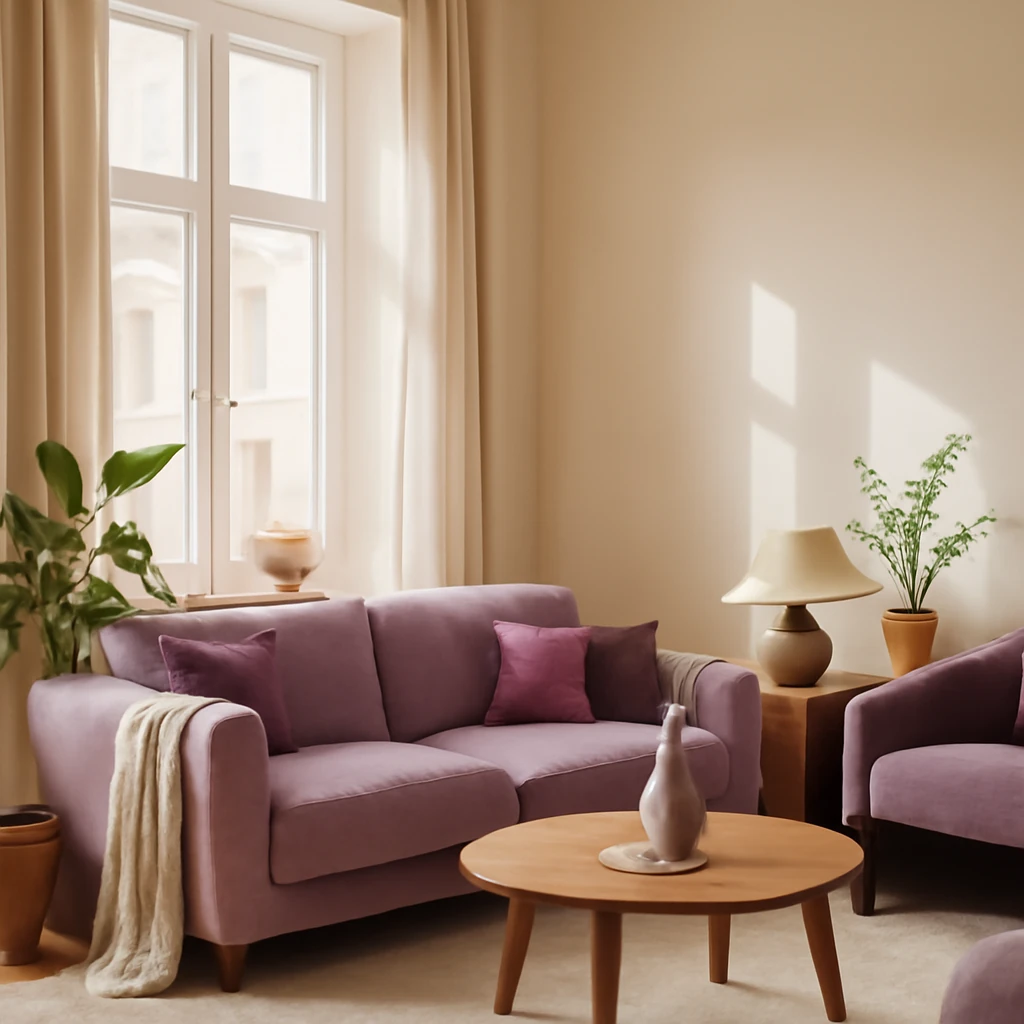
Purple as a Palette: Crafting Regal, Calm and Creative Interiors Across Europe
Master purple interiors with balanced palettes, textures and light.
Bedroom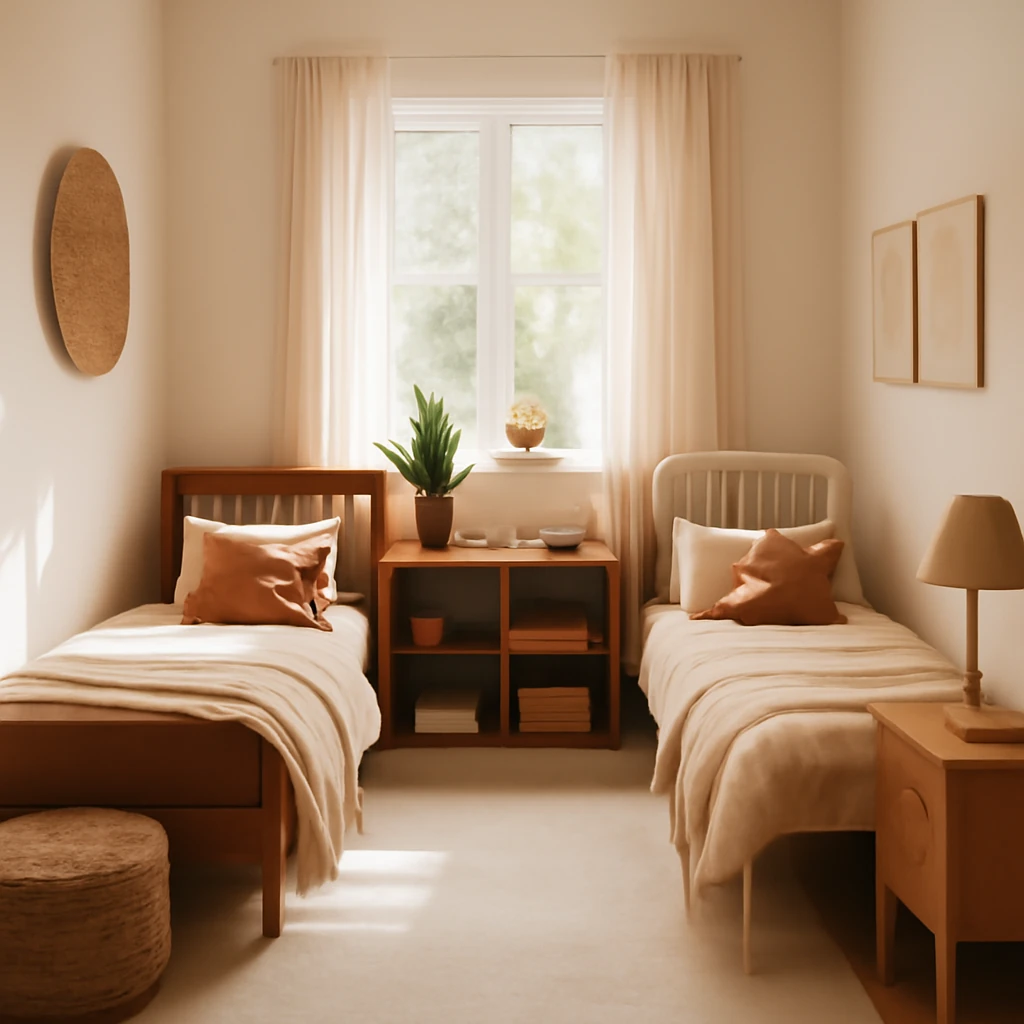
Designing a Shared Bedroom for a Boy and a Girl: Zoning, Colours and Flexible Layouts
Practical, stylish ideas for a dual-child bedroom that grows with them.
Kitchen Design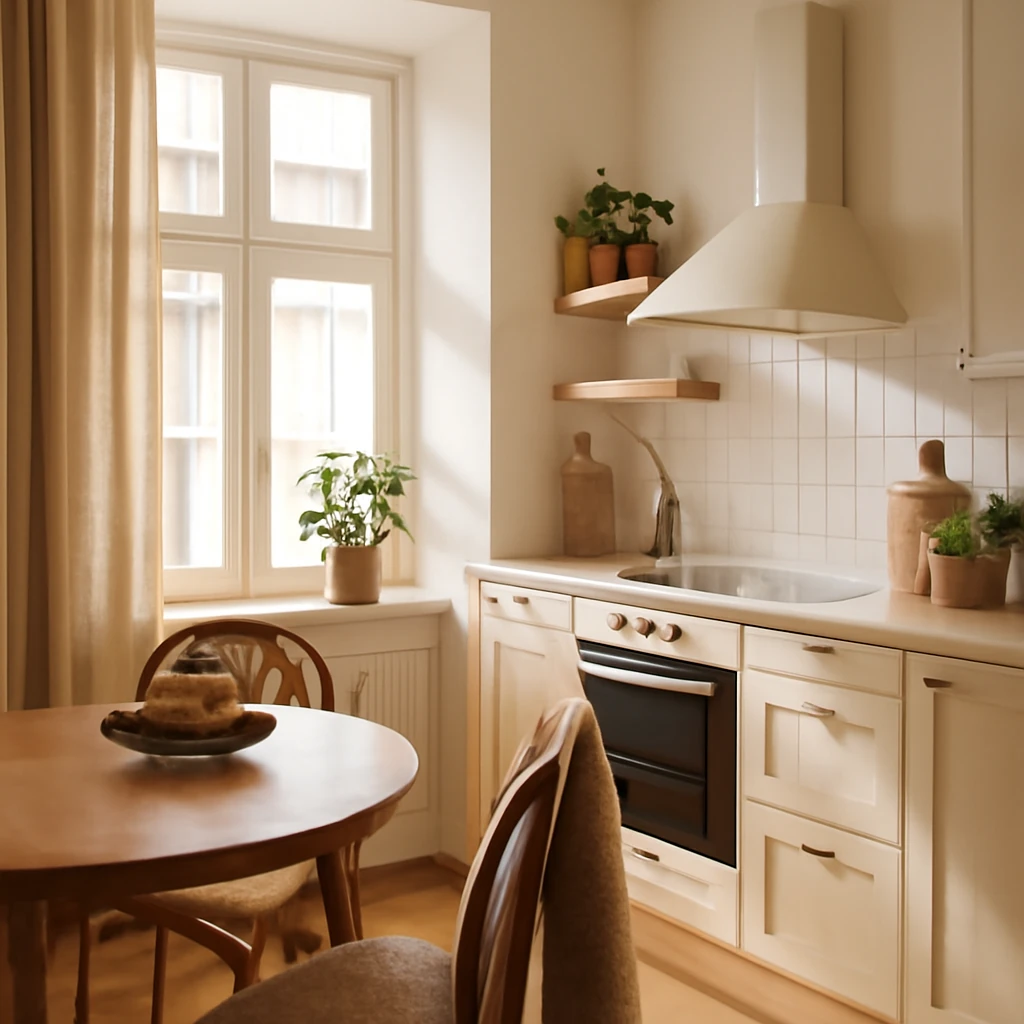
Five clever micro-makeovers for tiny European kitchens
Smart layouts, smart storage and bold palettes redefine micro-kitchens.