
Explore interior trends, AI design insights, styling guides and real transformations
Grey as the New Neutral: Mastering European Interiors with Colour and Texture
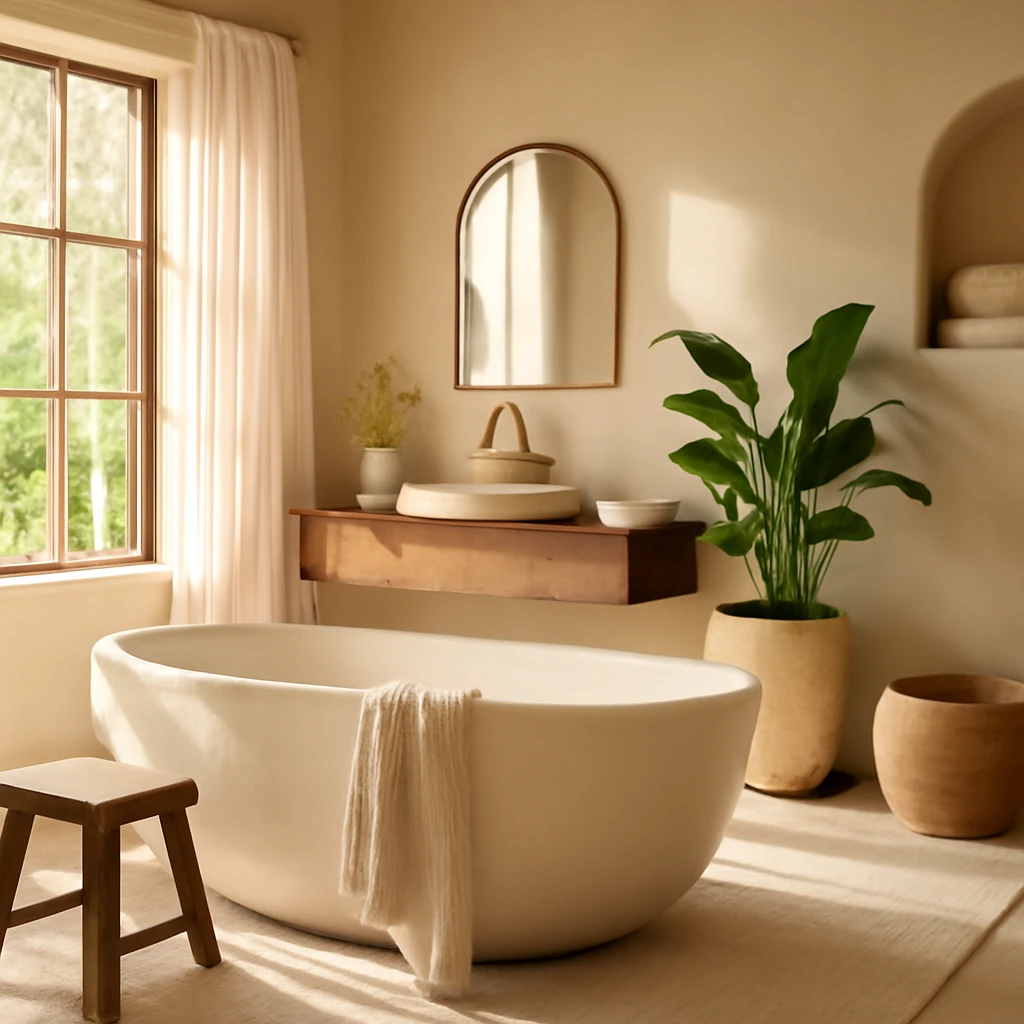
Grey has overtaken white and beige as the preferred neutral across European homes. Its secret: it tames bright tones and reveals muted hues, acting as a versatile backdrop for fabrics, finishes and architecture. From compact city apartments to light-filled family homes, grey adapts to scale, light and function. The right shade, the right textures and the right balance can transform a space, making it feel calm, contemporary and timeless all at once.
In practice, grey is not simply a colour on a swatch. It is a design tool that can set the mood of a room, influence perceived space and guide the way we use light. Warm greys can read as cosy, almost hospitable, cool greys feel crisp and refined. The beauty of grey is that its undertone emerges through the textures you choose, the materials you expose and the way daylight travels across walls and floors.
Features of Grey in Interiors
Grey is remarkably versatile. It can anchor bold colour schemes or stand as a quiet, monochromatic statement. It functions as a neutral backdrop for architectural details, statement textiles and tactile surfaces. In offices or work-focused spaces, grey supports concentration and reduces visual noise, while in living rooms it invites long, comfortable gatherings. In bedrooms, grey can feel serene and restorative, particularly when paired with natural materials and soft lighting.
The personality of grey is largely determined by its undertone: cool greys veer toward blue and steel, while warm greys tilt toward taupe or greige. Light reflectance also matters: lighter greys can make a compact room feel more open, whereas deeper charcoals create drama and intimacy. Equally important is the texture spectrum - velvets, linens, wools, and brushed woods bring warmth and tactility that soften even the most austere greys.
European homes often feature open-plan layouts that blend living, dining and kitchen zones. In such spaces, grey offers a consistent ground that makes transitions between zones feel deliberate and considered. For those designing in smaller urban flats, a restrained grey palette can maximise perceived space while maintaining a sense of character.
Grey colour pairings with other colours
A well-built colour palette starts with a base of grey and then introduces accents through carefully chosen partners. The beauty of grey is that its compatibility spans the spectrum - from pale whites to saturated primaries - and works across a wide range of textures and finishes. Below are common pairings that European designers frequently use, with practical guidance on how to apply them successfully.
Grey and Yellow
Yellow with grey brings warmth and optimism without overwhelming the senses. The trick is to keep yellow as an accent or a light wash rather than a dominant field colour. Pair pale lemons or saffron with warm greys to create spaces that feel sunlit even on overcast days. In a kitchen-dining area or a living room, use yellow textiles - cushions, throws, a vibrant rug - or a small architectural element such as a lamp canopy to energise the space. Deep mustard yellows can add boldness when used sparingly against a cool or mid-grey backdrop.
- Balance is key: aim for a 60/40 ratio in favour of grey when the space has limited natural light.
- Incorporate natural wood elements to ground the yellow against grey and prevent the palette from feeling clinical.
- Choose warm greys to harmonise with yellow rather than cool greys that can feel stark.
In contemporary homes, a soft yellow-green or a pale ochre can read as friendly and grounded when used with mid-tone greys. Textiles in these hues, paired with timber furniture, create a sophisticated, sun-kissed ambience suitable for living rooms and kitchens alike.
Grey and White
The classic grey-and-white pairing remains a reliable foundation for modern interiors. White walls or ceilings paired with a medium grey create an elegant, legible skeleton for a space. To avoid a sterile feel, introduce warmth through timber, soft textiles or subtle textures - woven fabrics, linen sheers, or a wool rug add depth. In kitchens and bathrooms, white cabinetry with grey stone worktops achieves a crisp, timeless look that adapts to evolving trends.
Consider softening pure white with off-white or creamy tones to prevent the scheme from feeling austere. White surfaces work particularly well in rooms with excellent natural light, where the grey can appear lighter and more luminous.
Grey and Blue
Grey in combination with blue evokes a spectrum from pale, airy skies to deep, moody sea hues. Light blues with pale greys create a calm, spa-like atmosphere ideal for bedrooms or bathrooms. For living spaces, a mid-grey paired with a denim or navy can be both sophisticated and contemporary. To keep the palette warm rather than cold, bring in natural materials such as light wood, stone, or warm metals, and keep textiles soft and tactile - think brushed cotton or bouclé upholstery.
A practical approach is to use blue as the dominant accent (for instance, a sofa or armchairs) with a subtle grey backdrop, enabling the colour to be the star without overpowering the room.
Grey and Pink
Grey and pink is a refined, modern pairing that suits bedrooms, bathrooms and calmer living spaces. Soft pastel pinks against a cooler grey can feel chic and romantic, while deeper rose or blush tones set a more luxurious mood when paired with darker greys. To avoid a candy-coloured effect, keep pink as a restrained accent and layer in texture - velvet, wool, or shearling - to add sophistication and warmth.
- Use pink in textiles or decorative accessories rather than large surfaces to maintain balance.
- Combine with metallic finishes (soft gold or brushed nickel) to elevate the look.
Grey and Green
Grey and green form a natural, restorative palette that resonates with biophilic design principles. Sage, olive or moss greens work beautifully with mid greys, producing a sense of tranquillity and freshness. The key is restraint: too much green can overwhelm a space, so limit it to accent pieces, upholstery or one feature wall, while keeping the majority of surfaces in grey tones. Natural textures - unvarnished wood, jute rugs, linen drapes - enhance the organic feel of the scheme.
- In living rooms or studies, a grey sofa with olive cushions and a wooden coffee table creates a calm, inviting zone.
- For bathrooms, consider greenish-grey wall tiles paired with white bathroom fittings and timber detailing for warmth.
Grey and Brown
Grey and brown evoke natural, earthy warmth. This pairing works particularly well in spaces that aim to feel grounded and comfortable. Use light to medium greys with natural wood tones - oak, ash or walnut - and consider a textured rug or a wool-blend upholstery to enrich the palette. In larger open-plan schemes, ensure there is visual contrast between surfaces to prevent the space from becoming flat. A brown-toned timber floor or a warm-toned wood veneer on cabinetry can anchor the scene and create instant warmth.
- In a family living area, balance cool grey walls with a warm wood floor and soft textiles in taupe or sand.
- In bedrooms, use a timber headboard or bedside tables to ground the grey and add tactility.
Grey and Red
Red on a neutral grey background becomes a high-impact combination. To avoid an overwhelming feel, use red as a selective accent rather than a dominant field colour. Toned-down reds - brick, terracotta, burgundy - offer energy without shouting. Pair with warm greys to maintain elegance and improve the sense of balance. In open-plan spaces, keep red accents local to a seating area or a small feature wall, complementing grey walls throughout the rest of the room.
- Reserve red for cushions, a chair, or a decorative vignette to avoid visual fatigue.
- Pair with brass or brushed metal hardware to enrich the palette with a sense of heritage.
Grey and Orange
Grey and orange form a confident, uplifting pairing. Like red, orange is best used as an accent against a grey field, with only a few elements required to create warmth and dynamism. In family rooms or kitchens, a warm orange accent can create a friendly, energetic atmosphere. To prevent excess brightness, balance with cooler greys and incorporate natural textures to soften the look.
- Limit the orange to a few pieces - an occasional chair, a throw, or a small coffee table - paired with a generous amount of grey.
- Use matte finishes for grey and a subtle satin finish for orange to reduce glare.
Grey colour in different interior styles
Grey can anchor a wide range of design languages, from minimalism to classical opulence. Understanding how grey behaves within a stylistic framework helps us plan spaces that feel intentional rather than generic.
Minimalism
In minimalist interiors, grey often forms the sole base for a restrained, monochrome palette. Cold greys can emphasise an austere, airy quality, while warmer greys add welcome softness. The aim is to achieve a clean, uncluttered environment where every texture is deliberate. Natural light plays a crucial role, abundant daylight will make even a dark grey feel sophisticated rather than heavy. Introduce warmth through carefully chosen textiles and greenery to avoid a sterility that can occur with too little colour variation.
- Choose furniture with simple silhouettes and pure lines to reinforce the minimalist ethos.
- Textures matter: a linen drape, a wool rug, or a boucle upholstery will subtly animate the space.
Modern
Modern interiors celebrate function and material honesty. Grey serves as a neutral stage for architectural elements, glazing, and statement lighting. A modern grey palette often leverages high-quality concrete-look finishes, steel, and veneered woods. The result is a space that feels quiet yet technically sophisticated. Use contrasting textures - matte concrete, satin metals, and tactile fabrics - to keep the palette vibrant rather than flat.
- Keep access to daylight high to prevent the room from feeling oppressive.
- Incorporate sculptural lighting and linear furniture to reinforce the contemporary mood.
Loft
Loft-inspired interiors embrace raw materials: brick, exposed concrete, metal, and timber. Grey is a natural fit within this palette, ranging from light, breathable grey to nearly charcoal tones. The trick is to balance the industrial edge with warmth: timber floors, leather seating, soft textiles, and carefully chosen warm lighting. This combination creates a space that feels lived-in and stylish rather than cold and industrial.
- Consider a palette that includes brick-red or copper-toned accents to add warmth against grey.
- Textured fabrics and natural wood soften the harshness of urban loft spaces.
Scandinavian
In Scandinavian design, grey often acts as a gentle backdrop to celebrate white walls, pale woods, and natural light. The emphasis is on comfort, simplicity and function. Greys with white and light wood create spaces that feel airy, calm and highly adaptable to changing lighting conditions. Add texture with wool throws, linen upholstery and wool blends to keep the space inviting.
- Avoid heavy draperies, opt for light, breathable fabrics to preserve brightness.
- Introduce green plants or dried botanicals to bring life to the cool palette.
Japandi
Japandi merges Japanese minimalism with Nordic warmth. Grey plays a central role as a serene, unobtrusive backdrop that highlights natural materials like stone, bamboo and solid wood. The palette tends toward muted greys with warm undertones, and lighting is soft and indirect. The goal is an uncluttered, harmonious environment where every element has a purpose.
- Combine a restrained grey wall with a solid wood dining table and low-profile seating.
- Use texture as a tactile signature - think tatami-inspired mats or woven fabrics with subtle sheen.
Classic
In classical interiors, grey serves as an elegant counterpoint to ornament, colour-rich fabrics and refined detailing. The palette can range from cool greys for walls to warm greys in soft furnishings. Gold or bronze accents, mouldings, and traditional wood furniture add gravity and polish. The key is balance: keep the decorative elements refined and proportional to the space, ensuring the grey remains a sophisticated backdrop rather than a boost of gloom.
- Pair grey walls with white or ivory trim and a touch of metallic detailing for depth.
- Include traditional textures such as damask or leather with restrained colour pops.
Materials and finishes for grey tones
The way we finish grey surfaces - on walls, floors, ceilings and furniture - has a profound impact on mood. The following materials are particularly effective in European interiors, offering a range of tactile experiences that complement grey.
- Concrete – A classic urban select that brings an industrial nuance. Polished or honed concrete can create luminous surfaces, especially when paired with light-coloured timber and soft textiles.
- Wood – Natural wood warms grey spaces and introduces organic texture. Choose light to mid-toned woods to keep spaces feeling friendly and approachable.
- Metal – Metals can be matte or polished. Matte finishes tend to ground the space, while brighter metals add a contemporary edge when used sparingly on hardware, frames or lighting.
- Textile – The soft side of grey. Velvet, wool, linen, bouclé and knitted fabrics create depth and comfort, counterbalancing any coolness in the paint or plaster.
- For layered schemes, combine a concrete or plaster wall with a wool rug, linen drapes and a timber furniture set to achieve balance and tactility.
- Scale and warmth matter: in larger rooms, introduce warmer textures to avoid an overly clinical feel.
Practical tips for choosing grey in European homes
- Test undertones in context – A colour swatch looks different on a page than on a wall. Test several tones in the actual lighting of your space, and compare at different times of day to understand how the undertone shifts with daylight and artificial light.
- Consider lighting and room size – In small spaces or darker climates, lighter greys can help reflection and brightness without washing out detail. In generous spaces with abundant light, deeper greys can add drama and a modern edge.
- Balance texture and scale – A monochromatic scheme can feel flat if textures aren’t layered. Introduce warmth through textiles, wood, stone and metal to create a multi-sensory experience.
- Plan the palette with intention – Decide which room will be the main stage for grey and which rooms will act as adjoined backdrops. Maintain coherence across zones in open-plan interiors by repeating a limited set of greys and material textures.
- Test light, not just paint – The same grey can feel different across rooms, consider ceiling colour, trim, and furniture finishes together rather than in isolation to ensure a harmonious result.
In conclusion
The grey palette offers extraordinary flexibility for European interiors. Whether you seek the crisp clarity of a modern office, the warm calm of a Scandinavian-inspired living room, or the refined elegance of a classic drawing room, grey can adapt to your project. The strength of grey lies not in a single shade but in its capacity to harmonise with materials, textures and light. By choosing the right undertone, balancing with complementary colours and textures, and aligning with the room’s purpose and scale, designers can craft spaces that are simultaneously serene and expressive. In a world of rapidly changing trends, grey endures as a timeless ally - supportive, sophisticated and endlessly adaptable.
You may also like these articles
 Outdoor & Terrace
Finishing the balcony: materials and ideas to create a stylish, practical extension
Turn your balcony into a stylish, durable extension with expert material guidance.
Furniture
Choosing a sofa bed for daily sleep: a European guide to comfort and practicality
A practical guide to selecting a daily-use sofa bed for European homes.
Small Spaces
From One Room to Two: Simple Zoning Techniques for European Homes
Transform a single room into two stylish, functional zones.