
Explore interior trends, AI design insights, styling guides and real transformations
Creating a Cohesive TV Zone for European Living Spaces
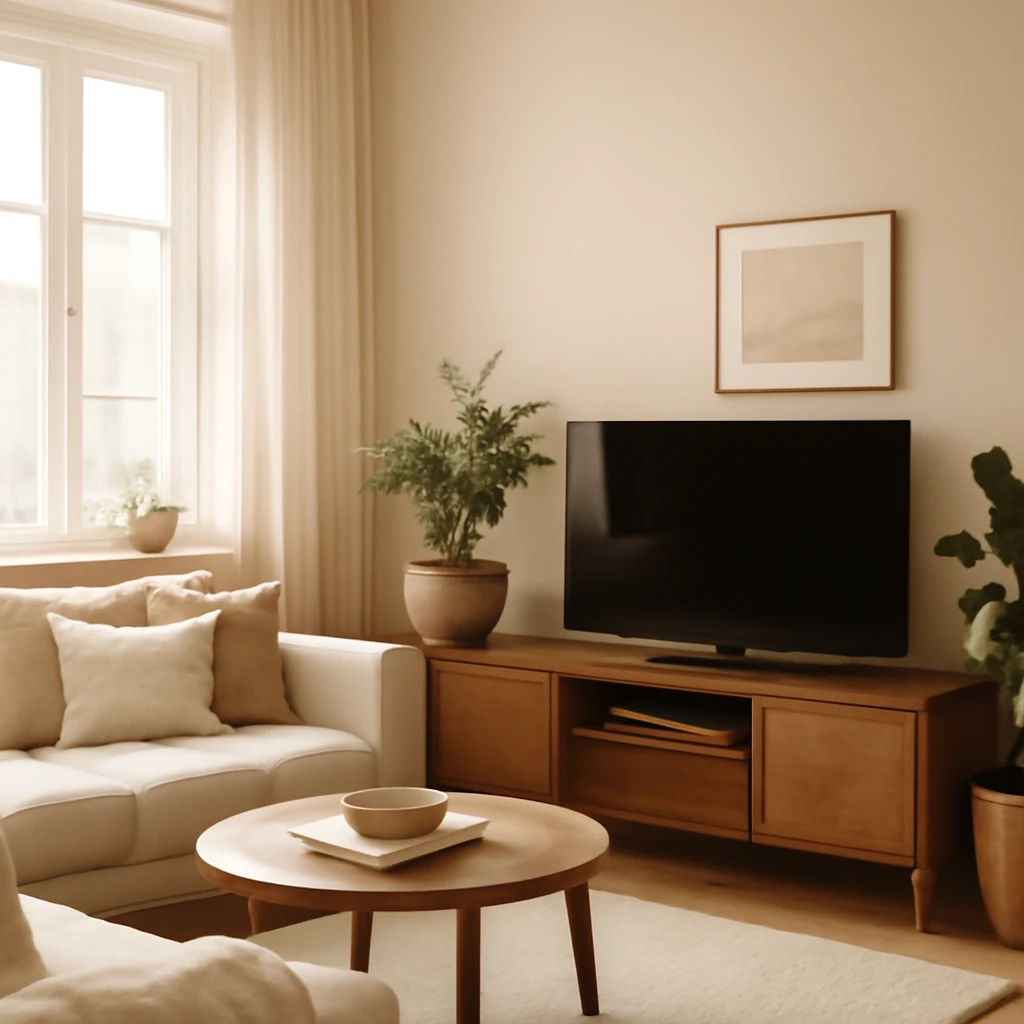
Why design a dedicated TV zone in European homes
In contemporary European interiors the television zone often acts as the visual and social hub of the living space. It is a focal point that anchors seating arrangements, invites conversation, and helps to unify architecture, light and material palettes. The goal is to craft a space where the TV sits naturally within the room’s design, rather than appearing as a separate, utilitarian box. A well-considered TV zone can enhance both aesthetics and everyday practicality, making media moments feel effortless and aesthetically confident.
Note: the guidance below reflects common European apartment layouts and urban homes, where open-plan living and compact multifunctional rooms are increasingly the norm.
Esthetic and practical functions of the TV zone
Esthetic function
A beautiful surround transforms the TV from a mere screen into a harmonious element of the interior. This can be achieved through a carefully chosen frame, a coordinated set of shelves, or decorative touches that echo the room’s style. When the TV is visually integrated with architecture, materials and colour, it becomes a seamless part of the space - whether in a minimalist loft, a cosy family apartment, or a contemporary urban home.
Consider a wall or panel that extends beyond the screen, using textures such as matte plaster, wood veneer, or soft fabric. A neutral backdrop with subtle contrast helps the TV blend with furniture and artwork. For bold interiors, the TV zone can be highlighted with a colour or material shift - provided the change remains cohesive with the rest of the scheme.
Practical function
Beyond looks, the TV zone must work well in daily life. This means assessing viewing height, distance from seating, lighting, and storage. A well-planned zone should accommodate remotes, streaming devices, consoles and media in a tidy, accessible way. Rooms with open-plan layouts may benefit from discreet storage solutions that keep cables hidden while preserving the room’s clarity and balance.
- Viewing height and distance – aim for the bottom edge of the screen at or just below seated eye level, and consider distance from the sofa or chairs. For typical living rooms, a screen size of 50–65 inches often suits a viewing distance of roughly 2.5–3.5 metres, though decisions will depend on room proportions and personal comfort.
- Storage and accessibility – provide space for remotes, streaming devices, consoles, discs and decorative items. Choose furniture that fits the screen size and leaves room for cables to disappear neatly.
- Lighting and glare – position the TV away from direct daylight and strong glare. Use layered lighting (ambient, task and accent) and consider dimmable sources to reduce screen washout in the evenings.
Placement of the TV in different rooms
Every space has its own characteristics, which should guide the design of the TV zone. European homes vary from compact city apartments to larger family residences, but the same principles apply: the zone should be comfortable, coherent with the room’s palette, and flexible for different activities.
Note: these guidelines refer to typical open-plan living areas, bedrooms and kitchens common in European housing.
TV in the living room
In the living room, the TV is usually positioned opposite the main seating. Gone are the days when a fixed wall unit dominated the space, today, modular storage systems and dedicated media furniture offer more flexibility. A wall-mounted screen can be paired with a low console or a shallow freestanding media wall that continues the room’s lines, texture and colour.
Modular systems are especially versatile: elements such as a media console, a closed cabinet, a low shelf and even a work desk can be combined to hold devices and decoration while keeping cables out of sight. If the room is long and narrow, consider a vertical arrangement where the screen sits on a tall, slender panel that helps define zones without crowding the floor.
When choosing a TV stand or wall panel, aim for balance with other furniture. The TV should relate to the scale of the sofa, coffee table and storage units. For example, a 55–65 inch screen in a living room with an expansive sofa may benefit from a wider media base to visually anchor the screen, while a compact sofa in a smaller apartment can be paired with a streamlined wall panel to preserve openness.
Tip: a floating panel or wall-mounted storage can visually lighten the space while providing containment for devices and remotes. The key is to maintain clean lines and a cohesive language across the room.
Compact, breathable modular solutions
A modular TV zone offers the greatest flexibility for European interiors, where layouts change or rooms are reconfigured. Modular systems can be scaled up or down, allowing you to customise with closed storage, open shelves, lighting coves and a mix of textures. The goal is a harmonious composition where electronics feel purposefully placed rather than randomly tucked away.
TV zones without heavy furniture
For smaller living rooms, consider a slim wall panel with a mounted screen and a couple of floating shelves. This reduces visual weight while still providing storage options and a canvas for art or sculpture. In open-plan spaces, align the TV panel with a ceiling line or a continuous run of cabinetry to reinforce a sense of order.
TV in the bedroom
In bedrooms the screen is often mounted opposite the bed, but many designers place it slightly higher than in living rooms. This accommodates viewing from lying down and ensures the screen does not overwhelm the room when the bed is dressed with textiles and lighting. A height from floor to the bottom edge of the TV of around 1.15–1.25 metres is a common starting point, adjusted for bed height and how you sit to watch.
In bedroom schemes, combine the TV with a storage unit that can double as a dresser or chest of drawers. Choose a finish that echoes the bed furniture or a soft contrast that creates a calm, retreat-like atmosphere. If the space is small, a recessed niche or a slim, tall media panel can hide cables and devices while maintaining a serene surface area for lamps, books or a decorative vase.
TV in the kitchen
In European homes, kitchens are increasingly used as social hubs where people dine, chat and watch meals being prepared. A TV in the kitchen is usually placed within sight of the dining area or along a run of upper and lower cabinets. The screen should be visible from the dining table and from the cooking zone, but not so dominant that it distracts from work tasks.
Options include an integrated screen within the cabinetry, a wall-mounted unit above a counter, or a compact console that continues the line of the kitchen island. A practical approach is to align the TV height with eye level when seated at the dining chair, or slightly lower when standing at the worktop. Remember to consider ventilation, heat from the hob, and easy access to power outlets and data connections.
In bright kitchens, anti-glare finishes and careful lighting design are essential. Dimming wall sconces or ceiling fixtures that illuminate the space without reflections on the screen will improve viewing comfort during meals or cooking breaks.
Non-standard placements: from fireplace to rails
Beyond conventional mounting, there are creative ways to position the TV that can become design features in their own right. These approaches work well in European interiors with character architecture, such as fireplaces, niches or partitions that define zones within open plans.
Above a fireplace – mounting the TV above a fireplace is a longstanding motif. It can create a dramatic focal point, but the key is to ensure the fireplace is not excessively tall or wide, so the screen remains comfortable to view. If the fireplace is a real flame source, consider thermal protection and ensure adequate clearance for heat-sensitive devices.
“A well-balanced TV zone above a fireplace can unify living space and create a cinematic focal point, provided warmth and glare are managed.”
- Above a decorative or real fireplace, ensure ventilation and accessibility to media storage without obstructing the screen.
In a niche – recessed walls or built-in alcoves can frame the TV with a tidy, integrated look. A niche allows you to conceal the screen when not in use by using a concealed door or a flip-up panel. It also makes it easier to manage cables and to incorporate lighting around the perimeter for ambience.
On rails – a programmable, rotating wall panel or a screen mounted on a rail system can be aimed toward different seating areas or rooms. This is a sophisticated solution for open-plan apartments where you may want to watch from the living room or from a compact seating area in a neighbouring zone. The rail and mount must be robust, professionally installed, and sized to the screen for safe operation.
Without additional furniture – in narrow rooms or studios, a wall panel with a thin console or a pair of floating shelves can define the TV zone without visually dividing the space. A colour or texture contrast helps emphasise the zone without creating clutter.
Furniture and finishes for the TV zone
The furniture beneath or around the TV is as important as the screen itself. In European interiors, the trend is to blend technology with architecture through carefully chosen materials, dimensions and finishes that complement the room’s character. Consider the following approaches:
- Floating panels – a low, wall-mounted panel with integrated lighting creates a gentle stage for the television while keeping the floor area open. Such panels are ideal in rooms with limited depth, helping to maintain a breathable, calm feel.
- Wall-to-wall cabinetry – a continuous run of cabinetry can house media equipment, books and decorative objects. The seamless line strengthens the interior’s coherence and offers generous storage without crowding the room.
- Open-shelved systems – open shelves provide a place for adornment, books and plants while offering easy access to devices. Pair them with closed cupboards to hide cords and clutter.
- Finish coordination – match the TV furniture with the room’s timber tones, metal accents or textile hues. A harmonious palette ties the zone to the rest of the space and prevents the screen from looking out of place.
Storage and cable management
Effective cable management is essential in European homes where designers seek both order and ease of use. Plan for power outlets, HDMI cables and network connections to run behind walls or inside furniture. If in-wall wiring isn’t feasible, opt for cable channels that are discreetly painted to blend with the wall colour. Consider wireless streaming options to reduce cable clutter, while keeping essential connections for gaming consoles or set-top boxes accessible.
In smaller spaces, a compact media console that accommodates a compact sound system and a small media player can keep the surface calm and uncluttered. In larger spaces, consider a dedicated media wall with concealed compartments and a touch of lighting to highlight the objects on display.
Lighting the TV zone
Lighting plays a decisive role in the perception of a TV zone. Layered lighting - ambient, task and accent - helps mitigate glare, enhances colour fidelity on screen, and creates a more inviting atmosphere around screen time. For example, a dimmable ceiling light combined with wall washers or backlit shelving can provide a soft glow that frames the TV without reflections on the screen. Use warm to neutral colour temperatures (around 2700–3500 kelvin) for the most comfortable viewing experience in the evening.
Prevent reflections from windows by positioning seating and the TV away from direct light. If the room receives abundant daylight, consider shading strategies such as curtains, blinds or low-reflectance wall finishes. Subtle task lighting for reading and device setup balances the room and reduces the perception of screen brightness during viewing.
Planning your TV zone: a practical checklist
- Assess room proportions and seating arrangement. Decide whether the TV will be the centrepiece of a single seating group or part of a multi-zone living plan.
- Choose the mounting method first (wall-mounted, floating panel, or built-in niche) and then select furniture that complements the chosen setup.
- Determine screen size and viewing distance based on room size and typical seating. As a rough guide, 50–65 inch screens suit many European living rooms at around 2.5–3.5 metres distance, adjust for personal preference.
- Plan storage for devices, remotes, discs and cables. Prioritise concealed storage and cable management to maintain calm surfaces.
- Address lighting and glare. Include dimmable main lighting and ambient accents around the TV area to create a comfortable viewing environment.
- Consider future flexibility. If layouts change, modular or minimal systems are easier to reconfigure than fixed wall units.
- Ensure access to power and data connections. In-wall solutions are ideal, but professional installation is essential for safety and performance.
In practice: common European layouts and how to adapt
Open-plan living spaces are prevalent across many European cities, where the living room often shares space with the dining area and kitchen. In such environments, a TV zone can serve as a flexible anchor that defines zones without breaking the flow. For example, a low, unobtrusive media panel can run along the wall behind a sofa, while a dining area can be visually separated by a change in finish or by a freestanding screen. In larger homes, the TV wall might be a dedicated wall in a snug or family room that doubles as a media hub and a display area for objects you love.
When space is at a premium, the devices can be tucked into a slim console with a lid or behind doors, leaving only the screen visible when in use. In more expansive spaces, you can afford to create a dedicated media wall with integrated lighting and shelving that reads as a complex architectural feature rather than a simple box.
In all scenarios, consistency matters. The TV zone should share the room’s overall architectural language - materials, colour, proportions and finishes - so it reads as a purposeful part of the design rather than a mismatch. Think about how the zone will feel at night, with soft light and comfortable seating, as well as how it reads in daylight with natural textures and reflective surfaces balanced by matt finishes.
Key takeaways
- Any room can accommodate a TV zone, but it should integrate with the space’s purpose and scale.
- Furniture and storage should support the screen, not overshadow it. A mix of closed storage and open display works well.
- Viewing comfort matters: height, distance, glare control, and appropriate lighting are essential considerations.
Ultimately, a well-designed TV zone is about balance: it should be a place for media enjoyment that also contributes to the room’s beauty and calm. When planned with care, the TV becomes a natural, elegant element of European living spaces.
You may also like these articles
 Bathroom Design
Screening the Bath: Four Simple Screens for European Bathrooms
DIY bathtub screens: four practical European methods.
Kitchen Design
A European Guide to Country Kitchen Design: Warmth, Craft and Comfort
A comprehensive guide to European country kitchen design.
Colour & Materials
Bedroom Wallpapers 2025: Trends and Antitrends Across Europe
A European guide to 2025 bedroom wallpapers: trends, textures and antitrends.