
Explore interior trends, AI design insights, styling guides and real transformations
MDF wall panels: a modern, durable solution for European interiors
Introduction: MDF panels as a European design staple
In contemporary European interiors, wall finishes are more than a backdrop, they define mood, acoustics and maintenance routines. Medium density fibreboard (MDF) wall panels have surged in popularity as a flexible, affordable alternative to traditional materials. They offer a convincing imitation of timber, plaster or stone, paired with practical benefits such as swift installation, easy maintenance and enhanced moisture resistance in selective variants. From compact city flats to comfortable family homes and heritage renovations, MDF panels provide a clean, coherent canvas that designers can tailor to virtually any scheme. This article surveys why MDF wall panels have become a mainstream choice across Europe, how to select the right type, how to install them, and how to integrate them into rooms ranging from living spaces to bathrooms and entrances.
What MDF wall panels are and how they work
MDF wall panels are engineered boards made from wood fibres bonded with resin under heat and pressure. The result is a smooth, stable substrate that can be finished in a multitude of ways to resemble real wood, plaster, ceramics or textiles. The appeal lies in adaptability: panels can be thin or thick, plain or highly decorative, and their edges can be joined in a way that creates uninterrupted wall surfaces. European projects frequently employ MDF panels as a primary wall finish or as a decorative architectural layer that can conceal pipes, electrics or irregularities in older walls. When installed correctly, panels provide a consistent plane, echoing the calm, curated look that many modern homes seek.
The versatility extends beyond appearance. MDF panels are typically lighter than solid timber, which simplifies handling and installation, and many panels are manufactured with moisture resistance or veneered finishes suitable for kitchens, bathrooms or damp rooms. They can be cut to fit curved or irregular walls, allowing designers to explore softer shapes and ebbs in the room without compromising durability. Importantly, the material is compatible with a wide range of screw fixing systems, battens, or metal profiles, giving installers the flexibility to work with existing structures and services.
Key properties and why they matter
- Ecological and healthy profile. MDF panels are produced using natural wood fibres and adhering resins that meet stringent European standards. When sourced responsibly, they offer a low environmental impact compared with solid timber, while still delivering warmth and texture that colour and light can play with across the room.
- Strength and durability. Properly chosen thickness and format enable MDF panels to span wall areas with long life, resisting daily bumps and routine cleaning without warping or cracking.
- Moisture resistance and suitability for damp rooms. Versions with enhanced moisture resistance are appropriate for kitchens and bathrooms where humidity fluctuates. In these spaces, panels can act as a robust overlay to protect structural walls while keeping the room easy to maintain.
- Shape adaptability. The material can be moulded and curved by skilled craftsmen, enabling soft, sculptural walls and creative alcoves that would be challenging with rigid materials alone.
- Cost efficiency and value. MDF panels typically offer a favourable balance between cost, appearance and durability, often delivering a premium look without the expense of solid timber or high-end finishes.
- Maintenance simplicity. With a well finished surface, routine cleaning is straightforward and does not require specialised care, a gentle wipe down and occasional resealing preserves the appearance for years.
Pros and cons: what to expect
MDF wall panels bring a compelling mix of benefits and a few caveats. On the upside, the materials offer versatility in finish, ease of installation, and resilience when properly specified. The ability to imitate wood, stone or plaster makes them an attractive option for cost-conscious projects where a high-end look is required without the long lead times or maintenance of natural materials.
On the downside, a skilled installer is typically required to achieve flawless joints and dependable substrate preparation. Although many panels are robust, the outer superficial layer can be damaged if struck, scratched or misused in high traffic areas. To mitigate this, designers often choose veneers or laminated finishes with tougher top layers, and place panels in zones where they will receive less impact over time. In addition, while moisture resistant variants exist, panels installed in very wet locations should be specified with care and installed in compliance with local building codes.
Types of MDF wall panels you are likely to encounter
The breadth of MDF panel types allows designers to tailor textures, gloss levels and performance to each room. In European interiors you will commonly find the following variations, each with its own visual and practical language.
- Laminate panels. A thin decorative laminate bonded to the MDF core produces a low maintenance, subtle sheen or matte surface that remains colourfast and easy to wipe clean. Laminate panels can emulate timber grain, concrete or ceramic, offering a restrained yet refined wall statement suitable for living rooms and kitchens alike.
- Moisture resistant panels. Manufactured with enhanced resins and stabilisers, these panels are designed for bathrooms, kitchens or utility zones. They balance aesthetics with durability when humidity and temperature vary day to day.
- Veneered panels. A real wood veneer over MDF provides authentic texture and warmth with a more stable core. Veneered panels bring a natural feel to bedrooms and lounges while maintaining consistent sizing and installation performance.
- Gloss and high gloss panels. A laminated surface with a reflective finish can brighten darker spaces and create a sense of spaciousness. Gloss panels suit contemporary kitchens, bathrooms and hallways where light bounce and visual clarity are desirable.
- Painted panels. A smooth, uniform finish in any chosen colour, from soft pastels to bold statements, enabling colour coordination with furniture and textiles. Painted panels are particularly effective for feature walls or cohesive schemes across open-plan spaces.
- 3D and textured panels. Panels with three dimensional relief or pronounced textures offer a tactile dimension to walls. These are ideal for single focal walls or subtle backdrops in living rooms or bedrooms, where light and shadow play a key role in the design.
In practice, many European projects blend several types to achieve a layered, sophisticated look. A living area might feature a laminated main wall with a veneered or painted panel in a snug corner, while a moisture resistant variant covers a kitchen splashback or a bath wall. The result is a cohesive, well considered interior with depth and character.
Installation and preparation: how to fit MDF panels well
Installation plays a crucial role in achieving the intended appearance and durability. MDF panels can be fitted using two primary routes depending on the wall substrate and room function: a timber batten framework or a system of metal profiles. Each method has its merits, and the choice typically hinges on the existing wall, the required fire and acoustic performance, and the available workmanship.
- Timber batten method. This traditional approach uses a timber frame fixed to the wall, with panels then attached to the battens. It offers excellent flexibility for accommodating uneven surfaces, allows for concealed wiring or plumbing behind the panel plane, and facilitates a robust, long-term installation. Careful attention to fixing points and expansion gaps helps prevent warping and ensures clean joints.
- Metal profile method. A lightweight, precise system of perforated metal rails and horizontal supports provides a fast and clean installation. This method is particularly suited to new buildings, spaces with strict floor level tolerances, or projects requiring rapid turnover. Panels are connected with hidden or bevelled joints to create a seamless wall surface.
Beyond the substructure, the installation sequence typically involves surface preparation, alignment checks for level and plumb, and careful joint detailing. Some panels feature interlocking edges or tongue and groove joints that improve continuity and reduce visible seams. For rooms with high moisture or frequent cleaning, installers may seal the panel edges and joints with compatible sealants to enhance longevity and performance.
One of the practical advantages of MDF panels is their ability to cover imperfect walls. In renovation projects within older European buildings, panels can conceal minor deviations, plaster damage or cable routes behind a finished surface, delivering a sharp, modern aesthetic without a messy or time-consuming renovation of the underlying wall.
Maintenance, care and longevity
Once installed, MDF panels are relatively low maintenance when the finish is robust and moisture suited. The following routine keeps panels looking fresh for years in busy homes and workspaces.
- Cleaning. Use a soft cloth or microfiber duster for dry cleaning, followed by a light wipe with a damp cloth and a mild cleaning solution suitable for the surface type, then a dry cloth to remove moisture. Avoid abrasive pads that could scratch or dull the finish.
- Moisture management. In damp rooms, ensure proper ventilation and avoid excess water exposure. If a panel edge is exposed to moisture, dry promptly and inspect for any swelling or delamination.
- Protection. Use protective pads under heavy furniture or accessories in contact with panel surfaces to prevent dents and scratches. For painted or veneered faces, consider a top coat or sealant if heavy wear is anticipated.
- Repairs. If a panel surface is scratched, a professional may be able to repair or refinish the area without needing complete replacement, depending on the finish and panel type.
With appropriate care, MDF panels retain colour, texture and structural integrity for many years. The investment pays off as a durable, beautiful wall finish that adapts to changing design preferences over time.
Applications by room: how MDF panels suit European interiors
MDF panels open up design options across rooms, from highly functional kitchens and bathrooms to serene bedrooms and expansive living areas. Here is a practical guide to applying these panels in different environments.
Living room and open plan spaces
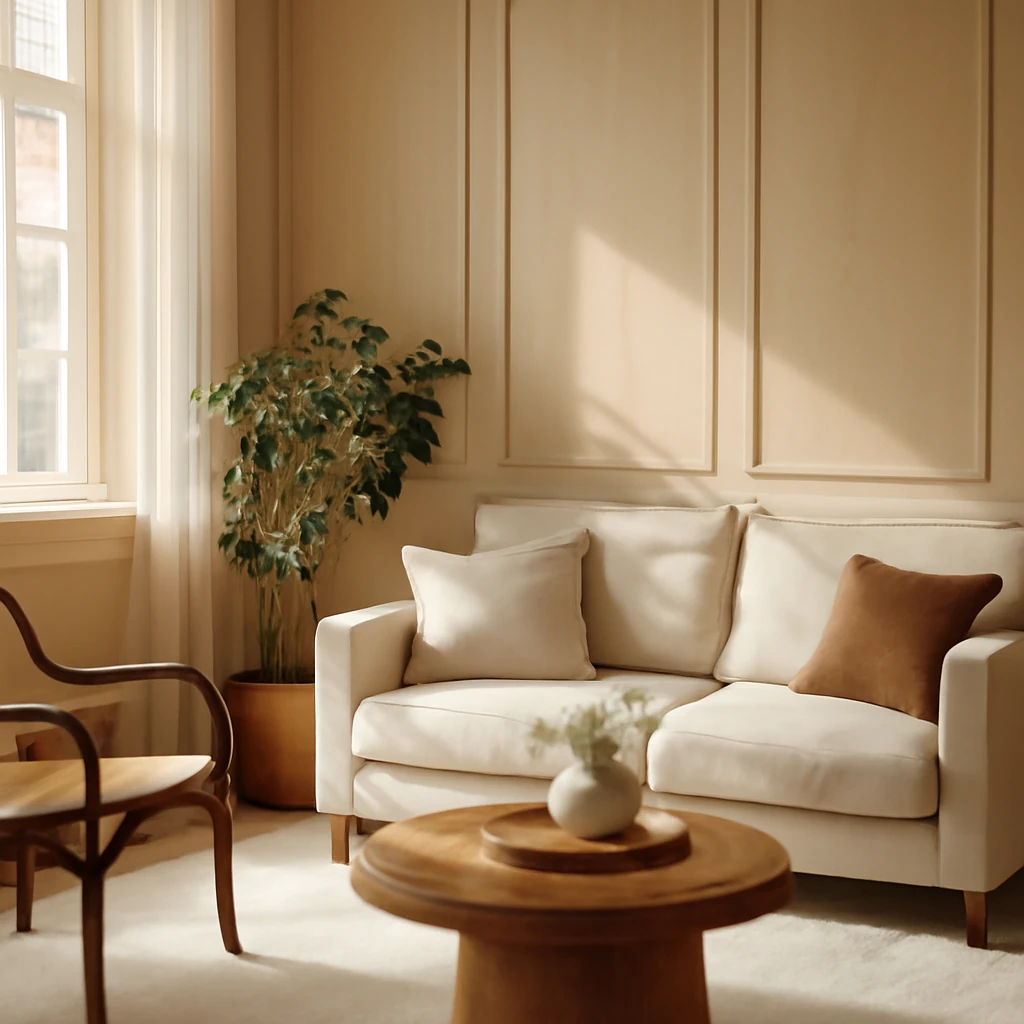
In living rooms, panels can run as a feature wall or wrap around a main seating area to create a cosy, intimate zone within a larger space. A single wall finished in a veneered or painted panel can act as a focal backdrop for furniture and lighting, while the remaining walls use a different finish for contrast. In open plan layouts, panels help define zones without the heaviness of full partitions, enabling a light, breathable atmosphere that reads as cohesive, not fragmented.
Light plays a decisive role. Lighter coloured or satin finish panels reflect natural daylight, helping to make interiors feel brighter and more expansive. In cooler climates, warm wood tones or colour matched panels can add instant warmth and tactile depth to the room.
Bedroom and dressing areas
Bedrooms benefit from panels that are aesthetically soothing and easy to maintain. A painted or veneered panel feature behind the bed can create a quiet, restful backdrop, while textured panels add subtle visual interest that remains soft in mood. Panels can also be used to enclose storage alcoves or to form decorative headboards without adding bulky furniture. In dressing areas, mirror backed or lacquered panels can amplify light and contribute to a sense of organisation and calm. Ensure the panel finish aligns with the room’s overall colour palette and the desired level of warmth or coolness.
Kitchen design and dining zones
The kitchen is a critical area for durability and hygiene. Laminated and moisture resistant MDF panels make reliable splashbacks and wall coverings in cooking zones, protecting structural walls and simplifying cleaning. A painted or colour matched panel can coordinate with cabinetry for a seamless kitchen identity. When panels are used as a backdrop to dining zones, their reflectivity and gloss level can contribute to the perceived scale of the room and the tone of the lighting scheme.
In modern European kitchens, it is common to combine panels with other materials such as ceramic tiles, glass backsplashes or Stone composite to achieve a layered, resilient effect that balances practicality with tactility.
Bathroom and utility spaces
Bathrooms and wet areas demand panels with high moisture resistance and robust surface finishes. Moisture resistant MDF panels are particularly suited to showers, wash zones or baths, where tiled finishes may be replaced with easier to maintain surfaces. A well sealed, properly installed panel can offer a warm, contemporary alternative to traditional tile while remaining simple to clean and maintain. Regardless of the choice, ensure that all joints are sealed to prevent moisture ingress and that surfaces are compatible with routine bathroom cleaners.
Utility spaces such as laundry rooms or flanking corridors can also benefit from panels that stand up to humidity and splashes while offering a cohesive aesthetic across adjacent zones.
Hallways and entrances
Entryways often endure high wear but benefit from a robust yet elegant wall finish. Panels in these spaces can be used to create a durable, wipeable surface that looks sophisticated and resists scuffs from frequent foot traffic. A darker or textured panel in the entrance can create a strong first impression while hiding marks and dust typical of high-traffic areas.
Home office and studies
In home offices, panels can define a calm, focused environment. A feature wall behind a desk, finished in a matte laminate or painted panel, can help anchor the space and reduce visual noise. Panels can also improve acoustics when used in combination with acoustic panels or textiles, contributing to a more comfortable working climate.
Design strategies: getting the most from MDF panels
To realise the best outcome, consider how panels interact with light, furniture, flooring and textiles. European design often embraces restrained palettes, combined with tactile finishes that invite touch and linger in the viewer’s eye. Here are practical strategies to guide panel selection and placement.
- Define a focal wall. Use a striking veneer or high gloss panel on a single wall to anchor a room. Keep surrounding walls simpler to let the focal wall shine without overwhelming the space.
- Vary texture and finish. Mix matte and satin finishes to create depth without introducing clutter. A subtle contrast between wall finishes can help define zones in open plan layouts.
- Align with architectural features. Correlate panel runs with architectural lines such as window reveals, door frames or staircase details to reinforce order and coherence across the space.
- Acoustic considerations. In open plan rooms or busy households, panels with sound absorbing properties can reduce echo and improve comfort, particularly in kitchens and living areas where activity and conversations occur simultaneously.
- Colour psychology and light. Lighter panels tend to brighten spaces and suit north facing interiors, while warmer timber tones can create intimate corners in darker rooms. Choose colours that harmonise with textiles, upholstery and rugs to build a unified mood.
- Maintenance and longevity. Plan for a long horizon by selecting finishes that resist wear and are easy to refresh. A painted or veneered finish can be refreshed with a light sand and new topcoat over time, extending the life of the wall system.
Regulatory and environmental considerations in Europe
Europe places emphasis on environmental responsibility and health in interior construction. When selecting MDF panels, look for products that meet recognised environmental schemes and offer clear documentation on sourcing and adhesives. Key considerations include:
- Sustainable sourcing. Prefer panels certified or accompanied by documentation indicating responsibly harvested wood fibres and chain of custody. This supports the environmental goals of homes across diverse European climates.
- Low VOC emissions. Adhesives and surface coatings should meet stringentVOC limits to minimise indoor air pollution, contributing to healthier living environments, especially in bedrooms and nurseries.
- Fire safety and performance. In accordance with local building codes, ensure that panels meet applicable fire performance standards for walls in both residential and commercial settings. Fire rated or compliant products provide additional safety margins in multi family housing or historic renovations.
- Finish and maintenance compliance. Select finishes that are compatible with frequent cleaning and damp conditions, particularly in kitchens and bathrooms, and confirm that maintenance products do not degrade the panel surface.
Working with a skilled, certified installer is essential to ensure that panels are correctly sized, properly joined and securely anchored to the substructure. The result should be a durable, elegant wall system that remains compliant with local regulations and continues to look refined for years to come.
Practical guidance for selecting MDF panels for a European project
Choosing the right MDF panels involves balancing aesthetic goals with functional requirements. Consider the following steps as you plan a project for a European home or workspace:
- Assess room conditions. Evaluate humidity, temperature variation and traffic levels. Kitchens and bathrooms demand moisture resistant and easy to clean panels, while living rooms and bedrooms may benefit from veneers or painted finishes for warmth and softness.
- Define design goals. Decide whether the aim is a calm backdrop or a statement wall. Your choice of surface, gloss level and texture should reflect the desired mood, whether it is serene, sophisticated or expressive.
- Choose a compatible system. Whether you opt for timber battens or metal profiles, ensure compatibility with the chosen panel type and the room’s wall substrate. A precise, well installed system pays dividends in the long term.
- Plan edge detailing. Seam appearances, joins and edge finishes contribute significantly to the perceived quality. Consider bevelled or tongue and groove joints for a seamless look, or tight butt joints for a modern, minimalist effect.
- Coordinate with lighting. Panels interact with natural and artificial light, think about how fixtures and window treatments will complement the panel surface. Gloss and lighter finishes can reflect light, while darker tones absorb it, shaping the room’s atmosphere.
Conclusion: MDF panels as a resilient, stylish choice for Europe
MDF wall panels offer a compelling blend of aesthetics, practicality and value for European interiors. They enable designers to realise both restrained minimalism and bold, tactile drama without the maintenance challenges of many traditional finishes. With careful material selection, correct installation and thoughtful integration into lighting and furnishings, MDF panels can elevate walls from mere background to a key element of the room’s character. As European homes continue to embrace flexible, durable finishes that align with sustainable practices, MDF wall panels stand out as a modern, intelligent solution for today and well into the future.
You may also like these articles
 Tips & How-To
Choosing the Right Duvet Size for European Bedrooms
Master duvet sizes for comfortable European sleep.
Interior Design
Bay Windows: Design Focal Points for European Homes
Turn bay windows into light-filled, flexible spaces with clever layouts.
Colour & Materials
Hallway Wallpaper 2026: Textures, Palette and Practical Chic for European Hallways
Discover 2026 hallway wallpaper trends—textures, colours and smart durable options.