
Explore interior trends, AI design insights, styling guides and real transformations
Self-levelling floors: a seamless canvas for modern European interiors
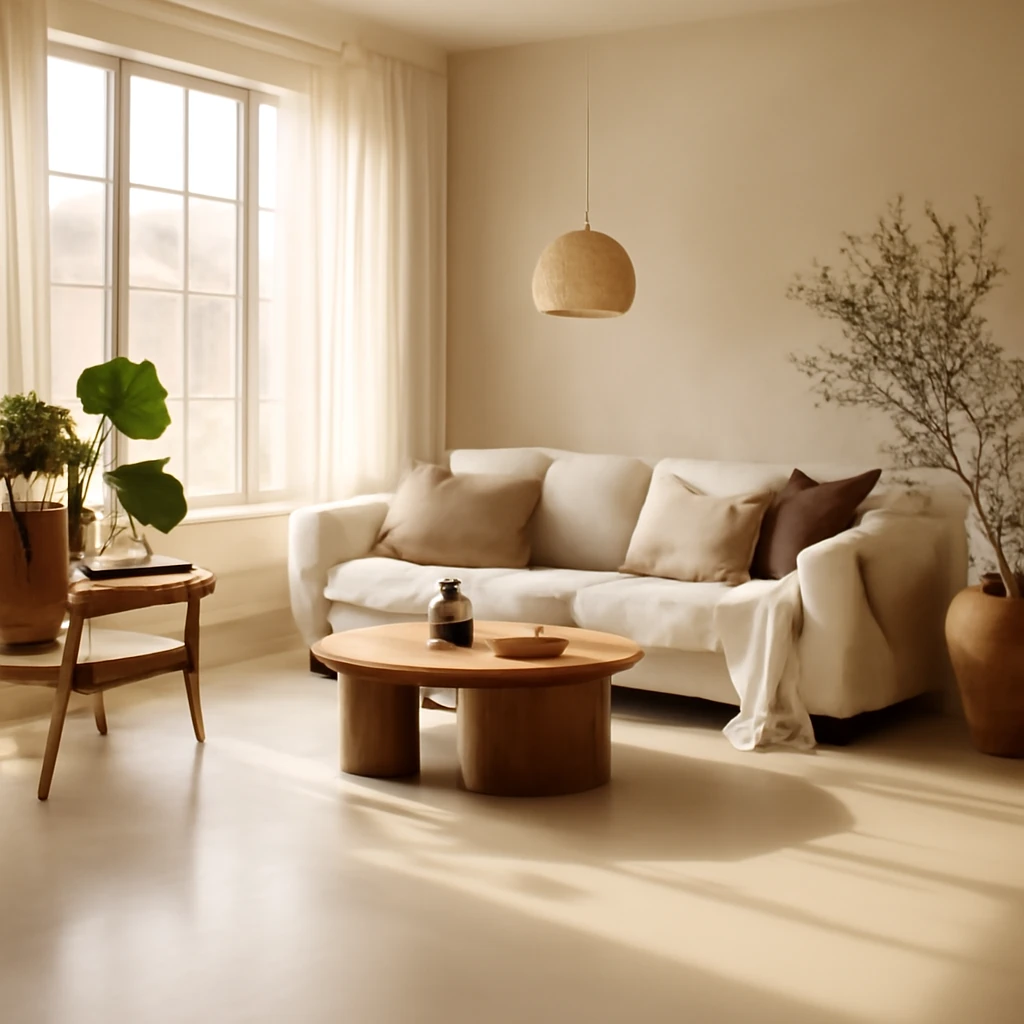
What are self-levelling floors and why they matter in European homes
Self-levelling floors have moved from specialised construction sites into contemporary living spaces across Europe. They are a liquid, cementitious or resin-based system that flows to create a perfectly level, seamless surface once cured. In practice, they serve as a robust base for a wide range of finishes - tiles, timber, stone-look laminates, even carpet - while presenting an exceptionally flat plane that enhances both aesthetics and comfort. For many European homes, where old substrates can be uneven due to historic construction methods, multi-storey layouts, or varied renovation histories, self-levelling floors offer a precise solution to achieve a single, homogeneous platform from wall to wall. They work particularly well in open-plan living spaces, kitchens with integrated appliances, and bathrooms where a single, uninterrupted surface promotes a sense of calm and continuity.
In today’s interiors, the choice of flooring is rarely about appearance alone. Performance, installation practicality and compatibility with other systems - such as underfloor heating and moisture barriers - are equally important. A well-chosen self-levelling floor can act as a stable canvas for technical perfection and refined design, reinforcing clean lines, subtle textures and uninterrupted light. The European market, with its mix of historic apartment layouts, modern lofts and timber-framed dwellings, benefits from a flooring option that can bridge disparate substrates and create cohesive interiors across different rooms and levels.
Advantages of self-levelling floors
-
1. Seamless, level surface
The defining advantage is a perfectly flat, continuous plane with no visible joints. The surface reads as a single, uninterrupted field, which is especially valuable in open-plan living spaces, galleries-like corridors, and bathrooms where a stepped transition would disrupt the visual flow. For designers, this is a crucial base that reduces the need for complex trim details and allows light to bounce evenly across surfaces.
-
2. Decorative potential
Beyond mere flatness, self-levelling systems unlock extensive decorative possibilities. They can imitate natural stones or handcrafted terrazzo, create subtle gradients, or host expressive patterns and abstract forms through pigment blends. In European contexts, this flexibility aligns with interior schemes ranging from restrained Nordic-influenced palettes to bold Mediterranean palettes, enabling a coherent finish across kitchens, living rooms and workspaces without relying on multiple materials for the same look.
-
3. Colour and finish variety
Modern self-levelling products come in a vast array of colours and finishes - from graphite greys to pale creams and deep blues. Matte, satin and low-gloss options can be selected to harmonise with furniture, textiles and wall finishes. The right tint can unify a scheme, while subtle veining or speckling can add depth without overwhelming the space. For careers spanning European climates, pigment stability is a consideration, palette choices with UV-stable pigments help maintain colour integrity over time.
-
4. Durability and wear resistance
Self-levelling floors are designed to withstand everyday life: foot traffic, furniture movement, and occasional impact. In residential settings they can last for many years, provided correct substrate preparation and professional installation. They perform well in high-traffic zones and, crucially for families and pet owners, they resist gouges and indentations when properly specified. This durability reduces maintenance concerns and helps preserve a room’s design integrity over time.
-
5. Easy maintenance
The monolithic nature of the surface means there are few joints to clean, making maintenance straightforward. Regular dusting and damp mopping with non-abrasive cleaners keep the finish looking pristine. For kitchens and bathrooms, this is particularly advantageous as it minimises bacteria-prone crevices and simplifies routine hygiene.
-
6. Moisture tolerance and practicality
Many self-levelling systems are formulated to resist moisture and are compatible with damp environments, provided the substrate is properly prepared and a suitable moisture barrier is used. This makes them suitable for kitchens and wet rooms where humidity and occasional spills are inevitable. When paired with high-quality waterproofing underlayments and finishes, the material can act as a robust, long-lasting solution in European homes with varied humidity levels.
-
7. Safety and non-toxicity
Upon curing, these floors are non-toxic and emit no strong odours, which is an important consideration for family homes, schools, and workplaces. Most products meet European safety standards for indoor air quality, provided they are installed by trained professionals and given adequate curing time.
-
8. Additional functional options
Some systems offer integrated features such as waterproof membranes, insulating layers, or enhanced fire resistance. These can be selected to meet specific project requirements and building regulations, adding a layer of resilience and safety to the finished floor.
-
9. Versatility as a base or sub-floor
Self-levelling layers can be used as the main finished surface or as a high-quality sub-floor that levels uneven substrates before a final finish is applied. In renovations across Europe, this adaptability is particularly valuable when joining spaces with different floor heights or when converting non-residential spaces into comfortable living areas.
Disadvantages and considerations
-
1. Temperature and comfort
Plain self-levelling surfaces are not inherently warm to touch. They feel cool underfoot, which some homeowners perceive as less comforting than wood or textile flooring. The common remedy is to pair the system with underfloor heating to provide comfortable warmth, creating a more inviting atmosphere without sacrificing the benefits of a seamless floor.
-
2. Perceived style and trend factors
In some circles, self-levelling floors can be associated with a utilitarian or “noughties” aesthetic. However, with careful colour choice, texture, and a thoughtful pairing with furniture, lighting and textiles, they can read as sophisticated, contemporary and even luxurious. Monochrome schemes, soft matt textures, and restrained veining help the surface blend into refined interiors rather than appearing clinical.
-
3. Lack of warmth in finishes
Glossy or ultra-slick surfaces may feel less cosy than timber or woven textures. This can be countered by selecting matte or satin finishes, integrating warm-toned undertones, and using soft furnishings to introduce tactile contrast and comfort within the space.
-
4. Cost and complexity
Quality self-levelling systems, installed professionally, come at a price. Material costs, substrate preparation, moisture testing, and curing times all add to the overall budget. In spaces with significant height differences or complex floor plans, the preparation work can be extensive, which further influences cost. Nevertheless, many European projects view this as a worthwhile investment for achieving durability and a flawless baseline for subsequent finishes.
-
5. Installation time and disruption
Self-levelling floors require careful preparation and a controlled curing process. This means downtime for the room and overnight security for curing. Planning around renovation timelines is essential to avoid clashes with other trades and to ensure best results. In some cases, temporary flooring or alternative routes for access may be required during construction.
-
6. UV sensitivity
Direct sunlight can gradually alter the tone of certain pigment systems. Selecting UV-stable formulations and applying appropriate window treatments helps preserve colour integrity in rooms with strong sun exposure, particularly in southern European climates where natural light is abundant.
Expert opinions: how professionals view self-levelling floors in Europe
To understand real-world usage, two European design professionals shared their perspectives on self-levelling floors as part of contemporary interiors. Their experiences span residential renovations, boutique commercial spaces and urban lofts, reflecting a European-wide practice that values precision, durability and cohesive aesthetics.
Professional A: Subflooring solution for flawless transitions
Professional A is a senior interior designer at a mid-sized renovation studio operating across several European cities. Their role often involves bringing together diverse substrates and achieving level transitions between spaces such as kitchens, living areas and bathrooms. They emphasise that a self-levelling layer is an excellent choice when the aim is to guarantee a level step-free threshold across multiple flooring finishes. When used as a subfloor, it can reduce variances to within a millimetre, which is particularly valuable in complex layouts where old concrete slabs, timber joists, or uneven screed would otherwise require multiple trades and extended finishing times. The designer notes that the system performs well beneath ceramics and large-format tiles, and it can be used behind underfloor heating to provide uniform heat distribution. They caution that substrate preparation remains critical: moisture testing, crack isolation, and a properly assessed cure time are essential to prevent deformation or de-bonding later on. In practice, this professional frequently recommends a self-levelling base when clients plan a high-end, cohesive scheme with long-term durability as a priority.
Professional B: Value, aesthetics, and pragmatic use in contemporary spaces
Professional B is a materials and sustainability consultant who collaborates on residential and small-scale commercial projects across Europe. Their view is that self-levelling floors offer excellent value for money when used with intention. They highlight the aesthetic flexibility - the ability to tailor the surface to a broad range of styles from minimalist Nordic to industrial loft, to luxury contemporary. The consultant notes that for many projects the material is a cost-effective way to achieve a premium look and performance, particularly when upgrading older spaces with irregular floors. They also emphasise the importance of finish choice: matte or satin textures, combined with warm undertones and natural-looking veining, can soften the effect and help the floor feel more welcoming. On the technical side, they stress selecting systems with proven moisture resistance and compatibility with underfloor heating, as well as choosing reputable installers who understand European building standards and warranty conditions. While acknowledging that the aesthetic might be perceived as understated by some, they argue that restraint can be a design virtue - Less is more, they suggest, especially in contemporary European interiors that prioritise clarity of lines and a calm atmosphere.
Practical guidance for European homeowners and designers
Implementation of self-levelling floors in European homes benefits from a structured approach. The following guidance reflects common practice across multiple countries, bearing in mind the diversity of building types - from city-centre apartments to renovated farmhouses - to help you plan effectively.
1) Assess the substrate and moisture conditions
Before any product choice, assess the existing subfloor. Concrete slabs, timber joists and screeds each present distinct challenges. In older European buildings, moisture management is critical, always perform a moisture test and, where necessary, install a barrier or a dedicated moisture-control layer. Substrates with a history of damp require additional preparation, such as surface priming and crack isolation, to prevent future de-bonding. If the space currently has radiant underfloor heating or plans to install it, select a self-levelling product specifically compatible with heated systems and ensure the installer accounts for this within the cure schedule.
2) Define the finishing strategy
Decide whether the self-levelling layer will be the finished surface or a base for another material. In many European renovations, the layer acts as a superior sub-floor for ceramic tiles or timber with a separately finished surface. If the self-levelling layer is to be the final floor, choose a finish with the desired texture and appearance - options include matte, satin, or slightly polished looks. Think about how the finish will feel underfoot, its warmth in winter, and how it will reflect light from windows and lamps. The finishing strategy should be integrated with wall colour, furniture tones and textile choices to create harmony across the space.
3) Plan for underfloor heating and insulation
Underfloor heating is a common feature in European homes, and self-levelling floors pair well with it when the system is designed and installed correctly. Ensure there is an appropriate insulation layer beneath the heating elements to maximise energy efficiency. Discuss with the installer how the floor level will be affected by heating cycles, and plan transitions between rooms to maintain a consistent floor height, reducing the risk of ridges or abrupt changes that disrupt the aesthetic.
4) Consider colour, texture and light
Colour choice should relate to the room’s light exposure and the desired mood. Lighter tones can brighten northern-facing spaces and make compact rooms feel more spacious, while mid-tones and darker hues can deepen a corner and anchor a furniture-heavy scheme. Textural decisions - such as matte finishes that minimise glare or subtle micro-texture to mimic natural materials - help ensure the floor feels warm and inviting, even in minimalist designs. Use veining or speckling sparingly to avoid overpowering the space, the floor should support, not dominate, the design.
5) Anticipate maintenance and durability needs
Choose products with proven durability for the expected life of the project. For homes with pets or children, select scratch-resistant formulations and consider seals or protective topcoats appropriate to the chosen finish. Regular cleaning routines should be established, using products that are compatible with the finish and do not compromise the protective layer. Plan for periodic checks by a professional to assess the condition of the surface and any potential micro-cracking or sealing issues, particularly in high-traffic areas.
6) Budgeting and timelines
Budget for both materials and skilled labour. While self-levelling floors can be cost-effective at scale, the price increases with the complexity of the substrate, the thickness required, and the number of rooms involved. A well-planned project should include contingency for curing times, delivery of materials, and potential downtime of spaces during installation. In European city apartments, coordinating with other trades - plastering, tiling, and carpentry - requires careful scheduling to minimise disruption and ensure a tidy finish.
7) Sustainability and warranties
Look for products with clear environmental credentials and a warranty that reflects the expected service life. European clients increasingly expect low-VOC formulations, responsibly sourced materials, and transparent lifecycle information. A reputable installer should provide guidance on warranty coverage, maintenance recommendations, and the longevity of the finish in relation to climate, usage patterns and floor coverings chosen for the top layer.
Integrating self-levelling floors with European interiors: practical designs
Across Europe, designers are integrating self-levelling floors into a wide range of styles. In urban lofts, a restrained, monochrome palette with a lightly textured matte finish can reinforce the industrial vibe while preserving a sense of warmth. In coastal or sun-drenched regions, pale, sun-bleached tones with soft veining echo natural light and create a serene backdrop for light timber furniture and light fabrics. In traditional or historic buildings, the floor can be used as a modern counterpoint to preserved architectural details, with the floor colour chosen to harmonise with stone, plaster, timber and brick elements. The trick is to treat the floor as a unifying layer rather than a separate feature, allowing the room’s furniture, lighting and artwork to be the primary drivers of character.
Practical tips for selecting products and installers
Choosing the right self-levelling system and a capable installer is essential for long-term performance. Here are practical considerations to guide your selection process in a European context.
-
Material compatibility
Confirm compatibility with the final finish and any underfloor heating system. Some products are designed exclusively for use beneath tiles, while others are suitable as a finished surface in its own right.
-
Adequate substrate preparation
Substrate preparation is not optional. Cracks, movement, and adhesion issues on the substrate can compromise the levelling layer. Choose a contractor who prioritises crack isolation, moisture barriers and proper priming.
-
Quality of pigments and sealers
In regions with intense sunlight, UV stability is important. Ask for pigments and topcoats with proven colour retention and choose finishes that suit the room’s light conditions.
-
Warranty and serviceability
Ensure the product comes with a formal warranty and that the installer provides post-installation guidance, including uplifting or refinishing paths if you plan to change the room’s use over time.
Living with self-levelling floors: care, upgrades and long-term planning
After installation, maintenance becomes part of your design strategy. The floor’s appearance will be influenced by daily cleaning habits, the choice of rugs or soft furnishings, and how you manage sunlight exposure. A self-levelling floor can be dressed with large-area rugs that define zones without interrupting the clean plane, while furniture with protective glides or felt pads helps preserve the surface over years of movement. For families with active children or pets, consider a durable, stain-resistant finish and a plan for refreshment of the surface if wear becomes noticeable in high-traffic zones.
Conclusion: embracing a modern, practical aesthetic
Self-levelling floors offer a versatile, durable and elegant solution for European interiors. They provide a seamless plane that supports a range of design languages, from minimalism to contemporary warmth, while delivering practical benefits such as easy maintenance and compatibility with modern systems like underfloor heating. While there are considerations around cost, installation, and the need for a careful substrate prepa ration, the long-term value - visual clarity, resilience and a unified base across multiple rooms - often justifies the investment. When planned thoughtfully, a self-levelling floor can act as a flexible foundation for future redesigns and functional updates, ensuring that the room’s personality comes from furniture, textiles and lighting, rather than the floor itself.
Key takeaways for European homes
- Plan early with a clear understanding of substrate, moisture, heating and finishing plans to avoid misalignment between trades and schedules.
- Choose the finish wisely to balance aesthetics with comfort, considering matte textures, colour stability and light reflection.
- Pair with heating if warmth is important, ensuring system compatibility and energy efficiency gains.
- Evaluate cost against long-term value focusing on durability, maintenance and the potential to unify varied spaces within a home.
- Work with experienced installers who understand European building standards, warranty expectations and local regulatory requirements.
You may also like these articles
 Kitchen Design
Backsplashes for White Kitchens: 18 European Inspirations
18 stylish ideas to elevate white kitchen backsplashes across Europe.
Furniture
Designing and Filling the Hallway Wardrobe for European Homes
Smart, spacious hallway storage ideas for European homes.
Small Spaces
The French sofa bed: a compact, adaptable solution for European living spaces
A compact sofa bed that folds into a practical guest bed for European homes.