
Explore interior trends, AI design insights, styling guides and real transformations
Interior Trends 2024–2025: A European perspective on finishes, layouts and ambience
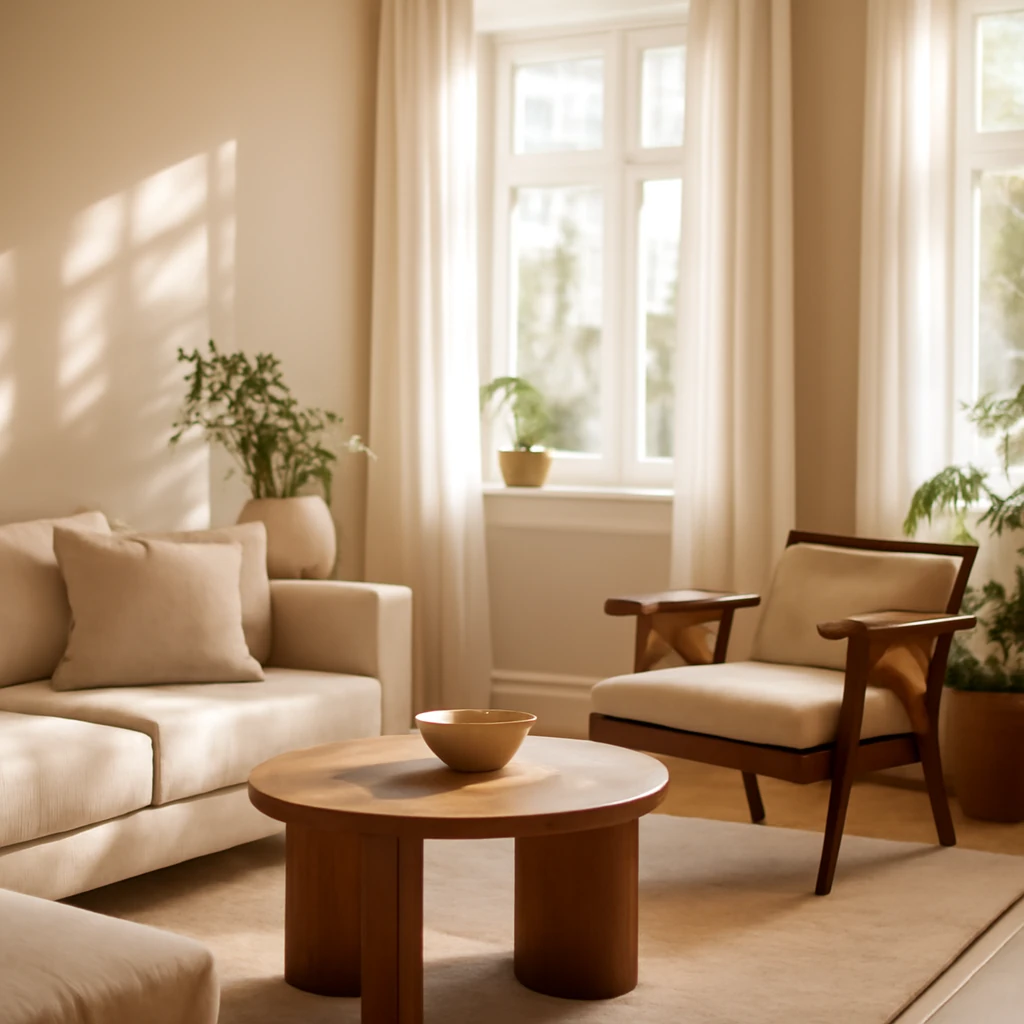
Introduction: European interiors in 2024–2025
Across Europe, interior design in 2024–2025 embraces a thoughtful balance of craft, comfort and contemporary technology. Movements in finishes, furniture and spatial planning reflect an ageing urban fabric, a growing demand for sustainable materials and a shift towards flexible, future‑proof homes. This period is characterised by tactile textures, well‑considered colour harmonies and increasingly personalised schemes that adapt to how people live, work and entertain in modern urban and suburban housing.
From compact city flats to generous family homes, designers are prioritising light, acoustics, storage efficiency and longevity. The European context - with its climate diversity, historic architectural layers and varied building stock - encourages a palette of adaptable ideas: materials that age gracefully, finishes that can be updated without a full renovation, and layouts that respond to changing routines. The following sections explore the most influential trends shaping kitchens, living rooms, bathrooms and bedrooms, along with wall coverings, colour stories and the role of colour forecasting for 2024–2025.
Kitchen trends 2024–2025
The kitchen remains the social hub of the home, yet its language is evolving. European kitchens are becoming more modular, more expressive and more durable, with finishes engineered for high traffic and daily use. The convergence of practicality and aesthetics is driving design choices that prioritise storage, worktop resilience and timeless character.
Combined finishes for kitchen backsplashes
Ambitious backdrops that mix materials are now common - keramic or porcelain slabs that mimic natural marble, combined with ceramic tile, enamel or glass panels, and even metallic or mirrored accents. The result is a layered, easy‑to‑clean surface that can evolve with trends. Practically, designers suggest pairing durable, low‑maintenance stones with subtle textures, so the kitchen remains stylish without demanding frequent re‑tiling.
Two‑tone cabinetry with contrasting worktops
Two‑tone schemes continue to set a bold yet refined tone. By pairing lighter upper cabinets with deeper bases, or warm timber tones with cooler stone counters, kitchens gain depth and visual rhythm. The contrast also helps to delineate zones within an open‑plan layout, guiding the eye and organising activity areas for cooking, dining and socialising.
Glossy cabinetry reaching to the ceiling
Vertical cabinetry that extends to ceiling height offers a streamlined, almost sculptural silhouette while delivering substantial storage. Gloss finishes sharpen reflections and light, making small kitchens feel more expansive. Integrated lighting and minimal hardware complete the look, ensuring a clean, uncluttered surface.
Islands in peninsula configurations for U‑ and L‑shaped kitchens
Even in compact spaces, a peninsula island can transform function. A breakfast‑bar zone, informal dining or a tucked‑in prep area enhances flexibility and social interaction. When well planned, peninsula islands retain circulation space and maintain a clear path to appliances, outlets and plumbing runs.
Glazed encaustic‑style tiles and bold pattern tiles
Patterned tiles with glaze and encaustic finishes are making a strong comeback in European kitchens. They offer a focal point for a cooking zone, while their durable surface stands up to heat, moisture and daily wear. For flexibility, designers often use pattern tiles as accents rather than full‑height installations, enabling easier updates over time.
Art Deco glazed fronts and glass detailing for displays
Glass‑fronted display cabinets and vitrines add a refined elegance to storage walls. The geometric forms of Art Deco influence reinterpreted in contemporary materials create a timeless contrast with solid cabinetry. This approach blends display space with practical storage, keeping the kitchen feeling light and curated.
Contemporary statement chandeliers
Lighting remains a pivotal design element in the modern kitchen. Designers favour architectural metal frames, blown or coloured glass, sculptural drops and botanical motifs. A single, well‑chosen chandelier can act as a sophisticated focal point, while other light layers (recessed, under‑cabinet, and floor lamps) maintain a balanced ambience throughout the day.
Living room trends 2024–2025
The living room is increasingly a liminal space - part relaxation zone, part work zone, and a stage for social life. European interiors are embracing warmth, acoustical comfort and personalised decoration that harmonises with existing architecture. Materials, textures and colours co‑ordinate to create rooms that feel generous yet intimate.
Mixed wall finishes with timber mouldings and panels
Combination of plaster with timber or wood‑grain panels creates a tactile, layered surface. Subtle mouldings paired with wood panels can articulate zones and add architectural interest without overpowering the room. The strategy is to create depth and texture while keeping surfaces easy to clean and maintain.
Flooring in marble‑look porcelain with two stone tones
A sophisticated, high‑end look is achieved by pairing two distinctly veined marble looks in a single floor. Contrasting tones - such as light and dark, or cool and warm marbles - generate intricate geometric or tessellated patterns underfoot, elevating the room’s elegance while maintaining practicality and resilience.
Capitone upholstery for soft furnishings
Capitone (carriage‑stitched) upholstery offers classic charm with contemporary application. It provides durable comfort for sofas and armchairs and pairs well with modern metal accents or soft textile trims. Long‑standing as a staple, capitone remains versatile when combined with lighter fabrics or textured weaves to keep a living area balanced and inviting.
Bathroom trends 2024–2025
Bathrooms continue to rise as design destinations, combining spa‑like serenity with clever storage and sustainable choices. European bathrooms favour mainstream durability, water efficiency and tactile surfaces that endure daily use while maintaining a refined aesthetic.
Marble‑look porcelain with veining and geometric tile motifs
The marble aesthetic is widely recreated with porcelain that mimics the veining of natural stone. Subtle veining across walls and floors can create a serene, luxury atmosphere, while inventive geometric patterns add rhythm and texture. In some projects, a restrained field of marble patterning anchors the space, with geometric inserts providing contemporary energy.
Built‑in bathroom storage and bespoke cabinetry
Custom cabinetry tailored to a compact plan keeps bathrooms uncluttered. By integrating storage within walls or behind paneled fronts, designers maintain a calm environment and maximise usable space. Concealed compartments for toiletries, towels and laundry help sustain a pristine, spa‑like feel.
Geometric Moorish and tapis patterns for tiles
Floor and wall tiles featuring Moorish, geometric or arabesque motifs are popular for adding depth and character. These patterns work well as feature bands or full tiling schemes, depending on the room size and natural light - larger bathrooms can carry more elaborate patterns, while smaller spaces benefit from restrained motifs.
Niches in gypsum partition walls
Recessed niches carved into gypsum partitions provide practical ledges for toiletries or decorative objects, while maintaining a sleek surface. This technique is also used to accommodate sanitary fittings neatly behind walls, reducing visual clutter and improving accessibility.
Integrated storage for accessories and washing machines
Concealed shelves and built‑in units surrounding washing and drying appliances keep the bathroom calm and functional. When space allows, designers also integrate compact laundry zones with dedicated ventilation to ensure hygienic, efficient operation without compromising aesthetics.
Wall finishes: mirrors, mouldings and decorative plaster
Mirrors with bevelled edges, plaster mouldings and delicate decorative plasterwork bring light, texture and a subtle sense of luxury to bathrooms. The revival of these classic details in contemporary schemes offers a timeless contrast to glossy tiles and matte stone surfaces.
Bedroom trends 2024–2025
The bedroom is increasingly treated as a personal sanctuary and a place to recharge. Trends emphasise comfort, acoustic quiet, and refined detailing that elevates rest without sacrificing practicality. Below are ten elements gaining traction in European interiors.
Metallic screening elements in Art Deco style
Metallic accents - such as slim screens, fretwork panels or gilded hardware - offer a luxurious, cinematic backdrop in bedrooms. When used sparingly, these details add warmth and character, helping to delineate spaces such as sleeping zones and lounging corners.
Tall velvet headboards
From dramatic, oversized cushions to lush, upholstered headboards in velvet, this feature provides tactile comfort and a strong visual anchor for the bed. The height and texture create a sense of theatre while padding the wall for acoustic softness.
Textile panels with metallic inserts
Panels upholstered in soft textiles with subtle metallic accents can be used in the headboard area, wardrobes or dressing zones. They add tactility and a hint of luxury without dominating the palette, allowing for easy changes through textiles and accessories.
Floral or botanical wallpaper with high detail
In romantic or classical schemes, wallpaper with fine botanical or flower motifs can establish a serene mood. In bedrooms, repeating patterns or large‑scale prints are often scaled to the room size to avoid overwhelming the space.
Carved wood furniture with gilding
In premium suites, carved timber furniture with gilded details evokes a refined, traditional aura that still fits contemporary settings when paired with clean lines and modern fabrics. The combination of carved surfaces and crisp frames creates visual richness without heaviness.
Pendant ceiling lights framing the bed
Long, slim pendants positioned at either side of the bed replace table lamps, freeing surface space and creating a balanced, symmetrical composition. They also contribute to room height perception and can be chosen in metallic finishes or colour glass to suit the scheme.
Walk‑in wardrobes with glass doors
Walk‑in wardrobes with glass doors read as a luxury feature, especially when combined with warm lighting and soft interior finishes. They offer a sense of openness while still presenting a highly organised storage system, supporting calmer mornings and tidier bedrooms.
Ornate mouldings, medallions and ceiling roses
Ajoure and sculptural ceiling details bring a sense of craft to bedrooms. Complex plasterwork, medallions and delicate ceiling motifs can ground a contemporary space in a tradition of workmanship, creating a refined drama that remains subtle enough for everyday living.
Mirrored Venetian furniture for dressers and consoles
Venetian mirrors and furniture with mirrored fronts are a nod to classic glamour. Used sparingly, they brighten corners, reflect light and visually enlarge bedrooms, while pairing well with soft textiles and vintage or modern hardware.
Wall finishes: wallpapers, panels and natural wood
Wall coverings continue to be a primary way to express character. Designers layer textures to create depth, warmth and tactility while preserving a clean, breathable backdrop for art and decor. The European palette supports both restrained minimalism and rich, expressive interiors.
Silk wallpapers with wisteria, bougainvillea and chinoiserie motifs
Silk‑textured wallpapers with botanical or chinoiserie cues bring a soft sheen and depth to walls. They are particularly effective in living rooms and bedrooms where daylight can reveal their subtle luster and intricate detail.
Children’s wallpapers with magical forests, flowers or animals
Playful yet sophisticated options in children’s rooms encourage imagination while remaining easy to clean and durable. The right scale and colour balance help the space grow with the child.
Botanical wallpapers with precise 3D effects
3D botanical textures offer a delicate, romantic mood for bedrooms or living zones. Subtle reliefs catch light and cast gentle shadows, enhancing the room’s atmosphere without overpowering other design elements.
Natural timber slat panels
Timber slat panels introduce warmth and rhythm to walls or ceilings. The natural grain adds character, while the linear pattern supports contemporary, calm interiors that feel grounded and healthy.
Facet mirrors as wall cladding
Mirrored panels with faceted edges can become a feature on a feature wall or within wardrobes. They reflect light, create a sense of space and add a luxe, geometrical quality to the room.
Wood panels with geometric patterns
Decorative wood panels in geometric configurations offer texture and seasonal versatility. They pair especially well with soft neutrals and earth tones, creating a balanced, modern classic look.
Decorative brick panels with ombre glaze
Uneven brick panels with a gradient glaze provide an industrial warmth appropriate for living spaces or loft‑inspired bedrooms. The ombre treatment gives depth and a contemporary edge.
Cityscape murals or wallpaper in a modern style
Wall motifs featuring urban horizons or abstract cityscapes can anchor a bedroom or living area, offering a sense of place while maintaining a sophisticated, uncluttered mood.
Popular interior colours for 2024
Colour language is central to 2024 design across Europe. The palette blends warmth with cool clarity, enabling spaces to feel both welcoming and contemporary. Neutrals are layered with saturated accents to create depth and personality while remaining versatile enough to accommodate evolving tastes.
Warm noble gold
Gold accents - whether in lighting, hardware or decorative pieces - bring warmth and a sense of luxury. Using muted gold tones rather than bright metallics helps interiors feel refined and timeless.
Contemporary muted grey
Soft greys provide an adaptable backdrop for both living and working spaces. The shade works well with wood, stone and textile textures, and can be enriched with any accent colour chosen for the scheme.
Powdery pink
A gentle, romantic hue that suits bedrooms and living spaces alike. Powder pink pairs beautifully with creams, soft greens and warm woods, creating a soft contrast against sharper architectural lines.
Rich teal‑blue (deep teal)
Deep teal or blue‑green tones add drama with sophistication. Used as an accent wall or on soft furnishings, they inject depth without dominating the room’s balance.
Cool and ultra‑trendy verdant greens
Verdant greens - especially in calmer, desaturated versions - bring freshness and a nature‑forward vibe. They work well in kitchens, bathrooms and living spaces when balanced with warm neutrals.
Pantone Spring 2024 colours
Pantone’s Spring 2024 palette highlights a mix of vibrant and nuanced shades, suitable for feature walls, textiles and accessories. Here are the focal tones and how they can translate into European interiors.
Marigold
This warm orange‑gold shade is universally versatile, working as a cheerful accent in living rooms, kitchens or bathrooms. Pair it with cream or charcoal for a grounded yet optimistic look.
Mint
Soft mint offers a fresh, airy note. Use it sparingly on cabinets, cushions or a single wall to brighten spaces without overwhelming other hues.
Cerulean
A pale sky blue that calms and lifts interiors. Cerulean is ideal for upholstery, curtains or light fixtures, giving a crisp finish to the room’s palette.
Rust
A rich, earthy red‑brown that brings warmth and depth. When used as a feature colour, Rust pairs beautifully with stone, timber and muted charcoal.
Illuminating
A bright, sunny yellow that energises spaces. Use as an accent in textiles or small furniture pieces to create focal points without overpowering the room.
French Blue
A classic, elegant blue that works well with white trims and natural timber. It adds sophistication to kitchens, bedrooms and living rooms alike.
Green Ash
A pale, desaturated green with a calm presence. It pairs well with natural materials and light neutrals for a fresh, contemporary feel.
Amethyst Orchid
A soft purple with a romantic undertone. Use in drapery, accessories or an accent wall to introduce a subtle luxury.
Burnt Coral
A warm, clay‑toned coral ideal for feature walls or decorative items. It pairs especially well with brass and warm woods to evoke a vibrant yet welcoming mood.
Practical considerations: planning and budgets
European clients increasingly prioritise flexible, long‑lasting design solutions. When planning a project, many studios begin with a clear brief: how the space will be used, how light moves through the day, and how materials perform in real life. Budgets in Europe vary by city, property type and scope, but several strategies help ensure value and quality without compromise.
- Invest in durable, compatible foundational materials that age gracefully and can be refreshed with minor updates rather than full renovations.
- Choose neutral core finishes (for example in flooring and cabinetry) and then introduce colour and pattern through textiles, soft furnishings and statement lighting.
- Plan storage early in the design process. Built‑in solutions reduce clutter and improve daily usability.
- Think about daylight. Light‑responsive finishes and proper window planning can dramatically improve perceived space and energy use.
- Collaborate with experienced professionals for technical drawings, supplier coordination and on‑site oversight to ensure quality and timely delivery.
In practice, European projects often separate stages for concept, technical design and construction administration to maintain clarity across complex renovations. The result is spaces that feel cohesive, well‑crafted and prepared for changing needs over time.
Summary: shaping European interiors for the near future
Across kitchens, living rooms, bathrooms and bedrooms, 2024–2025 interiors prioritise connection, comfort and longevity. Materials are chosen for durability and tactility, while textures and colour stories create warmth and personality. Whether embracing a refined, timeless base or a more expressive palette, European design now demonstrates a confident balance between tradition and contemporary living. The outcome is homes that invite you to linger, collaborate and rejuvenate - spaces that respond gracefully to how households live today, with an eye to the future.
You may also like these articles
 Tips & How-To
Japandi in Europe: calm, natural elegance for modern homes
Japandi styling: calm palettes and natural textures for European homes
Renovation
From concept to completion: A European guide to kitchen renovation
Plan, budget and execute a kitchen renovation with expert European guidance.
Living room
Combined Wallpapers in the Living Room: Ideas, Techniques and Layered Decor
Master the art of combining wallpapers to create depth, rhythm and zones in the living room.