
Explore interior trends, AI design insights, styling guides and real transformations
Choosing the Right Sofa Colour for Light and Dark Walls in European Living Rooms
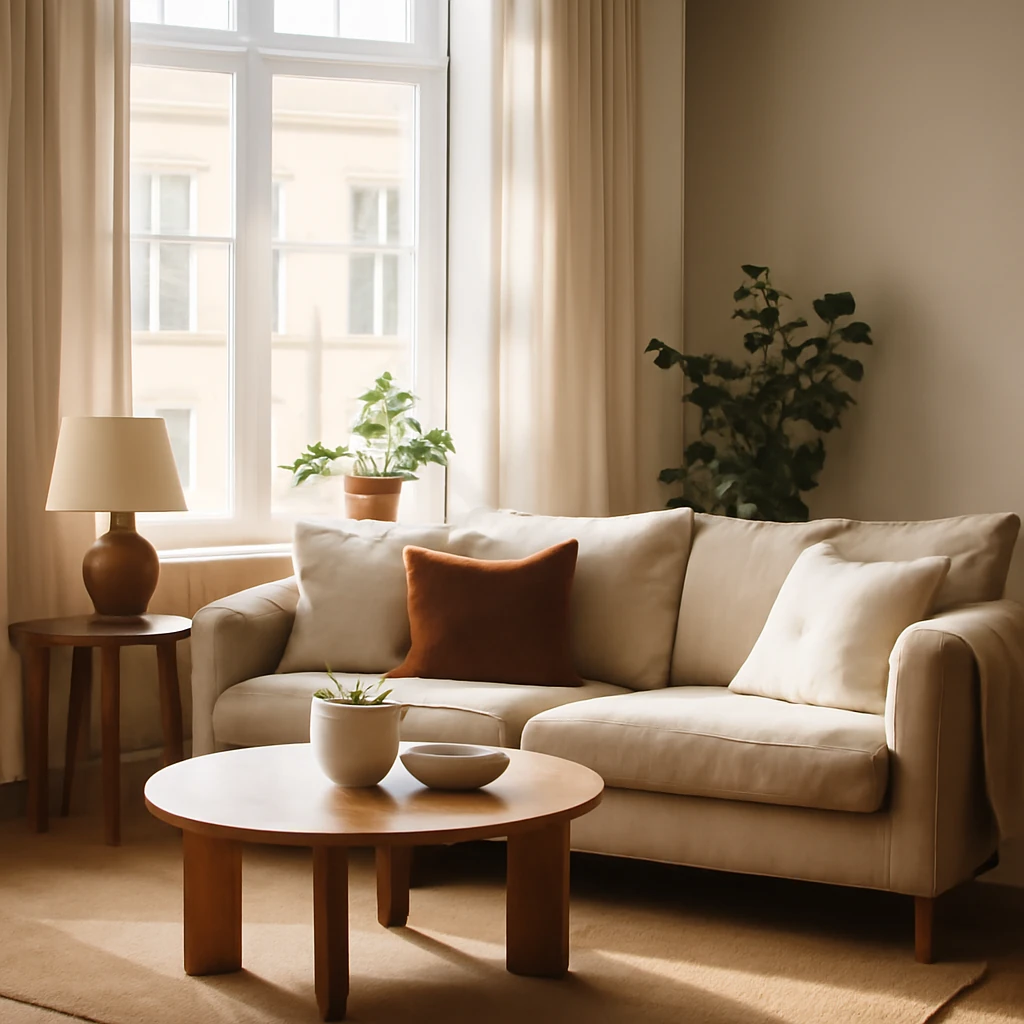
The colour of upholstery and space perception
The colour of upholstery is influenced by many factors: the room layout, the texture of the fabric, and the mood you want to establish. A correctly chosen sofa colour can significantly enhance how a space is perceived, while a misjudged shade may disrupt harmony. This guide explores how to select a colour for a sofa that works with light or dark walls in a modern European living room.
The influence of colour on space
The sofa is among the largest pieces of furniture in a living area. Its colour largely determines how the overall composition reads and the atmosphere it conveys.
In a typical European home, the sofa can either anchor the space or blend gracefully with the backdrop. A bright, saturated sofa against pale walls creates an immediate focal point, drawing attention and energising the room. Conversely, a sofa that mirrors the wall colour or blends with beige or grey surroundings can make the space feel more cohesive and quiet. The key is to understand the role you want the sofa to play: a strong designer statement or a calm complement to the surrounding elements.
A focal point or a complementary element
Design professionals often decide the sofa’s role first. If the aim is to establish a compositional centre, select an upholstery colour that contrasts with the walls or with the dominant hues in the room. If the goal is to elegantly support the existing design, choose a shade that aligns with the wall colour but is marginally lighter or darker. In either case, the sofa should relate to the palette of the room, creating a coherent and well-balanced interior.
- In a contemporary living space, a bright sofa in a pale room naturally becomes the focal point, guiding the eye and anchoring the decor.
- In a more subdued, monochrome scheme, a sofa in a slightly different saturation can add depth and warmth without overpowering the room.
Affecting mood
Colour psychology suggests that blue can be calming, red can stimulate conversation and energy, green is associated with nature and renewal, and yellow with warmth and cheer. Personal preferences matter greatly, if you have an aversion to a particular colour, it will likely affect how you feel in the space. Therefore, choose hues you genuinely enjoy looking at, to minimise the risk of interior fatigue over time.
Vivid upholstery tends to register more strongly than neutrals, so it requires careful consideration, especially in spaces that aim for long-term versatility.
Bold colours in practise
Bright tones can become the definitive character of a room. To avoid an overpowering look, pair them with calmer surroundings: a saturated sofa can be balanced by restrained walls, furniture silhouettes, and understated textiles.
Colour choices in practice
When selecting a sofa colour, it is important to balance personal taste with the room’s overall palette and the psychological impact of colour.
Who benefits from which colour?
A soft seating arrangement is often the central element of a living area, it should harmonise with other furnishings while reflecting the occupants’ lifestyle. The right sofa colour supports both the function and the mood of the space.
Light shades
White, ivory, dove, and light greys convey airiness. They are particularly effective in small rooms, where they visually enlarge the space. However, light-coloured upholstery demands mindful maintenance and regular cleaning to keep them looking fresh.
Dark upholstery
Deep navy, rich forest greens, charcoal, or black bring a sense of solidity and cosiness. Dark colours are generally more forgiving of marks and wear, making them practical for families with children or pets. They can also provide a strong contrast against lighter walls and floors, producing a grounded, dramatic effect.
Bright colours
Red, cobalt, emerald or mustard can act as a vibrant focal point. If you want the sofa to command attention, bold colours are an effective route. Use them thoughtfully, pairing with quieter textiles and neutrals to prevent visual competition.
How to choose colour during the design phase
Before starting a renovation, designers recommend establishing a colour palette for the entire space and then selecting individual pieces to fit that palette. This approach is simpler than trying to retrofit a chosen sofa colour into an already finished room. The appropriate upholstery shade depends on several factors, below we outline how to match a sofa to a living room scheme.
Consider room dimensions
The size of the space influences how dominant the sofa colour will be. In smaller rooms, a bold sofa can take centre stage, making it harder to balance with other elements. The aim is to avoid having the sofa as the sole bright spot, rather, use textiles, rugs, art, and lighting to distribute colour across the whole space. In larger rooms, you have more freedom to experiment with a dramatic or highly saturated sofa while maintaining harmony with surrounding features.
Lighting matters
The appearance of upholstery colour shifts with lighting conditions. Natural daylight reveals true colour, while artificial light - achieved through warm or cool LEDs - can shift the perceived hue. It is wise to sample fabrics in different lighting conditions before finalising a colour choice. If possible, request fabric swatches to view them at day and in the space’s evening lighting.
Texture and textile pairing
Texture plays a significant role in how colour reads. A smooth velvet or a soft bouclé can reflect light differently from a flat weave, altering perceived saturation. When choosing the sofa, consider how the texture will interact with curtains, rugs, and cushions. As a rule, large furniture pieces are easier to pair with textiles if the fabrics share complementary undertones rather than competing ones.
- Pair a light-coloured sofa with a rug that echoes the sofa colour or provides a calm contrast.
- A neutral sofa can be highlighted with cushions and throws in a brighter shade or a subtle pattern that repeats the room’s accent tones.
- When the sofa is bold, balance the room with textiles in quieter tones or with a rug featuring hues drawn from the sofa and walls.
When evaluating fabrics, consider the practical aspects as well. For households with children or pets, stain resistance and ease of cleaning are crucial. A well-chosen fabric finish can reduce maintenance needs without sacrificing style.
Practical finishes and fabrics
Look for upholstery with protective finishes that resist spills and stains. Finishes such as performance fabrics or water-repellent coatings offer easier maintenance while preserving the look of the piece. It is worth testing how fabrics respond to everyday use, employing samples or swatches to see how they perform in different lighting and with nearby textures.
Durable finishes for everyday life
Two-tone or textured fabrics can provide the durability needed for active households. A boucle or weave, for instance, hides minor wear better than a flat, smooth fabric, while a microfibre with a protective finish can be both luxurious and practical.
Families, children and pets
The colour choice should be complemented by the upholstery material. A very dark sofa can hide dirt well, but it might show lint and pet fur. A lighter fabric can look pristine but call for frequent cleaning. The solution is often a two-tone approach: a darker base with removable light cushions that are easy to wash, or a light base with a darker, more forgiving seating area.
Colour and interior style
Different design idioms inform how colour is used. Each style has its own typical palette and how a sofa fits within it.
Classical elegance
Classical interiors typically favour neutral walls with deep, luxurious accents such as jewel tones. Upholstery colours like ivory, champagne, or navy work well when paired with rich textures and timber details to express timeless refinement.
Nordic and Scandinavian minimalism
Nordic interiors lean towards white, off-white, grey and light timber. A pale sofa enhances the sense of space and brightness, while subtle hints of colour - such as soft blues or sage greens - add warmth without disrupting the serene palette.
Eclectic and coastal blends
Eclectic styles invite expressive colour combinations. A vivid sofa can be balanced with neutral walls and a mix of textures, while coastal-inspired spaces often use blues, sandy beiges and natural fibres to evoke shorelines and sea air.
Industrial and Hi‑Tech
Industrial interiors frequently showcase cooler tones and high-contrast materials. A sofa in charcoal, steel, or true navy can anchor an exposed brick or concrete backdrop, complemented by glass and metal accents for a modern edge.
Mediterranean and Provençal warmth
Warm, sun-kissed tones - creams, terracotta, and soft olive - pair with whitewashed walls and terracotta floors to create a relaxed, European vibe. A sofa in stone or sand hues can act as a calming counterpoint to vibrant architectural details.
Boho and vintage influences
Boho aesthetics embrace rich textures and layered colour. A bright sofa can work well when balanced with patterned textiles, natural materials, and eclectic accents. Vintage palettes often pull from dusty rose, sage, ivory and muted terracotta for a nostalgic yet contemporary look.
Trendwatch: contemporary palettes
For soft furnishings, recent trends emphasise personalisation over strict colour rules. While bold tones can energise a space, a well-curated neutral base with occasional colour injections tends to age gracefully and adapt to changing tastes.
Beige and warm neutrals
Beige tones, including light browns and creamy neutrals, have gained popularity for their versatility and warmth. A beige sofa, especially in boucle or soft textures, creates a welcoming atmosphere and pairs with a wide range of colours and styles.
Grey and cool neutrals
Grey remains a reliable option for a contemporary or minimal setting. It provides a quiet, sophisticated backdrop that allows accent colours to shine through cushions, rugs, and art.
Trends and the role of colour
Colour trends in soft furnishings are closely tied to broader styling movements. A sofa colour that was once fashionable can appear timeless if the sofa’s form, texture and fit within the room remain balanced. The most enduring approach is to choose a hue that you love and that complements the rest of the interior, rather than chasing a passing trend.
Key considerations for a fashionable yet durable choice
A fashionable colour should not overwhelm the room, nor should it be so neutral that it disappears. The best approach is a balanced composition: a well-chosen sofa colour that aligns with the wall tone, the flooring, the lighting, and the textiles used in upholstery, curtains, rugs, and cushions.
What to do if the interior may change
If you anticipate future changes to layout or decor, a neutral sofa can provide longevity. A neutral base makes it easier to refresh the space with colour through cushions, throws, and smaller accessories. If you expect to stay in the same home for several years, you may opt for a more expressive sofa colour to inject personality now while keeping your options open for future updates with textiles and accents.
Practical guidance on choosing a practical sofa colour
Practicality often takes precedence over aesthetics. The choice of fabric and finish matters more than the colour itself when it comes to daily life. Even a light-coloured sofa can stay pristine with the right textile and care routine.
Textiles with easy-clean finishes
Look for upholstery that features stain-resistant finishes or performance fabrics designed to shed liquids and resist staining. While no fabric is stain-proof, these finishes can significantly simplify maintenance and extend the sofa’s life in busy family homes. Regular cleaning and spot treatments, following the manufacturer’s guidance, will help keep the sofa looking fresh.
Light-coloured fabrics with practical finishes
Even pale fabrics can be more forgiving if they employ a texture that hides minor marks, such as a tight weave or a textured bouclé. The key is to assess how the fabric will wear in your particular environment and to balance aesthetics with ease of care.
Durable options for families with children and pets
For households with active living, durability and ease of cleaning are critical. A deeper base colour, such as charcoal or navy, tends to hide dirt better, while a lighter base can be complemented with washable cushion covers or removable covers that can be changed seasonally or after heavy use. A two-tone approach - dark seating with lighter back cushions or vice versa - offers both practicality and flexibility.
Colour by interior style: quick guide
Different design styles favour different colour strategies. Here is a concise guide to help you align sofa colour with the interior mood you want to achieve.
Classic
Timeless interiors often employ a restrained palette with rich textures. A sofa in ivory, champagne, or deep navy can anchor a space, paired with wood tones and luxurious fabrics such as velvet or linen blends.
Scandinavian
Light, clean palettes: white, light greys, and pale woods. A pale sofa keeps the room feeling open and bright, while soft accent tones - dusty blues, sage, or pale pink - add warmth without overpowering the calm aesthetic.
Eclectic/Coastal
Be brave with colour while keeping balance. A bold sofa can be offset with a calm backdrop and an assortment of textured textiles in natural materials like linen, jute, and cotton.
Industrial
Cool tones and high-contrast materials. A charcoal or navy sofa against brick or concrete is a contemporary counterpoint to gleaming metal hardware and glass.
Mediterranean and Provençal
Warm whites and sun-washed tones. A stone or sand-coloured sofa harmonises with warm terracotta, warm timber floors, and ceramic textures to evoke a relaxed European terrace vibe.
Boho and Vintage
Colour-rich and pattern-loving environments. A vibrant sofa can work beautifully when layered with diverse textures, ethnic-inspired textiles and a curated mix of colours and finishes.
Trends: how colour evolves with décor
Soft furnishings often reflect wider stylistic shifts. A sofa colour can be both expressive and adaptable: while a bright, statement piece gives personality, a well-chosen neutral base offers lasting versatility. The most successful interiors use colour as a catalyst to build a cohesive story across walls, flooring, textiles and decorative objects.
Beige and warm neutrals
Light beiges and warm creams are enjoying renewed popularity for their comforting, timeless appeal. Bouclé textures in these tones add richness and movement without commanding the room.
Grey and cool neutrals
Grey remains a staple for contemporary interiors, offering a versatile backdrop that allows accent colours to flourish. It pairs well with timber, soft textiles, and metallic finishes for a balanced, modern look.
Conclusion: four quick guidelines
- Choose a sofa colour that matches the room’s atmosphere and the mood you want to create, either a matching tone or a deliberate contrast can work, depending on the desired effect.
- Repeat the chosen hue or its undertones in other textiles and accessories to integrate the sofa colour into the whole space.
- For living rooms with children or pets, prioritise fabric performance and easy-clean finishes, especially for lighter shades or prominent seating areas.
- Don’t fear neutrals, a well-cushioned, texturally interesting neutral sofa can remain fresh for years while providing a flexible base for changing accents.
- In a compact apartment, a light sofa can open up the room if paired with a mid-toned rug and streamlined furniture.
- In a larger space, a saturated sofa can anchor the seating area and serve as a counterpoint to lighter walls and flooring.
Frequently asked questions
How should I choose an accent sofa colour and which colour combinations work well?
Start with the room’s dominant palette. A bold sofa will look harmonious if its shade is echoed by cushions, a rug, or artwork elsewhere in the room. For larger spaces, deeper hues such as emerald or sapphire can read as luxurious anchors, in smaller spaces, brighter or lighter accents can enhance the sense of airiness. The texture of the fabric also matters: luxurious fabrics like velvet heighten the effect of a rich colour, while matte weaves soften and calm the overall feel.
What colour is best for a small, bright living room?
Soft, light tones help maximise perceived space. A beige, ivory, or pale grey sofa can keep the room feeling open and cohesive. To prevent the space from feeling clinical, introduce colour in cushions, throws, or a rug that introduces a subtle accent while maintaining a bright, legible background.
Which colour is practical for a family home with children or pets?
Durability and ease of cleaning should guide the choice. Darker bases hide inevitable wear, but lighter cushions or removable covers can simplify maintenance. A two-tone approach - dark seating with lighter, washable cushions - often offers a pragmatic compromise that remains stylish.
In short, the most timeless approach is to select a sofa colour that you love and that harmonises with the room’s palette. When in doubt, opt for a versatile neutral for the sofa base and use textiles to introduce colour and texture as the space evolves.
You may also like these articles
 Small Spaces
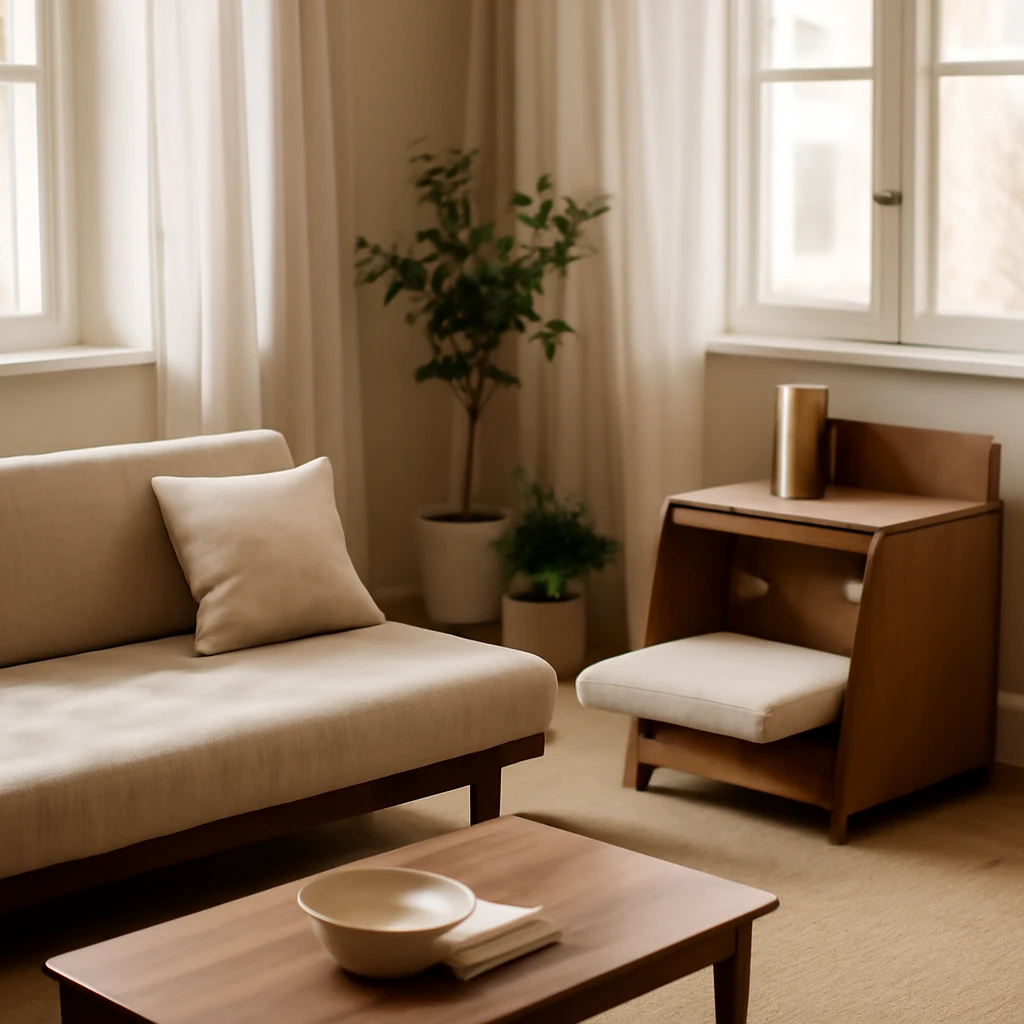
Small Space Living: European Transformable Furniture for Every Home
Smart, modular furniture that adapts to European homes and smaller spaces.
Tips & How-To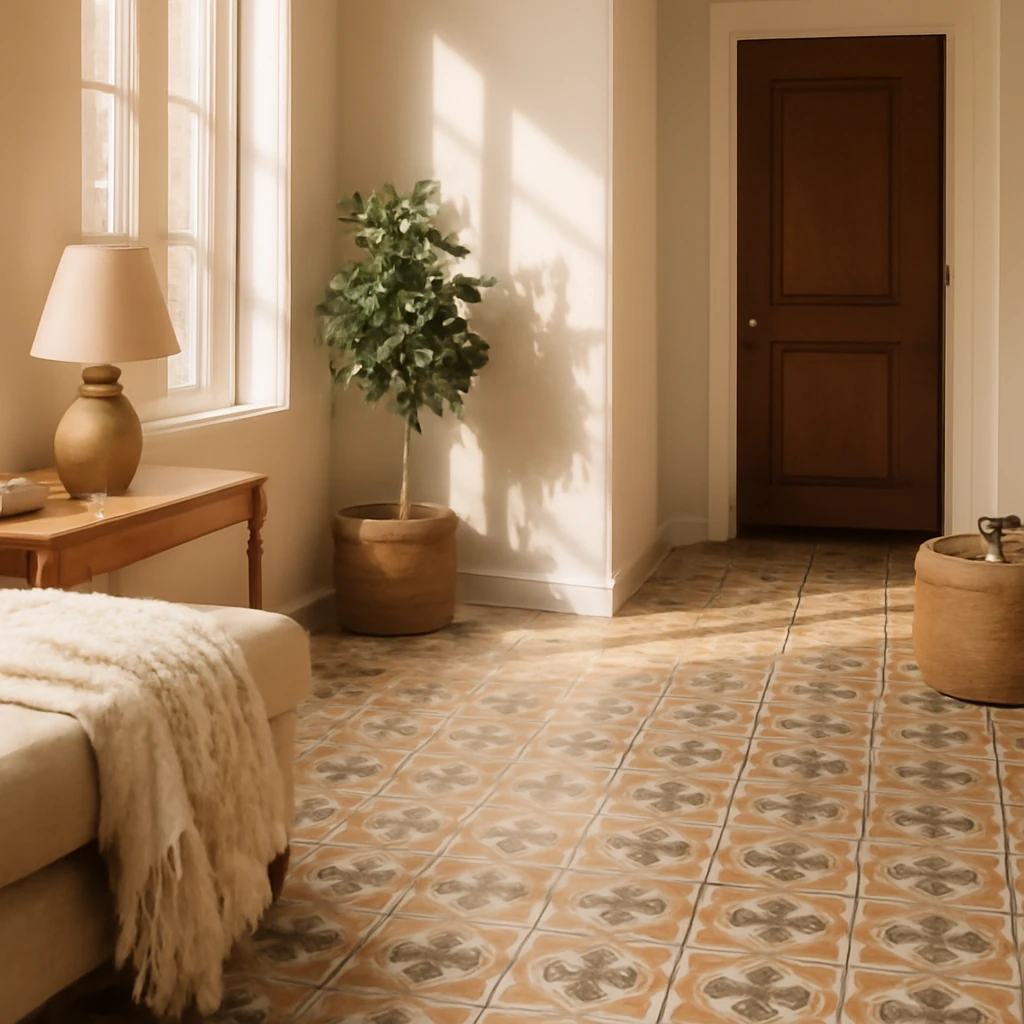
Hallway Floor Tiles: A Comprehensive Guide to Design and Laying
A practical guide to selecting and laying hallway tiles across Europe.
Kitchen Design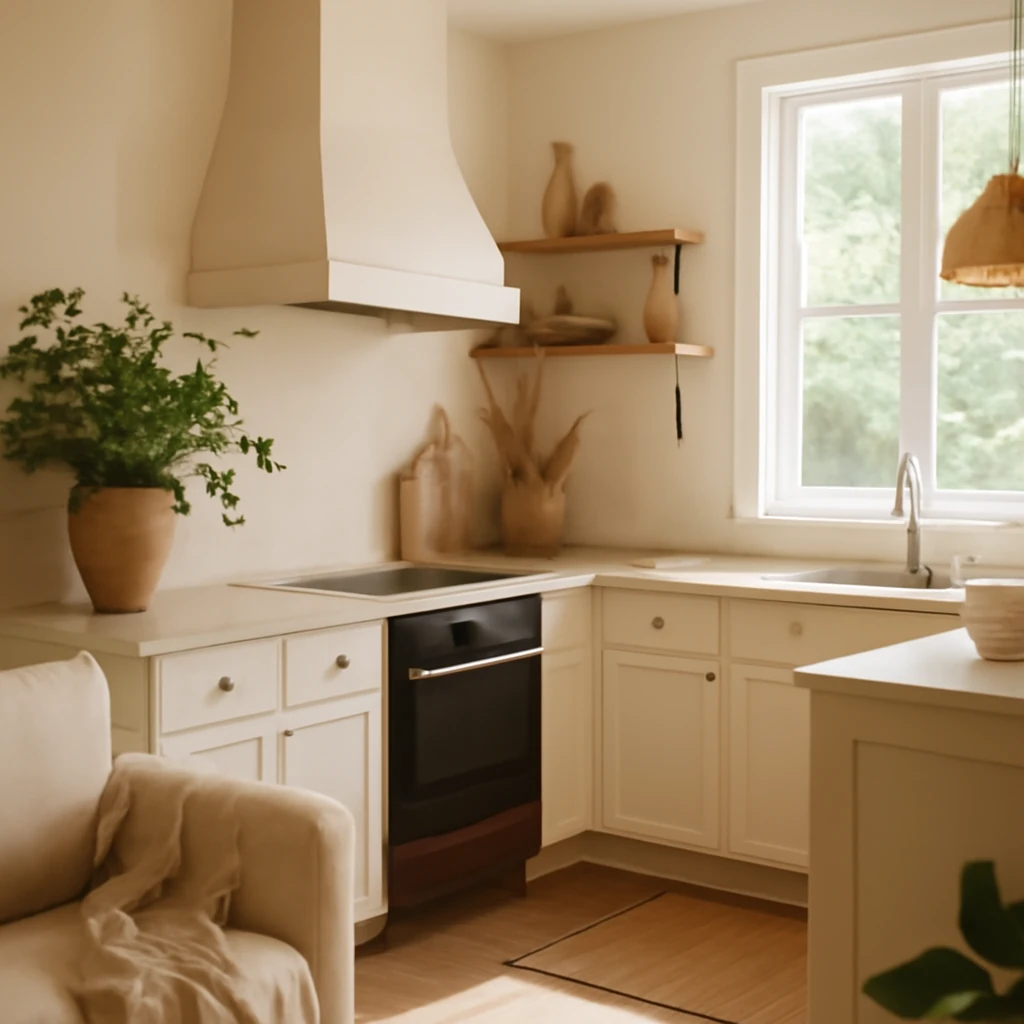
Mastering the U‑Shaped Kitchen: practical layouts for European homes
Maximise storage and flow with a practical U‑shaped kitchen for European homes.