
Explore interior trends, AI design insights, styling guides and real transformations
Choosing Wall Finishes for European Homes: A Practical Guide
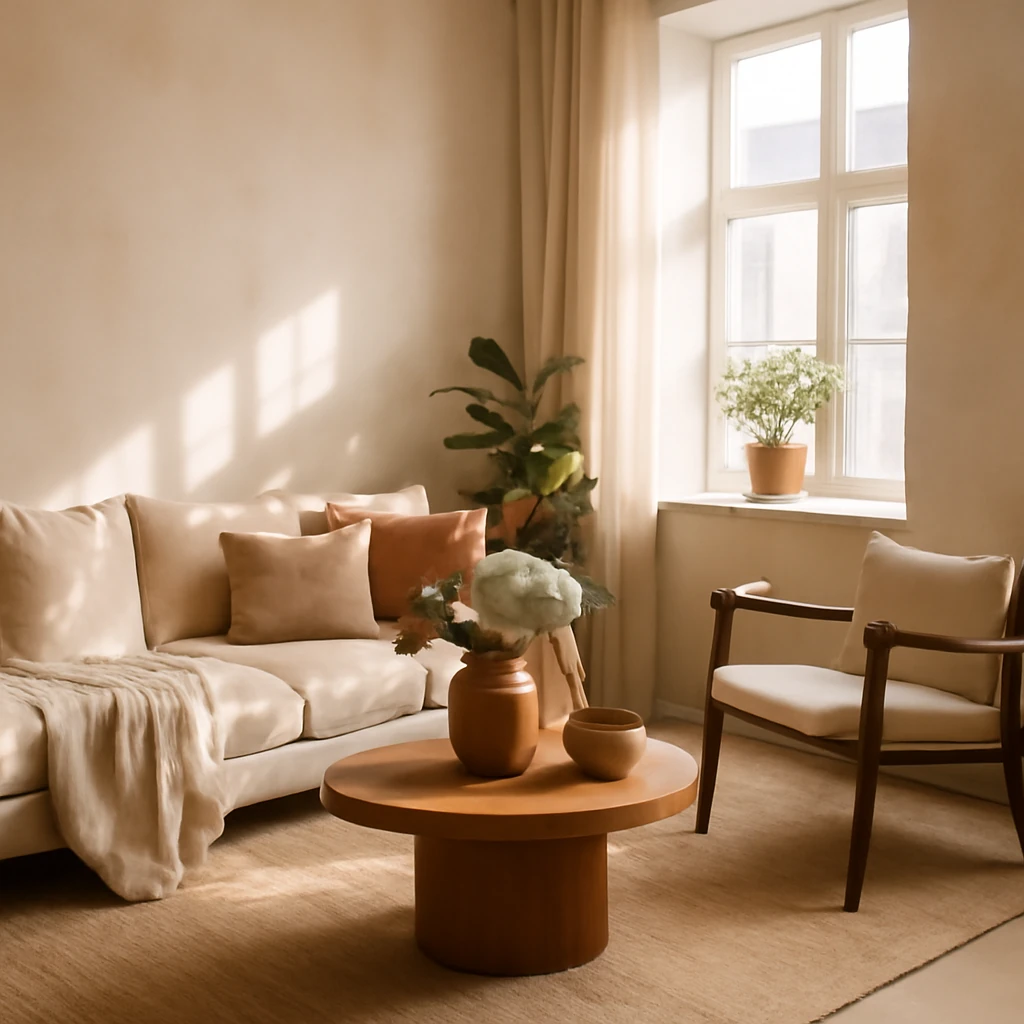
Criteria for choosing wall finishes
In contemporary European interiors, the final choice of wall finish is driven by a balance of aesthetics, practicality and environmental considerations. The wall is not merely a background, it shapes acoustics, climate, maintenance, and how spaces feel from morning light to late evening ambience. When planning a renovation or a new-build, thoughtful selection of wall coverings can enhance mood, improve comfort and protect the architecture for years to come. The following factors guide designers and homeowners alike as they assess possibilities for each room.
- Eco‑friendliness. Materials with low or no toxic emissions contribute to healthier indoor air and better long‑term sustainability. Look for certifications and data sheets that identify volatile organic compounds V OC content, any fire retardants and the lifecycle of the product.
- Allergy considerations. Some finishes may trigger sensitivities. Natural or low‑emission options are increasingly preferred in family homes and schools across Europe.
- Cost. Budgeting governs a large part of the decision. While some finishes have a modest upfront cost, others may require more investment in preparation, skilled installation or long‑term maintenance.
- Application technology. Some finishes demand professional installation or bespoke preparation, while others are approachable for confident handy homeowners. Consider surface preparation, priming, and curing times in your project schedule.
- Finish characteristics. Wipeability, heat and moisture resistance, abrasion resistance, and the desired texture or gloss level all influence suitability for a given room - kitchens and bathrooms have different requirements from bedrooms or living rooms.
- Compatibility with interior design. Colour and texture must harmonise with furniture, textiles, and architectural features. The wall finish should support, rather than compete with, key design statements such as timber detailing, plasterwork, or bold colour palettes.
These criteria help ensure the chosen finish not only looks appealing but also lasts over time in the specific climate and usage patterns of a European home. While aesthetics are essential, durability, ease of maintenance and environmental impact increasingly define the best options for each room and lifestyle.
Types of finishes
Within European practice, the principal wall finishes fall into a few broad families. Each family encompasses a range of textures, colours and technical properties. The following overview highlights the most common finishes, their strengths, and where they fit best in a home.
Wallpaper
Wallpaper remains a versatile and popular choice for many rooms. It offers a vast spectrum of colours, patterns and textures, often at a competitive price point. In addition to aesthetics, wallpapers can address practical concerns such as acoustics and moisture resistance when paired with appropriate top coatings or substrates. The wide availability of non‑woven, vinyl and fabric‑fibre products allows designers to tailor finishes to both contemporary and classic styles.
Key considerations when selecting wallpaper include moisture resistance, material base and longevity. Some wallpapers are designed for high humidity or heavy cleaning, while others prioritise tactile quality or natural aesthetics. Non‑woven and textile‑based wallpapers can create warmth and softness, while vinyl finishes tend to be more washable and durable in kitchens or entryways.
- Non‑woven wallpapers: Made from natural and synthetic fibres, they are generally easy to install, resistant to tearing and forgiving of slight surface irregularities. They are suitable for many living spaces and can be painted if desired.
- Vinyl wallpapers: A durable option with wipeable surfaces. They perform well in kitchens and bathrooms when paired with a suitable water‑resistant backing, but strong fragrances during installation may require ventilation.
- Textile wallpapers: Crafted from natural or blended fabrics, these offer luxurious texture and warmth. They are best in living rooms or bedrooms but require regular care to prevent dust accumulation and staining.
- Photographic and expansive patterns: Large scale visuals can transform a space, creating a feature wall or sense of depth without structural changes. Style and scale should be considered in relation to room size.
- Natural fibre and cork wallpapers: These options emphasise sustainability and tactility, bringing organic warmth to spaces with careful maintenance.
- Glass fibre wallpapers: Durable and dimensionally stable, they resist mould and can be finished with paint or a decorative coating.
Tip: For bedrooms and living rooms, consider a wallpaper with a softly textured or matt surface to reduce glare and create a calmer atmosphere. For kitchens and bathrooms, select moisture‑resistant or washable options, and ensure the backing and adhesive are compatible with damp conditions.
Paints
Paint remains a foundational finish in many European interiors. It offers clean rejuvenation of surfaces, a broad spectrum of colours, and straightforward maintenance when chosen with the room in mind. Modern water‑based emulsions have advanced performance, allowing for richly saturated colours that are breathable and easy to apply. Paints also enable expressive detailing, from feature walls to subtle tonal shifts across a room.
Common paint families include:
- Water‑based emulsions: The most widely used for interiors. They are low in odour, easy to apply, and available in matte, satin and gloss sheens. They perform well in living rooms and bedrooms where flat or eggshell finishes provide a refined look.
- Alkyd and enamel paints: Notable for durability and smoother finishes, suitable for trim, wood panelling and sometimes kitchen cabinets. They can be moreyl intense in cure times and odours, so ventilation is important during application.
- Silicate paints: Based on liquid glass, these paints chemically bond with mineral substrates. They offer excellent durability and are particularly suited to historic or modernising projects on masonry or concrete walls, where a breathable finish is valued.
- Oil and alkyd enamels: Historically strong and resilient, but less common today due to higher VOCs, longer cure times and stronger odours. In contemporary design, they are reserved for specific restoration work or high‑traffic pieces.
Finish level is critical: matt paints emphasise texture and colour depth, while satin or semi‑gloss finishes enhance light reflectivity and washability. In rooms with damp or fluctuating humidity, consider breathable finishes that reduce condensation risk and mould growth over time.
Decorative plaster finishes
Decorative plaster offers tactile depth and a sense of permanence that complements both minimalist and opulent interiors. Plaster can be applied in thin coatings or more substantial layers, allowing a range of textures from flat, refined surfaces to dramatic reliefs. It also contributes to thermal mass and acoustic performance when integrated with the building fabric.
Primary plaster families include a core mineral base and additional finishes designed for different rooms and stylistic aims. Here are common varieties used in European projects:
- Mineral plaster: A cementitious mix used in bathrooms and damp zones when properly formulated for humidity resistance. It is robust, non‑combustible and adaptable to a wide colour palette.
- Acrylic and polymer plaster: Flexible and easy to apply, offering smooth to lightly textured surfaces with good impact resistance. Suitable for living spaces and corridors where dynamic finishes are desired.
- Silicate plaster: Made with a gelled silica binder, creating a breathable, mineral finish that resists mould and supports long‑term durability in humid environments.
- Venetian plaster: A traditional technique that builds depth through multiple layers to resemble marble. It requires skilled application but yields a sophisticated, luminous surface that ages beautifully.
Decorative plaster is a sensitive option that benefits from professional execution. However, modern training and equipment enable skilled practitioners to realise complex textures and sculptural effects that elevate a room’s character.
Wood paneling and wood finishes
Timber continues to be a central material in European design, appreciated for its warmth, natural beauty and versatility. Wood panelling or cladding can range from slim decorative battens to full‑height timber sheets. When selected thoughtfully, wood adds acoustic warmth, improves insulation and supports a cohesive material language with furniture and flooring.
Important considerations include the species, finish, and environmental provenance. Wood must be protected against moisture and insects, particularly in kitchens and bathrooms. Finishes vary from oil and wax to modern polyurethane coatings, with each option offering different degrees of maintenance, sheen and durability.
In contemporary schemes, wood panelling often functions as a feature element on one wall or as decorative panels integrated with doorways and alcoves. It can be used to define zones within open plans or to create a contrast against lighter plastered surfaces.
Ceramic tiles
Ceramic tiling remains an essential option for kitchens, bathrooms and utility zones across Europe. Tiles combine resilience, cleanability and style, with a broad spectrum of sizes, finishes and colours. The main variants include glazed, unglazed, clinker and porcelain stoneware, each with distinct aesthetics and performance.
- Glazed ceramic tiles: The most common choice for walls and splash zones. Glazing provides a glossy or satin surface that is easy to wipe and highly stain resistant. They work well with modern and traditional styles alike, from metro brick patterns to large format tiles in minimalist schemes.
- Unglazed tiles: Usually have a natural matt surface that emphasises texture and tone. They are visually rich and forgiving in high‑traffic areas but may require sealing and careful cleaning in spaces prone to dirt and moisture.
- Clinker: A dense, durable tile with a deep texture and rustic character. Clinker is well suited to entryways, mudrooms and external balcony connections where durability is valued.
- Porcelain stoneware: A technical term for highly dense, low‑porosity tiles. They resist water, staining and frost well, making them an excellent choice for wet rooms and outdoor spaces in temperate European climates.
Tile design enables bold patterns, tactile textures and architectural interest. When outlining a tiling project, pay attention to grout colour and size to maintain a cohesive proportion with wall heights and furniture scale.
Gypsum board and modular wall systems
Gypsum board (drywall) remains a practical solution for modern interiors. It enables fast construction of partitions, niches and decorative elements, and can host a wide range of finishes from paint to textured plaster. In European projects, gypsum boards are commonly used to create feature walls, concealed storage and acoustic panels within living spaces and work zones.
Key advantages include fast installation, flexibility for routing services and easy repair. When used in damp areas, moisture‑resistant variants or greenboard systems should be specified, and ventilation planning considered to prevent condensation and mould growth.
Decorative stone and stone alternatives
Natural stone delivers undeniable tactility and permanence, lending a sense of grandeur to larger rooms and public spaces. More affordable or versatile are engineered stone and stone veneer products, which offer a similar aesthetic with reduced weight and installation complexity. In European interiors, stone is often reserved for feature walls, fireplace surrounds or perimeter plinths where its weight and chemistry can be accommodated without overwhelming the room.
Stone finishes demand careful consideration of scale, patterning and maintenance. Lighter tones can brighten a space, while darker stones create drama and depth. In compact rooms, use stone strategically to avoid a heavy, oppressive feel, in larger rooms, stone can anchor a design narrative and enhance acoustics when combined with soft textiles and wood elements.
Wall panels and panel systems
Panel systems combine aesthetic versatility with practical performance. They can be made from wood, fibre cement, PVC or MDF, and are designed for quick installation with integrated moisture resistance and straightforward maintenance. Panels offer tactile variety, enabling designers to introduce rhythm through vertical or horizontal arrangements, or to wrap a space with a continuous material language that ties different zones together.
Panel systems also bring lightness to walls and can incorporate acoustic or thermal insulation layers. They are suitable for entrances, corridors, kitchens and bathrooms when appropriately specified for moisture and cleaning requirements.
Practical guidance for choosing finishes by room
Room‑by‑room considerations matter because use patterns, humidity, traffic and cleaning regimes vary. Here are practical guidelines to help navigate decisions across a European home.
- Living rooms and bedrooms: Prioritise finishes with refined texture and colour depth. Subtle wall textures such as fine plaster or matte paints create calm atmospheres while wallpapers with delicate patterns can add personality without overpowering furniture and textiles.
- Kitchens: Durable, wipeable finishes with resistance to stains and heat are essential. Consider ceramic wall tiling or washable paints in zones with splashes. If using wallpaper, select anti‑moisture variants or install tiles behind work surfaces for robust practicality.
- Bathrooms and utility rooms: Moisture protection is critical. Fully waterproof wall coverings such as glaze‑fired ceramic tiles or moisture‑rated panels are reliable choices. Silicate or specially formulated cementitious finishes can offer durable, breathable options when installed correctly.
- Entrances and hallways: These spaces benefit from materials with durability and ease of maintenance. Textured wallpapers, timber cladding or durable ceramic tiles can withstand higher foot traffic and occasional grime, while maintaining a cohesive interior language with living spaces.
- Open plan zones: To maintain light and continuity, consider large format panels or continuous plaster finishes with minimal joints. A well‑considered colour palette and consistent material language help unify zones while allowing distinct function through furniture and lighting.
Sustainability and maintenance considerations
European design increasingly integrates sustainability, not only in materials but also in performance over time. When evaluating wall finishes, homeowners should consider embodied energy, renewability, VOC content and the potential for recycling or reuse at end of life. Finishes that are easy to clean, resist mould growth and maintain their appearance with minimal maintenance tend to deliver lower life cycle costs and better indoor air quality.
Maintenance regimes vary by material. Paints may require refreshment every few years, wallpapers might be re‑patterned or replaced depending on wear. Stone and tile surfaces are typically long‑lasting, but require periodic sealing or polish to sustain their appearance. Decorative plaster may need specialist care to preserve its texture and colour depth. By planning for maintenance in the design phase, a home can retain its character while avoiding expensive, disruptive renovations later.
Putting the ideas into practice
For European projects, the most successful wall finishes arise from a collaborative process between client, architect and contractor. A clear brief, accurate room programmes and real‑world testing of materials in representative lighting conditions will reveal how finishes perform in daily life. A few practical steps can help ensure decisions translate well from the page to the wall:
- Develop a cohesive material strategy that links walls with floors, ceilings and furniture. A deliberate material hierarchy creates balance and eases decision‑making in procurement.
- Test samples in situ. Small swatches or a paint board placed in the room under varied daylight helps reveal how colour and texture respond to light throughout the day.
- Address sound and thermal comfort. Textured or heavier surfaces can alter acoustics, consider combining wall finishes with soft textiles, rugs and seating to create a balanced acoustic environment.
- Plan for moisture and cleaning needs. Kitchens and bathrooms deserve finishes that can withstand humidity and regular wipe‑downs without compromising aesthetics.
- Factor installation time and impact on occupancy. Some finishes require wall preparation, primer systems or specialised trades. Scheduling this work thoughtfully minimises disruption.
In Europe, with varied climates from the Atlantic coast to the Mediterranean basin, material choice is often shaped by moisture control, thermal performance and maintenance practicality. A well‑considered wall finish integrates cooling or heating considerations, complementing insulation strategies and the overall building envelope.
Conclusion
Choosing the right wall finish is a nuanced design decision that extends beyond colour. It involves balancing appearance, practicality, sustainability and lifecycle costs. Whether you opt for the tactile elegance of textured plaster, the timeless reliability of a ceramic tile, or the warmth of timber panelling, the wall is a cornerstone of interior quality. By understanding the strengths and limitations of each finish, and by aligning the choice with room function, interior architecture and the family’s lifestyle, you can craft spaces that are both beautiful and enduring across Europe’s diverse homes.
Ultimately, the best approach is a curated, material‑led strategy that respects heritage and enhances modern living. With careful selection, your walls can become a quiet, confident stage for daily life, shaping light, sound and texture into a harmonious whole that endures sample after sample, season after season.
You may also like these articles
 Kitchen Design
Small Kitchen, Big Style: Designing a 12 m² Kitchen Across Europe
Smart layouts and finishes for a 12 m² kitchen you can live in.
Tips & How-To
Silencing office chair squeaks: a practical European maintenance guide
DIY guide to diagnosing and silencing office chair squeaks.
Interior Design
Harmonising Doors and Floors: Seven Design Principles for European Homes
Master the art of matching doors with flooring across Europe.