
Explore interior trends, AI design insights, styling guides and real transformations
Designing a 25 m² European Studio: Space, Light and Style
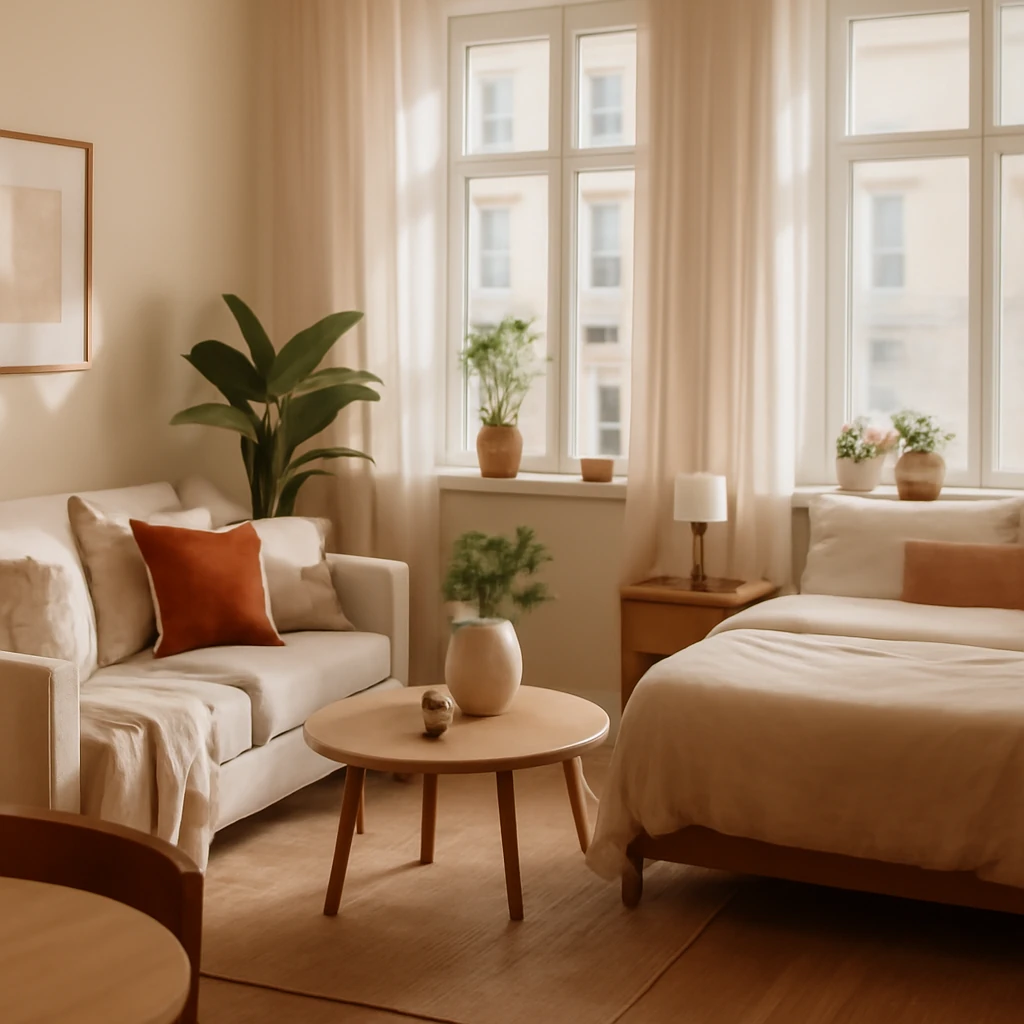
Rules for styling a European studio apartment
Designing a compact living space of 25 square metres across European cities demands thoughtful planning and a cohesive design language. The goal is to maximise every centimetre without compromising comfort or atmosphere. A well executed studio should feel spacious, welcoming and adaptable to changing needs, whether you live alone, with a partner, or with family guests. This guide translates professional strategies into practical actions for European homes, focusing on light, storage, and a material palette that endures beyond trends.
- Light and colour - pale hues are the main allies in small interiors. A soft, neutral base makes spaces feel larger, while carefully chosen colour accents animate zones without visual clutter. Avoid heavy contrasts that overpower the room, instead use colour to define areas, furniture, and textures.
- Wall-to-ceiling storage - employ wardrobes from floor to ceiling, overhead cabinetry, wall shelves and anchored systems. When every wall stores items, you free floor space for movement and furniture that serves multiple roles.
- Preserve daylight - many European studios have a single window or limited light. Avoid heavy partitions, opt for lightweight screens, glass or perforated elements, and use furniture placement, colour, and finishes to delineate zones without blocking light.
Space planning
When planning a one-room dwelling, aesthetics must be married to function. Start with a design brief that visualises how the space will be used daily, then translate ideas into a plan that keeps circulation clear and zones legible. The aim is to determine which areas will become enclosed or remain open, and to establish how materials and finishes unify the whole.
Begin with a careful measurement and a survey of architectural features - window locations, doorways, utilities, and ceiling height. Decide in advance which zones are essential and which can be merged. In many European studios the kitchen expands to accommodate family meals or social gatherings, while the sleeping area may be partly screened or hidden. It is common to combine living, dining and cooking into a single flexible zone, with storage and furniture acting as the separators.
Balconies or terraces can become extensions of living space when properly insulated and heated. In many cities this is a viable option, yet it may require planning permission or regulatory approvals. If expansion is not feasible, treat the balcony as a micro-lounge or a work nook that respects the indoor climate and energy use.
Two-level layouts
Two-level studios or duplex configurations offer a clever way to gain functional space without increasing the footprint. A mezzanine can host a bedroom or a study balcony, while the lower level contains the kitchen, living area and a compact bathroom. Benefits include clearer separation of day and night zones and an airier upstairs feel. Consider structural support and access when evaluating a mezzanine, as step design and head height are critical for safe, comfortable use. This configuration is well suited to young professionals, couples with occasional guests, or small families who can negotiate stairs with care.
With a balcony
A balcony or loggia can function as a sheltered extension of the living space. Use it for a morning coffee corner, a small workstation, or a quiet reading alcove. If you plan to integrate the balcony fully into the apartment, ensure appropriate insulation, glazing and heating. In some cases, a converted balcony requires regulatory approval, where this is not feasible, consider installing French doors or large framed glazing to visually connect the outdoors with the interior while preserving a strict separation when needed.
Using partitions
Partitions help create distinct zones without swallowing precious light. In small flats, light screens, lattices, or timber slatted elements work well. Fixed constructions built from durable materials can form a practical sleep enclosure or storage wall that doubles as a decorative feature. Mesh, frosted glass and lightweight timber panels provide a sense of privacy while maintaining openness. For families, movable screens offer daily adaptability as needs shift.
For one person
Studio living for a single occupant often prioritises airiness and easy reconfiguration. Avoid over-furnishing and maintain a strong sense of flow. Use a restrained palette of one to three colours within each zone, with lighter walls to reflect daylight. Flexible furniture is key: a sofa that converts to bed, a fold-out desk, and modular storage that can be adjusted as routines evolve.
Many designers favour contemporary types such as loft, minimalist, modernist or high-tech for solo living. The aim is to reflect the resident’s personality while keeping the space legible and uncluttered. The best studio for one person is calm by design, but with enough character to feel like home.
For a family
When a studio accommodates more than one person, thoughtful zoning becomes essential. A well-insulated balcony can become a secondary living area or a guest zone. Bedrooms may be partially enclosed with sliding or folding screens, or use glass or frosted partitions to preserve light while providing privacy. Transparent or mirror walls visually expand the space and help the eye move through rooms. Sleep spaces benefit from light-control choices such as vertical blinds, light curtains and soft artificial lighting that supports winding down at night.
Zoning
Before zoning, the owner should answer a few practical questions to guide design decisions about position, scale and materials:
- Where will the window be located - in the sleeping area, kitchen, or living zone?
- Is there more than one window to aid light distribution?
- Should zones share the same design language or be visually distinct through colour and texture?
- What type of partitions are appropriate - fixed, movable, glass or opaque?
In many cases a professional designer will map zones to ensure ergonomic flow, balance of daylight and air, and a cohesive aesthetic across the entire 25 m² space. The designer’s task is to harmonise form and function while respecting budget and building constraints.
Kitchen
Within a studio the kitchen should not overpower the room. Avoid heavy walls that close the space, instead use transparent or semi-transparent screens, or differentiate the kitchen by colour and finishes. A common approach is to employ contrasting floor levels or tile transitions to carve out the cooking zone without blocking light from the living area. Light palettes for cabinetry, countertops and backsplashes help maintain a spacious feel, while integrated appliances free up valuable space. Choose ergonomic storage with plentiful drawers and pull-out organisers to keep utensils and pantry items within easy reach.
Living room
The living area in a European studio should feel inviting and flexible. A light colour palette reflects daylight and makes the room feel larger, while mirrors and glass surfaces amplify brightness. Subtle contrasts or tonal shifts can define seating zones without creating visual heaviness. For lighting, a layered approach - ambient, task and decorative lighting - adds depth and warmth. A well-designed built-in unit can house media equipment, books and decorative objects, acting as both storage and a room divider when needed.
- Unify the space with a consistent colour story that ties kitchen, living and sleeping areas together.
- Introduce reflective surfaces, including glass-tinished cabinetry or glossy tiles, to bounce light around the room.
- Incorporate soft textures such as wool, linen and natural fibres to add warmth without bulk.
Bedroom
Even in a small apartment, a sleeping zone should feel restful and private. If a full wall is impractical, consider a mobile screen or a light, translucent partition to create a sense of enclosure. A platform bed with built-in storage under the mattress is highly effective in conserving floor space. Choose textiles in soothing hues to promote relaxation, and ensure adequate air exchange with unobstructed gaps above doors or curtains to maintain comfort.
Work zone
For many urban residents a dedicated workspace is essential, but in a 25 m² studio there is rarely spare room. Look for opportunities to create a compact office in unexpected places - a shallow alcove, a corner of the living area, or a raised platform with a small desk. Modular or fold-away furniture supports a shift between work and leisure, while a well-placed task light and a floating shelf for documents help keep the desk clear.
Bathroom and toilet
In compact European homes the bathroom should prioritise efficiency and comfort. A compact shower cabin, preferably with a clear door, opens the space visually. A corner basin and a slimline vanity maximise storage without cramping movement. Light-coloured tiles with a glossy finish reflect light and enhance the sense of space. If a separate toilet is preferred, a compact model is often more practical in a studio layout, and can be positioned to avoid cross-flow with the main bathroom.
Entrance hall
The hallway in a studio often blends with the living room. Keep the transition smooth by selecting furniture with a coherent finish and by avoiding bulky items that interrupt circulation. A built-in wardrobe or a compact coat rack reduces clutter, while a tall mirror can visually extend the space and improve light distribution.
- Opt for a wardrobe with sliding doors to save space and reduce clearance requirements.
- Choose lighting that guides the eye toward the main living area and away from cramped corners.
- Keep the design language consistent across the entry and the rest of the flat to reinforce a unified aesthetic.
How to furnish
Furniture
Every item in a studio competes for space, so place furniture against walls and choose pieces that serve multiple purposes. A sofa bed or a sofa with storage can be used for seating by day and sleeping by night. A dining table can double as a work surface or be folded away when not in use. A tall cabinet or a shallow bookcase acts as a room divider while offering practical storage. When space is very tight, modular components allow you to reconfigure the layout to suit different activities and times of day.
Colour palette
Colour selection should be guided by personal taste but tempered by the practical needs of a small interior. Natural tones such as beige, off-white, stone, soft green, seafoam and warm greys create a calm foundation. Reserve bolder hues for accents - cushions, art, a rug or a single feature chair - so the space remains coherent and easy to refresh. Avoid heavy blacks or saturated tones in large areas, as they can visually shrink the room. The kitchen and living zone can share a unified palette with subtle variations to maintain interest without conflict.
Lighting
Lighting is crucial in studio living. A layered scheme helps you adjust mood and function throughout the day. Combine ambient lighting with task lighting near the kitchen and work area. Use wall sconces or floor lamps to create soft zones for evenings, and consider recessed or track lighting to emphasise architectural features or provide flexible brightness. In the kitchen, ensure dedicated task lighting over work surfaces to improve efficiency and safety while cooking.
Choosing a style interior
Loft
The loft aesthetic embraces raw materials and honest textures such as concrete, timber and brick. In a 25 m² space you can balance industrial character with warmth by combining exposed, tactile surfaces with refined soft furnishings, light neutrals and natural fabrics. Keep heavier elements to a minimum and use smart storage to maintain a clean, uncluttered look.
Neoclassicism
Neoclassicism offers timeless sophistication without heaviness. Pair restrained palettes with refined detailing such as mouldings, soft textiles and classic silhouettes. In a compact space, soften the look with light-coloured woods, pale fabrics and delicate metal accents to achieve an elegant, breathable atmosphere.
High-tech
High-tech interiors emphasise functionality and sleek finishes. A monochrome base with polished surfaces, integrated appliances and concealed storage creates a crisp, modern impression. In a small setting, hidden compartments and motorised mechanisms help maintain a calm, orderly environment while technology remains accessible.
Provence
Provence or country-inspired interiors bring warmth through muted pastels, natural materials and comfortable textures. In a 25 m² studio, maintain light walls and wooden accents to evoke a sunlit, relaxed mood. Introduce soft floral textiles and ceramic accessories to achieve a charming, lived-in feel without clutter.
Minimalism
Minimalism celebrates pared-back simplicity and clarity of space. Use a restrained colour palette, essential furniture, and clean lines. The challenge is to balance function and warmth, introduce texture through textiles and natural materials to prevent a sterile impression while keeping the space open and breathable.
Art Deco
Art Deco in a small apartment can be bold yet refined. Start with a light, neutral backdrop and layer in geometric patterns, tactile fabrics and metallic accents for depth. Use a carefully edited palette and лаконичный (simple) surfaces to prevent overcrowding while delivering a luxurious mood.
Finishes and materials
Finish selections in a compact dwelling should promote light, texture and durability. Avoid busy wallpapers with complex patterns that compete with the floor and furniture. Instead, opt for subtle textures and restrained patterns in wallpapers or fabrics. A combination of laminate or engineered wood for floors and ceramic or porcelain tiles for the kitchen and bathroom can delineate zones without creating visual noise. A light-coloured ceiling expands the perceived height of the room, contributing to an airy ambience. Natural materials such as wood, wool and linen add warmth and tactility, balancing the modern angles and metals often found in compact spaces.
Ventilation, exhaust and utilities
Efficient planning of ventilation and services is essential in a compact European home. Conceal ducts and cables where possible to preserve clean lines, using floor channels, wall niches and trunking where necessary. A modern flat may rely on central heating and a concealed plumbing system, with underfloor heating as an option to reduce visual intrusion from radiators. For kitchens and bathrooms, ensure proper extraction and humidity control, as well as adequate ventilation to maintain air quality and comfort. In loft-style spaces some designers embrace exposed pipes as a deliberate aesthetic, but in many contemporary studios the priority is a tidy, unobtrusive service installation that still reads as deliberately designed.
Note that the possibilities for altering structural elements such as balconies or walls depend on local regulations. In many European jurisdictions a balcony extension or enclosure will require planning consent and building approvals. When such changes are not feasible, consider architectural glazing, sliding doors, or operable screens to connect or separate spaces while preserving daylight and energy efficiency.
Final thoughts
Designing a 25 m² studio in a European context is about crafting a smartly zoned, light-filled home without sacrificing comfort or personality. The most successful studios balance scale, proportion and material integrity with flexible furniture and storage that adapt to changing needs. By focusing on light, cohesion, and intelligent partitions, you can create a space that feels more than the sum of its parts - functional, stylish and truly homespun.
You may also like these articles
 Tips & How-To
40 Smart Cleaning Hacks to Keep European Homes Pristine and Efficient
Forty practical cleaning tricks tailored for European homes and interiors.
Tips & How-To
Maximise European Furniture Savings with Promo Codes
A practical guide to European promo codes for furniture and home décor.
Living room
Sofas for every space: shapes, mechanisms and practical guidance
A definitive guide to choosing the perfect sofa for every room.