
Explore interior trends, AI design insights, styling guides and real transformations
Wallpaper or Paint: Choosing the Right Wall Finish for European Homes
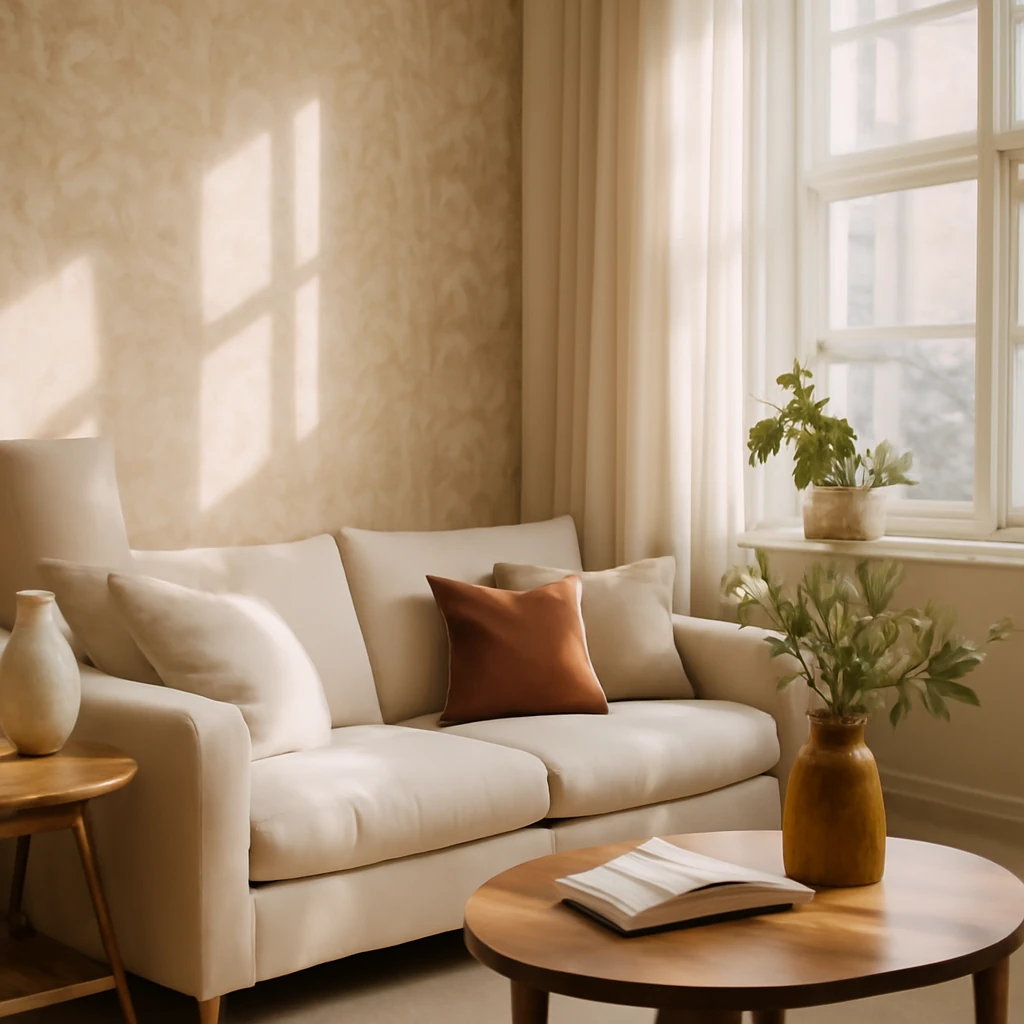
Introduction: wallpaper or paint - which finish lasts longer?
For homeowners across Europe, selecting the right wall finish is a defining moment in any renovation. Paint offers a clean, uniform field and a restrained elegance, while wallpaper provides texture, pattern and a distinctive character. The choice influences not only aesthetics but also initial costs, ongoing maintenance and the long-term life of a room. This article draws on design practice across European projects to present a practical, balanced view so you can decide with confidence.
In continental housing stock, walls range from lime-based plaster in historic buildings to smooth plaster in modern flats and timber-framed interiors. The conditions of each interior - daylight, humidity, traffic, and wear - shape how well a finish will perform. The question is not merely about colour, but about performance, maintenance and the way a finish ages with a space as it evolves with its occupants.
Cost and preparation: what to expect
Cost comparisons between paint and wallpaper hinge on the level of preparation required and the finish chosen. Painting often involves more upfront preparation, especially when walls are uneven or have historic cracks that can become more noticeable after fresh colour is applied. In many European renovations, walls in older properties may require patching, smoothing or stabilising measures before paint can be laid. In new builds, there can still be minor shrinkage and cracking that need addressing, and some designers prefer a reinforcing layer such as glass fibre mesh to prevent cracking as the structure settles. All of these steps add labour and materials costs, and the final price is influenced by the quality of the product selected and the complexity of the colour or finish.
Wallpaper installation, by contrast, often involves less wall preparation. Modern wallpapers are designed to conceal small surface imperfections and can be a quicker route to a refreshed look. In European practice, a washable or vinyl-backed wallpaper is common for high-traffic or moisture-prone areas, thanks to its durability and ease of cleaning. The preparation steps typically include cleaning the wall, patching significant defects and applying a stabilising primer, followed by accurate hanging and trimming along edges. In many scenarios, wallpaper can be less labour-intensive than painting, particularly on large uninterrupted walls with consistent surfaces. This can translate into lower installation costs, especially when opting for straightforward patterns and professional, efficient contractors.
Nevertheless, the decision should be grounded in the expected life of the finish. A well-prepared and properly applied paint system can offer exceptional durability, while wallpaper offers a lasting aesthetic that depends on the quality of the substrate and the pattern’s resilience to sun and humidity. In practice, many European projects combine both approaches strategically - painting for broad wall areas and wallpaper for feature walls or architectural details - to balance cost, practicality and design intent.
Durability and maintenance: longevity matters
Durability is a central factor for choosing between paint and wallpaper. A high-quality paint finish, particularly with an eggshell or satin sheen, tends to withstand regular cleaning and light abrasion well. With proper surface preparation and a durable topcoat, paint can stay vibrant for a decade or more and often up to 20 years in rooms with moderate use and protected light exposure. Importantly, repainting a painted wall is straightforward and cost-efficient, allowing you to refresh the colour without replacing the substrate. This capability makes paint an appealing long-term option for families, rental properties, and spaces subject to wear and tear or evolving style tastes.
Wallpaper, meanwhile, typically carries a shorter overall service life, commonly around 5–7 years in busy areas. Some wallpapers - particularly premium vinyl or non-woven varieties with high abrasion resistance - may extend beyond seven years, but even the best patterns will generally require replacement or a full wall re-papering after several years. Partial replacement is rarely feasible with traditional wallpaper, if a single wallpapered wall is damaged, you may be faced with replacing the entire room’s wallpaper to preserve a cohesive aesthetic. That said, wallpaper’s longevity is strongly influenced by environmental factors, including humidity, sunlight, and the wall’s substrate quality. In kitchens, bathrooms and other humidity-prone spaces, selecting formats designed for moist environments can significantly extend life, while choosing paints with high moisture resistance can likewise reduce maintenance needs.
When considering which option to favour, evaluate your tolerance for maintenance and your willingness to invest in periodic refreshment. A well-executed repaint offers the flexibility to shift colour as trends evolve or as the décor changes, often with less disruption and waste than re-papering a room.
Aesthetics and design flexibility: how finish and texture influence perception
Paint and wallpaper each offer distinct visual opportunities. A broad, uniform colour field created by paint is particularly effective in modern, minimalist interiors and can serve as a serene backdrop for furniture and art. The advantage of paint lies in its precise colour matching, broad palette, and ease of achieving a seamless finish across large areas. It also enables architectural detailing such as wall mouldings, plaster cornices and decorative trims to stand out or blend in, depending on the chosen technique and sheen. For spaces with strong natural light, light-coloured paints can reflect daylight, heightening a sense of airiness and space. In many European schemes, designers use colour strategically to define zones within open-plan layouts, using lighter hues to create a sense of flow and darker or more saturated tones to anchor seating areas and focal points.
Wallpaper brings texture, depth and personality to a room. It allows for patterns, textures and finishes that paint cannot easily replicate - from subtle linen-like textures to bold geometric motifs, from delicate metallic sheens to tactile surfaces with raised relief. Patterned wallpaper can create an intimate ambience or a dramatic focal point, depending on scale, colour and repetition. However, wallpaper patterns are fixed, the room’s natural light and the surrounding decor can alter the perceived effect of a given print. Seams are an inherent consideration with wallpaper and, in larger rooms, require careful alignment and matching across joins to preserve a continuous look. In spaces with tall ceilings or architectural detail, wallpapers with vertical patterns can accentuate height, while large-scale patterns can quickly dominate a room, so proportionality is crucial.
Beyond patterns, wallpaper offers the opportunity to add texture and a sense of tactility that paint cannot easily emulate. Embossed or textured wallpapers can create a subtle play of light and shadow, enriching the room’s material language. For ceilings, wallpaper is sometimes used as an accent feature to surprise the eye, though many designers prefer keeping ceilings plainer with painted finishes to avoid visual saturation.
Room-by-room considerations: what works where
Every room presents its own demands. Here are practical guidelines for common European layouts:
- Living rooms: A painted field offers a calm, adaptable backdrop for textiles and art. A single wallpaper accent wall can introduce warmth and personality without overwhelming the space, provided the pattern is scaled appropriately to the room’s proportions and lighting.
- Bedrooms: Soft, soothing paint tones are popular for sleep environments. Wallpaper behind the headboard can create a cosy focal zone, alternatively, a full-wall wallpaper in a restrained, low-contrast pattern can deliver texture without too much visual stimulation.
- Kitchens: Wall surfaces in kitchens benefit from materials that resist splashes and stains. Vinyl-backed wallpaper can perform well in designated zones, such as behind the sink or around the dining area, but durable, washable paints with moisture resistance are a reliable default for the majority of wall surfaces.
- Bathrooms and utility spaces: Moisture resistance is essential. Paints formulated for high humidity (semi-gloss or satin finishes) perform well on walls. If wallpaper is used, select vinyl or coated options specifically rated for wet rooms, ensuring proper ventilation and robust adhesive compatibility.
- Hallways and high-traffic corridors: These areas benefit from durable finishes. Wallpaper can deliver long-term visual appeal if a high-quality, wipe-clean vinyl variant is chosen, otherwise, painted walls with a durable finish provide a straightforward maintenance regime.
Materials, surfaces and technique: practicalities for European homes
Choosing between paint and wallpaper starts with the wall’s substrate and the climate of the space. In Europe, common substrates include plaster, plasterboard, and lime-based plaster in historic districts. Before applying either finish, assess the surface for moisture, mould, efflorescence and structural movement. If damp conditions or prior water intrusion exist, identify and repair the source and treat the substrate appropriately to prevent future issues.
Paint options: The sheen level governs both aesthetics and maintenance. Matte or flat paints offer a refined, subtle finish that hides imperfections but are less washable. Eggshell or satin sheens balance aesthetics and practicality, providing easier cleaning for living rooms and bedrooms. Semi-gloss paints are resilient in kitchens and bathrooms where moisture resistance is paramount, albeit at the cost of showing surface irregularities more readily. Low-VOC and zero-VOC paints are increasingly available, meeting environmental demands and improving indoor air quality.
Wallpaper options: Wallpapers range from traditional paper to non-woven and vinyl-backed varieties. Non-woven wallpapers are easy to install and remove, with good stability and dimensional control. Vinyl-backed wallpapers offer excellent durability and wipe-clean surfaces, making them suitable for kitchens, bathrooms and high-traffic zones. Paste-the-wall systems are convenient for large walls and reduce the risk of air bubbles when installed by seasoned professionals. When selecting wallpaper, consider the repeat pattern, scale relative to room size, and how the pattern will interact with architectural features such as arches, cornices and columns. A well-chosen pattern can emphasise a room’s proportions, while a poorly matched one can overwhelm them.
Surface preparation remains critical for both finishes. For painting, a perfectly smooth surface with even colour uptake is essential, so repairs, sanding and sealing should be meticulous. For wallpaper, the wall should be clean, dry and free of dust, with any cracks repaired and the surface primed to improve adhesion and longevity. The differences in preparation are a major reason painter’s and wallpaper installer’s quotes can vary widely, a precise, well-executed initial phase sets the stage for a durable and elegant result.
Environmental considerations: health, sustainability and odour
Indoor air quality matters in every European home. Paints with low or no volatile organic compounds (VOCs) are increasingly preferred for living spaces, reducing odour and improving indoor air quality during and after application. Wallpapers produced with sustainable inks, recyclable backing, and non-toxic adhesives align with broader European sustainability goals. Ventilation during installation and cure time is essential for both finishes. In older buildings, allow additional time for adhesives or plasters to cure and stabilise, as the rate of drying can be affected by temperature and humidity.
How to decide: a practical framework for your space
Making the right choice requires a structured approach. Consider the following steps to ensure you select a finish that aligns with your budget, lifestyle and architectural context:
- Assess wall condition: Are surfaces smooth and stable, or do they show cracks and movement? If significant repairs are needed, painting may appear more straightforward, while wallpaper can hide minor flaws but may complicate large structural issues.
- Define the space and light: Rooms with generous daylight may benefit from light paint hues to enhance airiness, while a wallpaper feature wall can add warmth or drama in the evening. In darker spaces, pale paints can maximise luminosity, while carefully chosen wallpaper with reflective textures can lift the mood.
- Set a maintenance plan: Are you prepared for periodic repainting or re-papering? If you prefer minimal upkeep, choose finishes with durable surfaces and washable textures suitable for the room’s use.
- Budget and lifecycle: Balance upfront costs with expected lifespan. Paint may offer lower initial cost and easy colour refreshes, while wallpaper may require higher initial investment but deliver lasting character in spaces that suit patterns and textures.
- Consider rental versus ownership: In rental properties, repainting is often easier to manage than re-papering. It may be prudent to select a neutral palette that can adapt to future tenants, keeping more ambitious patterns for smaller, removable elements such as soft furnishings or textiles.
- Test and sample: Collect swatches and test them in daylight across different times of day. Observe how the finish looks under artificial lighting and with adjacent furnishings before committing to a large-scale application.
Implementation steps: how to proceed with confidence
Once you have chosen between paint and wallpaper, a clear plan keeps the project efficient and minimises disruption:
- Prepare a design brief: Define the space, choose the palette or pattern scale, and determine where accent walls will appear. Decide on sheen levels for paint and the wallpaper’s texture and pattern balance.
- Source samples and verify compatibility: Obtain large-scale samples to view in the room’s natural and artificial lighting. If combining finishes, ensure a harmonious transition and a consistent colour base.
- Get professional quotations: Engage reputable contractors with portfolios in similar European contexts. Request itemised quotes that separate preparation, materials, installation, and finishing work to compare accurately.
- Plan for downtime and disruption: Painting and wallpaper installation can require room closure. Schedule work to minimise impact on daily routines and protect furniture and fabrics during the process.
- Outline maintenance post-completion: Agree on care instructions, cleaning regimes, and any anticipated refresh cycles for the chosen finish.
Conclusion: making a confident choice for European homes
There is no single universal answer to whether wallpaper or paint is superior. The decision depends on the space, its function, the wall substrate, light conditions, lifestyle and the time horizon for updating the interiors. Paint offers a quiet, adaptable backdrop with a long potential life and easy, affordable refreshes. Wallpaper, when selected with care, delivers texture, pattern and tactile richness that can transform a room’s mood and personality. In many European projects, designers combine both approaches - paint for large areas and wallpaper for accents or architectural focal points - to achieve a balanced, timeless look that respects the building’s heritage while embracing contemporary living. By understanding preparation needs, durability expectations, and the room’s lighting and use, you can choose a wall finish that remains beautiful and functional for years to come.
You may also like these articles
 Renovation
Smart, Budget-Friendly Kitchen Renovation: Seven Practical Strategies
Smart, budget-friendly strategies transform European kitchens.
Bathroom Design
Spa style bathrooms for 2026: natural tones, curved forms and tactile textures
Spa inspired bathrooms for 2026: natural tones, curves and hidden storage
Interior Design
Euro Two-Bedroom Flats: Flexible Layouts for European Living
Smart layouts and stylish zones for compact European homes.