
Explore interior trends, AI design insights, styling guides and real transformations
Designing and Filling the Hallway Wardrobe for European Homes
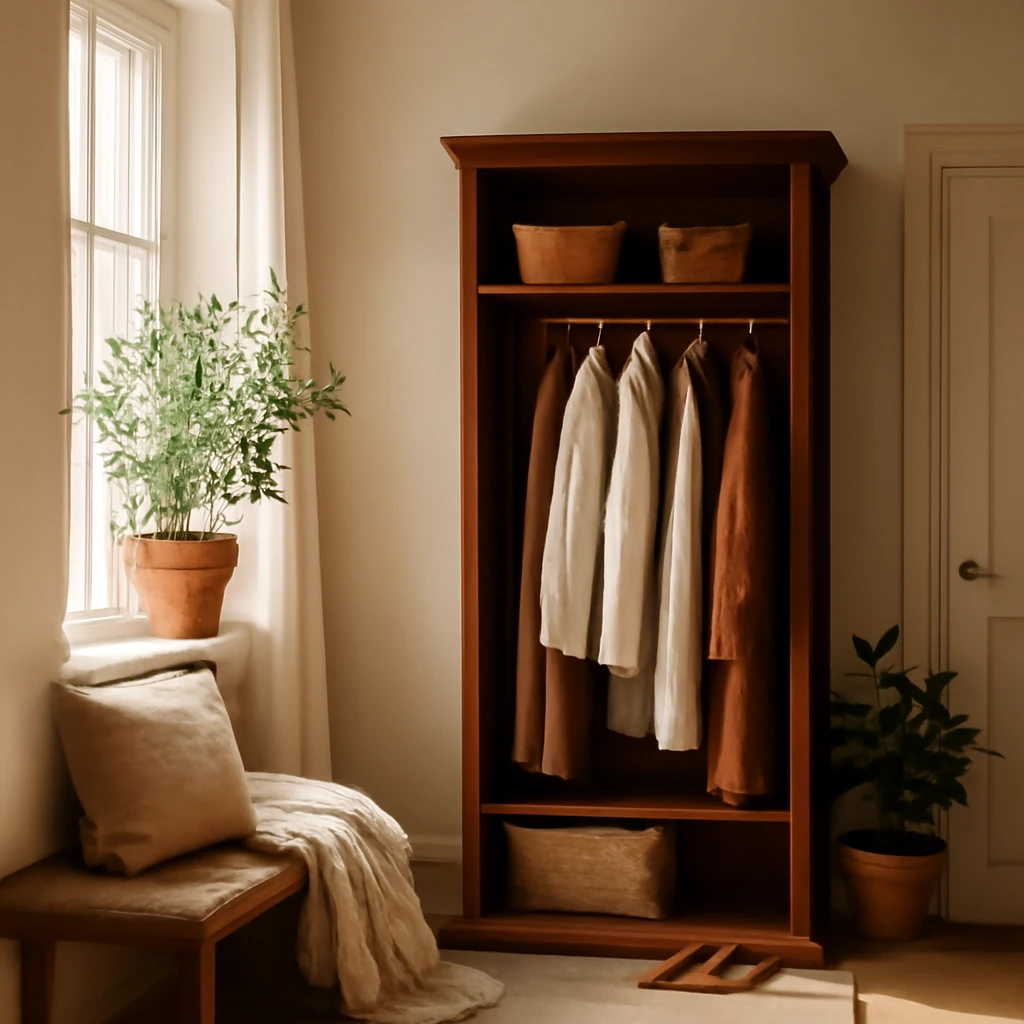
Designing and filling the hallway wardrobe for European homes
The entrance area is the first lived-in space guests notice and the daily gateway between outdoors and indoors. In many European homes, the hallway is compact, multifunctional and subject to higher humidity and wear, making careful planning essential. A well conceived wardrobe not only keeps coats, shoes and accessories tidy but also contributes to the cohesion of the whole home. This article explores how to design, select and organise a hallway wardrobe that fits European living patterns - whether you favour built‑in, freestanding, or hybrid solutions - and how to tailor the interior layout to your daily routines.
Contemporary design principles for hallway wardrobes
A successful hallway wardrobe balances scale, accessibility and material durability. Key principles to guide your decision include:
- Proportion and alignment: the wardrobe should sit comfortably against the wall without crowding doorways or furniture. It is common to extend the wardrobe to ceiling height in contemporary schemes, which maximises storage while reducing dust collection between the top and the ceiling.
- Integration vs. presence: in many European interiors, a wardrobe is either deliberately visible as a design feature or seamlessly integrated into cabinetry that reads as part of the wall. Both approaches can work well, the choice depends on the prevailing interior style and the space available.
- Materials and finishes: hallways endure moisture, mud and frequent cleaning. Durable, wipe‑clean surfaces such as melamine, laminate, lacquered plywood or solid wood with protective finishes are reliable choices. Matte finishes minimise fingerprints and scuffs, lighter tones open up tight spaces, while timber veneers add warmth without heaviness.
- Door configurations: hinged (pivotal) doors, sliding doors, or a combination. Hinged doors provide straightforward access to all compartments, while sliding doors are ideal for narrow corridors where space for door swing is limited.
- Storage zoning: designate lower zones for footwear, middle sections for everyday wear, and upper compartments or overhead storage for seasonal items. Include pockets for accessories such as hats, gloves and belts.
Sizes and compartments: sizing the storage to the space
The internal organisation of a hallway wardrobe depends heavily on the space you have and the items you intend to store. The following guidelines reflect common European practice and can be adjusted to suit individual household needs.
- Depth for hinged wardrobes should be no less than 60–65 cm. This depth accommodates bulkier coats and long garments without crowding the door.
- Depth for sliding (cupboard‑type) wardrobes is typically about 70–75 cm, to allow smooth running of tracks and comfortable access to shelves and rails.
- Long garments (coats, overcoats, trench coats, winter coats) benefit from a vertical clearance of 1.4–1.7 m.
- Short upperwear (jackets, cropped puffers, lightweight vests) can be accommodated at 0.9–1.15 m high.
- Lower zones for footwear should consider a floor‑to‑base clearance of 20–25 cm for small shoes, and 50 cm or more for tall boots. If space allows, dedicate a section around 60 cm high to accommodate a range of footwear types.
- Accessories such as scarves, hats and gloves are well served by a shallow drawer or a series of wire baskets at mid‑height, these modules are typically 12–20 cm high per basket, depending on the number of units you install.
- Bag, briefcase and backpack zones often sit at 40–60 cm above the floor, allowing easy reach for daily items without bending.
In addition to the main storage, plan for spaces to house cleaning utilities, compact ironing boards or a slim vacuum cleaner if the footprint allows. Where space is tight, a wardrobe can incorporate a dedicated niche for a small laundry basket or a fold‑away ironing board to keep the corridor uncluttered.
Three main strategies for filling the wardrobe
Most hallway wardrobes are organised into three horizontal zones: lower, middle and upper. The exact configuration depends on whether you opt for a hinged, sliding or hybrid system. Here are the three common approaches:
1 section
Suitable for the smallest hallways or narrow alcoves. A single section can be composed of a tall shoe rack and a single rail for long coats, or a stack of wide shelves for seasonal items. When space is limited, deep‑drawered baskets and shallow shelves near the base help maintain organisation without protruding into the doorway.
2 sections
With around 1 m width, you can combine upper clothes on a rail with lower shelves or drawers. This arrangement supports a clear separation between outerwear and footwear and can accommodate a compact wardrobe with a central hang rail flanked by shelves on either side. A typical built‑in arrangement might feature a tall section with a full‑height rail and a shorter adjacent cabinet for shoes or folded garments.
3 sections
About 1.3–1.4 m wide opens up the possibility of two zones for coats on rails, plus a central shelf bank or set of drawers for accessories and small items. This configuration also allows a dedicated area for bags and daily essentials. If the ceiling height is generous, consider a shallow overhead compartment for seasonal items or luggage, accessed by a foldable loft shelf or a pantograph lift system.
4 or more sections
For larger configurations, a full wardrobe becomes a compact walk‑in within the hallway. This arrangement may include separate compartments for long and short outerwear, multiple shoe zones, a set of drawers for scarves and hats, and a dedicated space for sport equipment or cleaning tools. A high, wall‑to‑wall cabinet can function as a compact mini‑wardrobe, keeping the corridor tidy while delivering substantial storage capacity.
Additional modular features can include pull‑out organizers, labelled baskets, divider inserts, deep drawers for bulk items, and a garment lift (pantograph) for easy access to high shelves. These elements are particularly helpful in households with variable storage needs or with frequent changes in wardrobe contents.
Designing your own hallway wardrobe: a practical workflow
Planning a hallway wardrobe is a process of translating daily habits into architecture. A simple, repeatable workflow helps ensure a functional result and a design that stands the test of time.
- Measure the available space: length, depth, and height. Note any obstructions such as radiators, sockets, switches, doors and mouldings.
- Audit the family wardrobe: identify what garments and items are stored, in what quantities, and how often they are used. Sort items into categories (coats, footwear, handbags, seasonal gear, cleaning tools, travel equipment).
- Assess bulkier items: determine whether your space accommodates a bulky vacuum cleaner, ironing board, luggage or sports equipment and how they will be accessed.
- Decide on the door strategy: hinged doors offer full visibility of contents and convenient access, while sliding doors are ideal for narrow corridors. A combination can work where mid‑height storage is mirrored behind sliding panels for a neater appearance.
- Draft the layout: start with the largest modules (coat rails, tall wardrobes) and work down to shelves, drawers and baskets. Consider future needs and how to reconfigure modules if family circumstances change.
- Choose materials and finishes: opt for durable, easy‑to‑clean surfaces. Matte finishes are practical in busy hallways, light wood tones can help to visually expand the space, glass or mirror fronts should be used judiciously to avoid over‑reflectivity in cramped corridors.
- Fine‑tune details: add dedicated pockets for keys, umbrellas, and sunglasses, plan a seating element if space allows, integrate lighting to improve visibility and enhance the appearance of the space.
Construction types: built‑in, freestanding, and hybrid solutions
Your choice of construction fundamentally shapes how you fill and access the wardrobe. Here are the three main approaches used in contemporary European interiors.
Freestanding (cabinet) wardrobe
A freestanding wardrobe is a self‑contained piece of furniture with its own sides, top and back. It can be positioned wherever there is a suitable opening and is generally the most flexible option. Key advantages include cost efficiency, easier replacement or relocation, and a broad selection of finish options. The downside can be a less seamless integration with the wall and ceiling, and sometimes larger external dimensions that intrude into the room’s footprint.
Built‑in wardrobe
Built‑in wardrobes are designed to fit precisely into a niche or wall cavity, often with no back panel or with panels trimmed flush to the surrounding wall. This approach maximises available space and offers the most versatile interior configurations, letting you tailor depths, heights and internal modules to suit exact needs. Because they are custom fitted, built‑ins may require longer lead times and higher costs, but they provide a high‑level of integration and a refined finish.
Walk‑in/wardrobe system
The most expansive option is a walk‑in or walk‑through wardrobe adjacent to the hallway. In compact European floor plans, a carefully designed walk‑in can still feel compact if it is logistically organised and uses reflective surfaces or glass to make the space feel larger. A walk‑in offers generous flexibility for a range of storage modules, from long garment rails to deep shoe shelves, drawers, baskets and display spaces. It can be costlier and requires dedicated space, but it is highly functional for households with significant wardrobe needs.
Combined solutions
Many modern projects blend built‑in elements with freestanding units. This hybrid approach allows for a personalised floor plan while maintaining the recognisable benefits of wall integration where most practical. For instance, a built‑in tall wardrobe can sit alongside a freestanding chest of drawers or a small seating bench, creating a compact, multi‑use entry zone without sacrificing style.
Doors: hinged versus sliding
Door type is a defining feature of the hallway wardrobe. Each option has strengths and compromises, particularly in relation to space, access and aesthetics.
Hinged doors
- Access to all compartments at once, which is convenient for checking contents and rearranging items.
- Typically straightforward to install and repair, offers a classic, timeless look.
- Requires clearance to swing open, which can be challenging in narrow corridors or in front of radiators and doors.
Hinged wardrobes are well suited to wider hallways where door swing can be accommodated without obstruction.
Sliding doors
- Ideal for narrow or highly trafficked corridors where space for door movement is limited.
- Tracks and mechanisms occupy some internal space, slightly reducing usable depth, but the front can be a sleek, streamlined surface.
- From a design perspective, sliding doors offer opportunities for mirror panels or glass fronts to visually expand the area and reflect light.
Sliding wardrobes are particularly popular where compact floor plans prevail, or where the corridor doubles as a passage to other living spaces.
What’s in fashion for hallway wardrobes
Current trends emphasise calm, utility and enduring materials. While fashion cycles vary, some universal directions are evident in European interiors:
- Minimalist and integrated forms: clean lines, concealed hardware and wall‑flush panels help the wardrobe blend with the architecture and reduce visual clutter.
- Neutral palettes with subtle warmth: white, grey, stone and pale timber tones are common, with occasional soft accent colours used sparingly for depth.
- Doors matched to wall colours: painting fronts or veneering to align with wall tones creates a cohesive, almost invisible storage solution.
- Matte rather than glossy surfaces: a matte finish is practical, modern and forgiving of fingerprints and dust.
- Mirrored fronts in moderation: mirrors continue to be used for light enhancement and spatial perception, but plain, clear or tinted glass fronts are increasingly preferred for a refined look.
- Ceiling‑to‑floor heights: high wardrobes that reach the ceiling optimise storage and minimise dust collection between the top and wall.
Variations exist depending on regional housing stock and architectural language. In densely built urban environments, many households favour bespoke, wall‑recessed or wardrobe‑within‑wall solutions to maximise usable space while preserving the room’s proportions.
Materials and maintenance for hallway wardrobes
Durability is a primary consideration when selecting hallway storage. Materials should be selected for resistance to impact, moisture and frequent cleaning. Practical options include:
- Melamine or laminated boards with a protective edge and a tough top surface that resists moisture and scuffs.
- Coated plywood or fibreboard for a balanced mix of strength, stability and cost‑efficiency.
- Solid wood or veneer provides warmth and longevity, though it may require more maintenance to prevent moisture damage in humid climates.
- Laminate or glass fronts offer a contemporary aesthetic and ease of cleaning, provided they are properly sealed and framed to minimise chipping or delamination over time.
- Hardware quality: robust hinges, runners and soft‑close mechanisms extend the life of the wardrobe and improve daily use, particularly in high‑traffic areas.
In addition to material choice, pay attention to ventilation in enclosed wardrobes to prevent mould in damp climates. A small vent, breathable fabrics for interior lining, or strategic shelving that allows air flow can help keep garments fresh between seasons.
Practical layout ideas for different hallway shapes
Hallways vary significantly between European homes. Here are adaptable ideas for common configurations:
- Rectangular corridor: a continuous, wall‑to‑wall built‑in wardrobe creates a streamlined look. If space allows, place a full‑height mirror on one door or panel to visually expand the corridor and add light.
- L‑shaped or corner corridor: utilise the corner with a corner‑built wardrobe module or a slim freestanding cabinet that runs along the shorter wall, leaving a clear path in the bend. Consider a door that opens away from the corner to avoid collisions.
- Narrow passage with a side alcove: a slim sliding door module can be used to maintain a clean line, while a shallow top compartment holds seasonal items and hats that are not needed daily.
- Open pairing: combine a closed wardrobe with a small seating or bench unit for quick shoe changes. A bench also provides a natural anchor for the space and can double as a display for seasonal accessories.
Practical planning checklist
Before committing to a particular system, run through this concise checklist to ensure the design will fulfil daily needs and endure wear:
- Assess the space: measure length, width and height and note any obstructions. Don’t forget to account for swing clearance if you choose hinged doors.
- Inventory your items: quantify coats by length, footwear by height, and bags by size. This helps determine the number and size of compartments required.
- Define zones: decide which items belong in the lower, middle and upper sections, and plan dedicated niches for seldom‑used items (seasonal gear, luggage).
- Choose a door strategy: consider corridor width, traffic flow and the need for mirrors or reflective surfaces in the doors.
- Consider future needs: households evolve, plan for adjustable shelves, moveable rails and flexible drawer configurations that can be re‑balanced over time.
- Budget and timeline: set a realistic budget, including installation costs for built‑ins, and allow for lead times if bespoke components are required.
Speedy guide to installation and care
Whether you opt for a freestanding or built‑in wardrobe, proper installation is essential to longevity. For built‑ins, ensure the unit is precisely aligned with walls and ceiling and that any gaps are minimised to prevent dust ingress. For freestanding pieces, check level feet and stability, and consider wall anchoring in crowded entryways to prevent tipping or movement in busy households.
Maintenance is straightforward: wipe surfaces with a soft damp cloth, avoid harsh solvents that can strip finishes, and periodically check hinges, runners and soft‑close mechanisms for smooth operation. Keep the interior dry and avoid overloading drawers to maintain glide quality. If you notice swelling or warping in humid climates, reassess materials and consider adding ventilation or dehumidification in the entry area.
Decision guide: choosing the right system for your space
Selecting between a built‑in, freestanding or hybrid system hinges on three core factors: space, budget and the desired level of integration with the rest of the interior. Here is a concise decision guide to help you prioritise:
- If space is abundant but you value a seamless aesthetic: consider a built‑in, wall‑flush wardrobe with modular interior components that maximise every inch.
- If you require flexibility and quick installation: a freestanding wardrobe allows you to move or replace the unit with relative ease and often at a lower upfront cost.
- If your hallway is narrow and needs robust storage: opt for sliding doors to preserve floor space and choose interior modules that optimise vertical storage with two or three tiers of rails and shelves.
- If you want to minimise maintenance: select durable laminate or melamine finishes with integrated soft‑closing hardware for longevity and ease of use.
Conclusion: a hallway wardrobe as a design and function driver
The hallway is a junction between the outside world and the home you want to present. A well‑designed wardrobe does more than store coats, it communicates calm, efficiency and a sense of care for everyday life. In European homes, where space can be precious and climate variable, durability, modularity and thoughtful detailing matter as much as appearance. By assessing space, inventory, and daily habits, you can create a hallway wardrobe that works as hard as it looks, supporting orderly living while contributing to the overall aesthetic of your home.
Notes on style and long‑term value
A timeless hallway wardrobe tends to prioritise restrained forms, neutral palettes and durable finishes. It should feel appropriate to the architectural language of the home and flexible enough to adapt to future needs. A design that blends with wall colours, integrates with lighting and complements adjacent furniture is more likely to stand the test of time. Finally, consider how the wardrobe will age in place: choose materials and fittings that can be refreshed with a new door facings or re‑skinned with a different colour without a complete rebuild.
Checklist for retailers and designers
- Offer a range of depths (60–75 cm) to accommodate different interior configurations and garment lengths.
- Provide both hinged and sliding door options with robust hardware and easy installation procedures.
- Curate interior fittings that include adjustable shelves, rails for varying garment lengths, shallow drawers for small items, and dedicated spaces for footwear.
- Incorporate moisture‑resistant finishes and easy‑clean surfaces appropriate for entryways.
- Promote modular solutions that can be scaled up or down as needs change, preserving future value.
Whether you are renovating an old apartment or designing a contemporary foyer from scratch, a carefully planned hallway wardrobe will reduce clutter, improve daily routines and anchor the overall interior language of your home. By balancing function, form and durability, you create a space that welcomes you back every day with order and calm.
You may also like these articles
 Tips & How-To
Mouldings in Interiors: Framing Space with Timeless Detail
How mouldings transform interiors—from zoning to visual height.
Kitchen Design
Designing a Grand Kitchen for a Modern European Home
A guide to planning and styling a large European kitchen with smart layouts and durable finishes.
Interior Design
Baroque Interiors for Modern Europe: Luxury, Restraint and Statement Details
A refined guide to infusing Baroque drama into contemporary European homes.