
Explore interior trends, AI design insights, styling guides and real transformations
Soft Structures, Flexible Living: Modular Sofas for European Homes
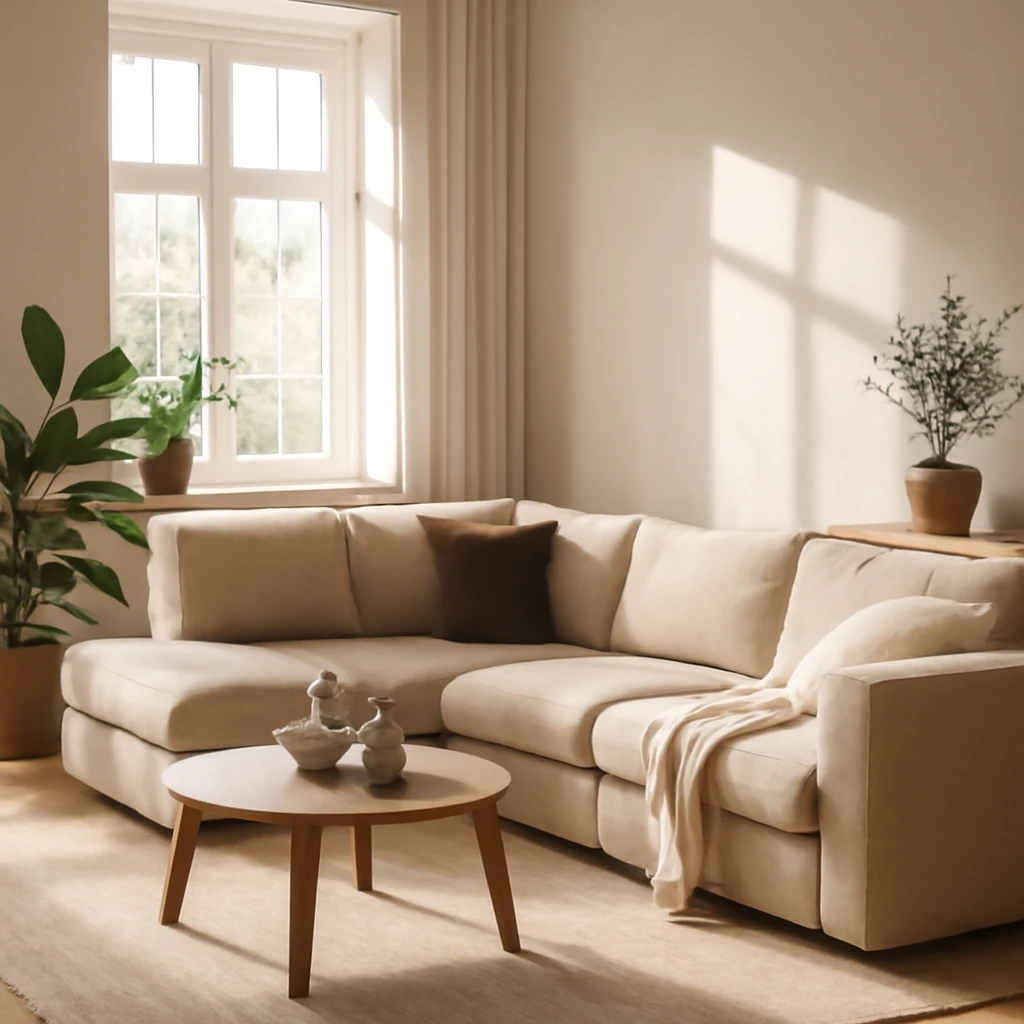
Soft structures, flexible spaces
In European living spaces, where apartment sizes range from compact city flats to generous open-plan lounges, the modular sofa offers a uniquely adaptable solution. Far more than a single piece of furniture, a well‑designed modular system acts as a living framework: you decide the form, the scale, and the purpose of each component. It is a design instrument that can accommodate daily routines, entertaining, reading, and quiet moments of respite. In short, modularity translates to control - over shape, comfort, and how a room feels.
Configurations that fit your life
The beauty of modular seating lies in how the pieces relate to the room. You can compose the basic shapes to match architectural lines, traffic flow, and social needs. Common configurations include straight runs that align with walls, corner or L‑shaped arrangements that hug a niche or window, island or floating modules that invite conversation around a central coffee table, and, in larger rooms, a P‑shaped arrangement that creates a built‑in seating peninsula - ideal for a home cinema or a multipurpose living zone.
- Straight modules mirror wall lines or sofa‑length windows, creating clean, linear silhouettes that suit minimalist and contemporary schemes.
- Corner/L‑shaped systems maximise seating in awkward or irregular spaces, turning awkward corners into social hubs.
- Island or floating configurations establish a conversational circle around a coffee table, particularly effective in open‑plan living areas.
- P‑shaped arrangements provide a generous central seating area with a connected footprint, useful for media viewing or family gatherings.
One of the genuine advantages is the ability to evolve. If the room changes - perhaps a new desk needs space, or a wall becomes a new focal point - the modules can be reoriented without replacing the entire sofa. This adaptability is especially valuable in European homes where rooms are frequently multi‑functional and reconfigurable.
From couch to room within a room
Modular systems empower you to reframe a space according to occasion. A corner unit can be shifted to form distinct zones for lounging, reading, or playing with children. By surrounding a low coffee table with modular pieces, you create a relaxed, inclusive seating zone perfect for gatherings. In larger lounges, a linear run can be broken into sub‑areas using a chaise longue or a slim ottoman as a transitional element. And for evenings, certain configurations - such as turning a U‑shaped module into a cinema‑style seating row - can transform the living area into a cosy home theatre.
Quality and comfort: what to look for in modules
Choosing modular seating means prioritising comfort, durability, and the long‑term suitability of the fabric and fill. In contemporary European interiors, several factors influence daily satisfaction:
- Cushion composition varies by model. Some cushions use pocket springs for support paired with foam for a responsive feel, others rely on high‑density foam or a memory foam layer for shape retention. Consider how often you use each module and whether you prefer a plusher or firmer sit.
- Seat depth and height affect ergonomics. A standard seat depth of 60–75 cm works well for most, with seat heights around 40–45 cm to align with coffee tables and end furniture.
- Back support should offer balanced support for the vertical spine. A higher back suits lounging and reading, a lower back can render a more contemporary, streamlined profile.
- Upholstery and finishes range from natural fabrics such as wool and linen to performance textiles, bouclé, velvet, and leather. In high‑traffic European homes, durable, stain‑resistant fabrics with easy cleaning codes are popular choices.
- Flexibility and connectors loose modules may use discreet bindings or non‑rigid connections that allow effortless rearrangement, while fixed systems rely on subtle fasteners or corner connectors to maintain unity during daily use.
When evaluating options, request a practical balance: comfort that lasts, materials that stand up to family life, and modular components that remain elegant as you reconfigure layouts over time.
Dimensions and modular growth
A core benefit of modular sofas is the ability to adjust the footprint to suit the available floor space. European rooms vary greatly in width and depth, and modular pieces provide a scalable path from compact to expansive seating. Typical approaches include:
- Single modules around 80–120 cm in width can form a basic sofa segment that suits narrow rooms or as a starting point for larger schemes.
- Standard modules of 100–180 cm allow for generous seating while preserving traffic clearance and visual balance with other furniture.
- Strategic add‑ons extra chairs, ottomans, or chaise modules can be added later to fill a generous lounge or a newly partitioned space without starting from scratch.
Beyond width, depth and height matter. Plan with a typical sofa depth of 60–75 cm and an arm height around 60–75 cm. These proportions help ensure that each module reads as part of a cohesive system while accommodating diverse activities - from intimate chats to movie nights. When you have an irregular room - such as a recess, a bay window, or a protruding pillar - one or more modules can be uniquely sized or positioned to balance the geometry and to disguise any awkward angles.
Two main types: loose modules versus fixed systems
Modular sofas come in two broad flavours: loose, independent modules and a fixed, integrated system. Each has merits depending on lifestyle and space.
- Loose modules offer maximum flexibility. They can be rearranged daily, swapped between rooms, or reconfigured to suit different gatherings. This variant is ideal for people who revel in changing interiors and who want to experiment with room zoning.
- Fixed or semi‑fixed systems use connectors, rails, or light fastenings to hold modules in a consistent arrangement. They provide a tidy, cohesive look with fewer concerns about movement during daily use. They are well suited to shared family spaces where stability and alignment with other built‑in elements (like shelving, media units, or a dining area) are priorities.
In both cases, the key is thoughtful planning and specification: ensure the connectors, fabric, and frame construction align with how you live, and confirm that the system can be professionally assembled and adjusted as needs evolve.
Small spaces: making modular seating count
European urban homes frequently demand intelligent, space‑savvy design. In compact living rooms, modular sofas can maximise seating without compromising circulation. Consider these practical strategies:
- Sectioning with scale choose modules whose widths align with doorway widths and interior arches, minimising awkward overhangs and ensuring smooth passage between zones.
- Corner usefulness a compact L‑shape can make the most of a corner while still allowing space for a coffee table and a chair or two.
- Clearance and walkways maintain at least 80 cm of clear passage around the seating to accommodate movement and chair swivels.
- Rug anchoring a well‑chosen rug can visually tie modules together and define living zones in open plans, without visually cluttering the space.
For smaller rooms, modular options with slim arm profiles and low backs can preserve sightlines and keep the space feeling breathable, while still delivering ample seating for guests.
Materials, finishes and sustainability
In Europe, a growing emphasis on responsible design informs every stage of a sofa’s life - from production to maintenance. When selecting modular seating, consider:
- Fabrics and finishes natural fibres such as wool, linen, and cotton blends offer tactile warmth and breathability. Bouclé provides a forgiving texture that hides wear, while velvet adds luxe sheen. For families or high‑traffic rooms, performance fabrics with stain resistance and easy cleaning codes are common and practical choices.
- Leather and alternatives full‑grain or corrected leather can bring durability and a refined look, while high‑quality leather alternatives offer lower maintenance with similar aesthetics.
- Sustainability look for European mills and suppliers that prioritise responsibly sourced materials, low‑VOC finishes, and recycled or recyclable components. Modular systems also encourage longevity - pieces can be added or reconfigured rather than replaced, reducing waste over time.
- Frame and springs a robust frame from hardwood or engineered timber with quality joinery ensures longevity. Independent springs or high‑density foams provide long‑lasting comfort and support for many years of use.
When in doubt, request performance and care information in writing, and ask about warranty terms and repair options. A modular sofa is a long‑term investment, it should be as practical as it is beautiful.
Planning tips: how to specify a European modular sofa
To ensure the final configuration meets your needs, adopt a structured approach during the design phase. Consider the following steps:
- Assess the space take precise measurements of floor area, door widths, and ceiling heights. Note any architectural quirks - niches, alcoves, or columns - that might influence layout.
- Define the primary function decide whether the sofa will mainly accommodate family evenings, entertaining guests, reading corners, or a mix. This determines the balance between depth, back support, and seat height.
- Choose a dominant module pick a central piece - a generous corner unit, a long straight run, or a chaise‑longue element - that anchors the room and informs surrounding modules.
- Map potential layouts sketch several configurations, considering traffic flows, window light, and focal points such as a television, fireplace, or view. Don’t forget clearance around coffee tables and side tables.
- Test scale and proportion compare module widths with overall wall length to ensure the system reads as a cohesive whole rather than a set of random blocks.
- Access and installation confirm that doorways, staircases, and lifts can accommodate the delivery of large modules. Plan for professional installation if the system relies on fixed connections or precise alignment with built‑in elements.
- Maintenance and care choose fabrics that suit your lifestyle and climate. Ask about cleaning schedules, stain‑response, and seasonal refresh options to keep the system looking fresh.
With a measured and methodical approach, a modular sofa becomes a living platform - scaling, adapting, and evolving with the room and your life.
The room as a designed ecosystem: lighting, textures, and complementing pieces
A modular sofa is a core element of a broader interior ecosystem. The palette, textures, and lighting you pair with the seating influence how the space feels and functions. Consider these integration ideas:
- Colour and texture choose upholstery colours that harmonise with wall tones and flooring. Neutral bases with tactile textures - bouclé, linen, or wool - offer versatility, while bolder hues can anchor a vibrant scheme in larger rooms.
- Layered lighting deploy ambient, task, and accent lighting to complement modular configurations. Wall‑mounted lamps near reading zones, soft floor lamps beside end modules, and recessed ceiling fixtures can cue different moods without overwhelming the fabric palette.
- Textural contrasts mix materials at coffee tables, sideboards, and rugs to add depth. A low wooden table with a metal edge, paired with a soft rug and warm lighting, creates a welcoming, contemporary centre.
- Rugs and floorplans rugs help anchor a modular arrangement. A rug that fits beneath the entire seating group can unify multiple modules, while smaller sizes can define intimate nooks within a larger space.
Ultimately, the room should feel coherent and comfortable. The modular sofa is the spine of this coherence, but the surrounding elements - lighting, textiles, and accessories - bring the personality and warmth that characterise a European home.
Maintenance, care and durability
To maximise the life of a modular sofa, adopt practical maintenance routines. Regular vacuuming prevents dust and debris from wearing fabrics. Address spills promptly with the cleaning codes recommended by the manufacturer, and rotate cushions where possible to ensure even wear. If a fabric isn’t performing as hoped in a particular climate or household, modular systems simplify updates: you can re‑upholster or replace individual modules without disturbing the rest of the configuration.
Timelessness versus trend: designing for longevity
Modular sofas excel because they are inherently timeless in form and flexible in function. A clean, well‑proportioned silhouette in high‑quality materials can remain stylish across seasons, while the modular nature invites subtle refreshes through fabric changes or reconfigurations. In a European setting where homes evolve with family needs and lifestyle shifts, modular seating offers a sustainable path: update cushions or swap modules to alter scale and ambience rather than replacing the entire sofa.
Conclusion: a flexible system for evolving spaces
A modular sofa is more than a seating arrangement - it is a responsive system that grows with your home. In European living rooms, where architecture and life are diverse, modular configurations enable you to tailor comfort, scale, and social interaction to the moment. Whether you are accommodating a cosy family evening, hosting a gathering of friends, or carving out a quiet reading corner, a well‑designed modular sofa serves as a dependable canvas for daily life and memorable gatherings. By prioritising comfort, durable construction, and adaptable layouts, you can craft a living room that remains welcoming, useful, and beautifully cohesive for years to come.
You may also like these articles
 Tips & How-To
Cozy and Calm: 20 Budget-Smart Ways to Warm Up a European Home
Budget-friendly ideas to infuse warmth and personality into European homes.
Interior Design
Loft Living: Industrial Chic Redefined for European Homes
Industrial chic meets European living: a guide to loft-inspired interiors.
Colour & Materials
Grey in Interiors: Nine Timeless Pairings to Elevate European Homes
Discover how grey anchors European interiors with nine versatile pairings.