
Explore interior trends, AI design insights, styling guides and real transformations
Post-Renovation Cleaning: Eight Essential Steps for a Fresh European Home
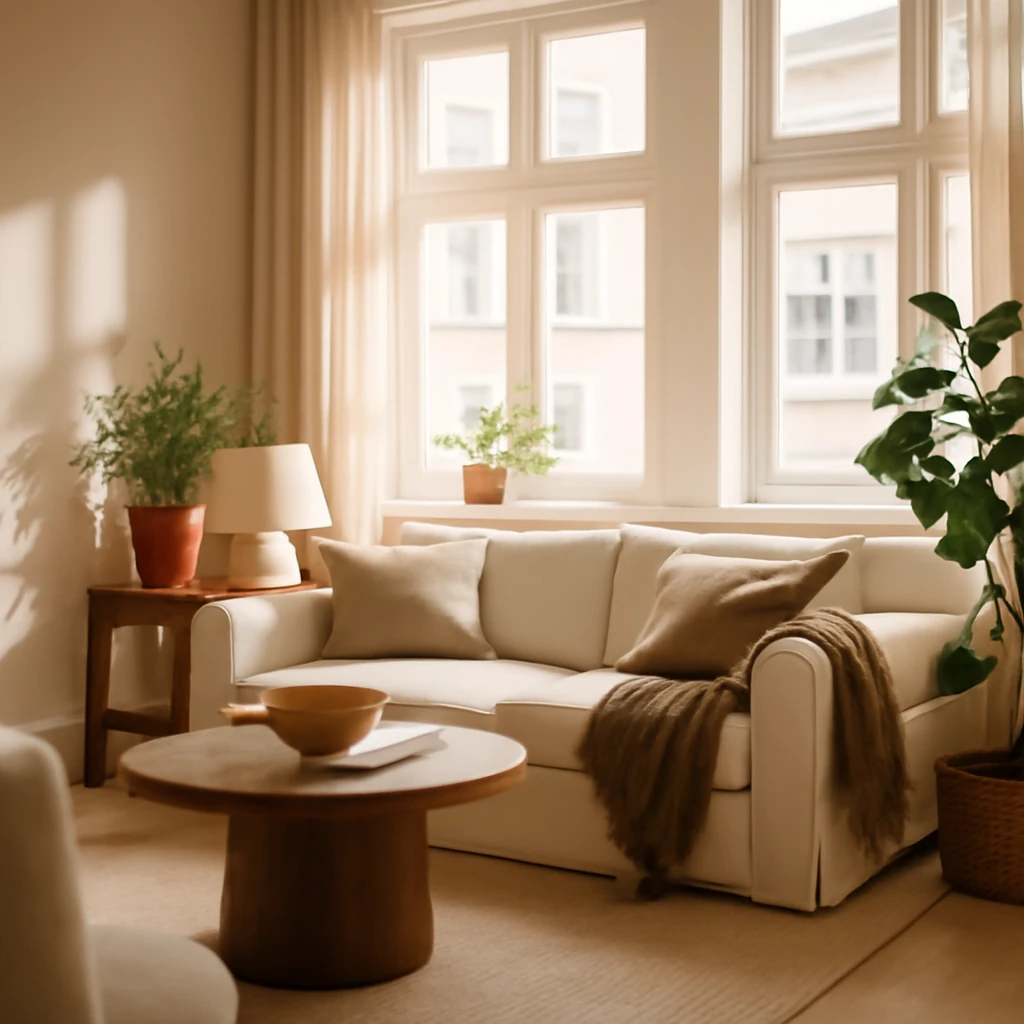
Introduction: a practical approach to post‑renovation cleaning
Renovating living spaces across Europe often leaves a generous layer of dust, fine debris, and lingering odours. Even cosmetic updates can disrupt daily life, and the cleaning task that follows requires a structured approach. This guide translates the lessons learned from European homes into an eight‑step plan that emphasises efficiency, safety, and sustainability. From planning and waste management to dusting from top to bottom and refreshment of furniture, the process is designed to be thorough without being overwhelming.
Post‑renovation cleaning is not just about making rooms look presentable, it is about restoring a healthy indoor environment. Construction dust contains fine particles that can affect air quality, and residual chemicals from adhesives, paints, varnishes, and solvents may linger. A well‑executed clean can also reduce long‑term damage to surfaces and fixtures, safeguarding investments in flooring, walls, and fittings. The approach below is tailored to European homes with diverse layouts, multi‑room corridors, and a range of finishes, while keeping within local waste guidelines and safety standards.
Planning and preparation
A successful cleanup begins with a clear plan. If the renovation spanned several rooms or an entire apartment or house, it is sensible to break the work into manageable sessions rather than attempting everything in a single day.
What to plan for:
- Scope and schedule. Define which areas require attention first. In most cases it is best to tackle the most dust‑ridden zones first and then progress to less affected spaces. Allocate several days if possible, a compact city apartment might be cleaned in a long weekend, whereas larger homes may need a staged timetable.
- Helpers. Consider who will assist. Family members, neighbours, or local cleaning services can be engaged for tasks such as window cleaning or heavy lifting. Decide what you will do yourself and what you will delegate to specialists.
- Necessary tools and equipment. List what you already own and what you may need to rent or purchase. A professional vacuum with a high‑efficiency filter, along with microfibre cloths, bucket, standard and specialised cleaners, and a stable step ladder, will streamline the process.
- Personal protection. Have masks or respirators, disposable or reusable gloves, and eye protection ready. Dust and chemical agents can irritate the airway and skin, so protection is essential for every stage of cleaning.
- Storage and waste containers. Prepare sturdy rubbish sacks, sealable boxes, and bags for different waste streams (general waste, recyclables, and construction debris). For European contexts, check what is accepted by your local authority or building management.
-
Plan for the essential cleaning gear. A concise checklist can save time and prevent repeated trips to the hardware store:
- HEPA‑filtered vacuum cleaner (professional grade if possible)
- Microfibre cloths in assorted sizes
- Non‑abrasive sponges and brushes
- Bucket and two–three buckets for rinse and clean water
- Glass and stainless steel cleaners, universal degreasers, and a selection of specialty cleaners
- Ladder or stable step stool, extendable pole for high ceilings and cornices
- Protective coverings for furniture and fixtures
- Ventilation aids such as portable fans or an air purifier
- Protective gloves, masks, and safety glasses
Waste management: disposal and recycling
Effective waste management is a cornerstone of post‑renovation cleaning. You will encounter two main waste streams: domestic waste and construction materials. Domestic waste is normally straightforward to dispose of via standard municipal waste services, but renovation debris (such as concrete, plaster, drywall, tiles, old timber, and residual adhesives) may require special handling.
Start by contacting your property manager or local council to confirm the arrangements for bulk waste collection or skip hire. In many European cities, you can book a temporary skip or a dedicated waste container for a fixed period. If the renovation involved a larger area or hazardous materials, you may need to coordinate with licensed waste management firms who can provide compliant transport and disposal.
Old furniture and surplus materials often have a second life. Consider offering items for sale locally, or donating them to charitable organisations or community groups. Reuse reduces landfill and supports circular economy principles that are increasingly emphasised across Europe.
Accessories and equipment: arming yourself for efficient cleaning
The quality of your tools directly impacts the speed and thoroughness of the job. Relying on a basic broom and damp cloth is unlikely to deliver the level of cleanliness required after a renovation. Invest in or borrow purpose‑built equipment to ensure a safer and quicker process.
What you may need:
- Floor, wall, and ceiling brushes or mops, both manual and motorised options are valuable
- Microfibre cloths and lint‑free towels, keep separate sets for glass, metal, and wood finishes
- Glass cleaners and rubber squeegees for windows and glass surfaces
- A robust vacuum cleaner, ideally with a sealed system and HEPA filter, consider a construction or workshop model if available
- Cleaning agents capable of tackling residue from paints, plaster, varnishes, and adhesives
- A step ladder or stable scaffold for reaching high surfaces, cornices, and ceiling heights
How to clean after a renovation in your home
With preparation and equipment in place, you can begin the cleaning sequence. The following steps follow a logical order to avoid re‑contaminating surfaces that have already been cleaned. Always work from the top down and from the least to the most soiled zones.
Dusting and debris removal: the top‑down rule
Dust is the most pervasive by‑product of renovation. It settles on every surface, including furniture, light fittings, and ventilation ducts. The first task is to remove this layer of dust using a powerful vacuum connected to a high‑efficiency filter. In rooms with delicate finishes, consider sealing furniture with protective covers to prevent dust deposition during the initial phase.
Apply the top‑down principle: start with ceiling cornices, light fittings, and ceiling surfaces, then move to walls, window frames, and finally floors. Working from above to below ensures that dust does not settle on already clean areas. Pay particular attention to awkward coves and recessed lighting housings where dust tends to accumulate.
If you are dealing with fabrics or soft furnishings caught in dust, carefully cover them and vacuum the surfaces beneath before removing the covers completely. A gentle, steady approach will prevent excessive movement of dust and debris into clean zones.
Wet cleaning: the core of the operation
Wet cleaning is the main phase after dust removal. The goal is to remove remaining dust and achieve a refreshed, residue‑free look on all surfaces. Follow the same top‑down approach when damp wiping: ceiling to floor, then walls, trims, and finally floors. The type of surface dictates the cleaning approach:
- Walls: For painted walls, a damp microfiber cloth with a mild, non‑abrasive cleaner often suffices. For wallpaper, especially if it is vinyl or vinyl‑coated, you may use a light detergent solution. Do not overly saturate wallpaper, as excess moisture can cause peeling or staining.
- Windows and glass surfaces: Use a dedicated glass cleaner or a mild detergent solution with a squeegee for streak‑free results. Wipe frames and sills with a damp cloth to remove any accumulated dust or paint flecks.
- Kitchen and bathroom surfaces: Countertops, splashbacks, and tiles can be cleaned with general purpose cleaners or tile‑specific products. For stubborn grime, a non‑abrasive scrub is appropriate, avoid metal scrubs that can scratch surfaces.
- Flooring: The method depends on the floor type. Ceramic tiles and stone can take a slightly damp mop with a mild cleaner. Laminate and engineered wood floors require a careful moisture balance, use a well‑ringed mop and avoid standing pools of water. For stone surfaces, be mindful of acid cleaners that may etch the surface - stick to pH‑neutral products unless the manufacturer’s guidance allows otherwise.
In all cases, test a small, inconspicuous area first to ensure the chosen cleaner does not damage the finish. When cleaning high surfaces, be cautious of splashes that could re‑soil previously cleaned areas.
Stubborn stains and residue: targeted solutions
Some stains or residues require more focused treatment. Here are common issues and safe European approaches:
- Rust and metallic stains: A paste made from a mild acid (such as citric acid) and a gentle abrasive can be applied sparingly. After short contact time, wipe away with a damp cloth and rinse. For heavier staining, consult a professional suit‑ably equipped to handle metal residues.
- Paint splashes or splatters: For fresh paint, a plastic scraper can lift the adhesion without damaging underlying surfaces. For dried paint, use a solvent compatible with the substrate, or a heat gun/brush technique for stubborn cases, taking care to ventilate the room.
- Adhesive residues and sticker glue: A solvent such as white spirit or a specialised adhesive remover may be effective. Always test first and ensure good ventilation. Work in small areas and wipe away residues promptly to avoid spreading.
- Silicone sealant or expanding foam: An abrasive sponge can help with cured foam, while oil‑based solvents may be required for silicone. Exercise caution as solvents can affect nearby finishes, use sparingly and ventilate well.
- Grease and heavy oils: A degreasing cleanser or a solution of mild detergent with warm water can loosen grease. Rinse thoroughly after treatment to avoid residue that could attract more dirt.
When dealing with persistent stains, especially on delicate surfaces, consider seeking professional advice. Some materials, such as certain wallpapers or untreated stone, may require specialist cleaning methods to avoid damage.
Cleaning furniture: fabric and finishes
Furniture that has been exposed to dust and construction debris should be addressed in two ways: fabric upholstery and solid surfaces such as wood, metal, or laminates. For upholstered items, vacuum the surface to remove loose dust. If stains are present, treat with an appropriate fabric cleaner or, if removable, consider washing or dry cleaning removable covers. For wood, metal, or composite materials, wipe with a damp cloth using a mild cleaner. If you encounter water marks or shine loss on wood surfaces, apply a small amount of appropriate conditioner or wax following the manufacturer’s guidance, never oversaturate wood.
It can be beneficial to create a simple testing protocol: apply a small amount of cleaner to an inconspicuous area first to ensure compatibility. For timber furniture, a light wipe with a slightly damp cloth and a quick dry with a soft, clean towel often yields the best results. If furniture pieces carry protective finishes or veneers, avoid aggressive scrubbing, which can erode the surface.
Final touches: airing rooms and restoring order
With surfaces clean, the final phase focuses on removing odours, ensuring good air flow, and returning items to their places. Here are practical steps to finish the project neatly:
- Airing: Open windows where possible to create cross‑ventilation. If external noise or weather conditions limit airing, use an energy‑efficient extractor or an air purifier with a suitable filter to improve indoor air quality.
- Odour management: Some odours may linger after solvent use or paints. Hanging fresh air, using activated carbon filters, or placing bowls of neutralising substances such as baking soda or coffee grounds can help. If odours persist, consider mild fragrance options or a neutralising spray appropriate for your surfaces. Avoid overpowering scents in spaces used by occupants with sensitivities or allergies.
- Clear and tidy: Remove protective coverings, return furniture to its normal position, and organise tools and cleaning supplies in a dedicated storage area. A clean, well‑organised space enhances long‑term maintenance and prevents clutter from creeping back in.
Safety essentials and European considerations
Throughout the cleaning process, safety should guide every decision. Ventilate when using solvents or strong cleaners, wear protective gear, and keep children and pets away from work zones. When disposing of construction debris, follow local guidelines to avoid fines and ensure environmental responsibility.
European homes vary in layout and construction materials. The cleaning approach should be adapted to different surfaces, including plaster walls, painted finishes, wallpaper, ceramic tiles, stone, and timber floors. Always consult manufacturer recommendations for specific finishes and test cleaners on a hidden area before proceeding. Where waste streams involve hazardous materials - such as solvents or old paints - use licensed services for disposal and transport. If in doubt, hire a professional cleaner with experience in post‑renovation work and knowledge of local regulations.
Maintaining cleanliness after the initial clear‑out
After the intensive cleaning, a light maintenance routine helps preserve the refreshed state. Establish a weekly or biweekly touch‑up schedule, focusing on sweeping, wiping, and quick damp cleans of high‑traffic areas. Keep a small kit of essential products handy for rapid maintenance, including a spray with a mild cleaner, a roll of microfibre cloths, a dedicated broom, and a small vacuum for quick dusting missions between deeper cleans.
For ongoing dust control, consider upgrading ventilation or filtration, especially in homes with heavy dust loads from ongoing projects or outside working sites nearby. In multi‑unit buildings, maintain communication with neighbours and building management about renovation activity to minimise shared disruption and ensure compliance with building rules.
Practical checklists: an at‑a‑glance guide
Use these concise checklists to stay organised during and after renovation cleaning. They can be printed or saved digitally for quick reference.
- Before you start: Protect furniture and floors with coverings, ensure you have PPE, gather tools and waste containers, plan a room‑by‑room sequence.
- Dusting phase: Top‑down approach, vacuum all surfaces, including light fixtures, cornices, window frames, cover and protect soft furnishings.
- Wet cleaning: Wipe walls, windows, and fixtures with appropriate cleaners, mop floors according to flooring type, test spot cleaners first.
- Stain treatment: Target rust, paint, adhesives, and sealants with suitable methods, ventilate and test before broad application.
- Furniture care: Vacuum upholstery, assess if professional cleaning is required, wipe solid surfaces with damp cloths.
- Final touches: Air rooms, remove covers, tidy tools, and store materials properly.
Final note: a post‑renovation milestone worth cherishing
Completing a post‑renovation clean is more than returning a space to order. It is about restoring a healthy environment, protecting surfaces, and ensuring that your investment yields lasting enjoyment. A practical plan, sensible tool choice, and careful waste management make the difference between a quick tidy and a thoroughly refreshed home. By adopting a European‑friendly approach - respecting local waste rules, protecting sensitive finishes, and prioritising air quality - you can transition smoothly from renovation to comfortable living.
You may also like these articles
 Trends
Tulle for Interiors: 2025 Trends, Applications and Anti-Trends Across Europe
Explore 2025 tulle trends and practical styling ideas for European homes.
Trends
Eco Style Interiors: Natural Materials and Calm, Biophilic Homes Across Europe
A guide to eco interior design for Europe—natural materials, greenery and calm spaces.
 Tips & How-To
How to split a room into two zones: 11 smart methods
Practical ways to create two zones in one room with stylish, light-filled solutions.