
Explore interior trends, AI design insights, styling guides and real transformations
Timber-Woven Homes: A European Guide to Interiors in Wood
Introduction
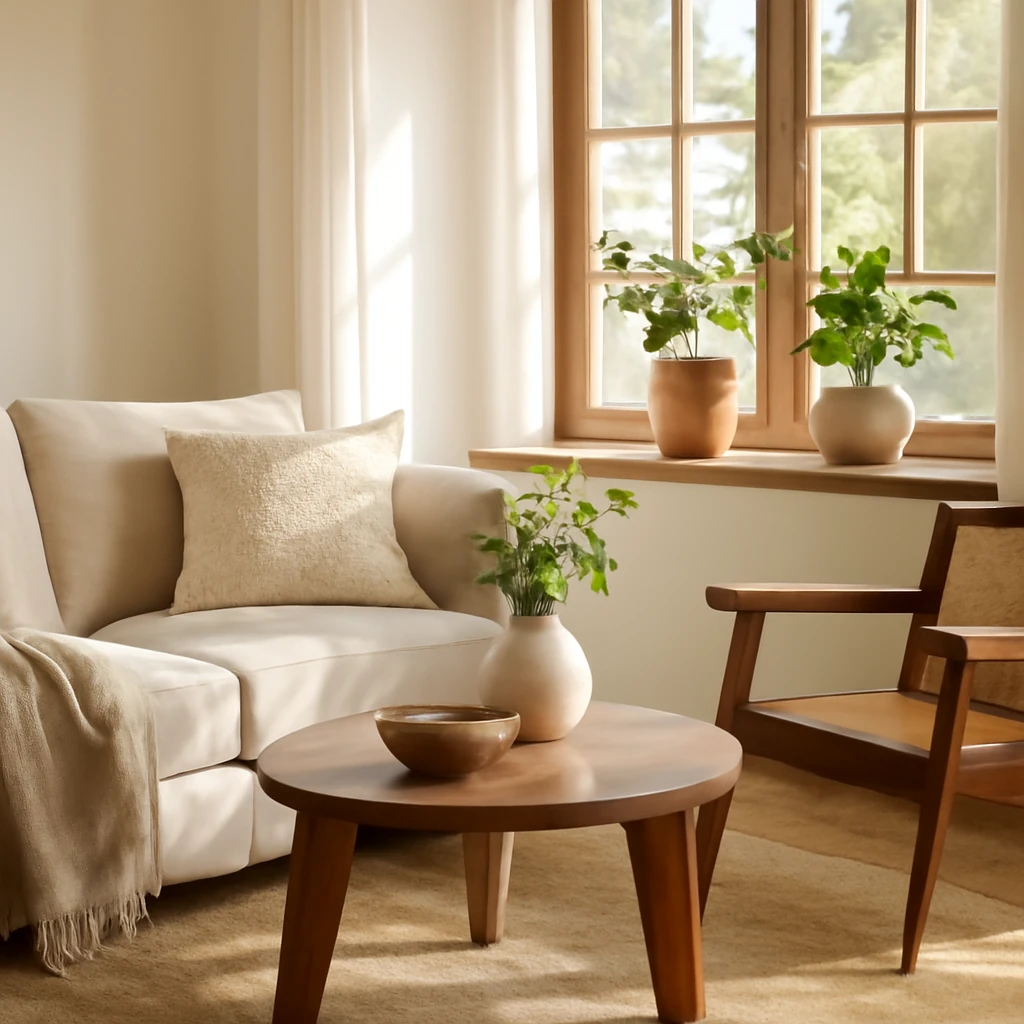
Timber is a material that speaks to the heart of European architecture. Across alpine chalets, timber-framed houses and contemporary countryside dwellings, wood brings warmth, texture and a strong sense of connection to the landscape. An interior finished in timber can be both atmospheric and highly functional, provided the design respects the building’s structure, climate and energy needs. This guide presents a practical, design-forward approach to creating interiors in timber homes across Europe, from northern light-filled schemes to sun-soaked Mediterranean-inspired facades, with finishes, layouts and stylistic options that work with the wood rather than against it.
Pros and cons of timber homes
Choosing timber as a primary building and finishing material brings clear advantages - and a few considerations. Understanding these helps you plan spaces that stay comfortable, durable and beautiful for years to come.
- + Environmental credentials. Timber is a renewable, low-embodied-energy material. When responsibly sourced and used with thoughtful detailing, timber interiors contribute to healthier indoor air and natural humidity regulation, without compromising comfort.
- + Thermal performance. When paired with modern insulation and airtight detailing, timber envelopes deliver dependable thermal performance, helping maintain a pleasant microclimate across seasons.
- + Longevity. With proper maintenance and protective finishes, timber homes can endure for many decades, often with the life of the structure extended through regular upkeep.
- − Fire safety considerations. Timber is combustible, so obligation-compliant fire protection measures, suitable coatings and code-compliant detailing are essential.
- − Maintenance and wear. Exposure to humidity, sunlight and pests requires regular attention. Practically, this means timely sealing, re-coating and controlling moisture levels to preserve the timber’s character.
What style suits a timber house?
Timber’s natural character is a central design feature, and certain styles harmonise especially well with its texture and warmth. Below are styles that reliably translate timber into elegant, contemporary European interiors.
Scandinavian style
The Scandinavian ensemble leans into light, air and function. Walls are often bright and walls and ceilings may be painted in pale colours, while timbers are kept light - often natural or whitewashed - to maximise daylight. Floors tend to be pale woods such as ash or light oak, and large windows are unadorned to let in as much light as possible. Doors are streamlined or replaced by screens, furnishings are restrained with clean lines, and soft textiles in muted tones keep the space calm. A Nordic approach uses texture and warmth rather than ornament to create cosy, welcoming interiors.
Furnishings for a Scandinavian interior
- Low-profile sofas and armchairs with simple profiles
- Natural fabrics in muted colours (linen, wool, cotton)
- Minimalist storage with visible timber grain
- A blend of woven textiles and discrete metal accents
Contemporary/Modern style
Contemporary timber interiors blend the material’s warmth with streamlined shapes and neutral palettes. Clean lines and restrained detailing create calm, uncluttered spaces where timber acts as a tactile counterpoint to glass, stone and metal. The timber may be left natural with a clear finish or subtly tinted to enhance the grain, while furnishings favour function over fuss. A modern timber interior is characterised by a balanced mix of soft textures and architectural features, such as a sculptural fireplace, integrated lighting and thoughtful zones that read as both intimate and expansive.
Contemporary furnishings guidance
- Modular seating systems with refined upholstery
- Timber or stone surfaces paired with warm metals
- Low, wide coffee tables and uncluttered layouts
Country and Provencal influences
The country aesthetic embraces rustic warmth - stone, clay and linen alongside timber. In European timber homes, this translates to straightforward, robust furniture with a lived-in feel, natural fabrics, and artefacts that echo rural life. Provencal accents bring light-coloured woods, soft whites and pastel touches, plus botanical motifs and antique or antique-inspired pieces. The result is a cosy, approachable interior where the timber remains the unifying backbone of the space.
Eco style
Eco design values living gently with nature. In timber homes, this translates to expansive glazing, open floor plans and a palette drawn from nature: greys, beiges, browns, blues and greens. The interiors emphasise airiness and greenery, with plants urbanising the sense of a woodland inside. Finishes are natural and tactile - loose-woven textiles, unbleached fabrics and organic textures - so the space feels connected to its surroundings rather than engineered for show.
Eco-inspired detailing
- Extensive indoor plants and living walls
- Natural fibre fabrics and unprocessed textures
- External timber treatment that respects local climate and regulations
Chalet style
Chalet interiors celebrate a cosy, lodge-like atmosphere. Think heavy timber beams, a central stone fireplace and warm, earthy tones. Interiors favour tactile surfaces - rough-hewn wood, wool throws and animal textures - paired with soft lighting to create an intimate, sheltering feel. Stone and metal accents often frame the timber to emphasise the rustic, alpine character while keeping modern comfort in reach.
Chalet details
- Exposed ceiling beams and a prominent hearth
- Layered textiles in browns, deep reds and ochres
- Natural stone and textured rug combinations
Interior finishes for timber homes
The inherent beauty of timber interiors often requires minimal adornment. With careful selection of walls, floors and ceilings, the warmth and grain of the wood stay expressive without competing elements.
Walls
Timber walls may be finished with protective coatings such as transparent stains or lacquers to enhance the grain, or painted in soft, light hues to brighten the space. In damp zones - kitchens and bathrooms - consider moisture-resistant tiles or ceramic wall coverings to protect against swelling and staining. In areas with high humidity, concrete or tile accents can provide a robust counterpoint to timber softness while maintaining a cohesive look.
Flooring
Timber floors can be left with a natural oiled or varnished finish to emphasise warmth and character. Alternatively, engineered timber or high-quality laminate can offer durability with minimal maintenance. For those seeking a contemporary edge, (parquet) patterns or wider planks can add visual depth while preserving the natural look. In spaces where timber feels too dominant, well-chosen area rugs help soften the mood and define seating zones.
Ceiling
Ceiling design ranges from maintaining exposed timber beams to smooth plasterwork. Exposed beams reinforce a rustic or chalet mood, while a white plaster ceiling can brighten a compact room. In open-plan zones, consistent ceiling treatment across spaces helps knit the interior together, while strategically placed lighting reinforces the architecture rather than fighting against it.
Layout and furnishings for timber homes
To preserve the air of openness and light that timber homes often inspire, aim for spacious layouts with generous glazing and well-considered traffic flows. The furniture should support the feel of the space - natural materials, organic shapes and a restrained colour palette that lets the timber grains tell the story.
Living room
The living room in a timber home usually acts as the social heart of the house. A neutral base keeps the space calm, while accents such as a bold textile, a coloured rug or a statement chair provide personality. The fireplace or stove is frequently the focal point, around which seating is arranged in intimate groups, allowing conversation and warmth to be the central experience. Consider adding a rocking chair or a traditional armchair with a soft wrap of wool for timeless comfort.
Living room ideas
- Neutral sofas with warm timber frames
- Textiles in muted tones with one or two stronger accent colours
- Layered lighting: floor lamps, table lamps and wall wash to sculpt the grain
Bedroom
Bedrooms in timber homes benefit from a calm, restorative palette. The timber itself contributes warmth, so choose soft, breathable fabrics and a restrained mix of colours for bedding and curtains. A substantial bed with a timber frame, a classic chest or dresser, and well-proportioned storage keeps the room uncluttered and restful. Lighting should be soft and adjustable to create a cosy ambience for evening routines.
Bedroom furnishings
- Large bed with natural textiles
- Timber dressers or chests that echo the room’s warmth
- Low-profile nightstands and warm, indirect lighting
Kitchen
The kitchen in a timber home often combines warmth with durability. Timber panelling on walls or ceilings pairs with contemporary worktops, stone or concrete surfaces, and moisture-resistant cabinetry. Plan the layout around the work triangle, ensuring appliances and storage are reachable with minimal movement. Where possible, introduce an island or a peninsula to break up the space and provide a sociable cooking and dining zone that aligns with the timber's natural rhythm.
Study, library or home office
A study in a timber home can feel like a warm, wood-clad sanctuary. Built-in bookcases, a substantial desk and task lighting in warm hues invite long hours of focus. The design can nod to traditional libraries with decorative mouldings and brass details while maintaining contemporary ergonomics and cable management. A well-lit, calm corner with comfortable seating invites reading and contemplation amidst timber warmth.
Entrance hall and wardrobe
The hallway sets the first impression. Use durable, easy-to-clean finishes near entrances and ensure ample storage for coats, footwear and outdoor gear. A timber-lined hall with a bench, integrated storage and soft lighting can feel welcoming and cohesive with the rest of the home.
Bathroom and WC
Bathrooms in timber interiors should be calm and moisture-resistant. Light, soft colour schemes with natural stone, ceramic or porcelain tiles create a spa-like mood that complements timber surfaces. Consider heated flooring and well-sealed timber elements to prevent moisture damage. Fixtures should be chosen for longevity and ease of maintenance, with finishes that resist humidity and wear.
Outdoor spaces and timber
European timber homes often extend the warmth of their interiors to outdoor spaces. Timber facades, decks and pergolas can create a seamless transition between inside and out. For exteriors, weather-resistant finishes and appropriate maintenance schedules protect timber against sun, rain and frost. Outdoor furniture in natural materials - woven rattan, untreated timber or powder-coated metals - helps blur the line between interior and exterior living, enabling year-round enjoyment of terraces and gardens.
Practical steps for a cohesive timber interior
Designing a timber interior requires a thoughtful approach to proportion, lighting, materials and climate. The following steps help ensure your timber home feels cohesive and timeless across different European contexts.
- Plan with the structure in mind. Understand the timber frame or CLT assembly, including spans, load paths and potential movement. Build a plan that respects the timber’s natural rhythm and allows for long-term adaptability.
- Choose a restrained palette. Let the wood’s grain drive the colour scheme. Use soft neutrals for walls and flooring, and reserve bold accents for textiles and a few statement pieces.
- Balance texture and light. Combine smooth finishes with textured fabrics, woven surfaces and subtle metallics to create depth without overpowering the timber.
- Prioritise moisture management. Timber interiors thrive where humidity is controlled. Use vapour barriers, proper ventilation and moisture-resilient materials in kitchens, bathrooms and utility areas.
- Invest in durable finishes. High-quality coatings protect timber from UV, humidity and wear. Reapply as needed to maintain appearance and performance.
- Integrate lighting thoughtfully. A layered lighting plan enhances the timber’s look - ambient, task and accent lighting should be calibrated to highlight grain and create warmth in the evenings.
- Embrace flexibility. Design furniture layouts to accommodate changing life stages. Movable screens, modular seating and adaptable storage support long-term usability.
In Europe, building regulations and energy performance standards vary by country and region. Engaging a locally experienced architect or interior designer is essential to ensure that timber construction, insulation, ventilation and fire safety meet or exceed the required codes. The most successful timber interiors respond to a climate-specific strategy - emphasising breathable wall assemblies in humid zones, or high-performance insulation for colder regions - while preserving the material’s tactile beauty.
Conclusion: a timeless approach to timber interiors
Timber homes offer a uniquely warm, inviting backdrop for contemporary living. When interior design respects the wood’s natural character and aligns with European climate realities, timber interiors stay comfortable, sustainable and stylish across decades. Whether you lean towards the bright, minimalist clarity of Scandinavian spaces, the cosy richness of chalet-inspired schemes, or the calm, earthy elegance of eco-focused design, timber can serve as the common thread that ties rooms together with a timeless grace. The key is balance: let the material’s texture lead, support it with modern insulation and finishes, and curate furniture and textiles that enhance rather than compete with the grain. In the end, a timber interior that is well designed feels inevitable - the way a forest feels at home in human spaces.
You may also like these articles
 Bedroom
Choosing the Right Orthopaedic Pillow for a Healthier Sleep in Europe
A comprehensive guide to selecting the perfect orthopaedic pillow for European beds.
Interior Design
Euro Two-Bedroom Flats: Flexible Layouts for European Living
Smart layouts and stylish zones for compact European homes.
Kitchen Design
Mastering the U‑Shaped Kitchen: practical layouts for European homes
Maximise storage and flow with a practical U‑shaped kitchen for European homes.