
Explore interior trends, AI design insights, styling guides and real transformations
Designing a Calm, Productive Home Office for European Homes
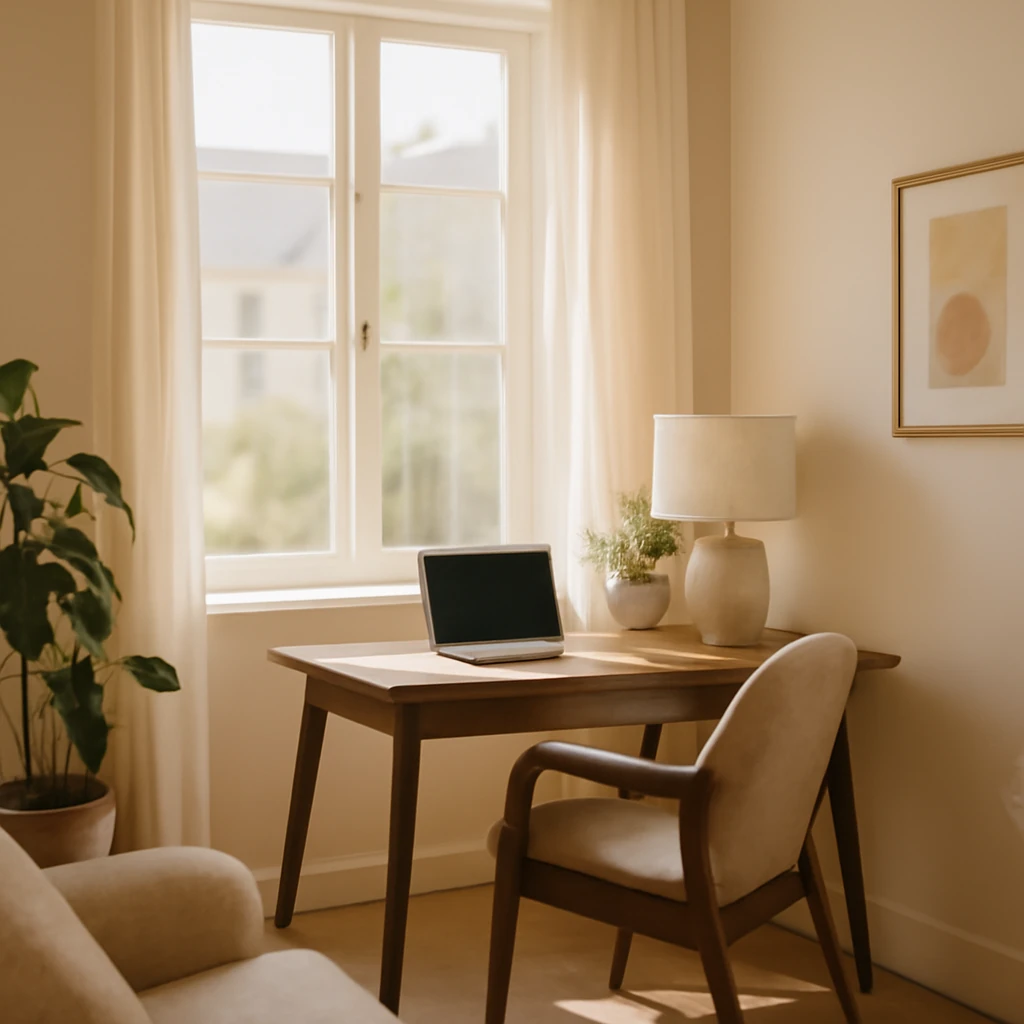
Why a Home Office Deserves Thoughtful Design
Across Europe, the shift to remote and hybrid working has become a lasting feature of modern life. A well designed home office is more than a desk and a chair: it is a dedicated zone that supports focus, organisation, and wellbeing. When the space reflects the user’s taste and daily routine, work feels less like a chore and more like a purposeful activity. A thoughtfully designed home office can help reduce stress, improve concentration, and safeguard boundaries between work and rest in busy family homes.
In practice, the home office should adapt to the owner’s needs - whether they are a quiet analytical thinker who requires minimal distractions, or a creative practitioner who needs space to stage materials and experiments. The aim is a visually calm environment with functional organisation, where aesthetics reinforce productivity rather than compete with it.
European interiors favour lightweight, practical materials, abundant daylight, and flexible layouts. The best spaces balance two essentials: an ergonomic setup for sustained work and an atmosphere that feels welcoming after hours. The following guide offers a practical framework for designing a private-home workspace that suits a European context - whether you live in a townhouse, a loft conversion, or a compact city apartment.
Choosing the Location in a Private Home
Location depends on the home’s plan, but the core considerations remain consistent: light, noise, ventilation, and ease of access to power and data connections. Here are the most common configurations, with practical notes for each.
In a dedicated room
This is the ideal for those who need quiet, uninterrupted concentration or host clients. Position the desk away from high-traffic zones, avoid proximity to living spaces where social activity can intrude, and consider natural light from a window without glare on screens. A separate room offers opportunities for integrated storage, sound control, and a clear physical boundary between work and family life.
In an attic or mezzanine
Converted lofts or mezzanines are popular in European homes for creating aspirational studios or quiet workrooms. They benefit from light and views, but require careful planning: insulation, soundproofing, and a comfortable desk height for long sessions. With a thoughtful layout, such spaces can feel airy and inspiring while remaining easily secluded from daily activity.
In a corner of the living room
Small townhouses or apartments often require a compact solution. A well-designed alcove or partitioned nook can house a functional desk and essential storage without dominating the room. Using light screens, a planter wall, or a slender bookcase to separate the zone helps maintain an open, breathable feel while preserving a sense of privacy.
In a versatile space
If a dedicated room or alcove isn’t feasible, think about adaptable approaches. Options include:
- Through-ways or corridors that can be sectioned with ambient screens when needed.
- Under-stairs corners – compact but clever storage and a small desk can make a workable micro-office.
- Balconies or terraces for seasonal, daylight-focused work - ideal for tasks that benefit from fresh air and a change of scenery.
A compact micro-office is better than none at all. The goal is to create a space that supports focus, even if it resembles a small, well-organised desk corner.
Key Conditions for a Successful Home Office
Access to daylight
Natural light is essential for mood, energy, and focus. Aim for a workspace with large windows or a well-lit corner. If possible, orient the desk so that the screen avoids glare from sun or surrounding foliage. Layer artificial lighting to complement daylight, enabling comfortable work from morning through evening.
Room size and proportion
Even small spaces can function superbly with careful planning. Start by visualising the workflow: where will you place the computer, documents, and reference materials? In a larger room, you can allocate two distinct zones - a primary desk area and a secondary task zone for creative or correspondence work. In smaller rooms, choose modular furniture that can be tucked away when not in use and ensure there is clearance for movement around the desk.
Proximity to noisy zones
Noise disrupts concentration. If possible, situate the office away from kitchens, playrooms, or busy thoroughfares. When layout constraints apply, focus on sound dampening: soft flooring, fabric window treatments, and wall panels with acoustic properties can dramatically improve the working environment.
Ventilation and comfort
Fresh air and a comfortable climate are critical for sustained performance. In homes where ventilation is limited, consider a small, quiet mechanical option or a well-controlled natural ventilation strategy. For summer use, ensure the space can be cooled efficiently without creating drafts that disrupt work.
In a typical European home, a well-insulated shell and breathable fabrics help maintain comfort across seasons, reducing the need for energy-intensive climate control.
Core Design Principles for a Home Office
To make the space as productive as it is pleasant, a few core principles should guide every decision.
Style and concept
The choice of style should reflect the user’s personality and the function of the space. A creator’s studio may prioritise abundant light, generous work surfaces, and easy-to-clean finishes. A meticulous analyst might favour clean lines, restrained colour, and functional storage. European design often gravitates towards a light, neutral palette with tactile materials that age gracefully. A practical approach is to collect references from design platforms and magazines, then distil a cohesive concept that can be applied across finishes, lighting, and furniture.
Try to define a single “base” style and then layer in purposeful accents. For example, a modern Nordic base with warm timber details and a few sculptural pieces can feel both contemporary and comfortable, while still providing a focused work environment.
Organisation of space
Workspace should be organised around the tasks you perform most. Consider two dedicated zones: a primary desk for computer work and document handling, plus a secondary area for printed materials, sketching, or meeting guests. The key is flexibility: a desk that can be reconfigured, or a storage system that can expand as needs evolve. Wiring should be considered from the outset - conceal cables in channels or under floor panels and avoid creating trip hazards. If possible, integrate power and data within the furniture to minimise visible clutter.
Another important consideration is sight lines. Position seating to avoid direct glare from windows, and place tools and resources within easy reach to reduce interruptions. A well-planned layout supports both deep work and quick administrative tasks, enabling smoother transitions between activities.
Finishes and Interior Detailing
Beyond furniture, finishes shape how the space feels and functions. The following guidelines help create a cohesive and practical environment.
- Ceiling finishes: keep ceilings in a light colour to maximise perceived height and brightness. White or pale neutrals work well with any palette and reflect daylight effectively.
- Flooring: choose a comfortable, durable surface suitable for long hours of standing or sitting. Neutral tones with minimal pattern help reduce visual noise and support concentration.
- Wall coverings: select wallpapers or paints that reinforce the overall palette. Subtle textures can add depth without distracting from work tasks.
- Window treatments: opt for shades that offer privacy and light control. Light, fabric drapes or woven blinds soften daylight while preserving visibility to the outdoors.
- Decorative elements: keep decor minimal. A few meaningful objects, a plant or two, and a piece of artwork can inspire without stealing attention from work.
When decorating, aim for a balance between inspiration and practicality. The space should feel calm, uncluttered, and ready for productive sessions.
Popular Styles for European Home Offices
There are no hard rules, but several enduring styles are particularly well suited to contemporary European homes. Each has a distinct character and practical benefits.
Classical with a contemporary twist
Features a restrained palette, quality materials, and a curated approach to accessories. Emphasise functional furniture and symmetry, with a strong focal desk and evenly distributed lighting. Choose simple, elegant storage with a hint of traditional detailing for warmth and longevity.
- Colours: ivory, taupe, soft greys with warm timber accents.
- Materials: solid wood, stone or high-quality laminates, brushed metal hardware.
- Lighting: multiple light sources including floor lamps and ceiling fittings to create a layered glow.
English-inspired classic with depth
Deep, rich tones and a sense of heritage characterise this look. It works well in larger rooms or loft conversions where it can be paired with leather seating, tall shelving, and panelled details. The effect is elegant, serious, and deeply comfortable for long work sessions and client meetings.
- Colours: dark greens, navy, charcoal, with brass or gilt accents.
- Textures: wool fabrics, leather, a restrained floral or plaid motif for textiles.
- Lighting: traditional brass fittings, well-designed task lighting to balance ambient light.
Modern and Nordic minimalism
A clean, light approach that celebrates simplicity and function. This style favours understated colour palettes, natural materials, and modular systems designed to adapt over time. It is ideal for small spaces where every element must earn its place.
- Colours: whites, pale greys, and soft wood tones, accent colours kept to a minimum.
- Materials: oak or ash, concrete-look surfaces, glass, matte metals.
- Lighting: generous ambient light supplemented by sculptural task lighting.
Creative workshop
For makers and artists, the workspace is a studio as much as an office. Finishes are robust and easy to clean, with open storage, a large work surface, and flexible lighting that can be adjusted to suit different tasks. The emphasis is on practicality, with ample space for materials and tools, while still maintaining a calm, organised environment.
- Colours: bright, light walls to maximise reflected daylight, with strong tonal accents in furniture or artwork.
- Materials: durable worktops, easy-to-clean floors, and practical storage that keeps tools visible but orderly.
- Lighting: layered lighting that supports both focused work and creative processes.
Lighting the Home Office: Three Levels of Illumination
Effective lighting supports performance and mood. A well-lit workspace typically involves three layers:
1. Ambient light
This is the general illumination that establishes the overall mood. A diffuse ceiling fixture or recessed lighting works well in most European homes, creating a comfortable, glare-free environment for late-evening tasks.
2. Functional light
Task lighting at desk height reduces eye strain during computer work, drafting, or paperwork. Consider adjustable desk lamps or wall-mounted luminaires positioned to illuminate the work area without causing screen reflections.
3. Decorative or accent light
Accent lighting highlights architectural features, plants, or art. It also helps create a pleasant atmosphere for evening breaks or client meetings. Use warm-coloured bulbs to evoke a relaxed, inviting tone while remaining conducive to productivity.
When selecting lighting, think about colour temperature, compatibility with smart controls, and energy efficiency. A mix of dimmable LEDs with easy on/off control provides the most flexibility for different tasks and times of day.
Furniture for the Home Office: Desk, Seating, Storage, and More
The right furniture can transform a space from merely functional to truly energising. The following categories are essential for most European homes, with practical notes for choosing well.
Desk: the workspace hub
The desk should support your primary tasks and match your working posture. A straight desk is efficient for single-monitor setups, while a compact L-shaped or corner desk can accommodate two screens or a larger drafting area. Height adjustability is a major advantage for alternating between sitting and standing work. If space is tight, consider modular desk systems that can be expanded with additional panels or storage as needs evolve.
When choosing a desk, ensure it offers cable management options and stable support for monitors, computer towers, or printers. Consider integrated power modules to keep the surface calm and uncluttered.
Chair: ergonomic support
A comfortable, ergonomic chair with adjustable height, back support, and seat depth is non-negotiable for long hours at the desk. Look for chairs that promote proper posture and distribute weight evenly. If possible, test a chair for a good range of motion and lumbar support before purchasing.
A well-chosen chair reduces fatigue and helps maintain focus across extended sessions.
Storage: flexibility and order
Storage systems should align with work patterns. A combination of closed units for sensitive documents and open shelving for reference books and decorative objects keeps the space legible and efficient. Consider lockable filing cabinets for secure storage, and ensure shelves are adjustable to accommodate growing files or bulky equipment.
Seating for visitors and relaxation
In addition to the desk chair, a small secondary seating option - such as a compact lounge chair or a cosy sofa - gives space for client meetings or short breaks. A low coffee table provides a convenient surface for notes or a cup of tea. In smaller rooms, select multi-functional furniture, such as a sofa bed or a fold-out seat, to maximise flexibility.
Soft furnishings and textiles
Textiles influence acoustics, warmth, and comfort. Soft rugs can dampen footsteps and absorb sound, while curtains or blinds help control glare. Choose fabrics that are easy to clean and maintain, particularly in busy households where dust and spills are common.
Materials and colour
Material choices should reflect durability and ease of maintenance. Natural materials like wood, wool, linen, and stone bring warmth and texture, while metal and glass provide a contemporary edge. Colour should support focus: neutral bases with restrained accents - perhaps a favourite colour used in cushions, planters, or a single feature wall - can energise without overwhelming the senses.
Plants and life-enhancing touches
Live greenery improves air quality and mood. A small selection of easy-care plants on a windowsill or shelf can soften the technical feel of an office and provide visual relief during work breaks.
Personalisation and the Occupant’s Perspective
Designing a home office is highly individual. The approach to aesthetics, organisation, and technology should reflect how the occupant works best. Some people prefer a masculine, restrained, traditional look with a strong desk focus, others flourish in a lighter, more elegant environment with softer textures and a calmer palette. The key is to acknowledge personal preferences while maintaining a clear, uncluttered space that supports workflow. When planning for couples or shared homes, negotiate zones that reduce friction and provide each person with a distinct workspace within a shared area.
Expert Design Tips to Elevate Any Home Office
- Enhance daylight and reduce glare. Position the desk to receive natural light without direct sun on screens. Use light-coloured window treatments and reflective surfaces to maximise daylight without glare.
- Identify focus and distraction points. Introduce a few carefully chosen visual elements - an artwork, a texture on the wall, or a plant - that offer micro-breaks and mental resets without stealing attention from work tasks.
- Control acoustics. Soft furnishings, rugs, and wall panels help absorb sound. If the space is particularly noisy, consider additional soundproofing elements or white-noise devices to keep disturbances at bay.
- Plan two workable areas. A dedicated desk plus a secondary task zone provides flexibility for varied work and creative tasks. In good weather, consider an outdoor or balcony workspace to refresh the mind.
- Prioritise ergonomics and adaptable systems. A height-adjustable desk, an ergonomic chair, and modular storage enable the space to evolve with your work over time.
- Think about ventilation and climate control. A comfortable room climate supports concentration and reduces fatigue. Ensure there is a practical route for air exchange and consider a quiet cooling option for hot seasons.
In the European context, the most successful home offices balance a disciplined layout with generous daylight, tactile materials, and thoughtful storage - creating a space that is both productive and inviting.
Practical Scenarios: Designing for Private Homes
- Case study concept: a 160 m² private residence with a dedicated room for focus and a secondary screen-enabled workspace. The design emphasises natural light, a solid timber desk, ergonomic seating, and layered lighting to support day-to-night work sessions.
- Attic conversion: a bright studio in an attic with skylights, generous storage, and a desk tucked into an alcove. The palette is light and the textures are tactile to create an uplifting, efficient environment.
- Corner of the living room: a compact yet well-equipped zone using a slim desk, wall shelving, and a shallow cabinet. The arrangement keeps the area organised and visually discreet while preserving the room’s social function.
- Creative workshop: a makerspace with a robust worktable, easy-clean surfaces, and modular storage that can adapt to changing projects and materials.
From Concept to Reality: A Simple Implementation Plan
- Assess your needs. List tasks, equipment, and any equipment access requirements. Consider whether clients will visit and what level of privacy is required for phone calls or confidential work.
- Survey the space. Measure rooms and envision two or more possible layouts. Use mood boards and material samples to test combinations of colour, texture, and furniture.
- Plan finishes and materials. Decide on a cohesive palette for walls, floors, and textiles. Select durable surfaces that support easy cleaning and long-term use.
- Prototype and iterate. Start with essential pieces, then adjust the arrangement after a short trial period. Adapt lighting, storage, and seating as needed.
Examples of Home Office Designs in European Private Homes
- Floor plan concept: a dedicated room with a large desk, ergonomic chair, floating shelves, and a tranquillity palette that minimises distractions.
- Loft conversion: a bright workspace with a skylight, warm timber details, and flexible storage that can grow with the user’s needs.
- Living room corner: a compact, well-organised zone featuring a modular desk, low seating for visitors, and balanced lighting for both work and conversation.
- Workshop-inspired studio: robust surfaces, practical storage, and daylight-friendly finishes designed for hands-on projects as well as desk work.
Conclusion: Turning Ideas into a Functional Space
Designing a home office in a European home is about harmonising form and function. Start with the space’s location, ensure ample daylight and good ventilation, and build a layout around how you work best. Choose finishes and furniture that are durable, easy to maintain, and flexible enough to adapt as your needs evolve. With two workable zones, a considered lighting plan, and a calm, cohesive aesthetic, your home office can be a powerful, enjoyable-place to work - whether you’re drafting, analysing, teaching, or creating.
You may also like these articles
 Furniture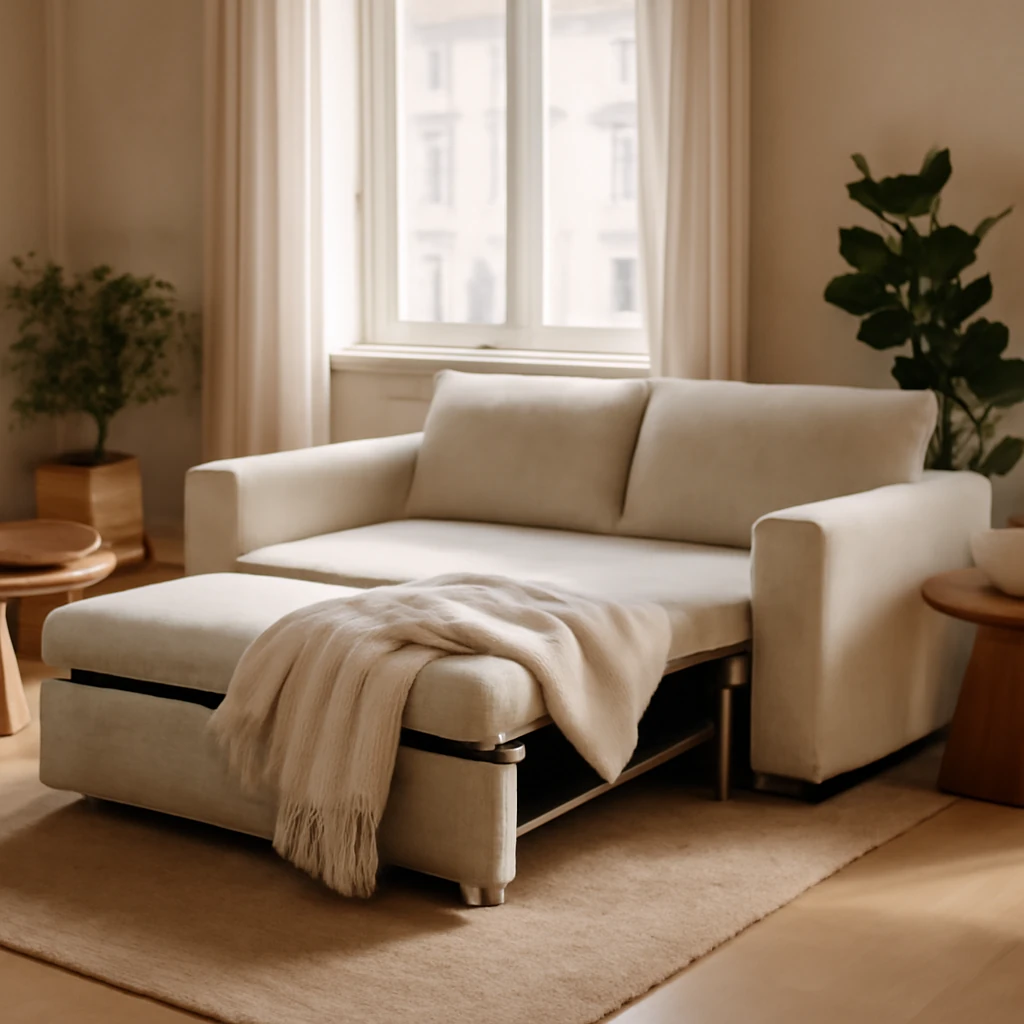
The Puma sofa mechanism: daily comfort, durability and intelligent design for European living rooms
A practical guide to Puma sofas for daily sleep comfort in compact European homes.
Colour & Materials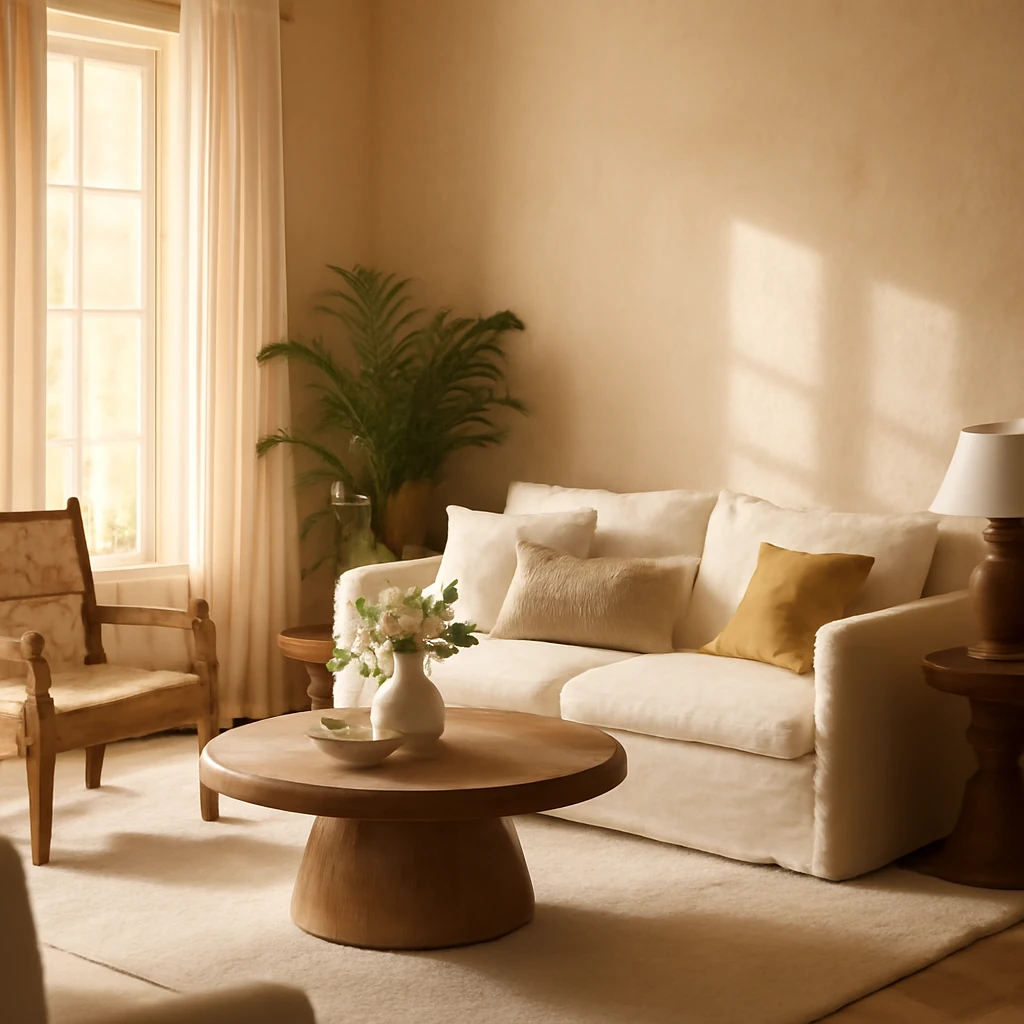
Eight durable wall coverings that elevate European interiors
Eight durable wall coverings to withstand busy European homes and still look luxe.
Small Spaces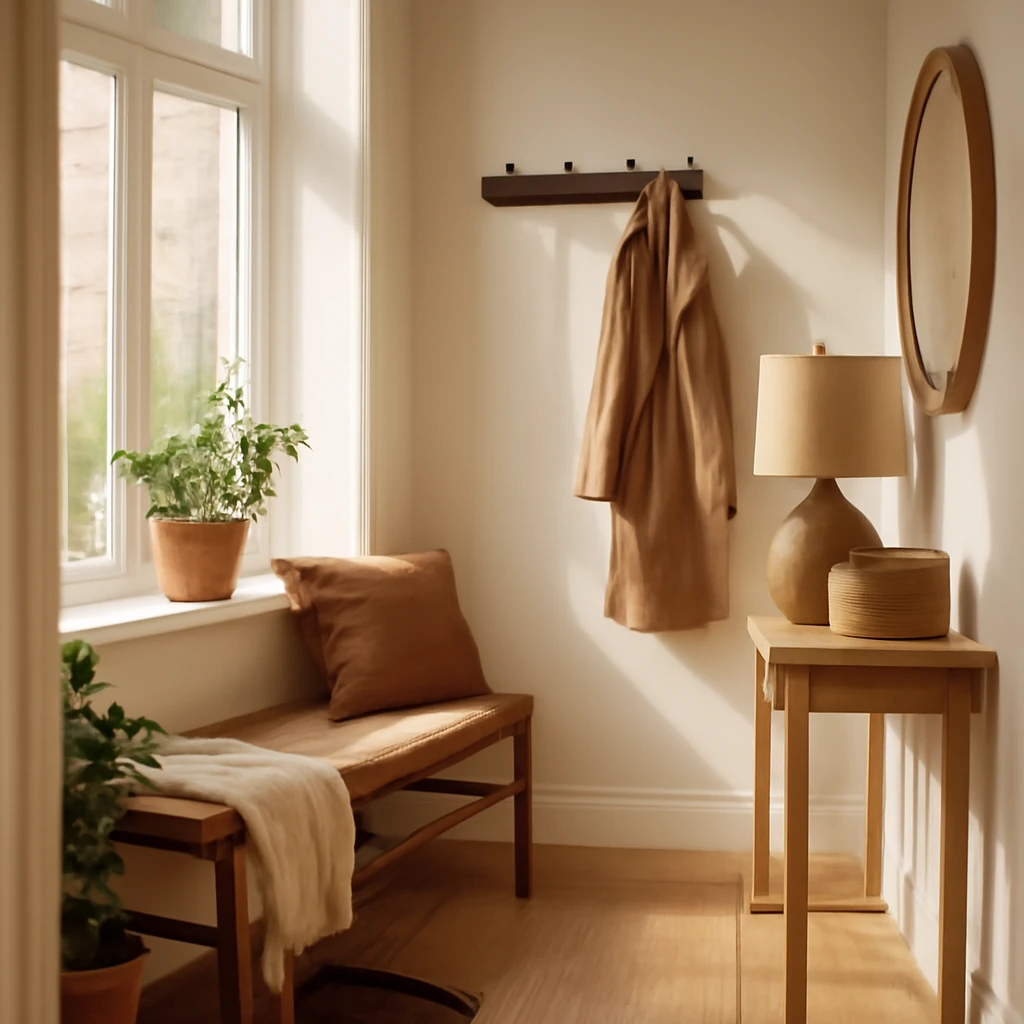
Colourful small-hallway makeovers: five European entrances
Five bold hallway makeovers turning compact European entrances into characterful thresholds.